
Water at Risk: Indus Basin and Pakistan’s Looming Water Emergency
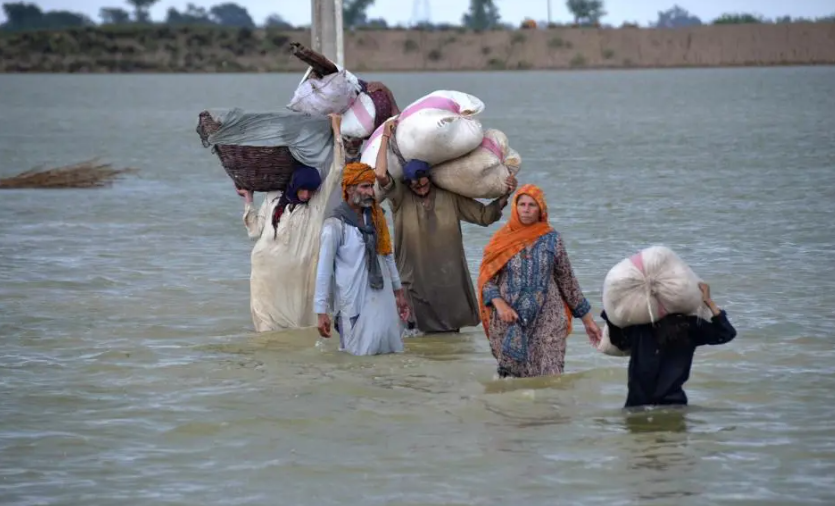
Pakistan’s Indus Basin, the lifeline for 80% of its population, is nearing a tipping point due to glacier melt, erratic monsoons, and severe water mismanagement. A World Bank report titled Pakistan: Getting More from Water (2023) warns that per capita water availability has fallen by over 80% since 1950, placing the country among the world’s most water-stressed nations.
“Pakistan’s water crisis is as much a governance issue as a climate one,” said Najy Benhassine, World Bank Country Director for Pakistan.
The UNDP Climate Promise (2024) reports that sea-level rise and declining river flows have accelerated salinity intrusion in Sindh’s Indus Delta, affecting agriculture and fisheries. Coastal districts like Thatta and Badin have seen over 1.2 million acres of farmland rendered unusable due to saltwater.
The Ministry of Climate Change warns that if upstream water regulation and mangrove restoration are not prioritized, the Indus Delta could face “irreversible ecological collapse within two decades.”
“We are witnessing both floods and droughts within the same year — the new climate normal,” said Sherry Rehman, former Federal Minister for Climate Change.
Pakistan’s National Water Policy (2018) is being revised to align with the Paris Agreement, focusing on climate-smart irrigation, groundwater regulation, and transboundary water cooperation with India and Afghanistan.