BREAKING NEWS
Advertise with us >

Federal budget delay linked to political deadlock over key legislation

Federal budget

ISLAMABAD: The delay in the federal budget has been caused by a political deadlock over key legislation, parliamentary sources said on Tuesday.

According to sources, the government wants to pass important legislation before the budget session, as the proposed laws are expected to have significant implications for the upcoming fiscal year. However, the Pakistan Peoples Party (PPP) is opposing the proposed amendments.

Sources said PPP Chairman Bilawal Bhutto Zardari has conveyed a clear stance during his address in Shigar Valley, adding that the party is resisting the proposed legislative changes. If the amendments are not approved before the budget session, changes in the next financial year may not be possible.

Parliamentary sources further revealed that efforts are underway to convince the PPP, with key political figures assigned the task of negotiations.

They added that Bilawal Bhutto Zardari is currently busy with election campaigning in Gilgit-Baltistan, and a new date for the budget session is likely to be announced only after securing his agreement.

Meanwhile, The federal government will not present the budget on June 5, according to official sources.

Sources said the National Economic Council (NEC) meeting scheduled for June 3 has been postponed, and a formal notification has also been issued.

Officials added that a new date for the federal budget presentation has not yet been finalized. However, it is likely to be presented on either June 8 or June 12.

Meanwhile, sources in the National Assembly said June 10 is also being considered as a possible date for the budget presentation.

According to the notification, a new date for the NEC meeting will be announced later.

Oil prices surge as Iran warns Beirut strikes violate ceasefire understanding

Oil prices surge

TEHRAN: Global oil markets faced renewed uncertainty after crude prices climbed sharply amid escalating tensions in the Middle East and warnings from Iran that Israeli military actions in Lebanon could undermine a broader ceasefire arrangement.

During trading, Brent crude rose above $97 per barrel, while West Texas Intermediate (WTI) surpassed $94 per barrel, reflecting growing concerns over regional stability and potential disruptions to energy supplies.

The increase came after Israeli Prime Minister Benjamin Netanyahu reportedly ordered airstrikes on alleged Hezbollah positions in Lebanon’s capital, Beirut.

Iran condemned the strikes, describing them as a violation of the ceasefire framework that Tehran says applies across multiple regional fronts.

Iranian Foreign Minister Abbas Araghchi warned that a breach on any front would be considered a violation of the entire ceasefire arrangement.

“Any violation on one front will be regarded as a violation of the ceasefire on all fronts,” Araghchi said, adding that the United States and Israel would bear responsibility for the consequences of any such breach.

He further asserted that Lebanon was included in the ceasefire understanding involving Iran and the United States, and that military strikes on Beirut should therefore be viewed as a violation of the agreement.

The remarks underscore growing disagreements over the scope and interpretation of the reported ceasefire arrangement, as concerns mount over the possibility of a wider regional conflict.

Pakistan’s auto sector enters new era of investment and innovation

Pakistan’s auto sector

ISLAMABAD: Pakistan’s automobile sector is witnessing a new phase of investment, innovation and industrial expansion driven by policy facilitation and structural reforms, according to industry and official statements.

Since the establishment of the Special Investment Facilitation Council, targeted measures have been introduced to promote investment in the auto industry, streamline policy support, and encourage industrial development across the sector.

Officials said that the Electric Vehicle (EV) policy introduced with the facilitation of SIFC has emerged as a key milestone, driving innovation and modernization in Pakistan’s automotive landscape over the past three years.

The improved business environment has helped restore investor confidence, positioning Pakistan as an increasingly attractive market for global automobile manufacturers and technology providers.

Several international automotive brands, including BYD, GAC, Changan, Denza, Omoda and Jaecoo, are expanding their presence in Pakistan and introducing new-generation vehicles and electric mobility technologies in the local market.

Industry observers also point to strategic partnerships, such as between Lucky Motor Corporation and Guangzhou Automobile Group, as evidence of growing international confidence in Pakistan’s auto sector.

With an estimated production capacity of around 500,000 units annually, Pakistan’s auto industry is seen as capable of meeting both domestic demand and supporting export potential.

Under ongoing reforms supported by SIFC, efforts are also underway to integrate Pakistan into the global automotive value chain through new auto policies and a refurbishment export model.

Officials said the sector is gradually transitioning from traditional manufacturing to advanced, environmentally friendly mobility solutions, with increasing focus on electric vehicles, local production and technological advancement.c

Pakistan sets Rs. 4,264b development budget for next fiscal year

Pakistan sets

ISLAMABAD: Pakistan’s total development budget for the upcoming fiscal year has been estimated at Rs. 4,264 billion, according to official budget documents, outlining allocations for federal and provincial development programmes across the country.

The documents show that the federal government’s development programme stands at Rs. 1,126 billion, while the combined size of provincial development initiatives has been projected at Rs. 3,138 billion.

Among the provinces, Punjab is expected to spend Rs. 1,450 billion on its development programme. Of this amount, Rs. 1,306 billion will be generated from domestic resources, while Rs144 billion is proposed under foreign assistance.

Sindh’s Annual Development Programme has been set at Rs. 816 billion, including Rs. 520 billion from local resources and Rs. 296 billion in foreign assistance.

Khyber Pakhtunkhwa’s development programme is proposed at Rs. 564 billion, with Rs. 377 billion allocated from provincial resources and Rs187 billion expected through foreign assistance.

For Balochistan, the Annual Development Programme is projected at Rs. 308 billion, including Rs. 275 billion from local resources and Rs33 billion in foreign assistance.

Overall, the combined provincial development spending from domestic resources has reached Rs2,478 billion, while foreign assistance for provincial projects is estimated at Rs660 billion, according to the documents.

Pakistan cuts Jet fuel price by Rs48.80 per litre

Pakistan cuts

ISLAMABAD: The government has provided major relief to airlines and the aviation sector by reducing the price of jet fuel used by commercial aircraft by Rs48.80 per litre.

According to aviation sources, the latest reduction has brought the price of jet fuel down to Rs283.52 per litre. Fuel expenses constitute a significant portion of an airline’s operating costs, and the decrease is expected to ease the financial burden on carriers.

The development comes after the government also announced a Rs22 per litre reduction in petrol and diesel prices, offering broader relief to consumers and businesses.

Industry experts believe the lower fuel costs could pave the way for reductions in both domestic and international airfares. However, any decision regarding ticket prices will ultimately be made by individual airlines.

Aviation sources said the government has cumulatively reduced jet fuel prices by as much as Rs283 per litre, describing it as a significant step for Pakistan’s aviation industry.

Before the conflict in the Middle East, jet fuel was priced at Rs188 per litre on February 28. Despite the recent reduction, current prices remain substantially higher than pre-conflict levels.

FBR misses 11-month tax collection target

FBR misses

ISLAMABAD: Federal Board of Revenue (FBR) has remained unable to achieve its tax collection targets during the first 11 months of the ongoing fiscal year, with the cumulative revenue shortfall reaching Rs869 billion, according to official sources.

Sources said the FBR collected Rs11.226 trillion in taxes against the 11-month target of Rs12 trillion, leaving a significant gap in revenue generation.

For May 2026, the tax authority is also expected to miss its monthly target by around Rs185 billion. The FBR is likely to collect approximately Rs965 billion during the month, compared to the assigned target of Rs1.15 trillion, sources added.

The FBR’s overall tax collection target for the current fiscal year stands at Rs13.979 trillion.

Meanwhile, following approval from the International Monetary Fund (IMF), the tax authority’s collection target for the next fiscal year has been set at Rs15.3 trillion, reflecting the government’s efforts to strengthen revenue mobilization and fiscal stability.

PSX rallies on Iran–US deal hopes, KSE-100 gains over 6,000 points

PSX rallies

KARACHI: The Pakistan Stock Exchange extended its bullish momentum during the week, with the benchmark KSE-100 Index rising sharply amid optimism over a potential US-Iran agreement.

According to weekly market data from the Pakistan Stock Exchange, the index surged by 6,118 points to close at 173,962 points.

The KSE-100 traded within a 3,944-point range during the week, reaching a high of 174,106 points and a low of 170,161 points.

Market activity remained strong, with approximately 1.06 billion shares changing hands in deals worth Rs72 billion over the week.

The overall market capitalization increased by Rs549 billion during the week, reaching Rs19.166 trillion.

Analysts linked the positive sentiment to growing investor optimism over a possible US-Iran deal, which is expected to improve regional geopolitical stability and support emerging market equities.

The strong weekly performance reflects sustained investor confidence and continued upward momentum in Pakistan’s equity market.

Pakistan proposes sharp tax hike on solar, electric and hybrid vehicles in budget

Pakistan proposes

ISLAMABAD: The federal government is considering significant tax increases on solar panels and electric and hybrid vehicles in the upcoming fiscal year 2026–27 budget, according to official sources.

Under the proposed measures, the General Sales Tax (GST) on solar panels is expected to be raised from 10% to 18%. Similarly, the GST on electric vehicles may be increased from 1% to 18%, while hybrid vehicles could see tax rates rise from 8% to 18%.

Officials said the proposals also include higher taxation on motorcycles, rickshaws, trucks, buses, electric pickups, tractors, and double-cabin vehicles, which could result in a broad increase in transportation and renewable energy costs.

Sources indicated that the planned tax hikes are likely to make solar panels and electric and hybrid vehicles more expensive for consumers if approved.

The International Monetary Fund (IMF), according to sources, has opposed granting tax exemptions. However, the government is still attempting to persuade the lender to allow relief for the renewable energy sector.

The IMF has reportedly maintained that any tax exemptions must be offset through alternative revenue measures to ensure fiscal balance.

Officials further said that, based on current proposals, prices across the electric mobility and solar energy sectors are expected to rise if the new tax structure is implemented.

The IMF has also reportedly suggested increasing GST on electric vehicles to 18% and raising tax rates on hybrid vehicles to the same level.

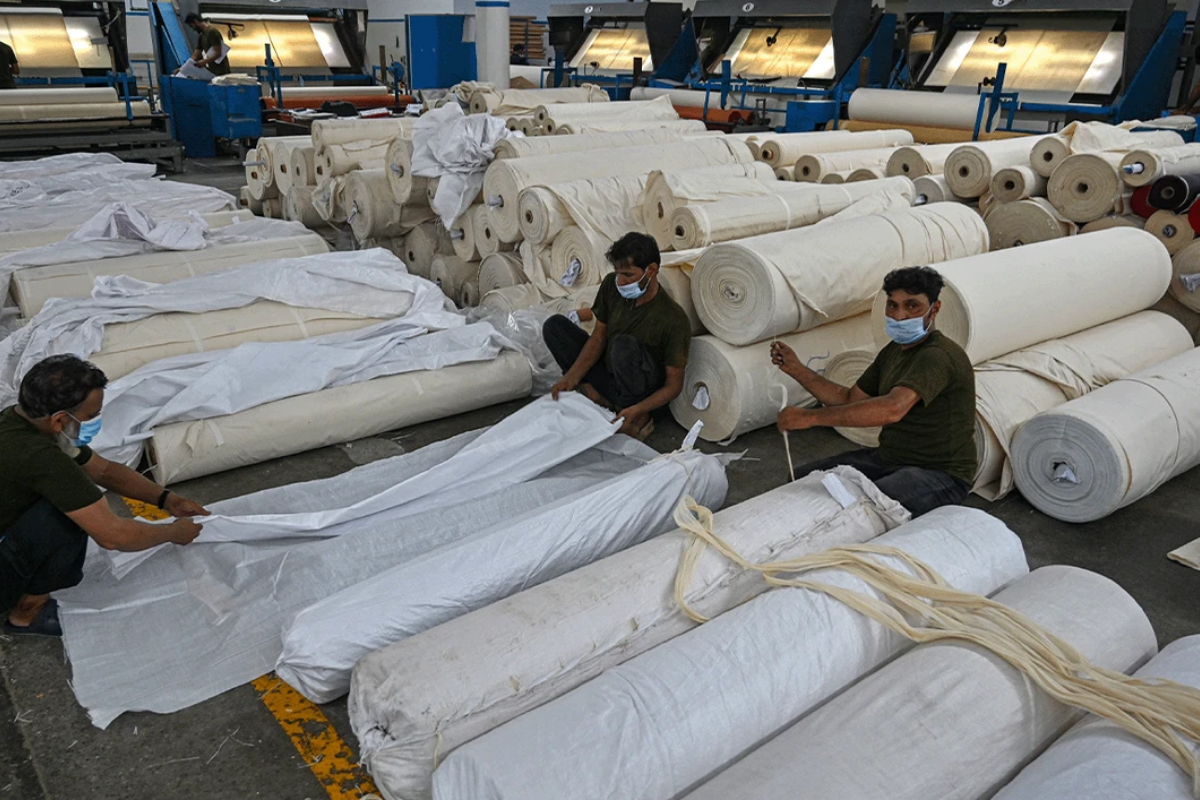
In addition, industry stakeholders have urged the government to release Rs327 billion in pending tax refunds to the textile sector and have called for reductions in electricity and gas tariffs. Exporters could potentially receive relief of up to Rs100 billion, although officials say prospects for a large-scale relief package remain limited.

PM Shehbaz announces reduction of Rs22 in petrol, diesel prices each

PM Shehbaz

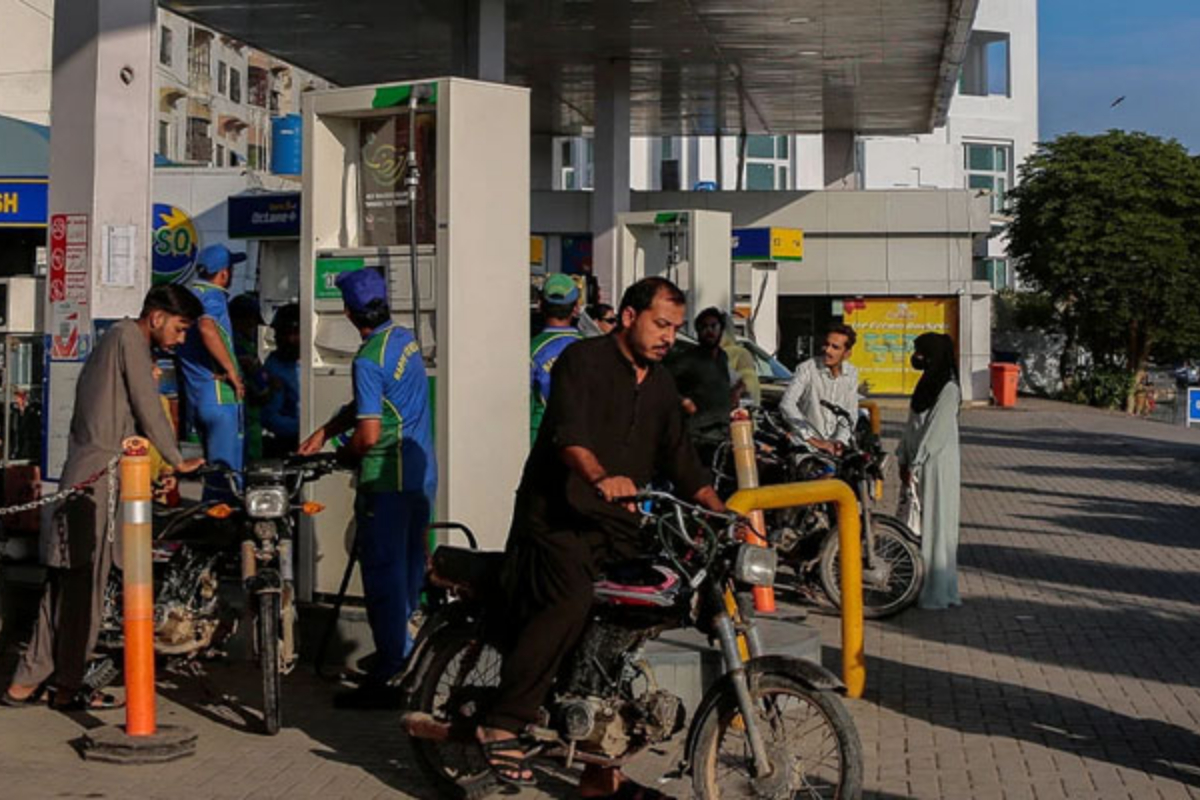
LAHORE: The federal government on Friday decided to reduce petrol and diesel prices by Rs 22 per litre each.

Prime Minister Muhammad Shehbaz Sharif said that providing relief to the public was among his top priorities. The premier had promised the nation that relief would be provided to the public as soon as there was a room to do so.

 That promise had now been fulfilled exactly as stated and served as a gift to the public on the third day of Eid-ul-Azha.

It is pertinent to mention that last week, relief was also provided to the public through reductions in petrol and diesel prices.

 Even under the most difficult circumstances, the federal government continued providing relief to the people and offered fuel subsidies for public and goods transport, as well as for motorcycle and rickshaw users.

At a time when people in other countries in the region were standing in queues to obtain petrol, timely measures taken by Prime Minister Shehbaz Sharif ensured that petrol and diesel remained available to the public in Pakistan.

During the worst global oil crisis, despite rising international oil prices, the PM prevented increases in domestic fuel prices by providing subsidies of over Rs 130, thereby continuing to deliver relief to the public.

PM Shehbaz forms committee to review Rs72b oil sector windfall gains

PM Shehbaz

ISLAMABAD: Prime Minister Shehbaz Sharif has constituted a high-powered committee headed by Finance Minister Muhammad Aurangzeb to review the country’s cross-subsidy framework and examine the recovery of an alleged 72 billion rupees in windfall profits earned by oil marketing companies.

The committee, formed ahead of the upcoming federal budget, will also evaluate broader fiscal and economic priorities, including expenditure rationalization, development spending allocation, energy sector reforms and the implementation of rightsizing measures across ministries and divisions.

Officials said the panel will be responsible for reviewing key financial planning areas for the next budget cycle, particularly efforts aimed at improving efficiency in public spending and reducing the fiscal deficit.

Finance Minister Muhammad Aurangzeb will chair the committee, while the ministers for economic affairs, planning and law will serve as members.

Former bureaucrat Musharraf Rasool has been appointed as chief technical adviser, while the additional secretary for budget will also be part of the committee.

The panel is expected to submit its recommendations to the prime minister after completing a comprehensive review of economic and administrative reforms.

Meanwhile, government is preparing to recover an estimated 72 billion rupees in windfall profits from oil marketing companies (OMCs) in the upcoming fiscal year 2026-27, according to official sources.

Finance Ministry sources said a windfall gain tax could be imposed on OMCs after companies earned extraordinary profits on petroleum products during recent regional tensions.

Officials said the recovered amount may be used to provide petroleum subsidies, reduce electricity tariffs and help narrow the fiscal deficit.

Sources added that the government is examining legal and financial mechanisms to reclaim the extraordinary profits earned by the oil marketing sector.