BREAKING NEWS
Advertise with us >

Iran suspends indirect contacts with US amid escalating Israel-Hezbollah tensions

Iran suspends

TEHRAN: Iran has reportedly suspended indirect diplomatic communications with the United States as tensions continue to rise across the Middle East, according to a report carried by a news agency affiliated with the Islamic Revolutionary Guard Corps.

The report said Iran’s negotiating team has halted the exchange of messages with Washington through mediators, signaling a further deterioration in diplomatic engagement between the two countries.

According to the report, the decision was taken in response to intensified Israeli military operations in Lebanon and Gaza, which Tehran has strongly condemned.

Sources cited in the report said Iran has made it clear that no talks or indirect communications with the United States will resume unless Israeli military actions in Lebanon and Gaza are halted.

Iranian officials also argued that attacks against Hezbollah in Lebanon are exacerbating already heightened regional tensions and pose a threat to stability in the Middle East.

The report further claimed that Tehran views the recent military actions as a violation of an alleged ceasefire understanding reached with the United States on April 8.

There was no immediate official response from either the United States or Israel regarding the reported suspension of indirect contacts or Iran’s claims.

The development comes amid growing uncertainty over regional security and ongoing efforts by international mediators to prevent a wider escalation of conflict across the Middle East.

US, Iran agree to 60-day framework for ceasefire extension and nuclear talks

US

WASHINGTON/TEHRAN: US and Iranian negotiators have reportedly agreed to a 60-day memorandum of understanding (MoU) aimed at extending a ceasefire and launching formal talks on Iran’s nuclear programme, according to US news website Axios citing sources.

The report said US President Donald Trump has not yet given final approval to the agreement.

According to Axios, the proposed MoU would mark the most significant diplomatic breakthrough since the start of the conflict. However, officials cautioned that more detailed and intensive negotiations would still be required to reach a final deal on Iran’s nuclear programme.

US officials said most terms had been agreed by Tuesday, but both sides were awaiting approval from their respective leaderships.

Officials added that the Iranian side later informed negotiators that they had received the necessary approval and were ready to sign, although Tehran has not officially confirmed this.

US negotiators briefed President Trump on the details, but he did not immediately approve the deal. A US official said the president had asked for several days to review the proposal.

Under the reported framework, the agreement would ensure uninterrupted navigation through the Strait of Hormuz, with no tolls or harassment of commercial shipping. Iran would also be required to remove all naval mines from the strait within 30 days.

The MoU would reportedly include commitments from Iran not to pursue nuclear weapons, while both sides would engage in discussions on Iran’s enriched uranium stockpile and uranium enrichment activities.

The US would also reportedly commit to discussing partial sanctions relief and the release of frozen Iranian funds during the negotiation period, along with mechanisms for the delivery of essential goods and humanitarian aid to Iran.

Iran warns of unused advanced weapons amid rising tensions with US

Iran warns

TEHRAN: Iran has issued a strong warning following threats of possible military action from the United States, claiming it possesses advanced weapons that have not yet been used on the battlefield.

According to a Russian news agency report, an Iranian military source said the country has locally developed sophisticated defensive and offensive weapon systems that have neither been deployed nor tested in combat situations so far.

The source warned that Iran would not show restraint if the United States launches another attack, adding that Tehran is fully prepared for any potential escalation.

Iranian officials also reportedly stated that the country faces no shortage of military equipment or defense capabilities and remains fully capable of defending itself against external threats.

The statement comes after US President Donald Trump recently renewed threats of military action against Iran, saying Washington could take strong measures if negotiations fail.

Meanwhile, American and Western officials have continued to express concern over Iran’s missile capabilities and broader military program, while Iran insists its defense activities are solely intended to safeguard national security.

Analysts warn that growing tensions between Iran and the United States could trigger a fresh crisis in the Middle East, particularly raising global concerns over the security of the Strait of Hormuz and the wider Gulf region.

China pledges to buy $17b in US agricultural products over three years

China pledges

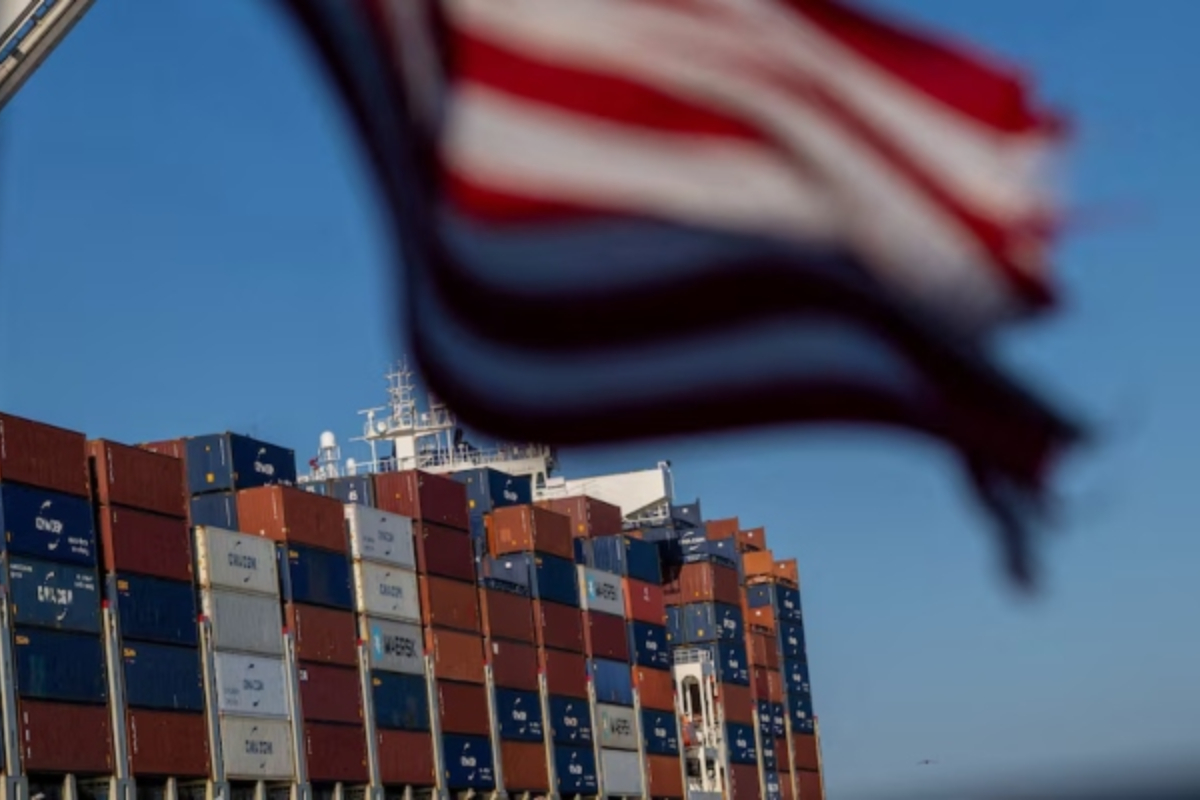
WASHINGTON: China has pledged to purchase $17 billion worth of agricultural products from the United States over the next three years, according to a fact sheet released by the White House.

The commitment was made during a meeting last week between Chinese President Xi Jinping and U.S. President Donald Trump.

The White House said the new $17 billion pledge does not include a previous commitment made in October 2025 to purchase U.S. soybeans.

The fact sheet also confirmed remarks by China’s foreign minister regarding plans to establish a U.S.-China Board of Trade and a U.S.-China Board of Investment to strengthen economic cooperation between the two countries.

Trump had earlier told reporters at the White House following his trip to China that major trade agreements had been reached and that relations between Washington and Beijing were “excellent.”

The announcement marks another sign of improving trade ties between the world’s two largest economies after years of tariff disputes and economic tensions.

US reportedly offers temporary sanctions relief on Iranian oil

US reportedly

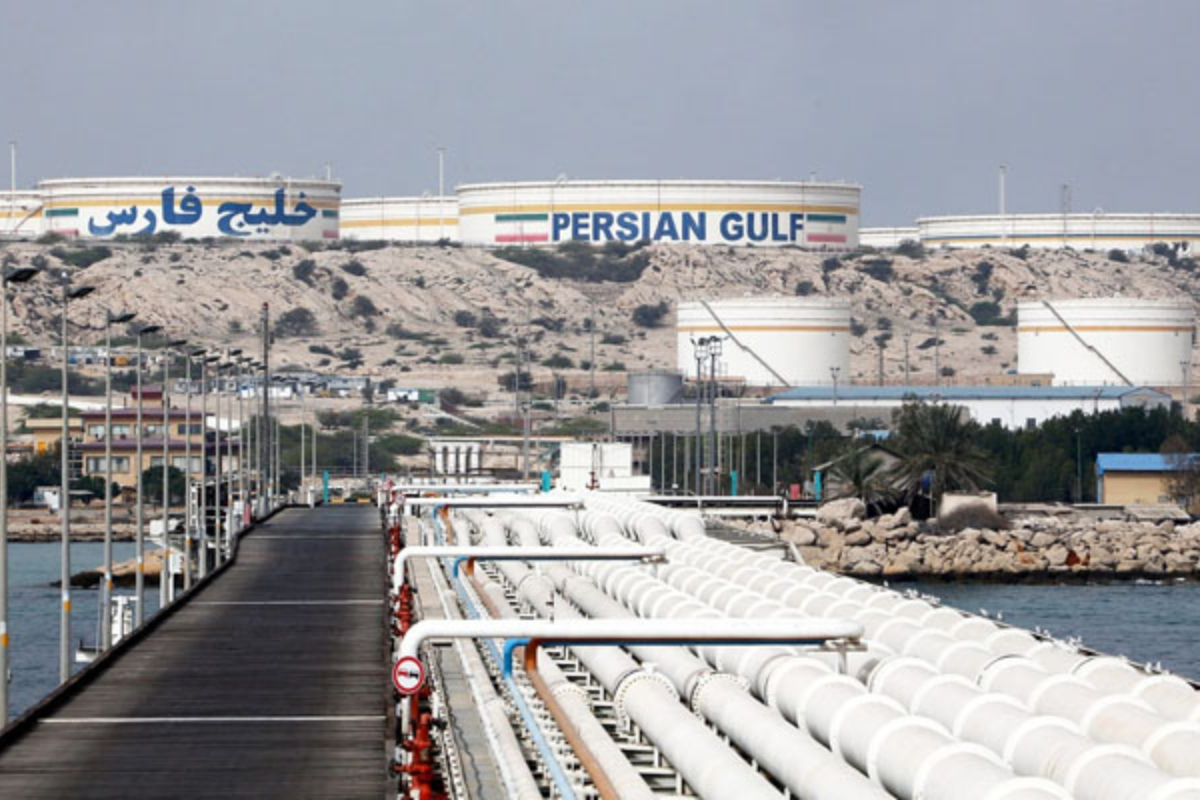
TEHRAN: The United States has reportedly offered temporary relief from sanctions on Iranian oil exports as part of efforts to secure a peace agreement with Iran and reopen the Strait of Hormuz, according to Iran’s semi-official media.

The report said the proposal was presented during indirect talks between Tehran and Washington that are being mediated by Pakistan.

A source familiar with the negotiations said the sanctions relief would not take effect immediately, but would be implemented only after a final agreement is reached.

Neither the United States nor Iran has officially confirmed the reported proposal, and both governments have yet to respond publicly.

The reported offer follows a similar move in March, when the U.S. administration temporarily eased restrictions for 30 days on seaborne purchases of Iranian oil.

That step came after Iran significantly disrupted maritime traffic in the Strait of Hormuz in response to military tensions involving the United States and Israel, contributing to a sharp rise in global oil prices.

The shift is being viewed as a significant departure from Washington’s longstanding policy of limiting Iran’s oil exports through economic sanctions.

US officials have expressed concern that prolonged increases in energy prices could hurt economic activity, businesses and consumer spending.

The International Energy Agency has warned that conflict involving the United States, Israel and Iran, combined with damage to Gulf oil facilities and disruptions in the Strait of Hormuz, could trigger one of the most severe oil supply crises in modern history.

The agency said global oil inventories are declining rapidly and may not recover until late next year.

President Trump says US will not rush exit from Iran conflict

President Trump

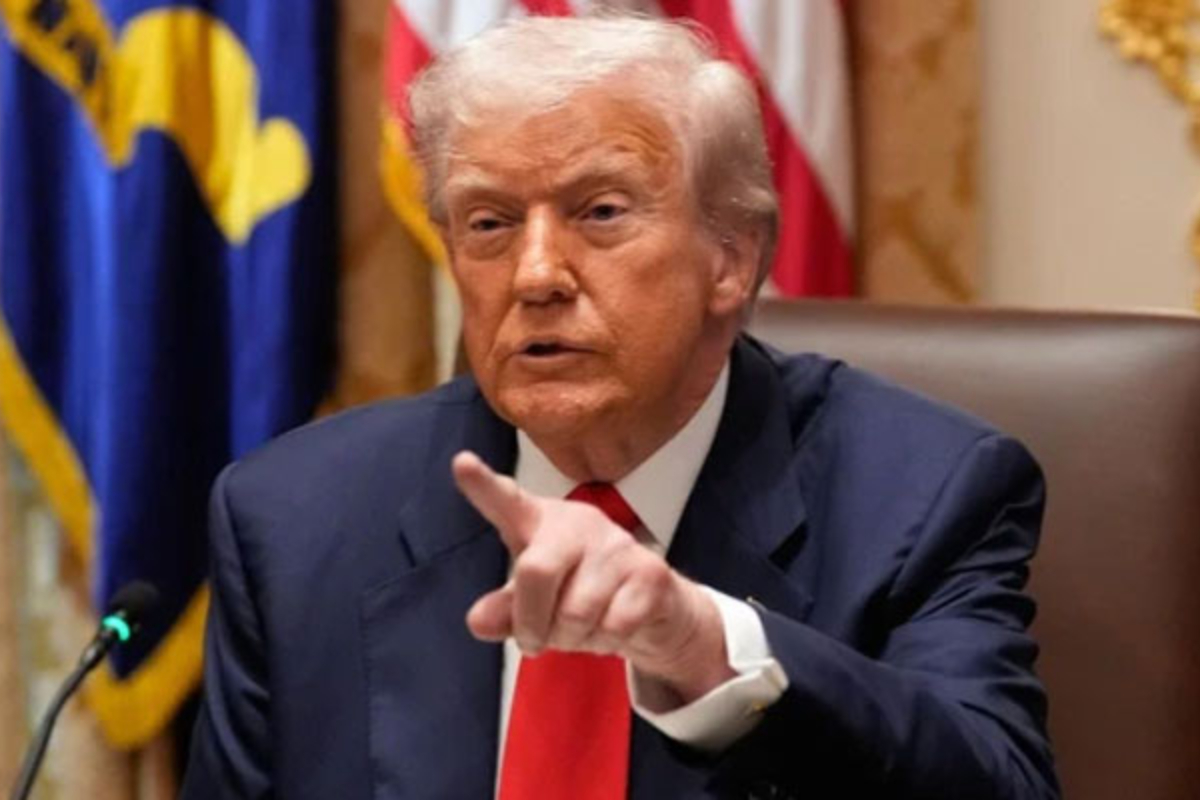
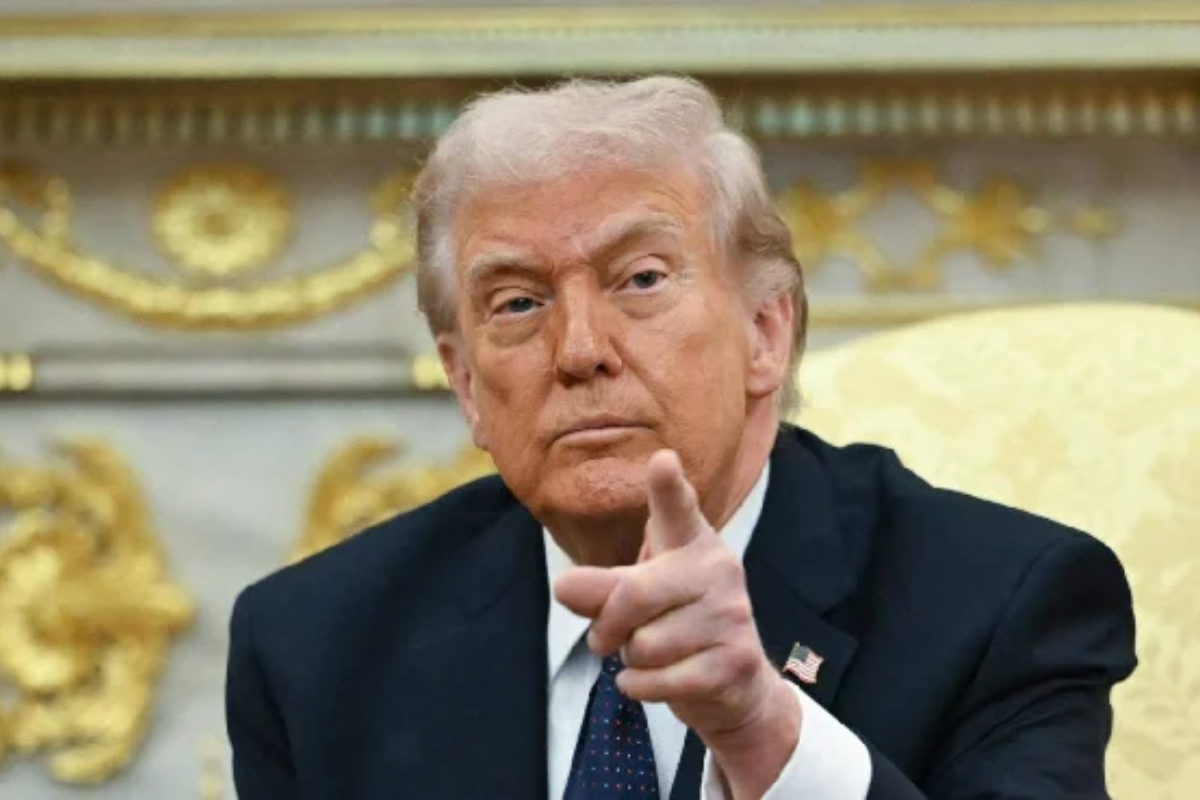
FLORIDA: US President Donald Trump has stated that the United States will not prematurely withdraw from the ongoing conflict involving Iran, warning that a hasty exit could lead to the issue resurfacing in the future.

According to reports by Reuters, Trump made the remarks while speaking in Florida, saying the US would not leave “without finishing the job” in Iran to avoid facing a similar crisis again in a few years.

He added that if the United States withdrew too quickly, the same problem could re-emerge within three years, stressing the need for what he described as a complete and long-term resolution.

Trump further stated that Washington seeks a proper solution to the Iran conflict and would not accept temporary arrangements or short-term strategies.

Although he did not specify what “finishing the job” entails, he has previously hinted at broader strategic changes, including leadership transitions in Iran.

The former president has also repeatedly described Iran’s current leadership under Supreme Leader Ali Khamenei as a threat, while earlier signaling support for regime change in Tehran.

The remarks come amid ongoing regional tensions and continued debate over the future direction of US policy toward Iran.

Iran sends negotiation proposal to US via Pakistan amid ongoing diplomatic efforts

Iran sends

TEHRAN: Iran has reportedly sent a new proposal for negotiations to the United States through Pakistani intermediaries, according to Iranian state media outlet IRNA.

The report stated that the proposal was delivered on Thursday. Earlier Iranian proposals had demanded an end to hostilities, guarantees against future attacks, and included readiness to reopen the Strait of Hormuz if maritime blockades were lifted, followed by discussions on the nuclear issue. However, those earlier proposals were rejected by the US President at the time.

News agencies reported that when asked about Iran’s use of Pakistan as a channel, the White House said it does not comment on private diplomatic communications, adding that discussions are ongoing.

Iranian Foreign Ministry spokesperson Esmail Baghaei confirmed that Pakistan is acting as the formal mediator in talks between Tehran and Washington. He said several countries are willing to assist, but Pakistan holds the official role of mediator in the process.

Baghaei added that if a formal decision is made to hold negotiations, it will be officially announced.

He also reiterated Iran’s position regarding recent tensions, calling the US seizure of an Iranian vessel “piracy at sea” and saying the matter is being raised through Pakistani mediation to secure the release of detained Iranian citizens.

Separately, he rejected US claims that recent strikes were defensive in nature, stating that the actions represented “open aggression against Iran” rather than self-defense.

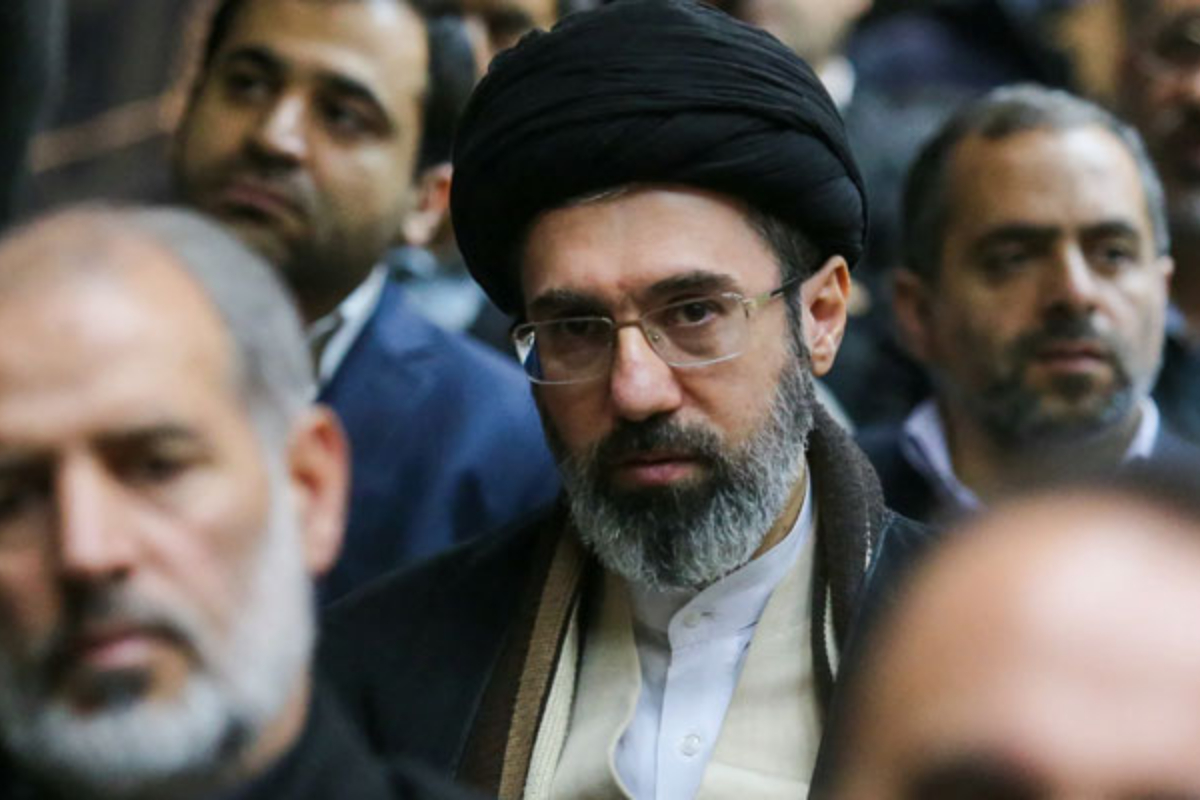
Mojtaba Khamenei says Gulf future lies without US presence

Mojtaba Khamenei

TEHRAN: Iranian Supreme Leader Mojtaba Khamenei has stated that the future of the Persian Gulf will be “bright without the presence of the United States,” asserting that regional countries share a common destiny and there is no space for foreign forces in the region.

In a message released by state media and published by Islamic Republic News Agency on the occasion of National Persian Gulf Day, Khamenei said a “new chapter” is emerging in the Strait of Hormuz following what he described as the failure of US plans after two months of regional tensions.

He described the Strait of Hormuz as a strategic waterway that has historically attracted global powers, adding that the region’s future should be shaped by its own nations. Referring to recent tensions, he claimed that Iranian forces had demonstrated resilience and vigilance.

Khamenei held US military presence responsible for instability in the region, saying American bases and allied operations have contributed to insecurity in the Gulf. He also criticized Israel alongside the US, accusing them of actions that have escalated tensions.

The Iranian leader further stressed that Iran will firmly safeguard its nuclear and missile capabilities, calling them a national asset. He said the Iranian people would defend these capabilities just as they protect their territorial integrity across land, air, and sea.

He concluded that regional peace, development, and prosperity depend on cooperation among Gulf nations without external interference.

US plans new maritime alliance to restore shipping security in Strait of Hormuz

US plans

WASHINGTON: The United States is reportedly planning to form a new international coalition aimed at restoring maritime traffic in the Strait of Hormuz, according to the Wall Street Journal.

The proposed initiative, named the “Maritime Freedom Construct (MFC)”, was referenced in a diplomatic cable sent by the US State Department to American embassies on Tuesday.

The report says US diplomats have been instructed to encourage other countries to join the alliance, which would focus on information sharing, diplomatic coordination, and enforcement of sanctions.

The plan reportedly envisions joint coordination between the State Department and the US Central Command (CENTCOM), where diplomacy would be handled by the State Department, while CENTCOM would provide real-time maritime intelligence for commercial shipping and coordinate information sharing with partner forces.

A senior US official described the proposal as one of several diplomatic and policy options available to former President Donald Trump, as Washington seeks broader international involvement in managing current and future developments in the Strait of Hormuz.

The move comes amid ongoing geopolitical tensions in the Gulf region, where maritime security and freedom of navigation remain key strategic concerns for global energy and trade routes.

US stresses privacy in sensitive diplomatic engagements with Iran

US stresses privacy

The second round of ceasefire negotiations between the United States and Iran remains stalled amid continued uncertainty, although recent statements from the White House have indicated possible diplomatic progress.

According to international media, White House Deputy Press Secretary Olivia Velez said that sensitive diplomatic discussions with Iran will not be disclosed publicly.

She added that President Donald Trump has made it clear that the United States will prioritize its own conditions in any agreement and will not accept any deal that compromises American interests.

The statement also reaffirmed Washington’s position that Iran must never be allowed to obtain nuclear weapons.

The US and Israel have repeatedly warned Iran to fully halt its uranium enrichment activities, which they believe could potentially lead to nuclear weapons development.

However, Iran maintains its long-standing position that nuclear issues are not part of its current negotiations with the United States, further complicating diplomatic efforts.