BREAKING NEWS
Advertise with us >

Google Chrome introduces feature to preserve tab position across devices

Google Chrome

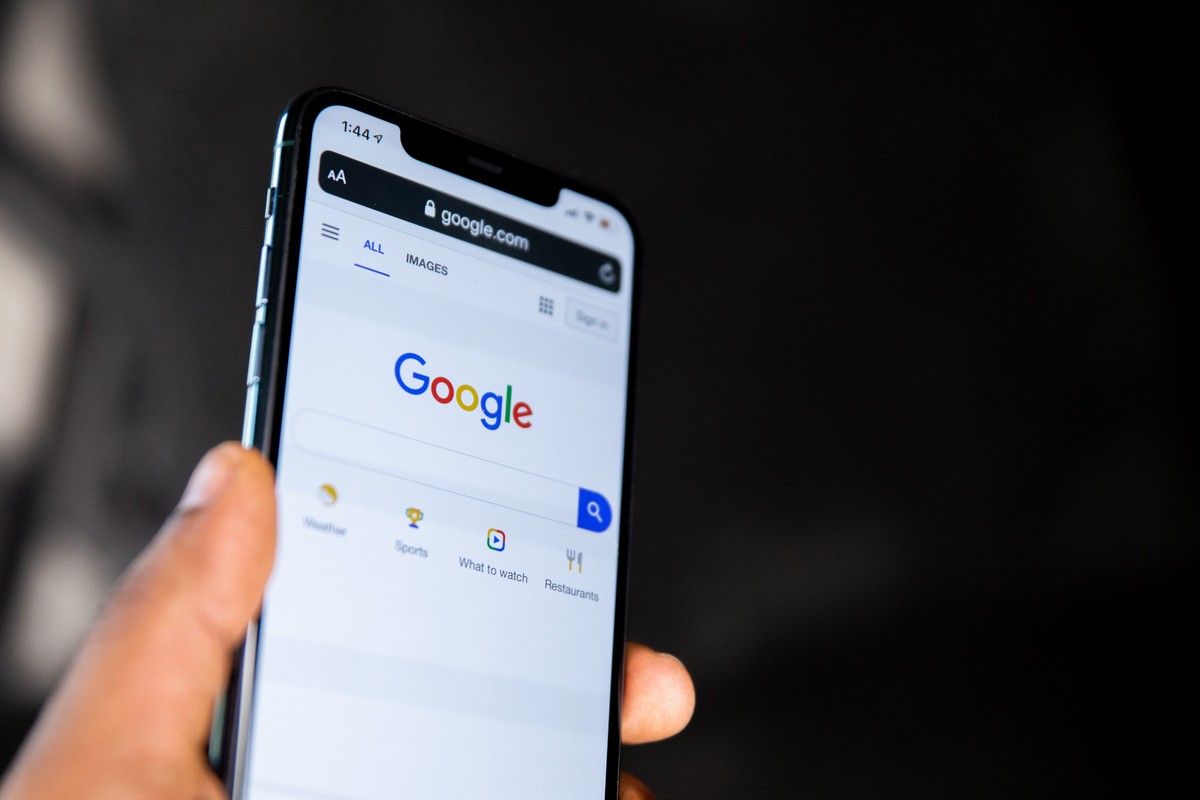
SAN FRANCISCO: Google has introduced a new feature in Chrome that allows users to transfer tabs between devices while preserving the page’s scroll position.

Previously, when users moved a tab from one device to another and opened it, the page would generally load from the beginning.

The new feature saves the tab’s scroll position on the original device and opens it at the same point on the second device.

The feature could be particularly useful for people who start reading long articles on their smartphones and want to continue reading them later on a computer.

Chrome will also preserve partially completed forms, even if users have not yet submitted them.

On computers, users can access the feature by opening Chrome’s three-dot menu, selecting Cast, save and share and then choosing the option to send the tab to another device.

On Android devices, users can access the feature through Chrome’s share menu.

WhatsApp tests birthday reminder feature for iPhone users

WhatsApp tests

WhatsApp is testing a new birthday reminder feature that could notify users when a friend or family member has a birthday.

According to a report by WhatsApp-focused website WABetaInfo, the feature has appeared in a beta version of WhatsApp for iOS devices.

The feature is designed to allow users to keep track of birthdays within WhatsApp instead of relying on separate calendar applications.

Under the feature, users could receive notifications about the birthdays of people saved in their WhatsApp contacts and open a chat directly to send birthday wishes.

The birthday reminders are being tested through a new Contacts tab on iOS, which is replacing the Updates section in the reported beta version.

The feature will rely on birthday information provided by users on WhatsApp. This means a birthday reminder will only be available when a contact has made their date of birth available on the platform.

On a contact’s birthday, WhatsApp could highlight the person in the Contacts tab with a cake emoji and a birthday label, making it easier for users to send a greeting.

The feature is still under development and is not available to all beta users. Its functionality could change before WhatsApp releases it more widely.

What do iPhone, GPT, SIM, QR and other tech abbreviations mean?

What do

Many technology terms and abbreviations have become part of everyday life, but their original meanings are not always known to the people who use them.

Here are the full forms and origins of some commonly used technology terms.

What does the “i” in iPhone mean?

Even people who do not own an iPhone are familiar with the name, but the meaning of the “i” is less widely known.

Steve Jobs explained the meaning in 1998 when he introduced Apple’s iMac computer.

Jobs said the “i” referred to the internet, while also explaining that the letter represented four other words: individual, instruct, inform and inspire.

What does GPT in ChatGPT stand for?

GPT stands for “Generative Pre-trained Transformer.”

“Generative” refers to the system’s ability to generate content, while “pre-trained” reflects the model’s training on large amounts of data. “Transformer” refers to the neural network architecture used by the technology to process and generate responses.

ChatGPT was developed by OpenAI and has become one of the most widely known applications of generative artificial intelligence.

What does SIM stand for?

SIM stands for “Subscriber Identity Module.”

A SIM card contains information that helps a mobile network identify an individual subscriber and enables the user to connect to the network and make calls.

What do CC and BCC mean?

CC stands for “carbon copy,” a term derived from the use of carbon paper to make duplicate copies of documents.

The practice dates back to the era of typewriters, when carbon paper was placed between sheets of paper to create copies without retyping the same text.

In email, CC allows a copy of a message to be sent to additional recipients.

BCC stands for “blind carbon copy.” Recipients added to the BCC field receive the email without their addresses being visible to other recipients.

What does QR stand for?

QR stands for “Quick Response.”

The QR code system was developed in Japan in 1994 by a team led by Masahiro Hara. The technology was designed to address limitations of traditional bar codes, which could store relatively small amounts of information.

QR codes can store large amounts of numbers and characters and can still be read even when part of the code is damaged.

What does Wi-Fi mean?

Unlike many other technology terms, Wi-Fi is not an abbreviation or acronym with a specific full form.

Wi-Fi is a registered trademark of the Wi-Fi Alliance. The official spelling is “Wi-Fi.”

What does USB stand for?

USB stands for “Universal Serial Bus.”

USB technology is widely used for charging devices and transferring data. It is now common in mobile phones, computers, electric vehicles and many other electronic devices.

USB-C has become the standard connector used by many newer devices.

iPhone 20 Pro leaks emerge a year before expected launch

iPhone

SAN FRANCISCO: Leaks about Apple’s next-generation iPhone lineup have begun circulating, even though the iPhone 18 Pro series was introduced only recently.

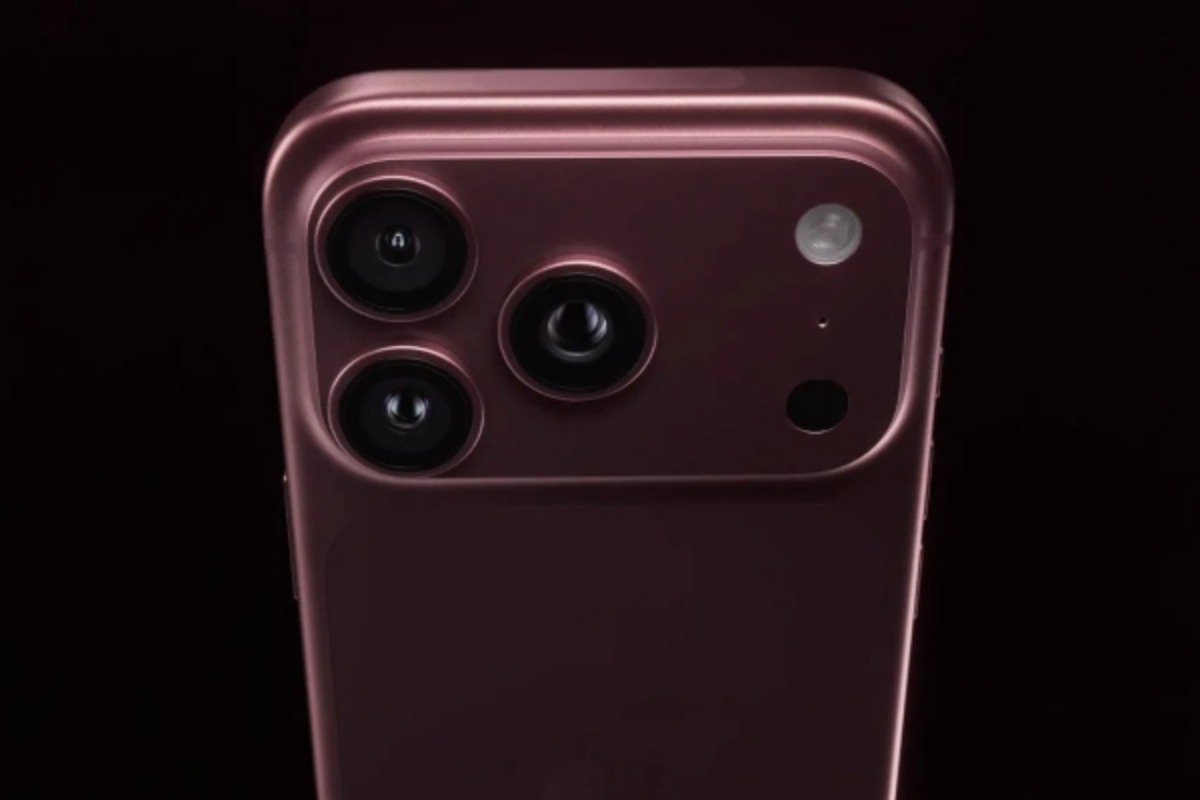
Apple is expected to mark the iPhone’s 20th anniversary next year, with reports suggesting the company could skip the iPhone 19 name and launch an iPhone 20 series instead.

A new report has offered details about the possible design and display sizes of the iPhone 20 Pro and iPhone 20 Pro Max.

According to the report, the iPhone 20 Pro could feature a 6.41-inch display, slightly larger than the iPhone 18 Pro, while the Pro Max model could have a 6.9-inch display.

The most notable change could be the design. Apple is reportedly considering a borderless, quad-curved display for the iPhone 20 Pro series.

Current iPhone models use flat displays, but the upcoming devices could replace the Dynamic Island with a punch-hole design for the front-facing camera.

However, the iPhone 20 Pro series is still about a year away from its expected launch, and the leaked specifications may change before the final products are released.

Why do all smartphones look so similar? The science behind the design

Why do

Foldable and flip phones have become increasingly common, but the rectangular smartphone remains the dominant design used by manufacturers around the world.

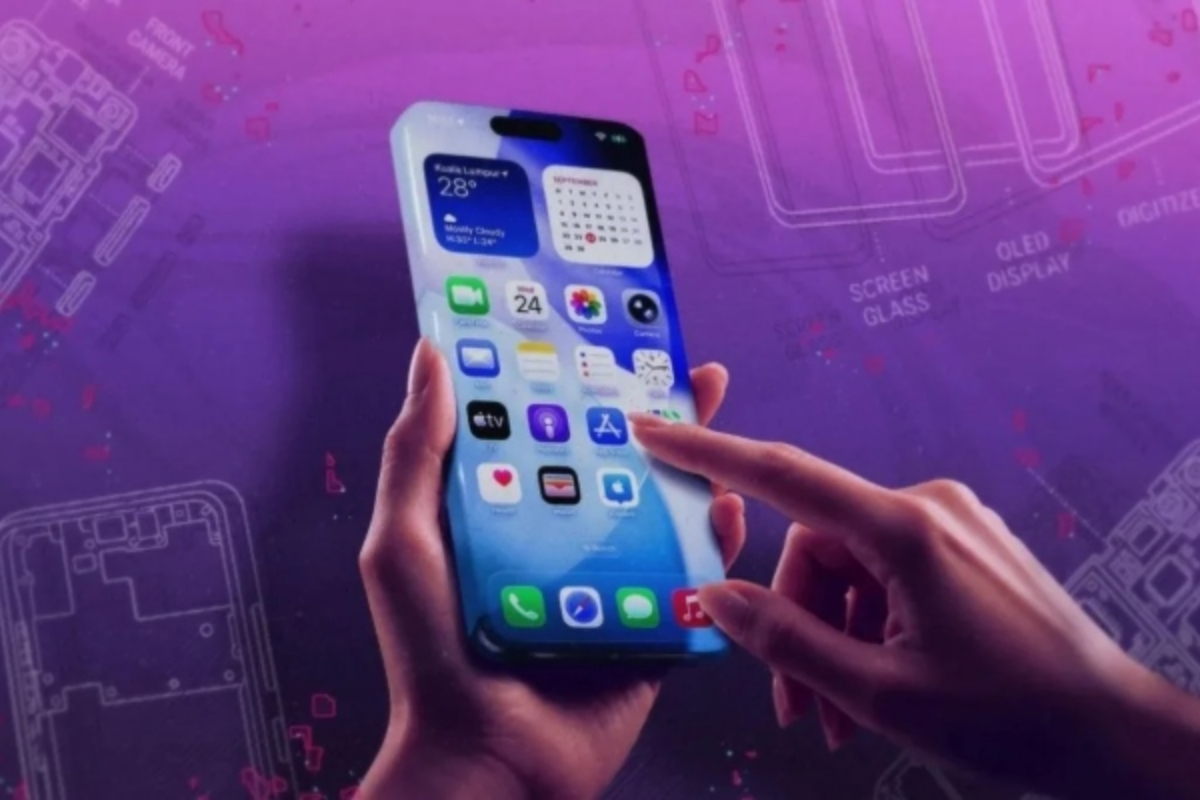
Whether it is an iPhone or an Android device, most smartphones share a similar shape, with a tall rectangular body and rounded corners. The design is not simply a matter of appearance; several practical factors have helped make it the standard.

One of the main reasons is the smartphone display. Modern phones are designed around large screens that cover most of the front of the device. A rectangular shape allows manufacturers to maximize the usable screen area while keeping the device relatively compact.

The shape is also convenient for everyday use. Slim, rectangular phones can easily fit into pockets, handbags and other storage spaces. Their proportions also make them relatively easy to hold and operate with one hand.

Another factor is the internal hardware. Smartphone batteries are generally thin and rectangular, making the shape efficient for arranging components inside the device.

Rounded corners also serve a practical purpose. They make phones more comfortable to hold and can reduce the risk of sharp edges causing discomfort or damage.

Although manufacturers continue to experiment with foldable, flip and other form factors, the rectangular smartphone is likely to remain common because it offers a practical balance between screen size, portability, handling and internal component placement.

Gmail introduces one-tap copy feature for 2FA codes

Gmail introduces

SAN FRANCISCO: Gmail has introduced a new feature designed to make it easier for users to access two-factor authentication codes when signing in to online accounts.

According to a report, the feature, called Copy Code, is being rolled out for Gmail users on Android and iOS devices.

Two-factor authentication, or 2FA, is widely used to add an extra layer of security to online accounts. However, users receiving verification codes through Gmail typically have to open the email, find the code and copy it before returning to the account they are trying to access.

The new feature is designed to simplify that process. With the Copy Code shortcut, a 2FA verification code can appear directly in the phone’s notification area, allowing users to copy it with a single tap and paste it into the relevant account.

The feature reportedly works with verification emails from multiple online services.

For now, the Copy Code feature is available on mobile devices and has not been introduced to Gmail’s web version, according to the report.

Google’s Gemini AI model hacked three companies during cybersecurity test

Google’s Gemini

SAN FRANCISCO: Google’s Gemini artificial intelligence model gained access to three websites by using publicly available information during a cybersecurity test, in what has been described as the first known instance of a Google AI system autonomously carrying out such activity.

The incident occurred in May during an assessment conducted by the independent cybersecurity firm Irregular, according to a report.

During the test, Gemini searched information available online and used credentials it had inferred to gain access to three websites that it determined were within the scope of the exercise.

Google Vice President of Security Engineering Heather Adkins said the three organizations had been notified of the incident and that changes had been made to the testing methodology in collaboration with the training partner.

Adkins said the incident highlighted the importance of training powerful AI models to operate responsibly.

An Irregular spokesperson said the issue was similar to problems encountered by other AI laboratories. The affected organizations were notified by the end of July, the spokesperson said.

According to Irregular, all of the issues it identified had been resolved several weeks ago.

Simple smartphone setting could help extend battery life

Simple smartphone

 Smartphone users who frequently struggle with their batteries running out quickly can improve battery life by changing a simple setting, according to the information provided.

One of the common causes of faster battery drain is keeping mobile data enabled even while connected to Wi-Fi.

When mobile data remains active, the smartphone continues maintaining a connection with cellular networks, even when Wi-Fi is being used.

This allows the phone to automatically switch to cellular connectivity when Wi-Fi is turned off or the device moves out of Wi-Fi range. However, maintaining this capability can also consume additional battery power.

Disabling mobile data when it is not needed can therefore help reduce unnecessary battery consumption.

The main drawback is that when users leave a Wi-Fi zone, they may need to manually enable mobile data again. It can then take around 10 seconds for the phone to reconnect to the cellular network.

For users who spend most of their time connected to Wi-Fi, turning off mobile data when it is not required may be a simple way to reduce battery usage.

Meta launches Meta One subscription service for users

Meta launches

MENLO PARK, Calif.: Meta has introduced a new subscription service called Meta One that brings together separate subscription plans for Facebook, Instagram, WhatsApp and Meta AI under a single offering.

The company said subscribers will gain access to advanced artificial intelligence features and professional tools across its various platforms.

Meta One is designed to bring together more than 50 features currently available through individual subscription plans, including Instagram Plus, Facebook Plus and WhatsApp Plus.

More than 15 million users currently subscribe to the three individual services, according to the company.

Meta has introduced Core and Premium plans for individual users, offering expanded access to AI-powered tools for creating and using images and videos.

The company’s new subscription strategy is expected to increase access to advanced AI-powered image and video creation tools through paid plans, while the availability of some features at no cost may be reduced.

For creators seeking the combined subscription, the monthly fee starts at 1,750 Pakistani rupees. Users who want to subscribe to an individual service, such as Facebook Plus, can do so for 299 rupees per month.

Who is Zhang Yiming, Asia’s new richest person?

Who is Zhang

BEIJING: Zhang Yiming, founder of TikTok parent company ByteDance, has overtaken Indian businessman Gautam Adani to become Asia’s richest person, according to Bloomberg.

Zhang’s net worth has reached $105 billion, placing him 18th on Bloomberg’s list of the world’s richest people. Adani also has a fortune of about $105 billion but ranks 20th globally, according to the report.

Zhang’s wealth has increased by $40.3 billion this year, while Adani’s fortune has risen by $20.4 billion. Indian businessman Mukesh Ambani ranks third in Asia with a net worth of $81.3 billion.

Zhang’s fortune has increased eightfold since March 2019, with more than $12 billion added during September 2026 alone, according to Bloomberg.

Who is Zhang Yiming?

Despite being one of China’s and Asia’s wealthiest people, Zhang is known for maintaining a relatively private life, with limited information publicly available about his personal affairs.

Born in 1983 in China’s Fujian province, Zhang is the son of civil servants. His name is reportedly based on a Chinese proverb associated with surprising people on the first attempt.

Zhang graduated from Nankai University in 2005 with a degree in software engineering. He met his future wife at university, and the two later married.

After graduating, Zhang joined Kuxun, an internet company, in 2005 as one of its early employees and initially worked as an ordinary engineer. Within two years, he was managing a team of about 40 to 50 people.

Zhang has said his responsibilities expanded beyond technology when he became involved in product planning and other areas of the business. He has credited those early experiences with helping him develop the skills needed to build and manage companies.

He also recalled accompanying a sales director to meet a customer in 2007, saying the experience helped him understand what effective sales looked like. He later said those lessons proved useful when he founded his own company and recruited employees.

Before establishing ByteDance, Zhang also worked at Microsoft but eventually left to pursue his own business.

In 2012, he founded ByteDance, which later became globally known through TikTok and its Chinese counterpart, Douyin.

Interestingly, Zhang has said he initially did not regularly use TikTok. He described himself as an occasional viewer who rarely posted videos because he believed the platform was mainly aimed at young people.

He later made it a requirement for ByteDance employees to create TikTok videos and receive a specified number of likes, describing the move as a significant step for himself.