BREAKING NEWS
Advertise with us >

Global Tech Trends 2025: What Pakistan’s Digital Economy Can Learn

Global Tech, AI, Digital Economy, Fintech, Innovation 2025


From AI governance to green computing, the world’s biggest tech trends of 2025 offer a roadmap for how Pakistan can accelerate its digital transformation.


The year 2025 is defining a new global tech era — one shaped by artificial intelligence, climate tech, and data-driven innovation. Across the U.S., Europe, and Asia, companies are investing billions in technologies that make economies smarter, faster, and more sustainable. For Pakistan, these shifts present valuable lessons and opportunities for growth.

Industry analysts highlight five global trends that Pakistan’s digital economy must align with:


1️⃣ AI for Public Sector Efficiency – Governments worldwide are adopting AI to streamline services and policymaking. Pakistan’s provincial departments can replicate these models to improve governance and reduce red tape.
2️⃣ Climate Tech Startups – With sustainability at the forefront, global tech giants are moving toward renewable and circular systems. Pakistani startups in green energy and recycling are beginning to mirror this shift.
3️⃣ Fintech Evolution – The rise of open banking, e-wallets, and digital currencies globally underscores the need for Pakistan’s financial regulators to speed up digital inclusion reforms.
4️⃣ Remote Work & Skill Tech – Hybrid work, digital education, and skill-based hiring are redefining how economies function — creating new employment pathways for Pakistan’s youth.
5️⃣ Cybersecurity & Data Protection – As data breaches rise globally, Pakistan’s IT sector must prioritize stronger privacy laws and cyber resilience frameworks.

Experts from the Global Innovation Index note that developing economies that adapt these lessons early will capture future growth. For Pakistan, bridging policy gaps and investing in tech education are the keys to joining the digital mainstream.
Green Energy Startups Lead Pakistan’s Sustainability Revolution

Green Energy, Startups, Renewable Pakistan, Climate Innovation, Solar Power


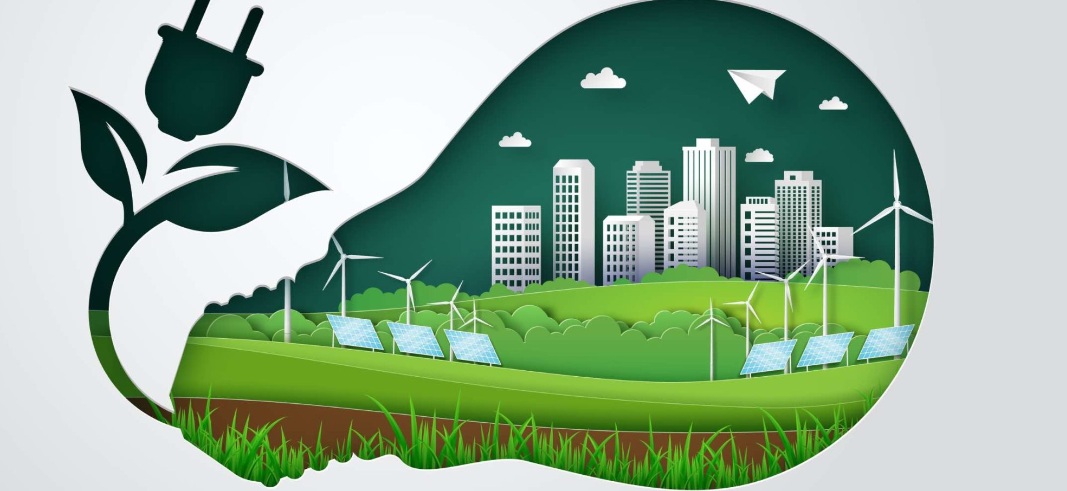
As Pakistan faces energy and climate challenges, a new wave of startups is driving the shift toward solar, wind, and sustainable innovation — blending technology with impact.


Pakistan’s green energy sector is witnessing an inspiring transformation in 2025. Young entrepreneurs are building startups focused on renewable energy, sustainable agriculture, and carbon reduction technologies. From solar rooftops in Karachi to wind farms in Sindh, clean energy innovation is now seen as both a moral responsibility and a profitable business model.

According to a report by the Pakistan Council of Renewable Energy Technologies (PCRET), more than 150 green startups have launched in the past three years, many backed by international climate funds and local venture capital. These ventures are helping businesses and households transition to affordable solar power systems, efficient lighting, and sustainable waste management solutions.

Companies such as ZSolar, RenewPak, and EcoCharge are leading the way, providing smart-grid solutions and hybrid energy systems for industries struggling with power shortages. Meanwhile, universities like NUST and Habib University are encouraging student-led innovation with energy incubation programs.

Experts say that Pakistan’s renewable sector could create over 100,000 new jobs by 2030, if supported by clear policies and incentives. For a country vulnerable to climate change, the rise of green startups signals hope — a movement that merges entrepreneurship with environmental consciousness.

Fintech Revolution: How Digital Banks Are Changing Pakistan’s Economy

Fintech Pakistan, Digital Banks, SBP, Financial Inclusion, Economy 2025


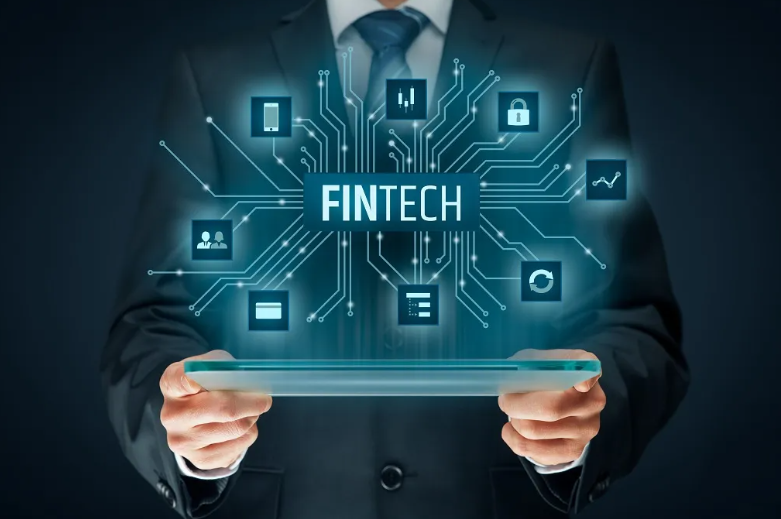
Pakistan’s new wave of digital banks is transforming financial access, driving inclusion, and redefining how millions save, spend, and invest.


Pakistan’s fintech landscape is evolving rapidly in 2025 as fully digital banks begin to reshape the country’s financial ecosystem. Licensed by the State Bank of Pakistan, these digital-first institutions are introducing seamless mobile banking, faster credit approvals, and low-fee financial services for individuals and small businesses.

Startups such as Sadapay, NayaPay, and Easypaisa are leading this revolution by integrating modern digital tools, biometric verification, and AI-based customer support. As a result, over 20 million Pakistanis now use digital wallets — a milestone that signals a major shift from cash dependency to digital transactions.

Economists believe this transformation could add billions to the national GDP over the next few years. “Fintech is more than convenience — it’s a foundation for inclusive growth,” said an analyst from Business Recorder. Rural areas, previously underserved by traditional banks, are gaining new access to digital credit and remittance options.

However, experts warn that cybersecurity, digital fraud, and low financial literacy remain challenges. The State Bank’s new Fintech Regulatory Sandbox aims to balance innovation with safety, ensuring growth without compromising trust.

Startup Funding 2025: Pakistani Entrepreneurs Attract Global Investors

Pakistan Startups, Venture Capital 2025, Business, Fintech, Economy


After a quiet 2023–24, Pakistan’s startup scene is showing signs of recovery as investors from the Middle East and Southeast Asia return with renewed confidence.


Pakistan’s startup ecosystem is regaining momentum in 2025, with global investors eyeing opportunities in fintech, logistics, and e-commerce. Following a slowdown driven by global inflation and currency pressure, venture funding is slowly returning — led by investors from the UAE, Saudi Arabia, and Singapore.

Pakistan Startups, Venture Capital 2025, Business, Fintech, Economy

Analysts say the turnaround is being driven by improved policy clarity, better digital payment infrastructure, and new government incentives for technology exports. “The fundamentals of Pakistan’s digital economy remain strong — a young population, high smartphone penetration, and growing digital adoption,” noted a Karachi-based VC partner.

Notably, startups such as Bazaar Technologies, Sadapay, and Truck It In have secured follow-on funding rounds this year, while new players in green tech and agriculture are attracting attention. Experts predict total startup investment could cross $150 million in 2025 if macroeconomic stability continues.

While challenges such as currency volatility and taxation remain, entrepreneurs are optimistic. Many believe the next growth phase will come from partnerships between Pakistani founders and regional investors rather than dependence on Western VC funds.

Tech Trends Entrepreneurs Must Watch in Pakistan in 2025

tech trends, Pakistan 2025, AI startups Pakistan, fintech Pakistan, renewable energy startups Pakistan

What tech entrepreneurs in Pakistan should focus on now


As the entrepreneurial landscape evolves in Pakistan, three major technology trends are standing out as high-potential for start-ups and entrepreneurs in 2025: AI & automation, fintech & digital payments, and renewable-energy tech integration.


According to a report by tech-analytics portal DigiIT, artificial intelligence and machine learning adoption are no longer optional. Companies in Pakistan are integrating chatbots, predictive analytics and automation to reduce costs and improve service.

Fintech and digital banking have also surged: as smartphone penetration climbs (~85 % in 2025), mobile wallets, QR payments and buy-now-pay-later (BNPL) models are gaining traction.


Meanwhile, Pakistan’s energy challenges are creating a fertile ground for start-ups in renewable energy and sustainable tech.

Businesses offering solar-installations, smart grid solutions or IoT energy-management systems are emerging.
For entrepreneurs, the implication is clear: Aligning start-up ideas with these tech trends increases relevance and investor appeal.

For example:

• AI-driven logistics start-ups that optimise last-mile delivery

• Fintech platforms that serve under-banked or remittance-heavy populations

• Energy-tech firms enabling solar-plus-storage in urban or rural Pakistan


Yet challenges remain. Many start-ups cite infrastructure gaps (unreliable power, slower internet), regulatory ambiguity around fintech and data-privacy, and talent shortages in advanced AI skills.


In this environment, entrepreneurs who differentiate by combining technology with local market insight will have an edge. Consider partnerships with universities, leverage government incentives or incubators, and build lean MVPs before scaling.


Overall, the message for 2025: Technology is not just about building another app—it’s about solving real business and social problems using tech that is accessible, scalable and locally relevant.

The State of Startup Funding in Pakistan: What’s Changing in 2025

Pakistan ,startup, funding ,2025, Pakistan, venture ,capital, startup ecosystem ,Pakistan, hybrid financing ,startups Pakistan

Pakistan startup funding falls but ecosystem matures

Pakistan ,startup, funding ,2025, Pakistan, venture ,capital, startup ecosystem ,Pakistan, hybrid financing ,startups Pakistan


Pakistan’s startup ecosystem is experiencing a shift in 2025. Although the numbers show a slowdown, many analysts believe this represents maturation rather than collapse. According to a recent report by Invest2Innovate (i2i), disclosed funding in Q3 2025 stood at US$15.2 million across six deals, a steep drop from roughly US$58 million in Q2.


The largest raise that quarter was by Trukkr (logistics), which secured US$10 million through a hybrid equity-and-debt structure. Investors note that the number of deals may be smaller, but the ecosystem is diversifying: fintech, Web3, fashion and mobility deals all featured.


Why the slowdown? Several factors: global venture capital is tighter post-pandemic; Pakistan’s macroeconomic headwinds (currency instability, inflation, regulatory uncertainty) make investors cautious; and start-ups themselves are pivoting toward sustainable business models rather than growth-at-all-cost.


“Founders are choosing hybrid financing — convertible notes, equity-plus-debt — to reduce dilution and risk,” the i2i report noted. This is a sign the market is maturing, emphasising resilience over hype.


However, the drop in funding underscores serious challenges. Early-stage start-ups still struggle to secure funding beyond seed rounds, while growth-stage funding remains scarce.

The gender-funding gap remains visible: women-led start-ups receive smaller checks on average.
What should founders and policy-makers do? First, focus on building strong unit economics and export-oriented models to appeal to global investors.

Second, leverage government initiatives like the Pakistan Startup Fund (PSF) and incubators to de-risk early stages. Third, embrace hybrid financing models and structured debt to extend runway.


For Pakistan’s ecosystem, this period of lower funding is not necessarily a downturn—it may be a “spring cleaning” phase toward sustainable growth. Founders who prioritise product-market fit, revenue generation and capital efficiency will emerge stronger.