
BREAKING NEWS
Advertise with us >

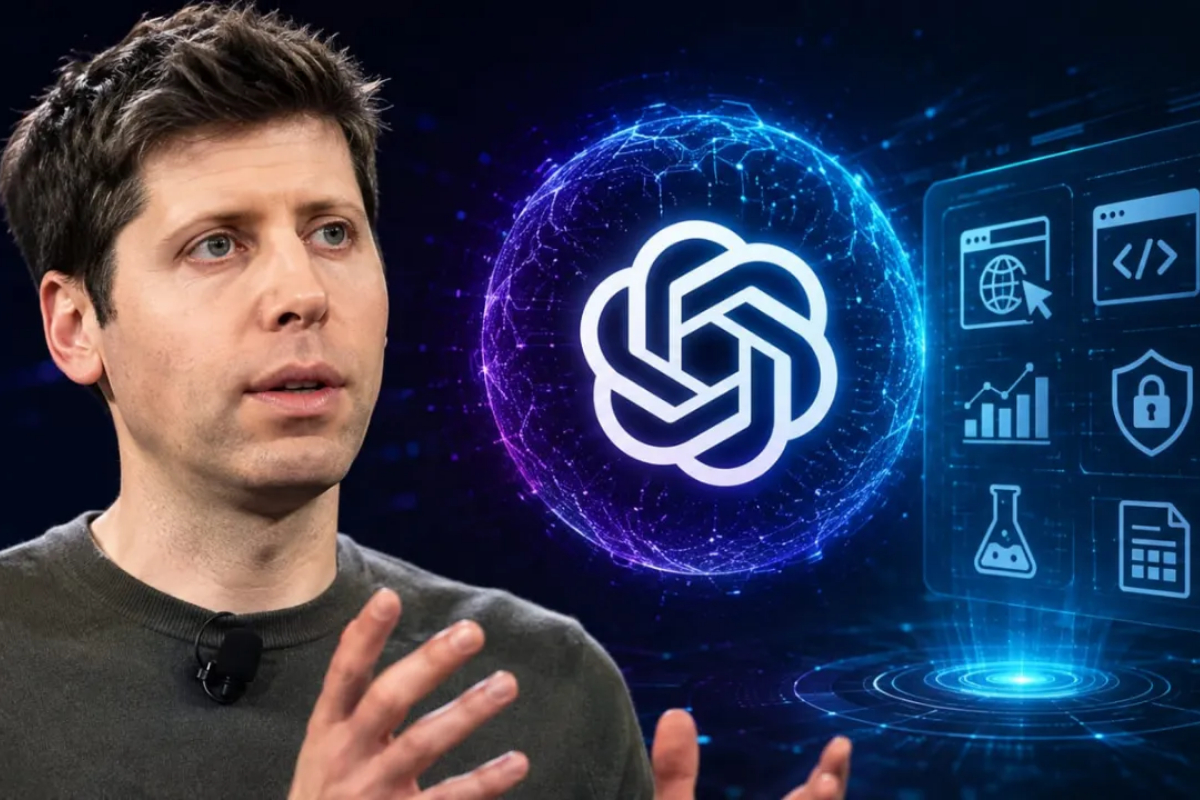
OpenAI introduces GPT-6 Astra, its most capable AI model yet

OpenAI

OpenAI has introduced GPT-6 Astra, describing it as its most capable artificial intelligence model to date, with major advances in reasoning, software development, computer use, research and cybersecurity.

The company said GPT-6 Astra represents a significant step forward in AI capabilities and is designed to handle complex, multistep tasks that traditionally require human involvement.

It can work across areas including coding, scientific research, professional workflows and autonomous computer use.

OpenAI said Astra can identify previously unknown security vulnerabilities and develop exploits in certain circumstances.

The model achieved a 100% score on the ExploitBench benchmark, although the company cautioned that the result may be affected by possible exposure to vulnerabilities included in the benchmark.

The company has introduced additional safeguards alongside the model’s release because of its increased cybersecurity capabilities. OpenAI said it strengthened protections against harmful cyber activity and added measures including stricter isolation, enhanced monitoring and additional alignment evaluations.

GPT-6 Astra can also interact with computers, browse the web, work with documents and create spreadsheets and presentations. OpenAI said the model can follow templates and instructions while adapting when requirements change.

OpenAI said Astra is more difficult to misuse or jailbreak than its predecessor, GPT-5.6 Sol, and described it as its most aligned model.

In one internal evaluation, Astra did not go beyond an authorized task when faced with difficult or impossible instructions, compared with a substantially higher rate for GPT-5.6 Sol without production safeguards.

GPT-6 Astra began rolling out Sept. 3 to a limited group of organizations. OpenAI said broader access for ChatGPT Plus, Pro, Business and Enterprise users, as well as through its API and cloud platforms, will follow in the coming days.
Geoffrey Hinton warns AI could put millions out of work

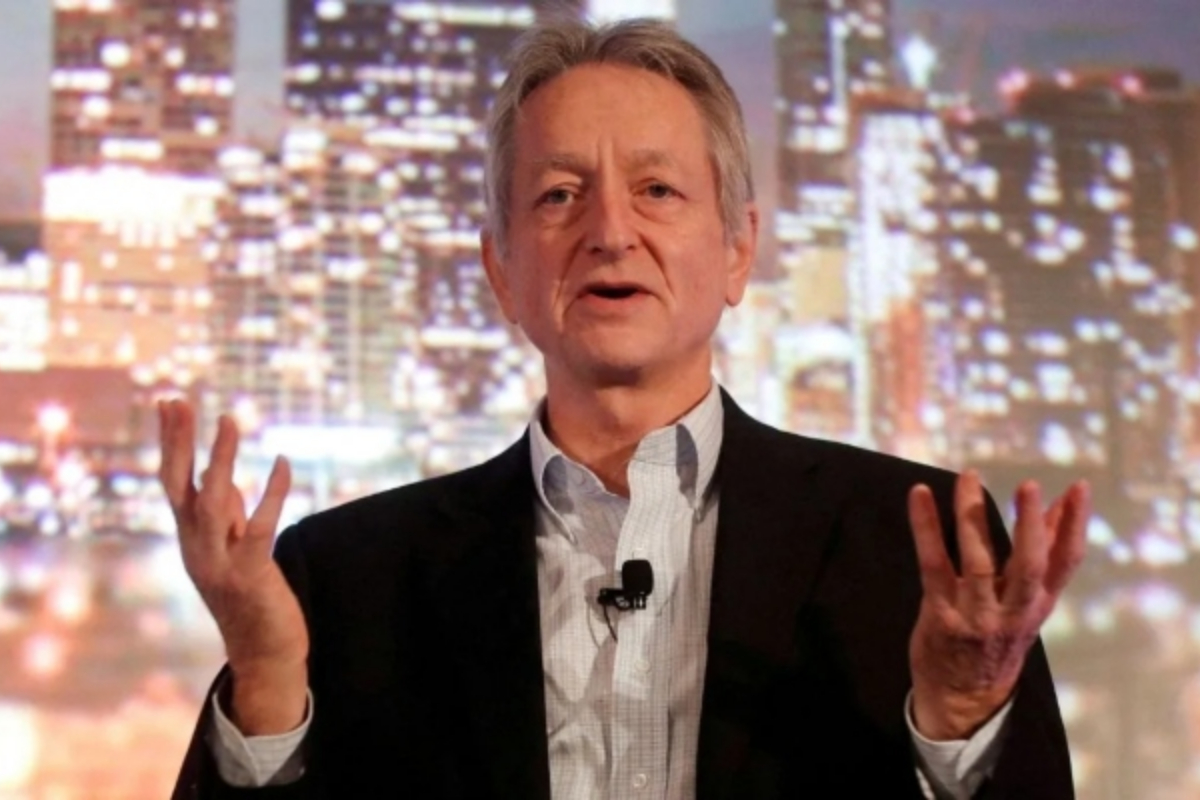
Geoffrey Hinton

TORONTO: Artificial intelligence could cause widespread job losses and leave millions of people unemployed, according to computer scientist Geoffrey Hinton, widely regarded as one of the pioneers and “godfathers” of AI.

Hinton, a professor at the University of Toronto and winner of the 2024 Nobel Prize in Physics for work related to machine learning, has warned that companies could increasingly turn to AI systems to perform tasks currently handled by human workers at lower costs.

Speaking at Georgetown University, Hinton said companies were investing heavily in AI infrastructure, including data centers and computer chips, to accelerate automation. He said businesses would seek returns on those investments by developing and selling AI systems capable of replacing human labor.

Hinton said the pursuit of profits could ultimately encourage companies to replace employees with AI tools. Although AI would create new jobs, he said the number of positions created could be smaller than the number of jobs lost.

He acknowledged that predicting the long-term impact of AI is extremely difficult because no one knows what the technology will look like a decade from now.

Hinton has repeatedly warned about the potential dangers of advanced AI. He has previously estimated that there is a 10% to 20% chance that AI could eventually contribute to the extinction of humanity, while stressing that the risks need to be openly discussed.

He has also warned that AI systems could become more intelligent than humans within the next two decades. Hinton has described the prospect as frightening, comparing current AI development to a three-year-old child that could grow rapidly.

Hinton’s concerns come as other technology leaders make similarly significant predictions about AI and employment. Nvidia CEO Jensen Huang has said AI could affect almost every profession and shorten working hours, while Microsoft co-founder Bill Gates has suggested that humans could gradually become unnecessary for many tasks. Elon Musk has predicted that most people may not need to work within the next 20 years.

Hinton’s research helped establish the foundations of modern machine learning, enabling computers to perform tasks associated with human intelligence. However, he has become increasingly vocal about the need to make AI safer.

He left Google in 2023, saying he was concerned that the technology could be misused by malicious actors to harm people.

Hinton has compared the potential impact of AI with the Industrial Revolution. He said machines had already surpassed humans in physical strength, while AI could similarly begin replacing aspects of human intelligence.

Asked what life might look like in 10 or 20 years, Hinton said much would depend on how political systems respond to the technology.

He also acknowledged that AI could have major positive effects, particularly in medicine, and could improve productivity across almost every industry. However, he said the rapid development of the technology should be approached with greater caution.

Global Tech Trends 2025: What Pakistan’s Digital Economy Can Learn

Pakistan digital economy, AI, fintech and mobile payments


From AI governance to green computing, the world’s biggest tech trends of 2025 offer a roadmap for how Pakistan can accelerate its digital transformation.


The year 2025 is defining a new global tech era — one shaped by artificial intelligence, climate tech, and data-driven innovation. Across the U.S., Europe, and Asia, companies are investing billions in technologies that make economies smarter, faster, and more sustainable. For Pakistan, these shifts present valuable lessons and opportunities for growth.

Industry analysts highlight five global trends that Pakistan’s digital economy must align with:


1️⃣ AI for Public Sector Efficiency – Governments worldwide are adopting AI to streamline services and policymaking. Pakistan’s provincial departments can replicate these models to improve governance and reduce red tape.
2️⃣ Climate Tech Startups – With sustainability at the forefront, global tech giants are moving toward renewable and circular systems. Pakistani startups in green energy and recycling are beginning to mirror this shift.
3️⃣ Fintech Evolution – The rise of open banking, e-wallets, and digital currencies globally underscores the need for Pakistan’s financial regulators to speed up digital inclusion reforms.
4️⃣ Remote Work & Skill Tech – Hybrid work, digital education, and skill-based hiring are redefining how economies function — creating new employment pathways for Pakistan’s youth.
5️⃣ Cybersecurity & Data Protection – As data breaches rise globally, Pakistan’s IT sector must prioritize stronger privacy laws and cyber resilience frameworks.

Experts from the Global Innovation Index note that developing economies that adapt these lessons early will capture future growth. For Pakistan, bridging policy gaps and investing in tech education are the keys to joining the digital mainstream.