BREAKING NEWS
Advertise with us >

Nursing – The True Strength of Humanity, Service, and the Healthcare System

Nursing

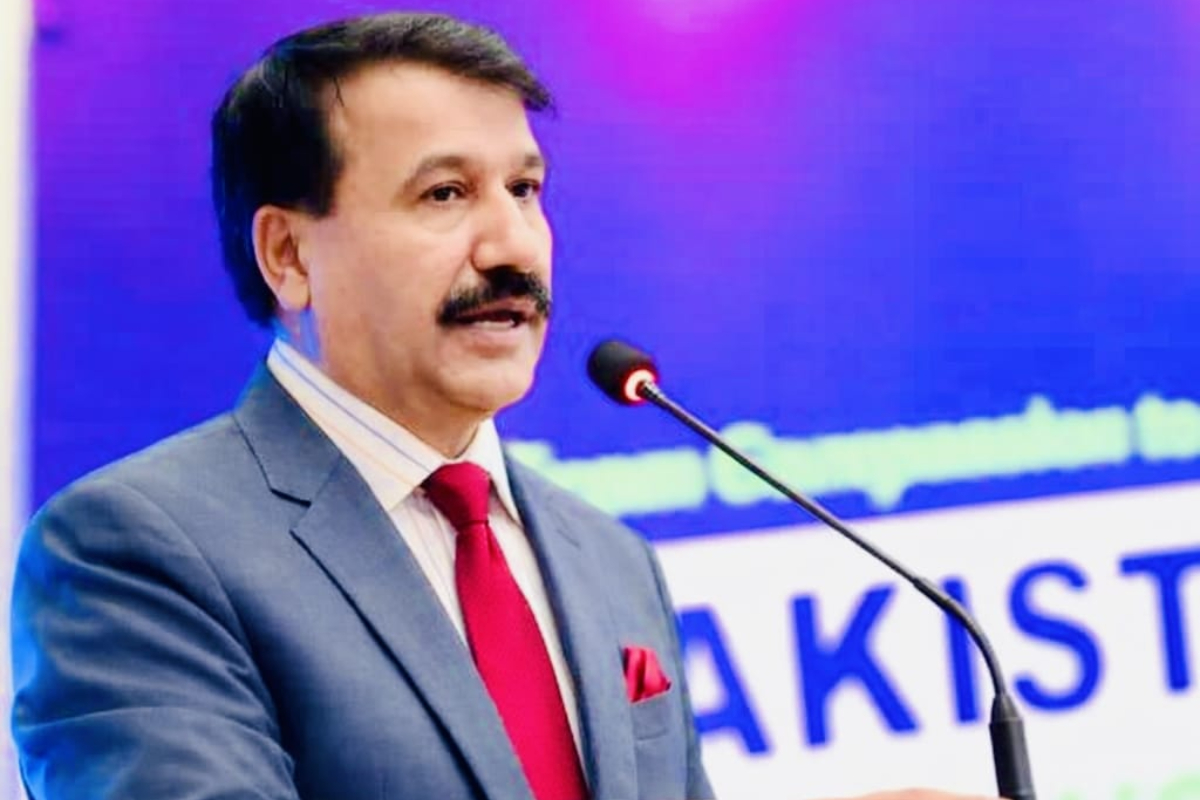
Written by Aijaz Ali Kaleri, Ex-President Young Nurses Association

Every year on May 12, the world observes International Nurses Day, while in Pakistan the period from May 6 to May 12 is widely recognized as “Nurses Week.” This occasion is not merely ceremonial; it serves as a global reminder of the indispensable role nurses play in healthcare systems and in the service of humanity.

The purpose of this day is not only to honor nurses but also to reaffirm a fundamental truth: nursing is the backbone of healthcare. Nurses are the professionals who stand at the heart of patient care, ensuring continuity, compassion, and clinical excellence in every healthcare setting.

Nursing: A Sacred and Humanitarian Profession

Nursing is far more than a profession or duty it is a sacred commitment rooted in dignity, empathy, and humanity. Globally, it is acknowledged as the “backbone of the healthcare system,” as no hospital, clinic, emergency unit, ICU, operating theatre, or community health program can function effectively without the dedicated services of nurses.

A nurse is often the healthcare professional closest to the patient. While physicians diagnose and prescribe treatment, nurses are responsible for implementing care plans, monitoring patient conditions, administering medications, managing pain, ensuring infection control, and providing emotional and psychological support. They also educate patients and families, safeguard dignity, and sustain hope during critical illness.

In essence, nurses serve not only as caregivers but also as educators, counselors, advocates, researchers, administrators, and leaders within the healthcare ecosystem.

Global Contribution and Frontline Role

Nurses contribute across all dimensions of healthcare globally from maternal and child health to intensive care units, emergency departments, surgical theatres, oncology, mental health services, community outreach, immunization campaigns, disaster response, and health education.

Their contribution became even more evident during the COVID-19 pandemic, when nurses worldwide risked their lives to care for patients under extreme conditions. This unwavering dedication firmly established nursing as one of the most respected and essential professions in the world.

Challenges Facing Nursing in Pakistan

Despite its critical importance, the nursing profession in Pakistan continues to face longstanding challenges. Issues related to recognition, professional dignity, autonomy, career progression, and inclusion in policymaking remain largely unresolved.

Many administrative and policy decisions affecting nursing are still made without adequate representation from experienced nursing professionals, limiting the effectiveness of reforms and weakening institutional understanding of the profession’s real needs.

Moreover, outdated perceptions of nursing as a limited or auxiliary role no longer reflect reality. Today, nursing is a highly specialized and academically advanced field.

Pakistan now has qualified professionals holding BSN, Post-RN, MSN, MSPH, and PhD degrees, actively contributing to clinical practice, education, research, hospital administration, and health policy. Modern nursing practice is increasingly guided by evidence-based approaches aimed at improving patient safety and care outcomes.

Systemic Gaps and Institutional Reform

Despite professional advancement, critical issues persist, including inadequate service structures, weak promotion pathways, salary disparities, and challenging working conditions.

The absence of internationally recommended nurse-to-patient ratios in many hospitals places immense pressure on nursing staff and directly impacts the quality of patient care.

Nevertheless, nurses continue to perform their duties with resilience, professionalism, and unwavering commitment.

At the national level, there is an urgent need to strengthen key nursing institutions and ensure that leadership roles are filled on the basis of merit, competence, and professional integrity. Inclusion of experienced and qualified nursing professionals in policymaking bodies is essential for meaningful reform and sustainable progress.

A Call for National Priority and Reform

The Government of Pakistan, along with provincial authorities, must declare nursing a national priority. This includes improving the quality and capacity of nursing education institutions, expanding modern training opportunities, promoting research, and ensuring safe and respectful working environments for healthcare workers.

Additionally, internationally standardized service structures and promotion systems must be introduced to enhance professional growth and motivation within the sector.

Responsibility of the Nursing Community

Alongside institutional reforms, the nursing community itself must also play an active role in strengthening professional unity, ethical standards, academic excellence, research culture, and leadership development.

Nursing should not be viewed merely as employment, but as a national service and a lifelong professional mission. When nurses themselves uphold the dignity and identity of their profession, society and institutions naturally respond with greater recognition and respect.

Conclusion

On this International Nurses Day, we must collectively reaffirm our commitment to strengthening the dignity, autonomy, and professional identity of nursing. A strong nursing workforce is not only essential for patient care but also fundamental to a safe, effective, and resilient healthcare system.

Nursing is, and will always remain, the true strength of humanity and the foundation of healthcare.

Ramadan: A Month of Transformation for Youth

Ramadan: A Month of Transformation for Youth

By: Sabahat Sikander

The Sacred Significance of Ramadan

Ramadan, the ninth month of the Islamic calendar, holds immense spiritual importance for Muslims around the world. It is the month in which the Holy Qur’an was revealed to Prophet Muhammad (peace be upon him). During this sacred period, Muslims observe fasting from dawn to sunset, increase their acts of worship, engage in charity, and practice self-discipline.

For young people in particular, Ramadan offers a unique opportunity to cultivate lifelong habits that strengthen physical, psychological, and spiritual well-being.

Understanding Ramadan as a Holistic Development Opportunity

Ramadan is not merely about abstaining from food and drink; it serves as a comprehensive training program for the body, mind, and soul. For youth—who are in their most energetic and formative years—the month can become a structured period for self-improvement. With conscious planning and sincere intention, Ramadan can transform from ritual observance into a life-shaping experience.

Physical Health Enhancement during Ramadan through Balanced Nutrition and Smart Eating Habits

Ramadan presents an opportunity for young individuals to correct unhealthy eating patterns. Rather than overeating at Iftar, they are encouraged to consume balanced meals that include proteins, complex carbohydrates, healthy fats, fruits, and vegetables.

Following the Sunnah by breaking the fast with dates and water promotes moderation and supports digestive health. Proper hydration between Iftar and Suhoor is equally essential. Avoiding excessive sugary beverages and processed foods helps maintain steady energy levels throughout the fasting day.

Maintaining Physical Activity

Ramadan should not become a month of inactivity. Light to moderate exercise—such as walking, stretching, or gentle workouts after Iftar—can improve stamina and metabolism. Establishing sustainable fitness routines during Ramadan can lead to long-term health benefits.

Improved Sleep Discipline

By organizing daily schedules around prayers such as Taraweeh and Suhoor, young people can develop better sleep management skills. Structured rest enhances concentration, strengthens immunity, and supports overall well-being.

Psychological Strength and Emotional Growth

Fasting trains youth in patience, impulse control, and delayed gratification—qualities essential for academic achievement, professional success, and personal growth.

Reducing Digital Overload

Ramadan offers a meaningful opportunity to limit excessive social media use and digital distractions. By consciously reducing screen time, young individuals can focus on reflection, reading, and meaningful interactions, thereby improving mental clarity.

Stress Management Through worship

Engaging in Salah, Dhikr (remembrance of Allah), and supplication provides emotional comfort and reduces anxiety. The spiritual atmosphere of Ramadan naturally fosters inner peace and psychological stability.

Building Empathy and Social Responsibility

Experiencing hunger enhances empathy toward the less fortunate. Participation in charitable acts such as Sadaqah and Zakat cultivates compassion and strengthens social responsibility. These experiences nurture emotional intelligence and deepen community connections.

Spiritual Growth and Character Development Strengthening Connection with the Qur’an

Ramadan is known as the Month of the Qur’an. Young people can set daily recitation goals, reflect on its meanings, and participate in study circles. This strengthens spiritual awareness and moral clarity.

Consistency in Prayer and Taraweeh

Performing the five daily prayers regularly and attending Taraweeh fosters discipline and spiritual connection. It reinforces a sense of belonging within the Muslim community.

Self-Reflection and Moral Refinement

Ramadan encourages introspection. Youth can evaluate their habits, set personal development goals, and work on improving traits such as honesty, humility, gratitude, and patience.

Developing Lifelong Habits

The positive routines established during Ramadan—regular prayer, controlled eating, generosity, and self-discipline—should extend beyond the holy month. Young people are encouraged to carry these transformative practices throughout the year.

Leadership and Community Engagement Volunteering and Civic Responsibility

Ramadan provides opportunities for youth to volunteer in mosques, community kitchens, and charitable initiatives. Such involvement strengthens leadership skills and fosters civic responsibility.

Strengthening Family Bonds

Sharing Suhoor and Iftar with family promotes unity and emotional connection. Young individuals can actively contribute at home, nurturing cooperation and strengthening relationships.

Ramadan: A Training Ground for Excellence

Ramadan is a divine opportunity for holistic development. For youth, it is a month to reset physically, strengthen psychologically, and elevate spiritually. When approached with intention and discipline, Ramadan becomes a life-changing period—one that shapes resilient, compassionate, and spiritually grounded individuals ready to contribute positively to society.

 (The writer is a former student of Mama Parsi Girls Secondary School and Aga Khan College, Karachi.)

Pakistan’s Environmental Crisis A Nation on the Edge of Ecological Collapse

By Tayyab jajjvi | October 10, 2025

Pakistan stands at a dangerous intersection where rapid urbanization, poor governance, and global climate shifts are colliding to create a full-blown environmental crisis. From Karachi’s choking air to Sindh’s vanishing water, the country is in ecological freefall that threatens its economy, food security, and human survival.


Climate Change: A Global Threat with Local Disasters

According to the Global Climate Risk Index 2023 (Germanwatch), Pakistan is among the top 10 most climate-vulnerable countries in the world, despite contributing less than 1% to global emissions.

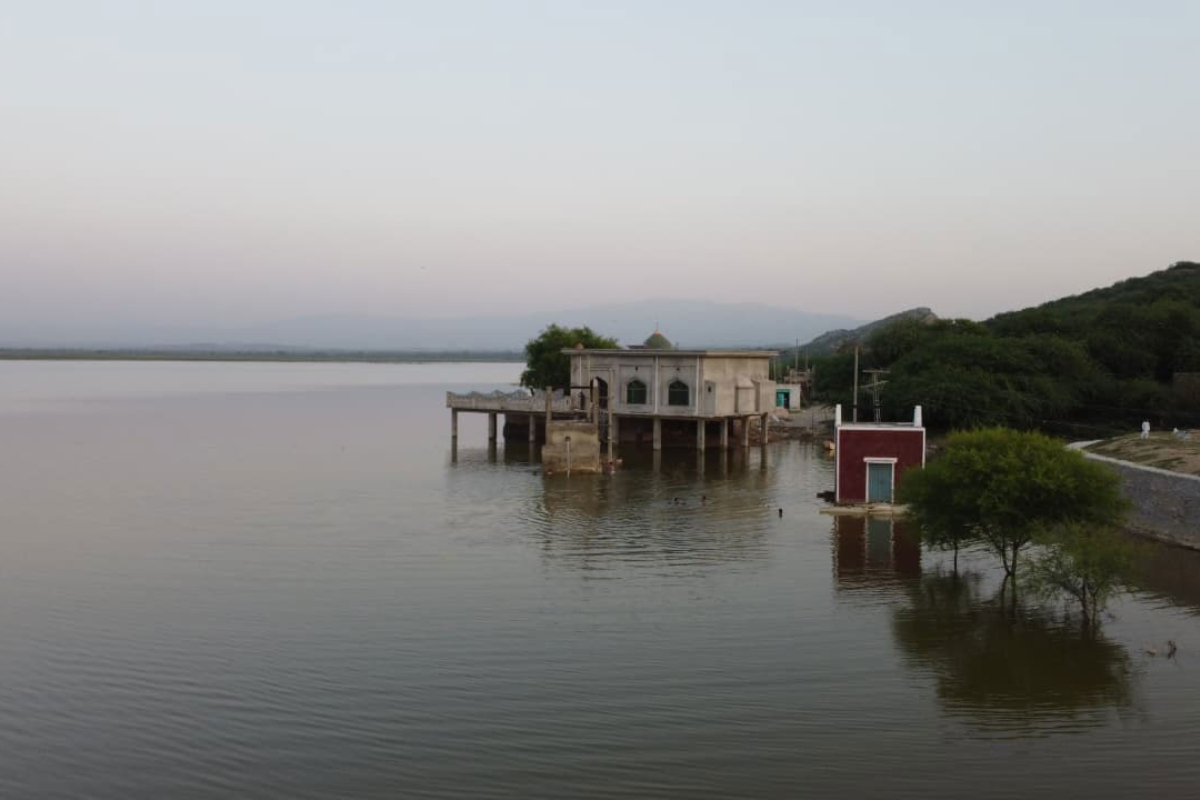
The 2022 floods, which submerged one-third of the nation and displaced over 33 million people, revealed the sheer scale of this threat.

In northern Pakistan, glaciers are melting faster than ever, according to the Pakistan Meteorological Department (2024) — causing dangerous Glacial Lake Outburst Floods (GLOFs). Meanwhile, the southern regions face prolonged droughts and saline intrusion from rising seas. Pakistan is now trapped between both extremes — too much water and too little.


Air Pollution: Breathing Becomes a Privilege

Pakistan’s largest cities — Karachi, Lahore, Faisalabad — are consistently among the world’s top 10 most polluted (Source: IQAir 2024 World Air Quality Report).

Smog has become a seasonal epidemic, forcing school closures and causing widespread respiratory illness. The WHO (2023) estimates 135,000 premature deaths annually in Pakistan from air pollution-related diseases.

Vehicular emissions, industrial discharge, garbage burning, and deforestation are the leading causes — yet the country still lacks a National Clean Air Policy with enforceable standards.


Water Scarcity: When the Taps Run Dry

Pakistan’s water availability has fallen from 5,600 cubic meters per person in 1947 to under 900 cubic meters in 2024 (PCRWR Report).

Over-extraction of groundwater, climate-driven droughts, and mismanagement of irrigation systems have pushed the country into a severe water crisis.

In Sindh, groundwater is turning saline, while Karachi’s residents rely on illegal hydrants for daily use. The World Bank (2024) warns that water scarcity could trigger migration, unemployment, and social unrest in the coming decade.


Heatwaves and Urban Mismanagement

In May 2024, Jacobabad hit 52°C, making it one of the hottest cities on Earth. The Pakistan Meteorological Department attributes this to deforestation and urban “heat islands” caused by excessive concrete, steel, and lack of green cover.

Cities like Karachi suffer from poor planning, plastic burning, and the absence of urban forests. As temperatures rise, so do energy demands, health emergencies, and mortality rates.


Agriculture: The Collapsing Backbone

Agriculture provides livelihoods for 40% of Pakistan’s population — but it’s collapsing under climate pressure. Erratic monsoons and groundwater depletion are cutting yields and threatening food security.

A World Bank Climate Report (2024) estimates that unchecked environmental degradation could cost Pakistan up to 9% of GDP annually by 2050. That’s not just a climate issue — it’s an economic emergency.


Policy Gaps and The Way Forward

Despite policies like the Ten Billion Tree Tsunami and the National Climate Change Policy 2021, Pakistan’s environmental response remains fragmented and weakly enforced.

To reverse course, Pakistan must:

  • Establish independent environmental tribunals for accountability.
  • Reform urban planning to include green spaces and sustainable transport.
  • Modernize water management and pricing systems.
  • Expand renewable energy projects in Sindh and Balochistan.
  • Launch community education programs to shift behavior toward sustainability.

The Time to Act Was Yesterday

Pakistan’s environmental collapse isn’t inevitable — but time is running out. Climate change, pollution, and resource depletion are converging into a national security threat.

Environmental protection must no longer be treated as a secondary issue; it’s central to Pakistan’s survival. The future will belong to nations that protect their people by protecting their planet.


The writer is a journalist. He tweets at @tayyabjajjvi and can be reached at: tayyabjajjvi@gmail.com


Originally published in www.futuresoch.pk

Sources of content