KARACHI: Eating nuts such as almonds, walnuts and pistachios every day may help reduce the risk of developing high blood pressure, according to a study published in the British Journal of Nutrition.
Researchers analyzed data from eight studies involving more than 143,000 people between the ages of 18 and 87. More than 20,000 participants had been diagnosed with high blood pressure.
The researchers examined how dietary habits affected the risk of developing hypertension and found that regular nut consumption was associated with a lower risk.
The study found that eating nuts regularly could reduce the risk of high blood pressure by up to 16%. Consuming about 28 grams of nuts was associated with a reduction of up to 20%, while eating around 30 grams daily was linked to a reduction of up to 26%.
However, eating larger quantities did not appear to provide additional benefits in reducing the risk of high blood pressure.
Why nuts may help
Nuts contain fiber, healthy fats, magnesium, potassium, vitamin E, vitamins C and K, protein and several B vitamins, researchers said.
Magnesium may help relax blood vessels, potentially contributing to healthier blood pressure levels, while potassium also plays a role in maintaining normal blood pressure.
What is high blood pressure?
High blood pressure occurs when the force of blood against artery walls remains consistently elevated. Narrowed blood vessels can restrict blood flow and increase pressure.
Often described as a “silent killer,” hypertension may cause no obvious symptoms but can damage the heart, brain, eyes, kidneys and blood vessels over time.
Uncontrolled high blood pressure increases the risk of cardiovascular disease, heart attack and stroke. Early diagnosis, medication when prescribed and healthy lifestyle changes can help manage the condition.
WASHINGTON: Daily consumption of sugary drinks may more than double the risk of developing stomach cancer, particularly raising concerns over the growing incidence of the disease among younger adults, according to a new US study.
Stomach cancer is the fifth most common type of cancer worldwide and ranks third among cancer-related causes of death. Smoking, inflammation of the stomach and obesity are among the known risk factors.
The disease has increasingly been reported among people under 50, despite traditionally being associated with older adults. Researchers from Mass General Brigham Cancer Institute examined whether dietary habits, particularly consumption of sugary beverages, could be contributing to the trend.
The study analysed medical and dietary data from more than 112,000 people. Researchers also considered participants’ body weight, physical activity, smoking, alcohol consumption, medication use and other health conditions.
Participants were followed for several decades, allowing researchers to assess potential links between sugary beverage consumption and the development of cancer.
During the study period, 278 participants were diagnosed with stomach cancer.
Researchers found that people who consumed about one sugary drink a day had more than twice the risk of developing stomach cancer compared with those who consumed fewer such beverages.
The researchers said the findings add to previous evidence linking sugary drinks with other cancers, including colorectal, breast and liver cancers.
They noted that stomach cancer causes a significant number of deaths worldwide, but relatively little is known about the role of diet in its development.
Stomach cancer can develop in different parts of the stomach and becomes considerably more difficult to treat once it reaches an advanced stage.
The researchers cautioned that the findings have limitations and that further studies are needed to establish whether sugary drinks directly contribute to stomach cancer.
The study was published in the journal Gastro Hep Advances.
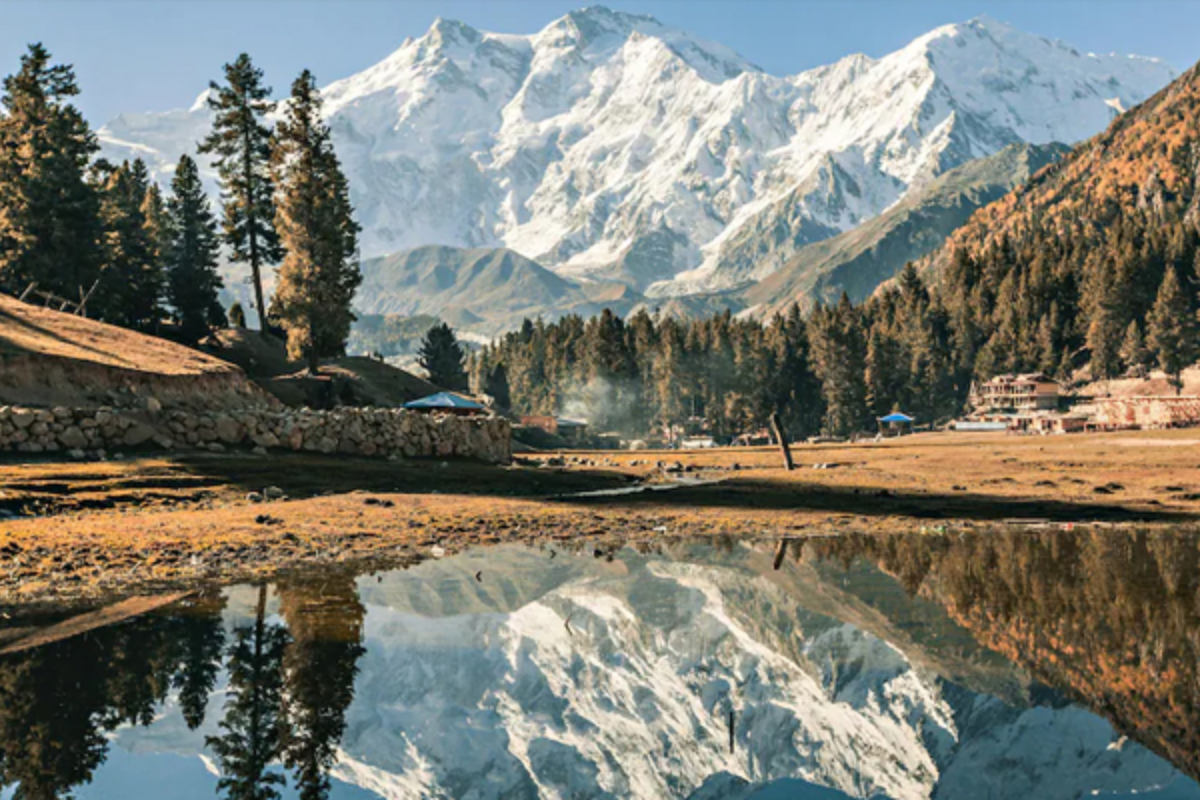
ISLAMABAD: British newspaper The Telegraph has included Pakistan among a select group of unique travel destinations for 2026, highlighting its snow-capped mountains, tranquil valleys, ancient civilizations and opportunities for adventure.
The travel feature, written by travel writers Benedict Allen and Sarah Marshall, encourages readers to explore Pakistan’s diverse landscapes and cultural heritage.
The feature places particular emphasis on northern Pakistan, noting that several peaks in the Karakoram mountain range rise more than 25,000 feet above sea level.
The Telegraph described Pakistan as a “land of high mountains” and highlighted the scenic Hunza Valley, towering glaciers, flower-filled meadows and the Karakoram Highway.
The newspaper called the Karakoram Highway an extraordinary feat of engineering. The highway connects Pakistan with China and passes through the spectacular Karakoram, Himalayan and Hindu Kush mountain ranges.
The article also praised the simplicity, warmth and hospitality of communities living in remote mountainous areas. Allen and Marshall wrote that visitors could experience not only the region’s dramatic natural scenery but also the lives, traditions and cultures of local communities.
Beyond its mountains, the feature highlighted Pakistan’s rich historical and cultural heritage, including the ancient Silk Road, Lahore’s 17th-century Badshahi Mosque and the thousands-year-old Indus Valley civilization.
Pakistan’s inclusion in the travel list by the prominent British newspaper reflects growing international recognition of the country’s diverse tourism potential.
The Telegraph’s 2026 list also includes Turkmenistan, Gabon, Angola, Timor-Leste, Nicaragua, Guyana, Armenia, the Republic of Congo, West Papua and Papua in Indonesia.
The Telegraph also featured Pakistan in a travel article in 2024.
SEOUL: Kim Taehyung, better known as V of the globally popular South Korean group BTS, delighted Pakistani fans after expressing interest in visiting Pakistan and trying the country’s famous cuisine during an online interaction with fans.
The conversation took place during a recent live online session when a Pakistani fan invited V to visit the country.
Smiling, the singer responded by asking whether he would get to eat biryani and karahi in Pakistan, prompting an enthusiastic response from fans on social media.
Pakistani fans flooded online platforms with invitations, sharing photos of traditional dishes and encouraging the BTS member to visit the country.
During the same session, V also interacted with fans from other South Asian countries. Responding to an Indian fan, he said he hoped to visit India in the future. He also told Bangladeshi fans he was interested in learning more about the country and expressed a desire to visit Cox’s Bazar and the Pink Palace Museum.
Despite V’s comments, BTS has not announced any concerts or tour dates for South Asia, and the group’s upcoming world tour schedule does not currently include Pakistan, India or Bangladesh. Millions of BTS fans live across the region, but the group has yet to perform an official concert in South Asia.
Elon Musk: The world’s richest person and CEO of Tesla and SpaceX has revealed that his morning routine is far less luxurious than many might expect, despite his immense wealth.
In a podcast appearance, Musk said he prefers a simple, protein-rich breakfast to start his day, typically including eggs and steak. He said he avoids bread and carbohydrate-heavy foods in the morning.
“I don’t like eating bread for breakfast, but I do eat eggs and steak,” Musk said, adding that protein helps maintain his energy levels throughout the day.
He explained his belief that carbohydrates may provide a quick boost in energy but can also lead to a rapid decline later in the day.
Nutrition experts note that protein-rich foods can help support muscle health and improve overall well-being, while eggs also provide essential nutrients such as vitamin B12, vitamin D, selenium, iodine and choline, which supports brain function.
Studies further suggest that high-protein breakfasts can help regulate appetite and keep people feeling full for longer, reducing the likelihood of frequent snacking.
LONDON: The United Kingdom(UK) has launched a series of new measures aimed at tackling rising obesity rates, including the introduction of a sugar tax on milkshakes, packaged milk products, and sweetened drinks.
Under the new policy, the government has decided to reduce the sugar limit in beverages from 5 grams to 4.5 grams per 100 millilitres. Drinks containing more than 4.5 grams of sugar per 100 ml will be subject to the sugar tax.
Addressing Parliament, UK Health Secretary Wes Streeting said that obesity deprives children of the best start in life and disproportionately affects those from poorer backgrounds.
He noted that people suffering from obesity face lifelong health challenges, placing a significant financial burden on the government, with billions of pounds spent annually on treatment.
According to media reports, the tax will not apply to “open-cup” drinks sold at cafés and markets. The new sugar tax will come into effect on 1 January 2028.
PESHAWAR: The Provincial Disaster Management Authority (PDMA) has issued a weather alert, warning of rain and snowfall in various parts of Khyber Pakhtunkhwa starting Tuesday.
According to the PDMA, intermittent rainfall and snowfall are expected across different districts of the province until November 5. Local administrations have been directed to remain vigilant and take precautionary measures in advance.
The PDMA has also warned of landslides in regions such as Abbottabad, Dir, Swat, Chitral, and Kohistan.
Heavy rainfall is anticipated in cities including Peshawar, Mardan, Bannu, and Dera Ismail Khan, which may cause damage to weak structures, power lines, and signboards.
The PDMA has urged citizens to take necessary precautions, while district administrations have been instructed to improve drainage systems.
The future of food is already on our plates — from lab-grown meat to AI-powered kitchens, 2025 is redefining how the world eats, cooks, and thinks about food.
Food Is No Longer Just About Taste — It’s About Tech
The world is entering a new food era — one driven by innovation, sustainability, and personalization. In 2025, the global food industry is shifting faster than ever before, shaped by changing consumer values and cutting-edge technology.
As per Bloomberg Intelligence, the plant-based food market is expected to surpass $160 billion globally by 2030, with Asia leading adoption due to affordability and innovation. Meanwhile, AI-powered food technology startups are reshaping how meals are prepared, optimized, and delivered.
From Karachi’s organic cafés to Seoul’s robot-run kitchens, the transformation is visible everywhere.
1. The Rise of Plant-Based Proteins
Gone are the days when vegan food meant bland salads. The rise of plant-based proteins — soy, lentil, pea, and chickpea — is taking over global menus.
Big brands like Beyond Meat and Impossible Foods are now being joined by Asian innovators such as Next Meats Japan and GoodDot India. In Pakistan, startups like Daali Earth Foods are introducing high-protein, local alternatives made from lentils and chickpeas.
Driven by climate concerns, ethical eating, and fitness culture, more people are making meat-free choices — not for religion or ideology, but for health and the planet.
2. AI in the Kitchen: Smart Cooking Arrives
Artificial Intelligence has officially entered the kitchen. From smart fridges that suggest recipes to AI chefs designing balanced diets, food technology is becoming deeply personal.
Apps like CookAI, ChefGPT, and Nymble’s Smart Kitchen Robot are changing how people plan meals — learning from user preferences, nutrition goals, and allergies.
Restaurants in Dubai, Tokyo, and New York are already using AI-driven cooking systems that maintain taste consistency while reducing waste. The same trend is emerging in South Asia, where cloud kitchens and food delivery apps are adopting automation to cut costs and improve service.
3. Lab-Grown Meat & Cellular Agriculture
In 2025, the most radical food innovation is happening at the cellular level. Lab-grown meat, also known as cultivated or cultured meat, is being produced without slaughter — using animal cells grown in bioreactors.
Singapore, the UAE, and the Netherlands have already approved such products for commercial sale. With global meat demand projected to rise 75% by 2050, this technology offers a solution that’s both ethical and sustainable.
Experts believe South Asian markets, including Pakistan, will soon adopt hybrid meat options — combining plant-based proteins with cultivated fat for authentic flavor.
4. Personalized Nutrition & DNA-Based Diets
Forget one-size-fits-all diets — in 2025, health is hyper-personal. Companies like ZOE, InsideTracker, and Care/of offer nutrition plans based on users’ DNA, gut microbiome, and real-time health data.
AI analyzes everything from sleep cycles to blood sugar levels, recommending meals that optimize energy and immunity. For a generation obsessed with longevity and mental clarity, food as medicine has become the new mantra.
In Pakistan’s growing urban wellness scene, this trend is emerging fast — from smoothie bars in Karachi to dietitian-led cafés in Lahore.
5. Sustainability Becomes the Main Ingredient
Sustainability is no longer a buzzword — it’s the recipe for survival. From eco-packaging and zero-waste cooking to water-efficient farming, the global food industry is rethinking every layer of production.
The UN Food Sustainability Index 2025 highlights how countries like Japan, Italy, and Denmark are leading in reducing food waste and promoting regenerative agriculture. Meanwhile, climate-conscious consumers are driving demand for ethical sourcing and local ingredients.
Even in Pakistan, chefs are now spotlighting local produce — reintroducing forgotten foods like millet, buckwheat, and organic desi grains.
The Future of Eating Is Smart, Sustainable, and Story-Driven
The global food revolution isn’t just about innovation — it’s about intention. Consumers no longer want cheap calories; they want meaningful meals that nourish both body and planet.
As AI, sustainability, and creativity collide, 2025 marks the start of a new dining age — one where every bite tells a story of balance, science, and humanity.
From Lisbon to Lahore, a new generation of travelers is moving away from luxury tourism and embracing slow, mindful, and meaningful journeys.
The End of the “Check-in and Leave” Era
Travel is changing — not just how people move, but why. For decades, tourism was about ticking destinations off a bucket list. But in 2025, a global shift is underway: travelers are seeking connection over collection.
Enter conscious travel — a movement built around sustainability, local culture, and self-discovery. It’s led by digital nomads, young explorers, and eco-conscious adventurers who want to leave a positive impact wherever they go.
According to the World Travel Index 2025, 68% of travelers under 35 prefer “experience-based travel” over sightseeing tours. The rise of remote work and location independence has turned travel from a vacation into a lifestyle.
What Is Conscious Travel?
Conscious travel isn’t about giving up luxury — it’s about traveling with awareness. It means asking:
How does my trip affect the environment?
Who benefits from my spending?
Am I learning something meaningful?
For many global nomads, this mindset has redefined freedom. They’re staying longer in fewer places, volunteering with local communities, and choosing eco-friendly accommodations.
In Pakistan, eco-lodges in Hunza and Skardu now attract global travelers who want to combine work with adventure — often staying for weeks, not days.
Digital Nomads: Living Everywhere, Belonging Nowhere
The global nomad community is growing faster than ever. According to Forbes 2025, there are now over 40 million digital nomads worldwide, working remotely from destinations in Southeast Asia, Europe, Africa — and increasingly, South Asia.
Cities like Lisbon, Bali, Tbilisi, and Chiang Mai have become hubs for creatives, freelancers, and entrepreneurs seeking cultural immersion and slower living. But now, lesser-known destinations — like Lahore, Kathmandu, Colombo, and Tashkent — are joining the global map.
“Conscious travel means being part of a place, not just passing through,” says Fatima Khan, a Pakistani filmmaker working remotely in Georgia. “I spend on local businesses, avoid chain hotels, and learn basic phrases of the local language — it changes everything.”
The Sustainability Mindset
The climate crisis has made travelers rethink their footprint. Carbon-neutral flights, solar-powered stays, and “plastic-free itineraries” are the new benchmarks for responsible travel.
In 2025, airlines are offering eco-offset options, and booking platforms like Airbnb Green highlight sustainable homes. Tour operators now collaborate with conservation NGOs to ensure tourism supports rather than harms local ecosystems.
Pakistan’s northern regions, for instance, have launched the “Clean Travel Pakistan Initiative,” which encourages waste-free tourism and reforestation programs supported by visiting travelers.
Slow Living, Local Impact
One of the biggest shifts in global travel is the return to slow living. Instead of rushing through 10 cities in 10 days, people now choose one location to stay for a month — cooking local food, working remotely, and connecting with communities.
From coffee farms in Colombia to villages in Hunza, travelers are helping locals develop homestays, market crafts, and promote cultural exchange. This kind of tourism builds empathy, reduces stress, and creates sustainable economic cycles.
“It’s about realizing that travel isn’t an escape — it’s an education,” says Emily Zhao, a Singaporean travel blogger based in Portugal.
The Role of Technology
Ironically, technology — once blamed for detachment — is enabling connection. Apps like WorkFrom, NomadList, and Remote Year now help global citizens find workspaces, meetups, and eco-stays that match conscious values.
Even Pakistani startups are entering the scene. StayCation.pk and Nomadistan promote flexible travel options for freelancers seeking remote-friendly destinations in Asia.
With Wi-Fi now available in mountain towns and coastal villages, “living anywhere” has become a real possibility — and living meaningfully everywhere is the next evolution.
Pakistan’s Role in the New Travel Map
With its dramatic landscapes, affordable living, and emerging coworking culture, Pakistan has the potential to become South Asia’s next conscious travel hub. The new generation of travelers isn’t afraid to go off the beaten path — and they value authenticity more than comfort.
Eco-friendly lodges in Gilgit, Hunza, and Swat are already attracting international guests who want to volunteer, teach, or document their journey. With better connectivity and safety reforms, Pakistan could become a top pick for global nomads within the next five years.
The Future of Travel Is Purpose
Conscious travel isn’t just about seeing the world — it’s about changing it, one trip at a time. The future of tourism belongs to those who travel lightly, thoughtfully, and responsibly.
As the world redefines freedom after years of digital burnout and consumer fatigue, this generation of travelers is proving that real wealth lies not in what you own, but in what you experience.
Subhead: From the blooming orchards of Hunza to the flower festivals of Islamabad, spring 2025 is bringing Pakistan to life with color, culture, and adventure.
Introduction: Pakistan in Full Bloom
Spring is the season when Pakistan truly transforms. From February to May, the country shifts from the chill of winter to the gentle warmth of new life. Trees blossom, fields turn emerald green, and the air fills with the fragrance of renewal.
In 2025, domestic travel in Pakistan is thriving, fueled by social media, improved infrastructure, and a rising love for nature-friendly getaways. For travelers seeking color, calm, and culture — these ten destinations capture the magic of Pakistan’s springtime.
1. Hunza Valley – Where Spring Paints the Mountains
No place captures spring’s beauty like Hunza. From mid-March to April, the valley bursts into a sea of pink and white blossoms — apricot, cherry, and almond trees bloom against the snow-covered peaks of Rakaposhi and Ultar Sar.
Hunza’s annual Spring Blossom Festival celebrates this transformation with local music, polo matches, and traditional dance performances. Villages like Karimabad, Altit, and Ganish turn into picture-perfect postcards.
Must-do:
Visit Eagle’s Nest for sunrise views over blooming orchards.
Explore Altit Fort and walk through apricot-lined paths.
Try Hunza’s famous walnut cake and organic dried fruits.
2. Skardu – The Valley of Flowers and Lakes
As snow melts in early April, Skardu emerges as a paradise of blue lakes and flowering meadows. The roads leading to Shangrila, Katpana Desert, and Kachura Lake are lined with vibrant wildflowers and green terraces.
The mild weather, clear skies, and peaceful atmosphere make it the ideal time for boating, hiking, and camping. Skardu’s spring season is also a favorite for photographers and newlyweds seeking romantic landscapes.
Must-do:
Boat at Upper Kachura Lake.
Visit Shigar Fort and enjoy traditional Balti cuisine.
Watch sunrise over Satpara Lake.
3. Swat Valley – The Switzerland of Pakistan Reborn
In 2025, Swat Valley is reclaiming its fame as Pakistan’s “Switzerland.” During spring, the rivers run turquoise, cherry blossoms color the hills, and the scent of pine fills the air.
Kalam, Bahrain, and Malam Jabba are perfect for family trips and weekend escapes. Adventure seekers can hike to Ushu Forest or the glacier-fed Mahodand Lake, while cultural travelers can visit the Buddhist sites that narrate Swat’s ancient history.
Must-do:
Explore Kalam Valley and Ushu Forest.
Visit Malam Jabba ski resort for off-season serenity.
Enjoy trout fish from Swat River.
4. Neelum Valley, Azad Kashmir – Where Rivers Meet Blossoms
Neelum Valley becomes a living canvas during spring. Located in Azad Jammu & Kashmir, it’s famous for its crystal rivers, apple orchards, and pine-covered hills.
The villages of Keran, Sharda, and Kel look surreal in April, with white blossoms reflecting on turquoise waters. The moderate temperatures make it perfect for trekking and riverside picnics.
Must-do:
Stay in a riverside hut in Keran.
Visit Sharda University ruins.
Drive up to Arang Kel for panoramic views.
5. Islamabad – The Capital in Bloom
Pakistan’s green capital city becomes its most colorful during spring. The annual Islamabad Flower Festival, held in March, draws visitors from across the country to witness gardens in full bloom — especially at Daman-e-Koh, Fatima Jinnah Park, and the Rose & Jasmine Garden.
Cherry blossom trees along Margalla Road and the fresh mountain breeze make the city irresistible for walkers, cyclists, and photographers.
Must-do:
Visit the Islamabad Flower Festival and Rose Garden.
Take a hike on Trail 3 or Trail 5 in Margalla Hills.
Enjoy sunset tea at Monal or La Montana.
6. Lahore – History, Gardens, and Festivities
Known as the city of gardens, Lahore is a spring masterpiece. From the historic Shalimar Gardens to Jilani Park’s Chrysanthemum Festival, Lahore comes alive with color.
The famous Jashn-e-Baharan Festival celebrates the season with cultural shows, food stalls, and kite-flying events. The city’s Mughal architecture — from Badshahi Mosque to Lahore Fort — looks even more stunning surrounded by blooming flowers.
Must-do:
Attend Jashn-e-Baharan at Jillani Park.
Visit Shalimar Gardens and Lahore Fort.
Try seasonal mango blossom desserts at MM Alam Road cafés.
7. Shogran and Siri Paye – Nature’s Carpet of Flowers
Nestled in the Kaghan Valley, Shogran turns into a floral wonderland each spring. The meadows of Siri Paye, accessible by jeep, are carpeted with yellow, purple, and pink wildflowers in April.
With views of Makra Peak and the Himalayas, this is one of the best spots for nature photography and peaceful retreats.
Must-do:
Jeep ride to Siri Paye Meadows.
Enjoy horseback riding through pine forests.
Stay at a wooden chalet overlooking the valley.
8. Sakardu to Deosai – Spring in the Land of Giants
The Deosai National Park, often called “The Roof of the World,” reopens in late May as snow gives way to thousands of blooming alpine flowers. The plateau’s vast fields, golden marmots, and clear blue lakes create an almost surreal atmosphere.
For wildlife enthusiasts, spring is also the best time to spot Himalayan brown bears emerging from hibernation.
Must-do:
Visit Sheosar Lake in full bloom.
Camp under clear night skies at Bara Pani.
Photograph the wildflowers and marmots.
9. Kalash Valley – The Celebration of Life
In the remote valleys of Chitral, the indigenous Kalash community celebrates spring with their world-famous Chilam Joshi Festival in May. The festival marks the arrival of spring with dancing, music, and floral decorations.
The Kalash people dress in traditional black robes adorned with bright embroidery and floral headpieces, welcoming tourists from around the world to experience their ancient culture and hospitality.
Must-do:
Attend Chilam Joshi Festival.
Explore Bumburet and Rumbur valleys.
Visit the Kalasha Dur Museum.
10. Ziarat – Pakistan’s Hidden Spring Secret
Known for its juniper forests and cool breeze, Ziarat in Balochistan is a lesser-known spring gem. The town’s apple and cherry trees bloom beautifully in April, turning the rugged terrain into a peaceful retreat.
Spring is also the best time to visit the Quaid-e-Azam Residency, surrounded by lush green gardens. The climate remains crisp and refreshing, making it ideal for quiet vacations and photography.
Spring 2025 is shaping up to be Pakistan’s most vibrant travel season yet. From the cultural colors of Lahore and Kalash to the pristine landscapes of Hunza and Swat, each region tells a story of rebirth and beauty.
Whether you’re a solo traveler, a family explorer, or a content creator, Pakistan’s spring destinations promise unforgettable experiences — where nature, culture, and hospitality bloom together.
So pack your camera, your curiosity, and your sense of wonder — because spring in Pakistan is not just a season, it’s a feeling.