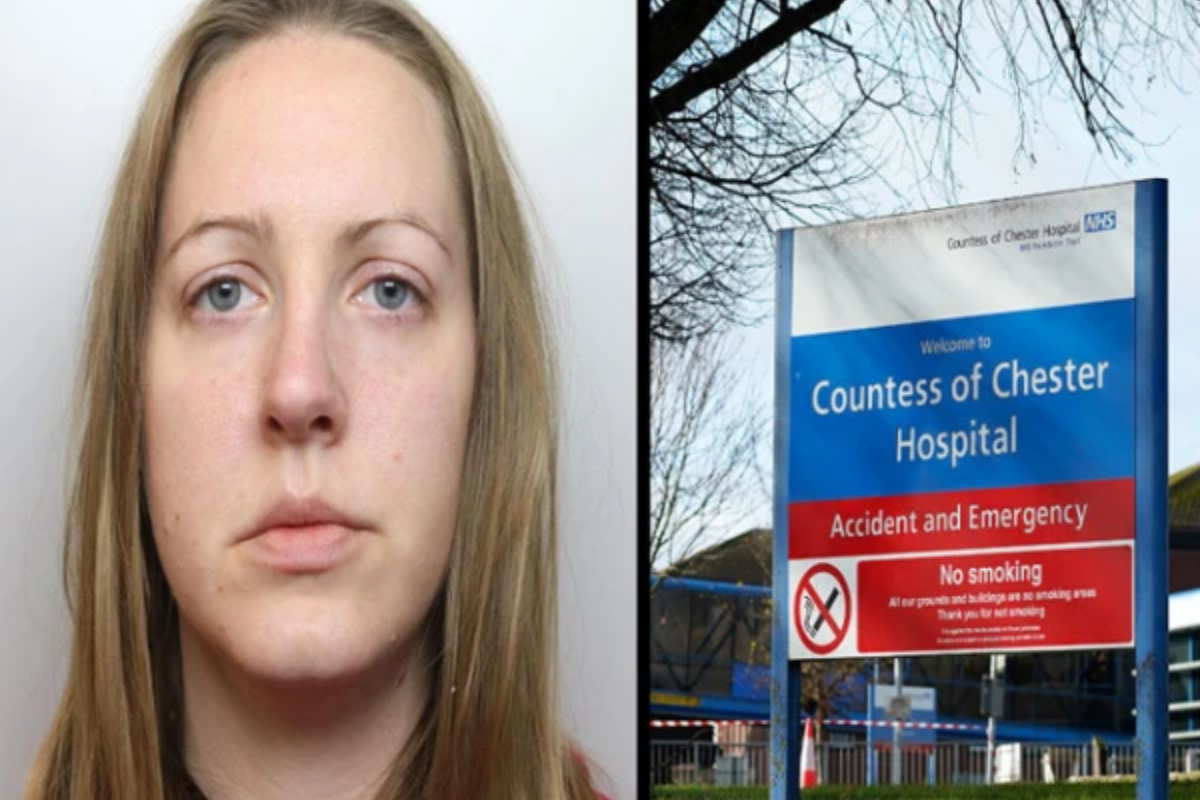
LONDON: An independent inquiry into the case of convicted British nurse Lucy Letby has found serious failures in the management and safeguarding systems at the Countess of Chester Hospital, saying seven babies could have been protected from harm if concerns had been acted upon sooner.
The Thirlwall Inquiry, led by Lady Justice Catherine Thirlwall, examined events surrounding the deaths and collapses of babies in the hospital’s neonatal unit.
According to the final report, at least three babies could have survived if timely action had been taken, while four others could have been protected from harm.
The inquiry found that the hospital’s safeguarding system had effectively failed, with weaknesses in management structures, poor communication between medical staff and leadership, and a lack of understanding of basic safeguarding procedures contributing to delays in taking action against Letby.
The report said five babies, including a set of twins, could have been protected if Letby had been removed from the neonatal unit earlier. Three additional cases could also have been addressed through timely medical investigation and recognition of evidence involving insulin.
One of the affected children, now 11, suffered brain damage and requires round-the-clock care, according to the report.
The inquiry recommended that hospitals should not wait for conclusive evidence before taking protective action when there is a reasonable suspicion that a healthcare worker may be deliberately harming patients.
Doctors’ concerns were ignored
The report said some senior doctors had raised concerns about unusual infant deaths and a rise in medical complications while Letby was working in the neonatal unit.
However, senior nursing and administrative officials failed to respond promptly to those concerns, the inquiry found.
It also criticized delays in contacting police. After Letby was eventually removed from the neonatal unit, some doctors who had raised concerns reportedly faced investigations following a complaint made by the nurse.
Parents kept in the dark
The inquiry found that parents were not fully informed for years about what had happened to their children or about concerns that they may have been deliberately harmed.
It described the failure to provide families with relevant information as deeply regrettable and said affected parents should not have been left on the sidelines of discussions about Letby’s criminal responsibility.
Cameras recommended for neonatal units
The inquiry made 14 recommendations aimed at preventing similar incidents in the future.
Among the key proposals is the installation of monitoring systems at neonatal beds and incubators that would allow parents to remotely view their babies.
It also recommended CCTV cameras around refrigerators and cabinets used to store insulin, along with digital controls limiting access to authorized staff and maintaining records of access to the medication.
British Health Secretary Wes Streeting said the government had ordered immediate work on plans to introduce cameras in neonatal units.
Management reforms proposed
The inquiry also called for changes to hospital management and greater personal accountability among NHS managers.
It recommended a new code of conduct for senior managers and measures to prevent managers from simply being transferred to another hospital following serious failures or misconduct.
Training on patient safety and how to respond to suspected deliberate harm should also be provided to all staff, including hospital boards and non-executive directors.
Lucy Letby remains in prison
Letby, 36, was convicted in 2023 of murdering seven babies and attempting to murder seven others. She was sentenced to 15 whole-life orders.
She continues to deny the allegations and convictions and is pursuing legal efforts to overturn her sentence.
The Thirlwall Inquiry did not determine whether Letby’s convictions were correct. It proceeded on the basis that she had already been convicted by a court.
Her case is also being reviewed by the Criminal Cases Review Commission, an independent body that examines potential miscarriages of justice. The commission has said it will consider the Thirlwall Inquiry’s findings as part of its review.
Hospital apologizes
The Countess of Chester Hospital NHS Foundation Trust apologized following publication of the inquiry report, expressing regret over the events of 2015 and 2016.
The trust said it is now a different organization with new leadership, improved management systems and stronger safeguarding procedures.
Letby worked in the hospital’s neonatal unit from June 2015 to June 2016. Prosecutors said she harmed babies by injecting them with dangerous amounts of insulin, introducing air into their bodies and force-feeding them milk.
The case has raised major questions in Britain about patient safety, the supervision of medical staff and accountability within hospital management.