BREAKING NEWS
Advertise with us >

Sindh announces MDCAT 2026 entrance test schedule

Sindh announces

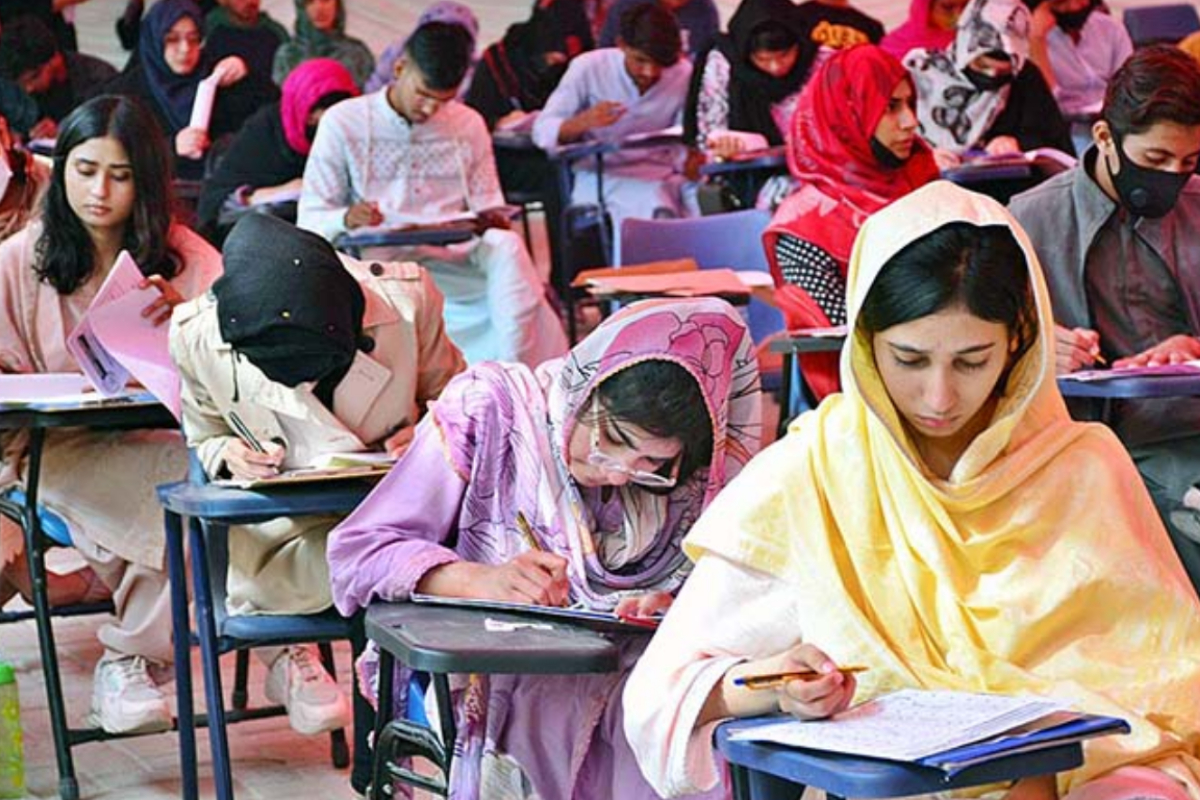
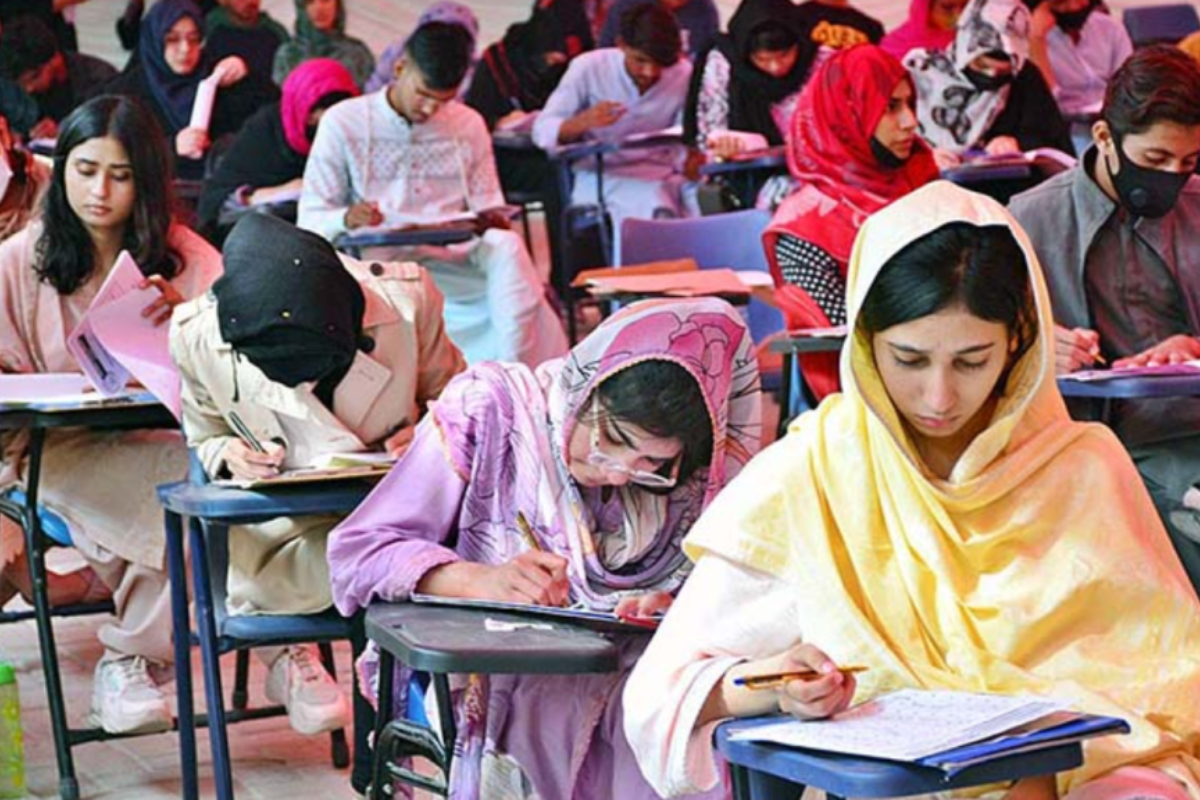
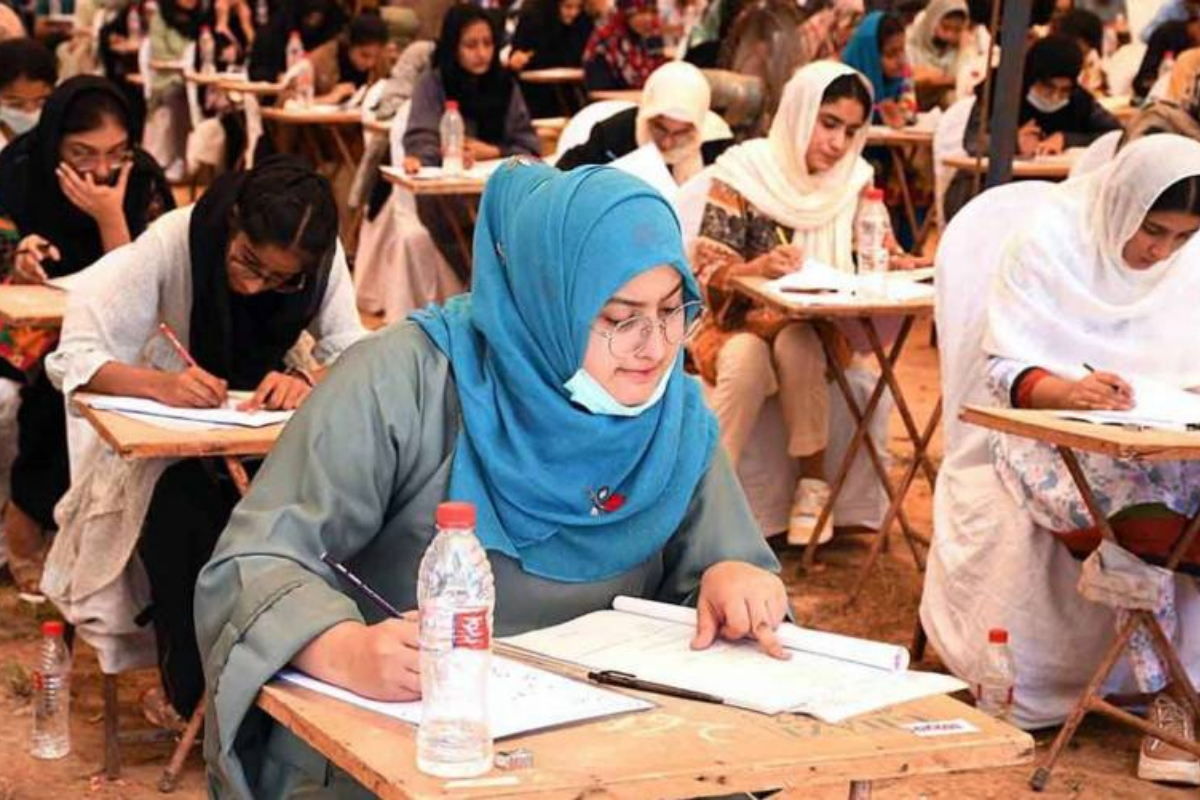
KARACHI: The Medical and Dental College Admission Test (MDCAT) 2026 for candidates in Sindh will be held on Sunday, Aug. 16, 2026, under the supervision of Sukkur IBA Testing Services (SIBA).

According to SIBA, examination centers have been established in Karachi, Hyderabad, Jamshoro, Larkana, Sukkur, Mirpur Khas, Shaheed Benazirabad, and Islamabad to facilitate candidates from across the province.

In Karachi, the test will be conducted at NED University, while candidates in Hyderabad will appear at Public School Latifabad. Other designated venues include Liaquat University of Medical and Health Sciences in Jamshoro, Mir Sher Muhammad Talpur Public School in Mirpur Khas, Police Training School Ground on Wagon Road in Larkana, Quaid-e-Awam University in Shaheed Benazirabad, and Sukkur IBA Public School on Old Airport Road in Sukkur. Sindh-based candidates who selected Islamabad as their examination city will take the test at the Pakistan National Council of the Arts (PNCA).

SIBA said the three-hour examination will begin as scheduled, and candidates are advised to arrive at their respective centers on time. No candidate will be allowed to leave the examination hall before the test concludes.

Sindh presents tax-free budget for 2026-27

Sindh presents

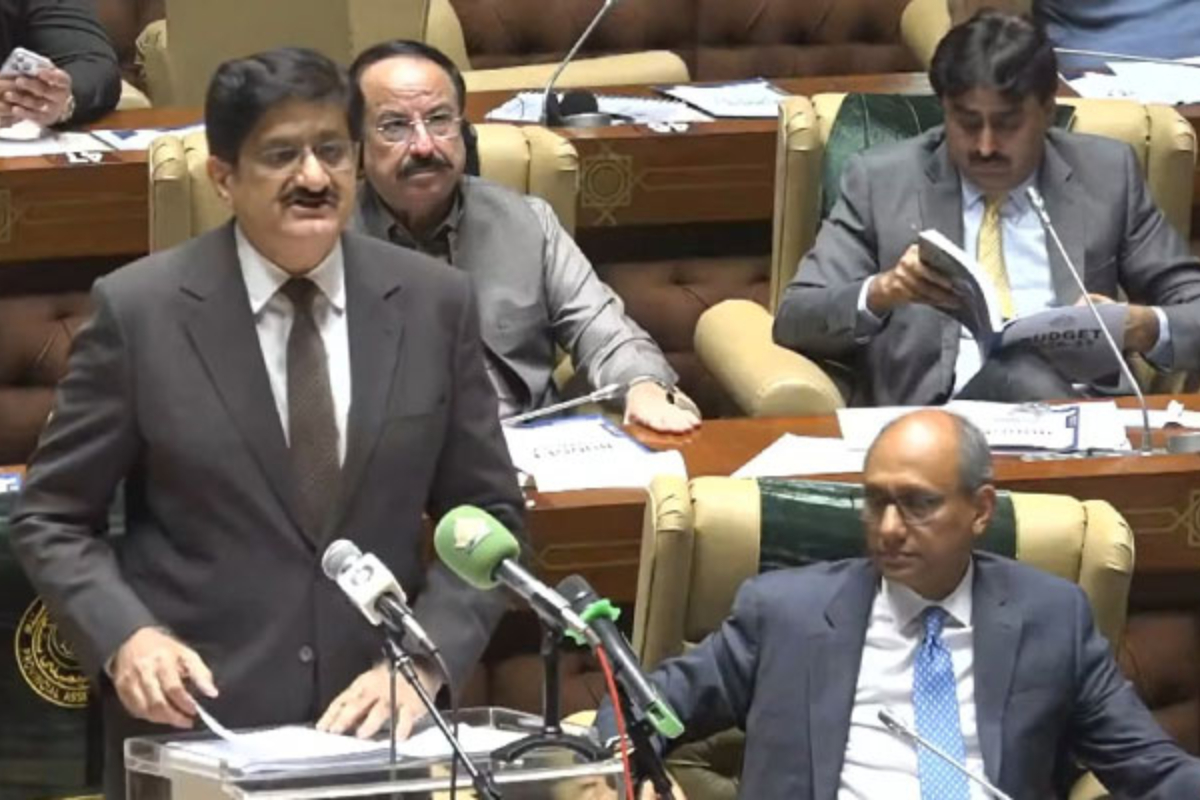
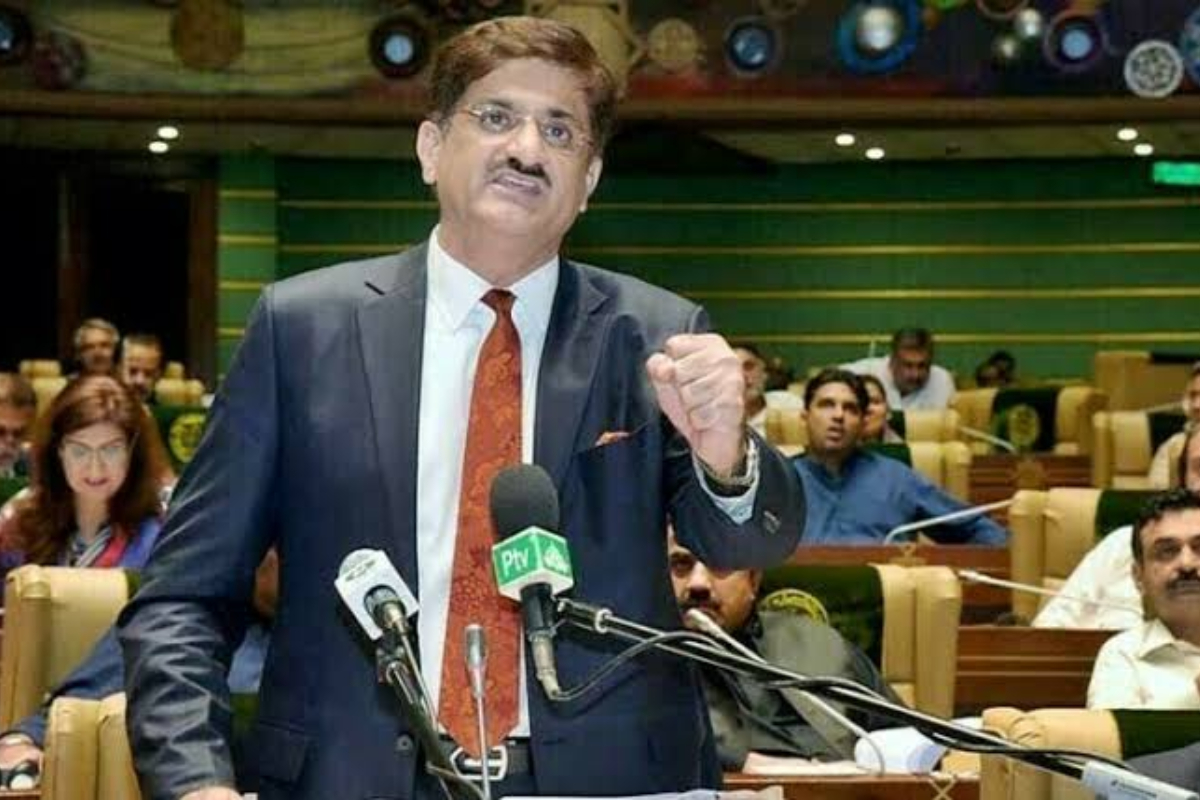
KARACHI: Sindh Chief Minister Murad Ali Shah on Wednesday presented the province’s budget for the 2026-27 fiscal year, announcing a 7% increase in salaries and pensions for government employees, raising the minimum monthly wage to Rs43,000 and introducing a range of development and social welfare initiatives.

Presenting the budget in the Sindh Assembly, Shah said the government would merge the ad hoc relief allowances granted in 2022 and 2025 into employees’ pay scales. He also announced that the minimum wage would be increased from Rs40,000 to Rs43,000 per month.

The chief minister said no new taxes had been imposed in the budget, which aims to provide relief to citizens and the business community. The government also decided not to introduce any new development schemes in the upcoming fiscal year, while proposing Rs2.56 trillion for non-development expenditures.

Education remained a key priority, with Rs601 billion allocated to the sector. The government also reduced sales tax on educational support services to 5%.

Shah announced plans to establish the Sindh International Financial Center in Karachi, describing it as a platform for infrastructure financing, Islamic finance and climate finance.

He said Sindh had agreed to arrangements worth Rs260 billion under Article 160 of the Constitution in support of national stability while safeguarding the province’s constitutional rights and development priorities under the NFC Award.

The budget also introduced a subsidized solar financing program for middle-income households. Shah said Rs18 billion would be spent to distribute 275,000 free solar home systems, adding that free solar units had already been provided to low-income families.

Among other initiatives, the chief minister announced the launch of the Sindh Green Data Infrastructure Initiative and a waste-to-value program aimed at converting waste into fuel and commercial products.

The government also plans special legislation to support small farmers by improving access to machinery, financing, insurance and modern technology.

In the health sector, Shah said services at major institutions, including National Institute of Cardiovascular Diseases, Sindh Institute of Cardiovascular Diseases, Sindh Institute of Urology and Transplantation and Jinnah Postgraduate Medical Centre would be expanded. He added that the 1123 telemedicine service and 1122 ambulance network would be further strengthened.

Shah highlighted the completion of the Rs60.7 billion Shahrah-e-Bhutto project, describing it as a major public convenience initiative.

He also reiterated plans to transform Keti Bandar into a global maritime, logistics, industrial and energy hub linked to the Dhabeji Special Economic Zone and Thar coal resources, with the goal of making it Pakistan’s next major economic gateway.

Sindh proposes Rs522 billion development budget for FY2026-27

Sindh proposes

KARACHI: The provincial government of Sindh has prepared its Annual Development Programme (ADP) for the fiscal year 2026-27, proposing a total allocation of Rs522 billion.

Officials said the overall development programme size stood at Rs1,018 billion in the current fiscal year, while the ADP allocation was Rs520 billion.

For the upcoming fiscal year, Rs296 billion has been proposed for foreign-funded development projects, compared to Rs367 billion allocated under the Foreign Project Assistance programme in the current year.

The Public Sector Development Programme (PSDP) allocation is proposed at Rs50–60 billion, down from Rs76 billion in the current fiscal year.

Similarly, Rs50 billion has been proposed for the District Annual Development Programme (DADP), compared to Rs55 billion allocated this year.

Authorities said the proposed budget aims to balance ongoing development needs with available fiscal space, while prioritizing key infrastructure and social sector projects across the province.

Sindh tightens business hours with new austerity measures

Sindh tightens

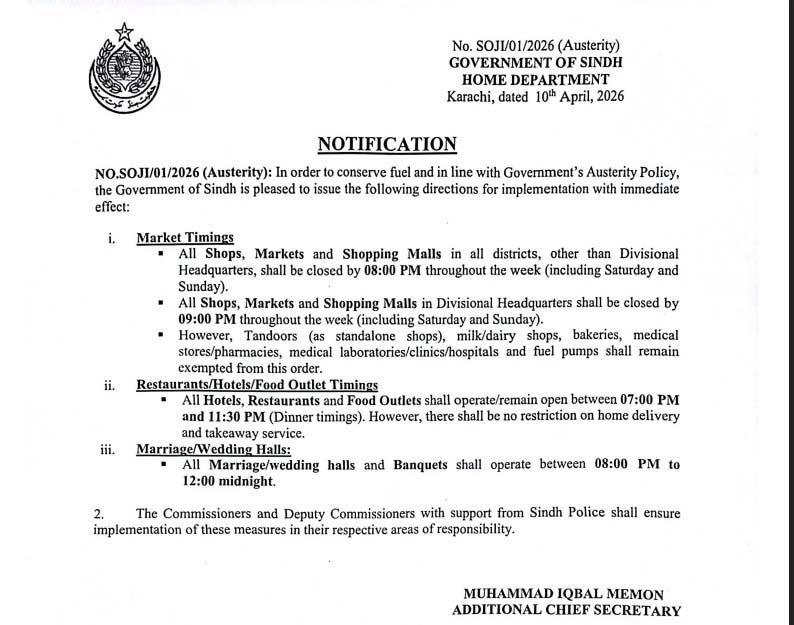
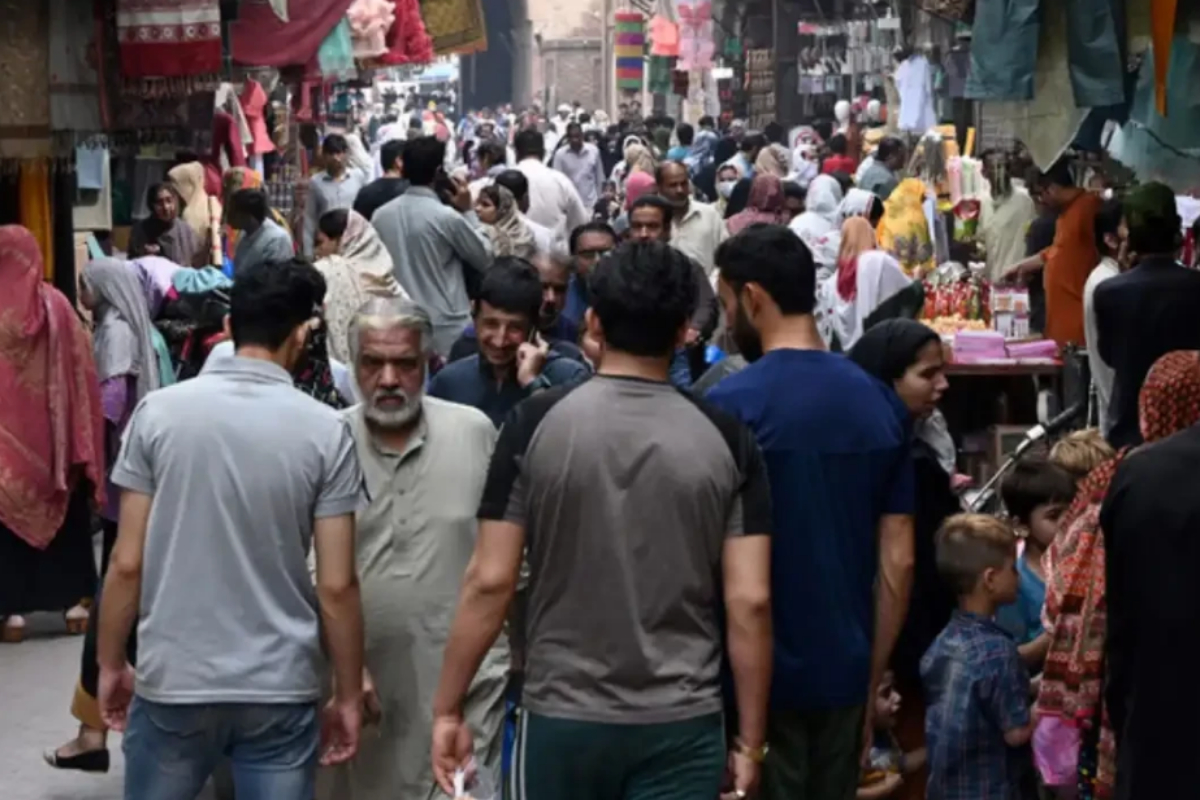
KARACHI: The Government of Sindh has announced the implementation of an austerity policy, directing early closure of shops and shopping malls across the province.

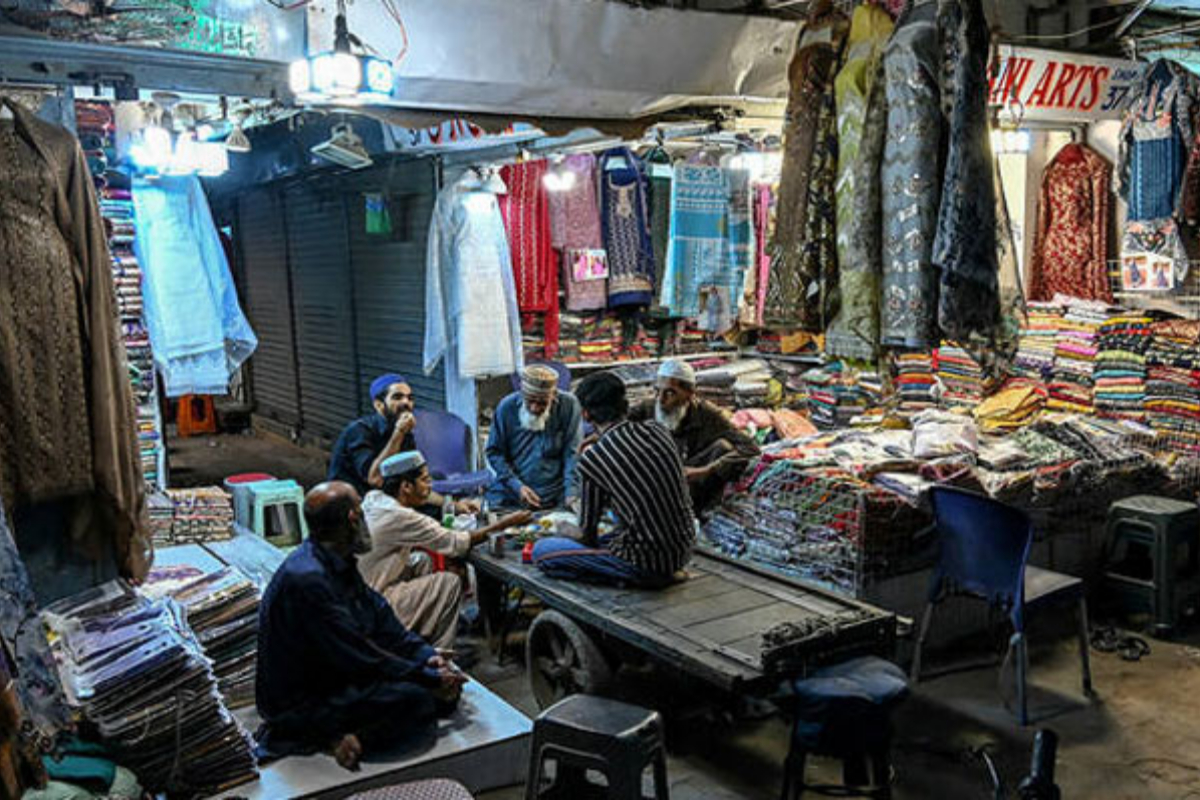
According to an official notification, new business hours have been introduced for markets, hotels, and wedding halls. In districts other than divisional headquarters, all shops, markets, and shopping malls will close at 8:00 PM. Meanwhile, in divisional headquarters including Karachi, these establishments will remain open until 9:00 PM.

Under the new rules, hotels and food outlets will be allowed to operate from 7:00 PM to 11:30 PM. However, home delivery and takeaway services will continue without any restrictions.

Wedding halls and banquet facilities will be permitted to host events from 8:00 PM to midnight.

The notification also clarifies that essential services such as tandoors, milk shops, bakeries, medical stores, laboratories, clinics, hospitals, and petrol pumps will remain exempt from these restrictions.

The austerity measures have been enforced with immediate effect. Authorities, including commissioners and deputy commissioners, have been directed to ensure strict implementation in coordination with law enforcement agencies.

It is worth noting that similar measures have already been introduced in other provinces following the federal government’s austerity policy, with Punjab and Balochistan also enforcing early market closures.

Early market closures announced nationwide except Sindh from April 7

Early market

ISLAMABAD: In a meeting chaired by Prime Minister Shahbaz Sharif on petroleum products, the government has decided to enforce early closing hours for markets, shopping malls, and commercial centers across the country, excluding Sindh.

According to an official statement from the Prime Minister’s Office, shops dealing in daily-use items, departmental stores, and malls will close by 8:00 PM.

Bakeries, restaurants, tandoors, and food outlets will remain open until 10:00 PM, while marriage halls and marquees will also be required to shut after 10:00 PM.

The directive further includes a ban on wedding and other events at private residences after 10:00 PM. However, medical stores and pharmacies will remain exempt from these restrictions.

The new measures will take effect from April 7 and will be implemented in Punjab, Khyber Pakhtunkhwa, Islamabad, Gilgit-Baltistan, and Azad Kashmir.

In divisional headquarters of Khyber Pakhtunkhwa, markets and shopping malls will be allowed to remain open until 9:00 PM.

Officials noted that consultations are still ongoing in Sindh regarding market timings, and a final decision is yet to be made for the province.

Sindh to launch mega blood donation campaign before Ramadan

Sindh to launch

KARACHI: The Sindh Blood Transfusion Authority has announced the launch of a province-wide Mega Blood Donation Drive on February 16, describing it as the first campaign of its kind under the Sindh Health Department.

Secretary of the authority, Dr. Dur-e-Naz Jamal, termed the initiative a major step aimed at addressing blood shortages ahead of Ramadan. She said that for the first time, all blood banks across Sindh will work simultaneously under a coordinated strategy to ensure maximum collection.

According to Dr. Jamal, a single bottle of donated blood can help save up to three lives. She revealed that around 17,000 thalassemia patients are currently registered across Sindh, underscoring the urgent need for regular voluntary blood donations.

She further announced that medals and certificates will be awarded to blood donors during the campaign in order to encourage greater public participation and promote a culture of voluntary donation.

Appealing to citizens, Dr. Dur-e-Naz Jamal urged people to actively participate in the Mega Blood Donation Drive and make it a success so that no shortage of blood arises during Ramadan.

Sindh bans photography in girls’ colleges to protect students’ privacy

Sindh bans

KARACHI: The Sindh government has imposed a ban on photography in government girls’ colleges across the province to prevent the misuse of students’ images on social media.

According to official details, the Sindh College Education Department has issued a formal notification directing principals of government girls’ colleges to strictly enforce the ban on taking photographs of students within college premises.

The measure aims to curb the unauthorised sharing and circulation of students’ images on social media platforms. The decision follows an advisory issued by the Special Secretary for Colleges, after which the Regional Director of College Education Karachi formally informed all government colleges through official correspondence.

Officials said the step was taken in response to multiple complaints regarding the misuse of photographs taken on college campuses. The ban has been introduced to safeguard the privacy, dignity and security of female students.

The Special Secretary noted that in several cases, unauthorised photographs of female teachers and students were secretly taken and shared on platforms such as Facebook, WhatsApp and other digital media.

Following the directive, college principals and staff have been instructed to ensure strict compliance. Regional Director College Education Karachi, Professor Qazi Irshad, warned that disciplinary action would be taken against principals and staff found violating the ban.

It is worth mentioning that earlier the Punjab government had also imposed restrictions on the use of mobile phones by teachers and students in schools, directing district education officers to ensure strict implementation of the policy.

Sindh to upgrade 300 Rabies Treatment Centres across province

Sindh to upgrade

KARACHI: The Sindh government has announced plans to upgrade 300 treatment and prevention centres under the Rabies Control Program Sindh (RCPS) to ensure timely and accessible care for rabies patients.

Chief Secretary Sindh, Asif Hyder Shah, who chaired a meeting on the program, said that rabies treatment facilities will be available every 10 to 15 kilometers across the province. “All 300 rabies centres in Sindh districts will be upgraded,” he confirmed.

Shah emphasized that the government has adopted a comprehensive and proactive approach to address rabies. Medicines and vaccines will be procured, and the centres will be upscaled in phases with enhanced facilities, standardized protocols, and improved service delivery.

The meeting also highlighted that staff members of the rabies control program will receive training to improve technical skills and clinical capacity. In addition, a province-wide awareness campaign will be launched to educate people on the importance of timely treatment.

Rabies is a preventable viral disease primarily transmitted through the bite of an infected dog or animal. It affects the central nervous system, causing severe neurological symptoms, and can be fatal if left untreated.

Another rabies death reported in Karachi

A man in Karachi has died after contracting rabies from a dog bite, marking the second fatality from the disease in Sindh this year.

According to Jinnah Postgraduate Medical Centre (JPMC), the deceased, Karamat, was bitten by a dog three months ago and developed rabies.

He was admitted to the hospital on January 8. Karamat, aged 42, was a resident of Gulshan-e-Maymar and worked as a plumber.

The Sindh Health Department confirmed that rabies has now claimed two lives in the province in 2026.

Two more people die of dengue in Sindh

Two more people

KARACHI: The dengue outbreak in Sindh continues to worsen as two more people lost their lives in the past 24 hours, raising the provincial death toll this year to 31, according to the Sindh Health Department.

Among the latest victims are a 44-year-old woman from Karachi and a 13-year-old boy from Hyderabad.

In the last 24 hours, Sindh reported 829 new dengue cases, including 419 in Karachi and 468 in Hyderabad.

This year, the total number of dengue cases across the province has climbed to 14,468.

Currently, 245 patients are under treatment in government hospitals, while 173 are admitted to private hospitals.

Karachi’s government hospitals have allocated 256 beds for dengue patients, whereas private hospitals have reserved 165 beds.

A total of 34 laboratories in Karachi are conducting dengue testing — 12 government-run and 22 private labs.

In Hyderabad, 18 laboratories are offering dengue tests, including 7 government and 11 private facilities.

The Sindh Health Department continues to monitor the situation closely as cases surge across the province.

Running Dry: Sindh’s Deepening Water Crisis

Dry riverbed in Sindh showing water scarcity and drought.

Sindh is experiencing one of Pakistan’s worst water crises. With declining river inflows and unsustainable groundwater extraction, water scarcity is deepening both in rural and urban regions.

Causes of Water Shortage

According to a study published on arXiv (2020), groundwater storage across the Indus Basin declined significantly between 2005–2015, beyond normal seasonal variation.
The Pakistan Council of Research in Water Resources (PCRWR) report (2024) found that out of 1,247 water supply schemes surveyed in Sindh, only 42% were operational, and 75% of water samples were unsafe for drinking.

Impact on Agriculture

As Dawn (2023) reported, soil salinity and waterlogging have reduced productivity in Thatta and Badin, forcing many farmers to abandon agriculture and migrate to urban centers.

Urban Water Challenges

In Karachi, The Express Tribune (Feb 2024) highlighted how illegal water tanker mafias control distribution, charging up to 10 times the normal rate — deepening inequality between poor and wealthy areas.

Sustainable Solutions

  • Modernize canal irrigation systems to reduce leakage.
  • Encourage drip irrigation and rainwater harvesting.
  • Enforce groundwater extraction laws.
  • Recycle treated wastewater for industrial use.

Conclusion

Sindh’s water future depends on urgent reforms and cooperation between provinces. Without sustainable water governance, the crisis could soon become Pakistan’s largest human security challenge.