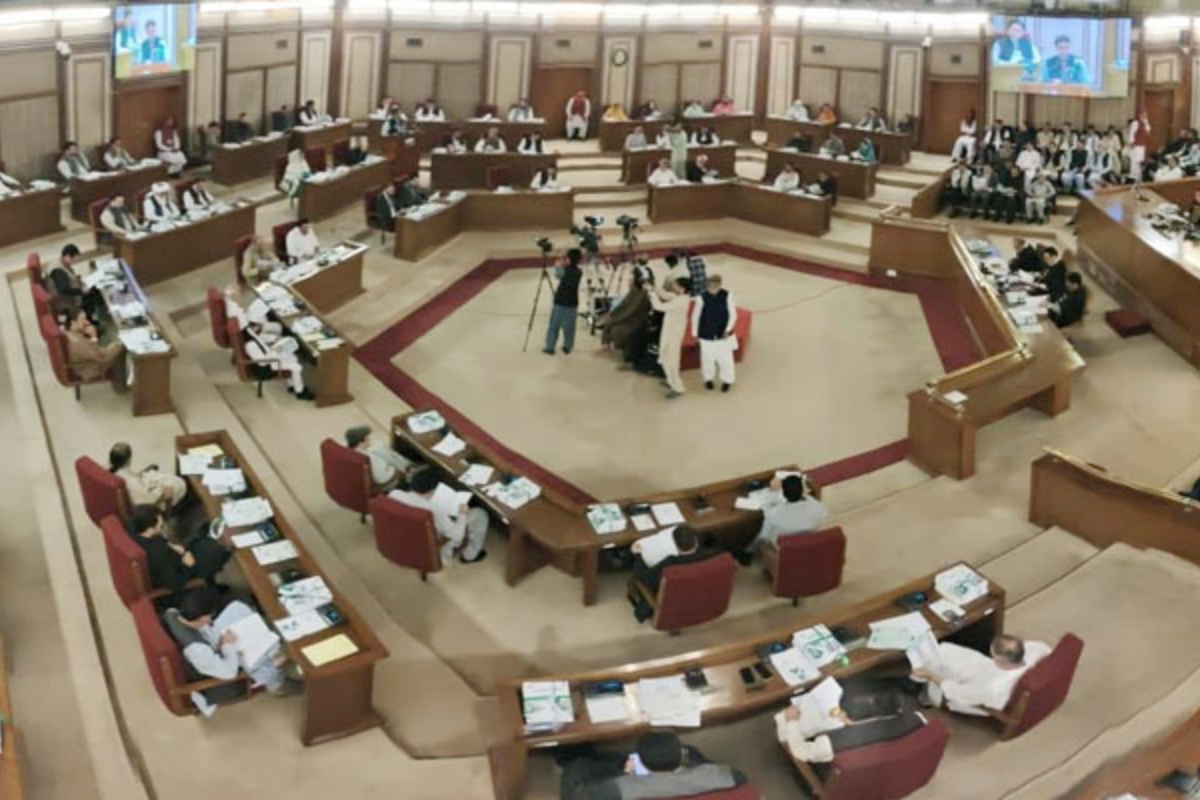
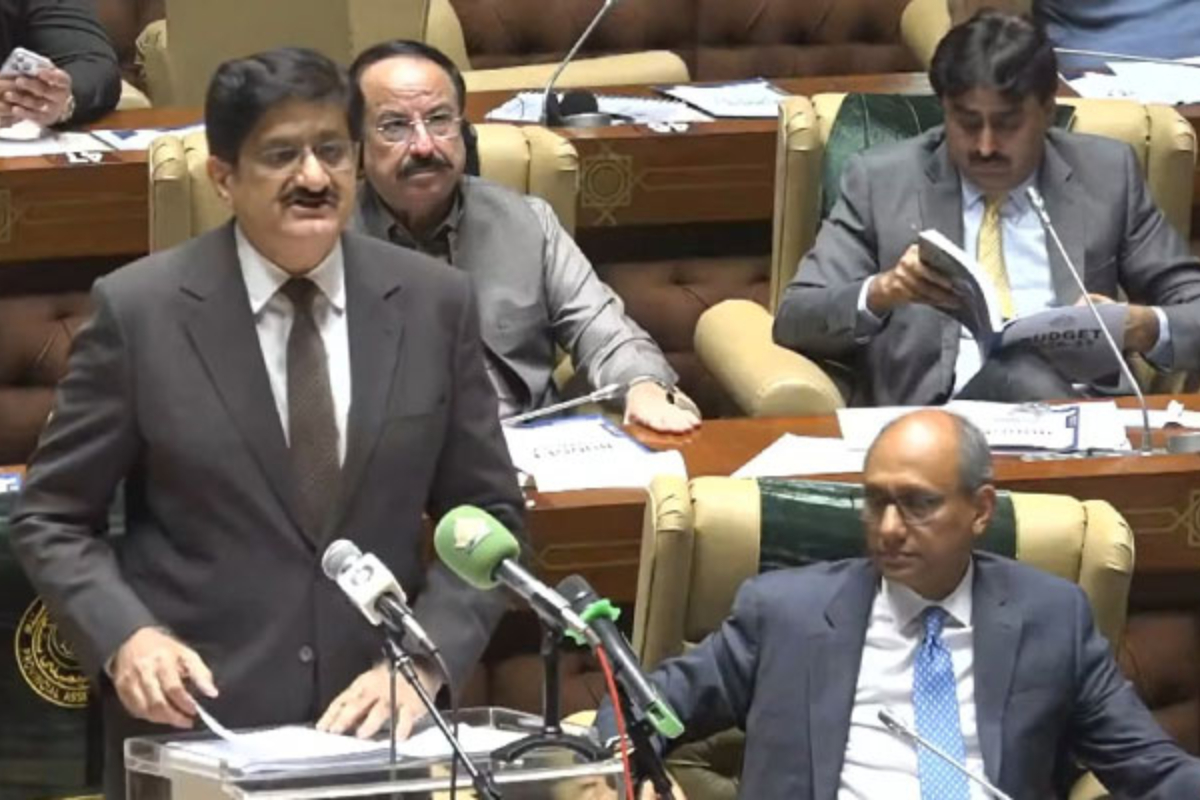
KARACHI: Sindh Chief Minister Murad Ali Shah on Wednesday presented the province’s budget for the 2026-27 fiscal year, announcing a 7% increase in salaries and pensions for government employees, raising the minimum monthly wage to Rs43,000 and introducing a range of development and social welfare initiatives.
Presenting the budget in the Sindh Assembly, Shah said the government would merge the ad hoc relief allowances granted in 2022 and 2025 into employees’ pay scales. He also announced that the minimum wage would be increased from Rs40,000 to Rs43,000 per month.
The chief minister said no new taxes had been imposed in the budget, which aims to provide relief to citizens and the business community. The government also decided not to introduce any new development schemes in the upcoming fiscal year, while proposing Rs2.56 trillion for non-development expenditures.
Education remained a key priority, with Rs601 billion allocated to the sector. The government also reduced sales tax on educational support services to 5%.
Shah announced plans to establish the Sindh International Financial Center in Karachi, describing it as a platform for infrastructure financing, Islamic finance and climate finance.
He said Sindh had agreed to arrangements worth Rs260 billion under Article 160 of the Constitution in support of national stability while safeguarding the province’s constitutional rights and development priorities under the NFC Award.
The budget also introduced a subsidized solar financing program for middle-income households. Shah said Rs18 billion would be spent to distribute 275,000 free solar home systems, adding that free solar units had already been provided to low-income families.
Among other initiatives, the chief minister announced the launch of the Sindh Green Data Infrastructure Initiative and a waste-to-value program aimed at converting waste into fuel and commercial products.
The government also plans special legislation to support small farmers by improving access to machinery, financing, insurance and modern technology.
In the health sector, Shah said services at major institutions, including National Institute of Cardiovascular Diseases, Sindh Institute of Cardiovascular Diseases, Sindh Institute of Urology and Transplantation and Jinnah Postgraduate Medical Centre would be expanded. He added that the 1123 telemedicine service and 1122 ambulance network would be further strengthened.
Shah highlighted the completion of the Rs60.7 billion Shahrah-e-Bhutto project, describing it as a major public convenience initiative.
He also reiterated plans to transform Keti Bandar into a global maritime, logistics, industrial and energy hub linked to the Dhabeji Special Economic Zone and Thar coal resources, with the goal of making it Pakistan’s next major economic gateway.