BREAKING NEWS
Advertise with us >

Pakistan’s auto sector enters new era of investment and innovation

Pakistan’s auto sector

ISLAMABAD: Pakistan’s automobile sector is witnessing a new phase of investment, innovation and industrial expansion driven by policy facilitation and structural reforms, according to industry and official statements.

Since the establishment of the Special Investment Facilitation Council, targeted measures have been introduced to promote investment in the auto industry, streamline policy support, and encourage industrial development across the sector.

Officials said that the Electric Vehicle (EV) policy introduced with the facilitation of SIFC has emerged as a key milestone, driving innovation and modernization in Pakistan’s automotive landscape over the past three years.

The improved business environment has helped restore investor confidence, positioning Pakistan as an increasingly attractive market for global automobile manufacturers and technology providers.

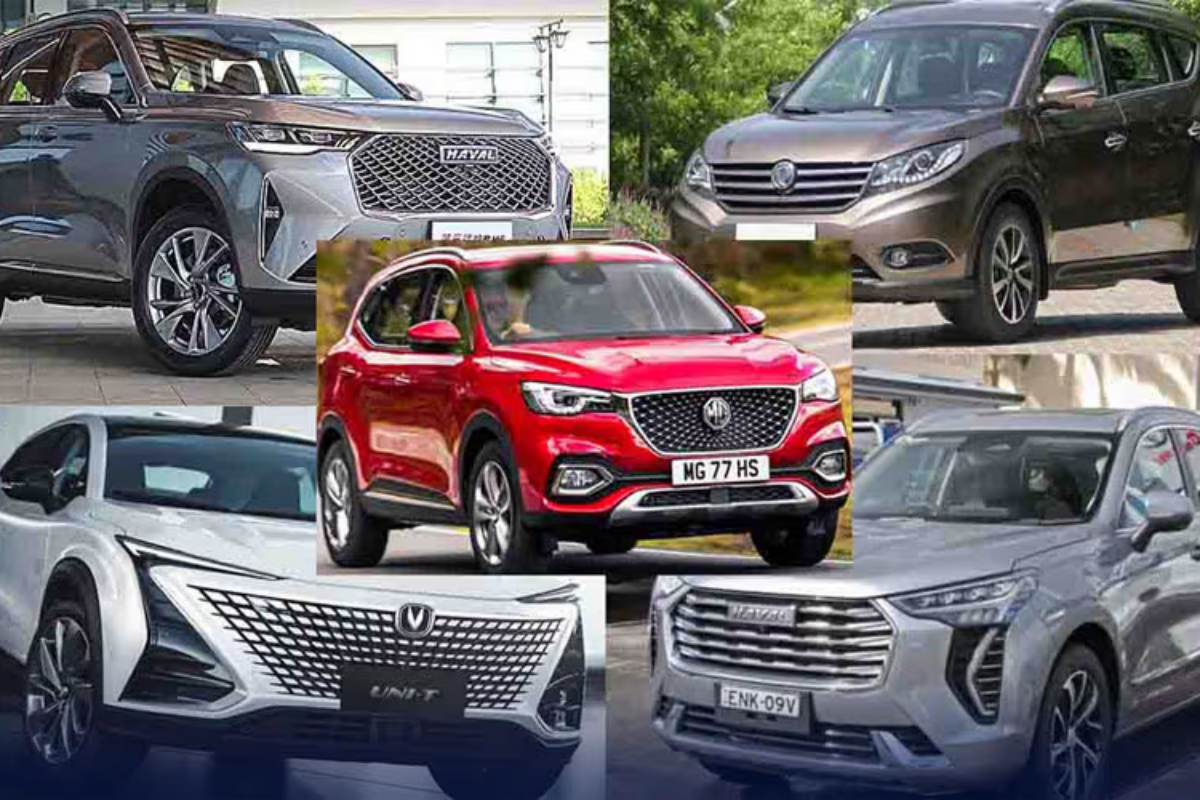
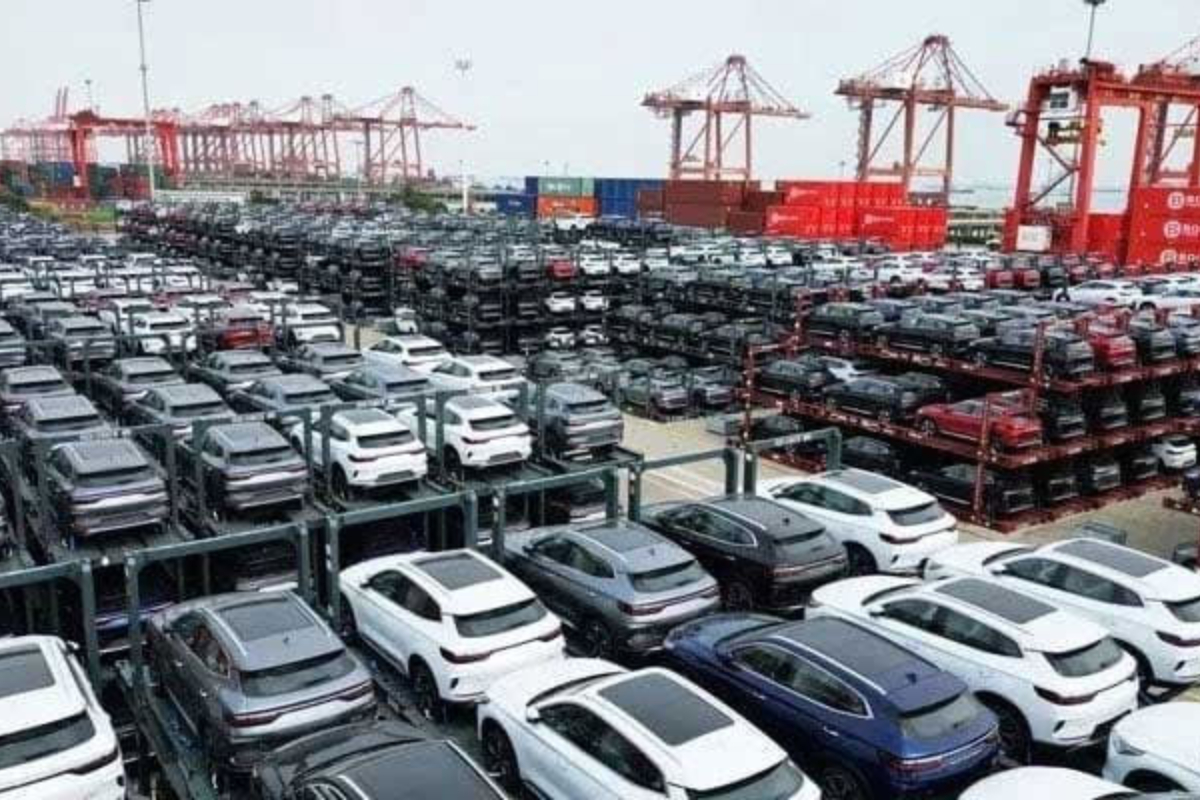
Several international automotive brands, including BYD, GAC, Changan, Denza, Omoda and Jaecoo, are expanding their presence in Pakistan and introducing new-generation vehicles and electric mobility technologies in the local market.

Industry observers also point to strategic partnerships, such as between Lucky Motor Corporation and Guangzhou Automobile Group, as evidence of growing international confidence in Pakistan’s auto sector.

With an estimated production capacity of around 500,000 units annually, Pakistan’s auto industry is seen as capable of meeting both domestic demand and supporting export potential.

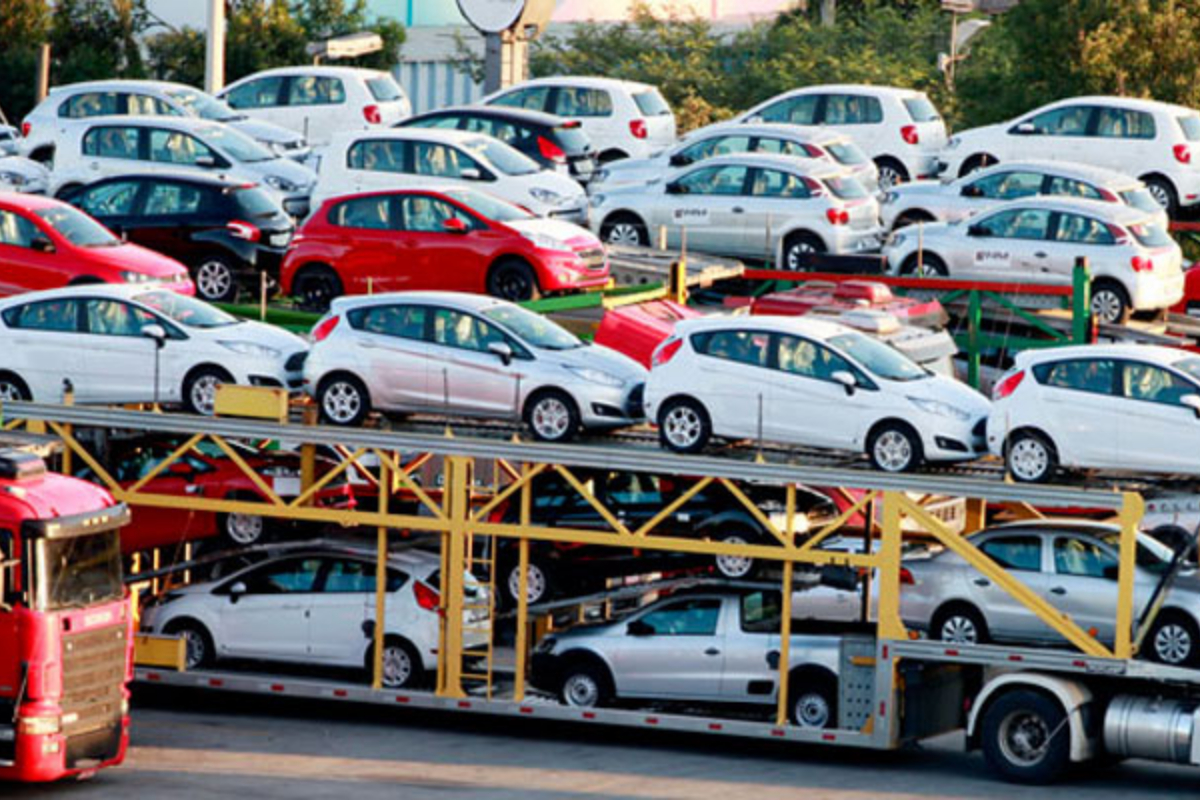
Under ongoing reforms supported by SIFC, efforts are also underway to integrate Pakistan into the global automotive value chain through new auto policies and a refurbishment export model.

Officials said the sector is gradually transitioning from traditional manufacturing to advanced, environmentally friendly mobility solutions, with increasing focus on electric vehicles, local production and technological advancement.c

Ferrari launches first fully electric vehicle ‘Luce’

Ferrari launches

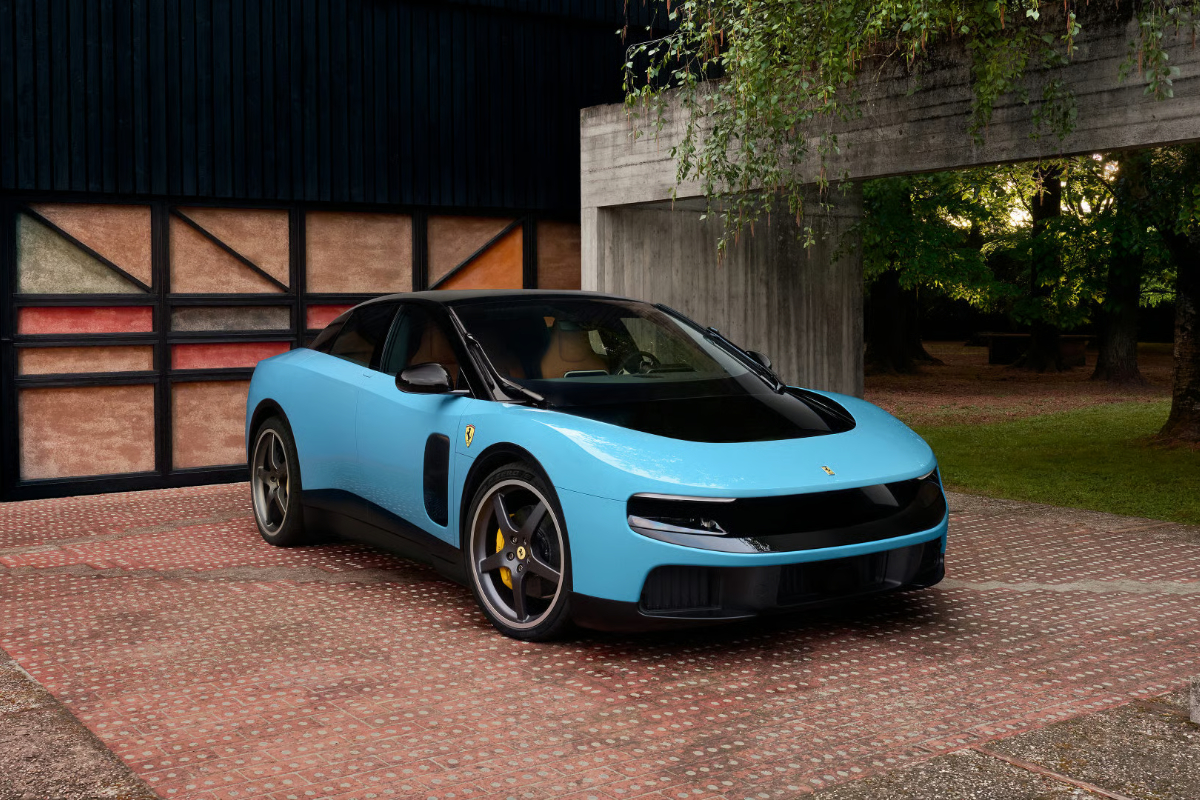
ROME: Luxury sports car maker Ferrari has unveiled its first fully electric vehicle, the “Luce,” marking a major shift for the brand as global automakers reassess their electric vehicle strategies amid weakening demand.

The company said the new model, whose name means “light” in Italian, comes at a time when several rivals are re-evaluating their EV plans due to slowing market demand.

The four-door “Luce” is being described as Ferrari’s first five-seater in its history. Its design reportedly involves collaboration with Jony Ive and his creative firm LoveFrom.

Unlike Ferrari’s traditional sports car styling, the Luce features a more spacious, glass-heavy design. Its interior combines leather, glass and anodized aluminum, while retaining physical buttons alongside digital controls instead of a fully touchscreen-based system.

Performance-wise, the vehicle includes four electric motors—one for each wheel—producing more than 1,000 horsepower combined. The company says it can exceed speeds of 310 km/h and travel over 500 kilometers on a single charge.

Despite being fully electric, Ferrari has incorporated systems to simulate engine-like vibrations and driving feedback inside the cabin to preserve its traditional driving feel.

The luxury EV offers 600 liters of boot space and advanced technology features. It is priced at approximately 550,000 euros ($640,000).

Ferrari Chief Executive Officer Benedetto Vigna said the project represents five years of development work, with deliveries expected to begin in the final quarter of 2026.

Elon Musk nears trillionaire status as SpaceX eyes massive IPO

Elon Musk

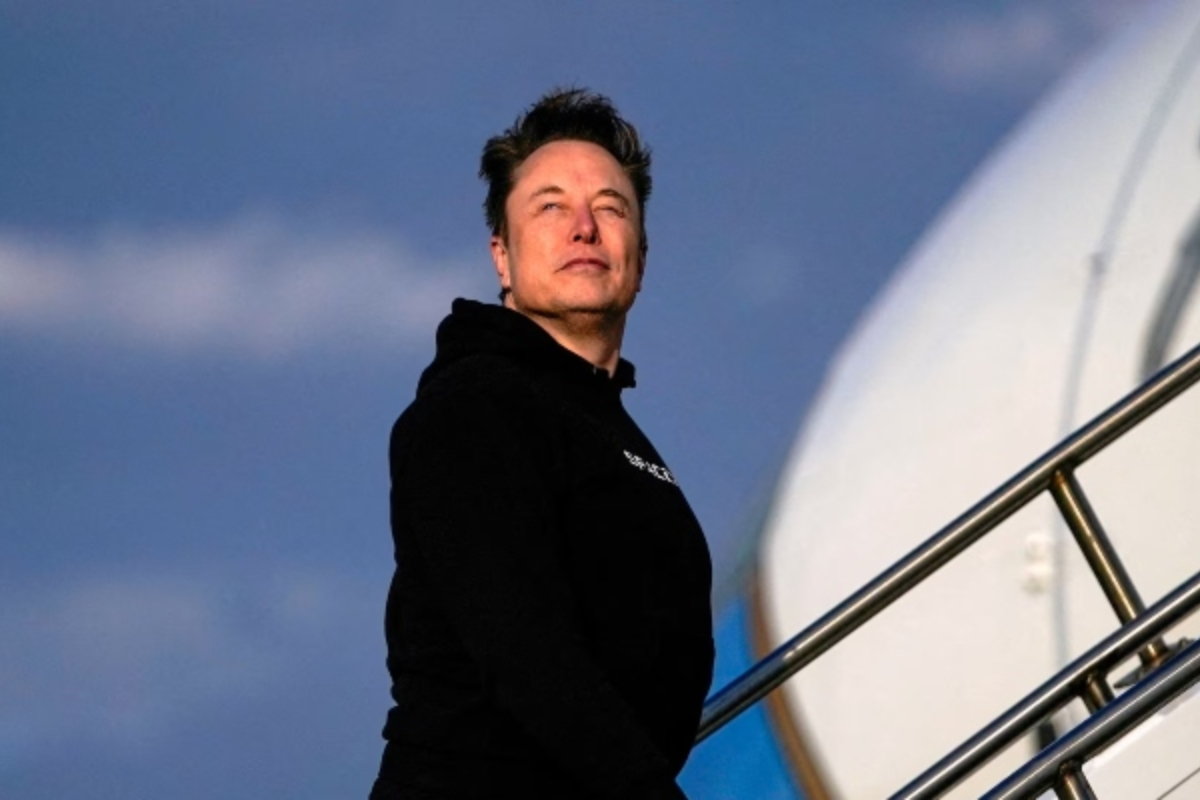
NEW YORK: Elon Musk, already regarded as the world’s richest person, is moving closer to becoming the world’s first trillionaire as SpaceX prepares for a potential public offering at a reported market valuation of $1.75 trillion.

Musk holds a major stake in SpaceX, and analysts believe the company’s proposed valuation could significantly boost his personal wealth if the share offering moves forward as planned.

The billionaire entrepreneur is reportedly considering listing SpaceX shares on the U.S. stock market, a move that could push his net worth beyond the $1 trillion mark.

According to reports, SpaceX is targeting mid-June 2026 for its initial public offering (IPO). Company documents state that the fundraising effort is aimed at supporting long-term plans to send humans to the Moon and Mars, citing concerns about the long-term survival of humanity on Earth.

The documents reportedly state that the company does not want humanity to face the same fate as dinosaurs.

While the filings do not specify how much capital SpaceX intends to raise, several reports suggest Musk is aiming to secure around $75 billion in investment funding for future projects.

SpaceX has become one of the world’s leading private aerospace companies after successfully developing reusable rockets and building the large-scale Starlink satellite network.

Meanwhile, Musk could also potentially reach trillionaire status through Tesla, which previously approved a compensation package tied to ambitious performance targets.

However, analysts say major challenges remain. Tesla’s market value would need to climb to nearly $8.5 trillion from its current level of around $1.5 trillion for Musk to fully unlock parts of that package.

Similarly, SpaceX would face pressure to significantly grow revenues and justify a $1.75 trillion valuation if the IPO proceeds.

Pakistan auto industry sees strong surge in sales in April 2026

Pakistan auto

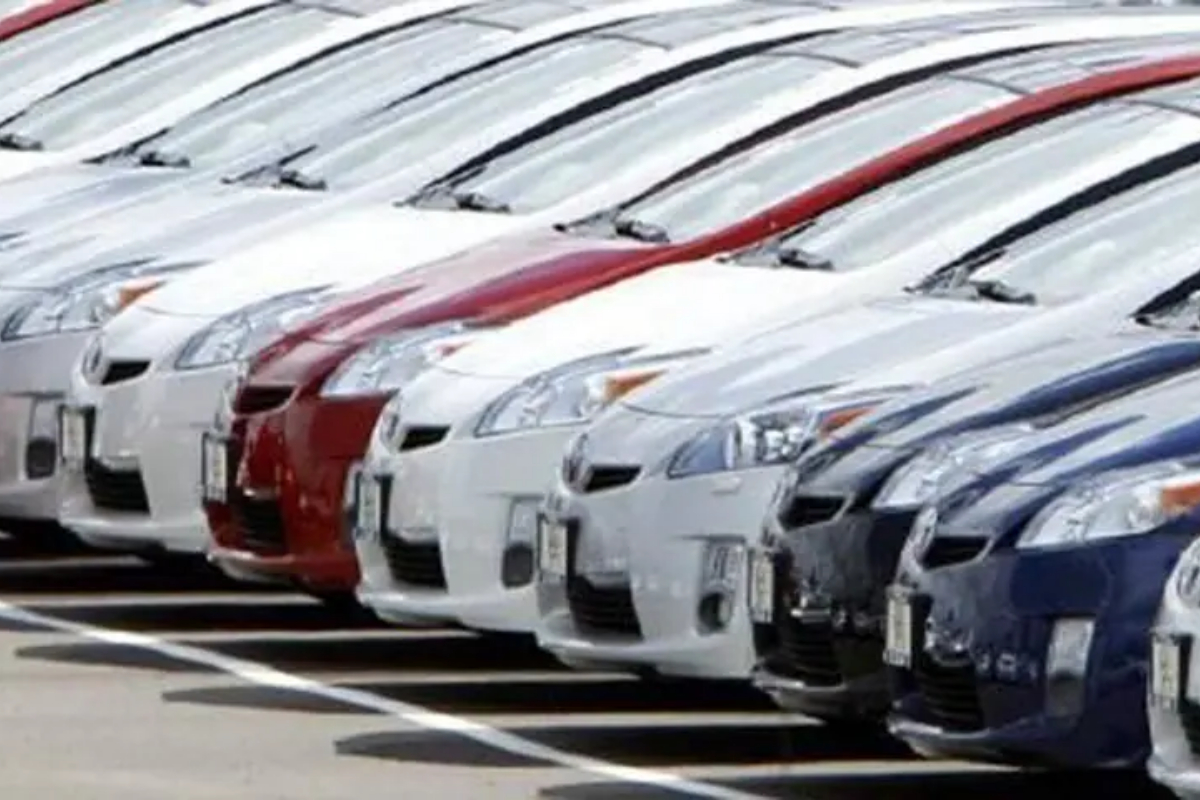
KARACHI: Pakistan’s auto industry recorded a significant recovery in April 2026, with strong growth in both passenger vehicles and motorcycles, according to data released by the Pakistan Automotive Manufacturers Association.

Total car sales in April reached 17,387 units, marking a 48% increase compared to March and a 117% rise on a year-on-year basis.

Motorcycle sales also showed robust performance, reaching 187,724 units, reflecting a 41% annual growth.

Among manufacturers, Pak Suzuki Motor Company maintained its market leadership by selling 11,012 vehicles during April. The company recorded a sharp 175% year-on-year increase in sales.

Indus Motor Company posted sales of 4,330 units, showing a 33% increase, while Honda Atlas Cars Pakistan sold 2,716 units, reflecting a 59% annual growth.

Hyundai Nishat Motor reported sales of 1,002 units during the month.

Other manufacturers also posted strong gains, with Sazgar Engineering Works witnessing an 88% increase, while demand for Haval vehicles surged significantly.

The Suzuki Alto remained the best-selling car in April with 7,567 units sold, showing an impressive 232% year-on-year increase.

Other models also performed strongly, with Suzuki Swift sales rising 229% and Cultus increasing by 235%.

Combined sales of Toyota Corolla, Yaris, and Corolla Cross reached 3,451 units. Honda Civic and City recorded a 55% growth in sales.

The tractor industry also showed strong recovery, posting a 76% year-on-year increase.

Analysts say the overall performance reflects improving consumer confidence and early signs of recovery in Pakistan’s auto sector.

Chinese firm unveils rocket-boosted concept car with extreme acceleration

Chinese firm unveils

Chinese technology company Dreame Technology has introduced a striking concept vehicle that combines electric mobility with rocket booster propulsion, delivering extraordinary acceleration performance.

The vehicle, named Nebula Next 01 Jet Edition, was showcased in the United States and features a dual rocket booster system, enabling it to accelerate from 0 to 100 km/h in just 0.9 seconds an achievement rarely seen in conventional automotive engineering.

Known primarily for manufacturing smart home appliances such as vacuum cleaners, Dreame announced its entry into the automotive sector in August 2025.

The company revealed that aerospace-grade technology has been integrated into the concept car, allowing response times as fast as 150 milliseconds.

According to the company, the propulsion system is designed to maintain a balance between high performance and safety.

The electric vehicle is equipped with an advanced all-solid-state battery capable of delivering a range of up to 550 kilometers on a single charge, offering improved energy efficiency compared to traditional lithium-based batteries.

Additionally, the car incorporates a LiDAR system with a detection range of up to 600 meters, significantly enhancing its ability to identify obstacles and reduce collision risks.

Dreame clarified that the Nebula Next 01 Jet Edition remains a concept vehicle and is not currently intended for commercial production or sale.

Toyota announces $300 Million investment plan in auto sector

Toyota announces

KARACHI: In a major development for Pakistan’s auto industry, Toyota has announced plans to invest $300 million in the country over the next five years. The announcement was made by Ali Asghar Jamali, Chief Executive Officer of Indus Motor Company.

According to Jamali, Toyota has already invested $736 million in Pakistan over the past 35 years, reflecting its long-term commitment to the local market.

However, he highlighted that heavy taxation remains a key challenge, noting that large vehicles in Pakistan are subject to taxes of up to 60 percent.

He emphasized that automobile manufacturers operate globally and place immense importance on maintaining their brand reputation, adding that no company compromises on quality standards.

Comparing market dynamics, Jamali pointed out that around 90 million vehicles were sold worldwide last year, whereas Pakistan’s total sales stood at just 200,000 units, indicating significant growth potential in the local market.

He urged the government to introduce a long-term auto policy spanning at least 10 years, stating that consistent and stable policies would boost manufacturing and attract greater foreign investment into the sector.

Jamali further revealed that approximately 60 percent of vehicle parts used by Indus Motor Company are now locally manufactured, contributing to industrial development and localization.

Discussing future trends, he said electric vehicles (EVs) represent the global future of mobility, but Pakistan currently lacks the necessary EV charging infrastructure to support large-scale adoption.

On performance, he noted that the company achieved a 1 percent increase in market share last year, while a decline in interest rates has led to a rise in auto financing over the past three years.

He added that the company will align its future strategy in accordance with government policy directions. Furthermore, Indus Motor Company has paid $6.3 billion in taxes to date and has helped save $6.5 billion in foreign exchange through local production.

Pakistan Auto sales surge 46% in first half of fiscal year

Pakistan Auto sales

KARACHI: Pakistan’s automobile market recorded a strong rebound in the first six months of the current fiscal year, with overall vehicle sales rising by 46 percent.

According to a report released by the Pakistan Automotive Manufacturers Association (PAMA), total vehicle sales increased to 88,322 units during the six-month period.

The report shows that sales of jeeps and pickup vehicles grew by 58 percent, reaching 22,412 units. Truck sales witnessed a sharp rise of 106 percent to 3,071 units, while bus sales increased by 52 percent to 461 units.

Motorcycle and rickshaw sales also showed significant growth, climbing 33 percent to 921,566 units.

In contrast, tractor sales declined by 26 percent, falling to 12,929 units during the same period.

XPeng unveils SUV that can cover 1,058 miles without stopping

XPeng unveils SUV

Beijing: Automakers worldwide are increasingly focusing on environmentally friendly fuels as alternatives to conventional energy sources, with electric vehicles (EVs) leading the charge.

Chinese company XPeng has now introduced a breakthrough: the G7 SUV, an electric hybrid capable of traveling up to 1,058 miles on a single charge.

The G7 SUV features a 55.8 kWh battery pack paired with a small petrol engine, supported by a 60-liter fuel tank.

Unlike traditional hybrid systems that rely on small battery packs and electric motors, the G7 combines its battery and petrol engine to recharge the battery during travel, significantly extending the driving range.

According to the company, the vehicle can travel distances equivalent to Beijing to Shanghai—or roughly Karachi to Lahore—without stopping.

Alongside the G7 SUV, XPeng also unveiled the P7 Plus sedan, which employs a similar super-extended range technology.

The sedan’s battery allows 267 miles per single charge, with a total range of 963 miles when combining battery and petrol usage.

Pricing for the G7 SUV is set at CNY 195,800, while the P7 Plus sedan starts at CNY 180,800.

XPeng plans to market these vehicles outside China, targeting Europe, Southeast Asia, the Middle East, and Africa, positioning them as competitors to Tesla in the global EV market.

This development underscores the rapid advancements in hybrid and extended-range electric vehicles, offering consumers both eco-friendly driving and unprecedented travel distances on a single charge.

Autonomous Robo-car now available for public purchase

Autonomous Robo-car

Self-driving vehicles are currently limited to a few countries and mainly offered through ride-sharing services. However, those who wish to own a car capable of autonomous driving—with minimal steering involvement—may soon have that option.

At the Consumer Electronics Show (CES) in Las Vegas, the company Tenser unveiled its new self-driving robo car designed for everyday consumers.

According to the company, the car can be driven manually as well. When seated in the driver’s position, a touch-screen display allows the steering wheel, brake pedals, and other controls to appear at the push of a button. In autonomous mode, the steering wheel is concealed inside a side screen on the driver’s seat.

The vehicle is equipped with dozens of microphones that enable passengers to give voice commands, such as adjusting the air conditioning or rolling down windows. Each passenger will have access to their own screen, with a total of four displays inside the car. Cameras mounted above each display also provide video call functionality. Passengers in the driver’s seat can interact with these features even while the car is in autonomous mode.

For safety and navigation, the car includes cameras, LiDAR, radar, and ultrasonic sensors that detect objects and help plan the route. Small external displays are installed at each corner of the car to signal pedestrians when it is safe to cross the street.

The robo car will be available in silver and black. While the company has not yet disclosed the price, it confirmed that the vehicle will be released to consumers later this year, initially in the United States, Europe, and the United Arab Emirates.

BYD tops global sales in new energy vehicles

BYD sets

Chinese electric vehicle manufacturer BYD has announced its global sales results for 2025, reporting over 4.6 million new energy vehicles (NEVs) sold worldwide, securing its position as the top-selling NEV company globally.

For the first time, BYD achieved over 1 million overseas sales in a single year, marking a significant milestone in its international expansion.

Li Jian, Country Head of BYD Pakistan, stated, “The year 2025 has been a defining period for BYD. Alongside record-breaking sales, we have received remarkable recognition both domestically and internationally.”

He added, “In Pakistan, our vehicles have received overwhelmingly positive responses from consumers, reflecting the growing demand for new energy solutions.”