BREAKING NEWS
Advertise with us >

Pakistan plans $500mn ADB loan for pension reforms

Pakistan plans

ISLAMABAD: Pakistan plans to borrow $500 million from the Asian Development Bank to finance pension reforms, a loan equivalent to about 138.48 billion Pakistani rupees, according to sources in the Finance Ministry.

The program, titled the Transforming Public Sector Pension Program, will be structured as a three-year program loan, the sources said.

The ADB financing will also include $15.92 million in technical assistance, they said.

According to the sources, the program is scheduled to begin Nov. 1, 2026, and conclude in November 2029.

The new loan program will be linked to the achievement of specified reform results, the sources said.

Pakistan’s existing pension system has become a major burden on the national treasury, with the federal government’s annual pension bill reaching 1.169 trillion rupees, according to the sources.

The planned reforms are aimed at addressing the growing fiscal pressure from pension expenditures and improving the sustainability of the public sector pension system.

Pakistan restricts supplementary grants under IMF conditions

Pakistan restricts

ISLAMABAD: Pakistan’s Finance Ministry has decided to restrict supplementary budget grants beyond the limits approved by Parliament, except in cases involving severe natural disasters, as part of efforts to comply with conditions under the International Monetary Fund’s $7 billion Extended Fund Facility.

The ministry’s Budget Wing has developed a strategy for reallocating funds and providing additional financing during the current fiscal year.

Under the new guidelines, funds that cannot be provided through re-appropriation or technical supplementary grants will require the relevant principal accounting officer to submit a strong justification and acceptable reasons for seeking a supplementary grant.

The Finance Ministry said the measures are aimed at ensuring greater budgetary discipline and controlling unplanned expenditures during the implementation of the IMF program.

The guidelines will apply during the current and future financial years to all principal accounting officers, government departments, institutions, subordinate offices and accounting organizations and offices.

Under the policy, requests for additional spending beyond the budget approved by Parliament will generally not be considered, with severe natural disasters identified as an exception.

Pakistan, US agencies seize 463kg of crystal meth worth $21 million

Pakistan

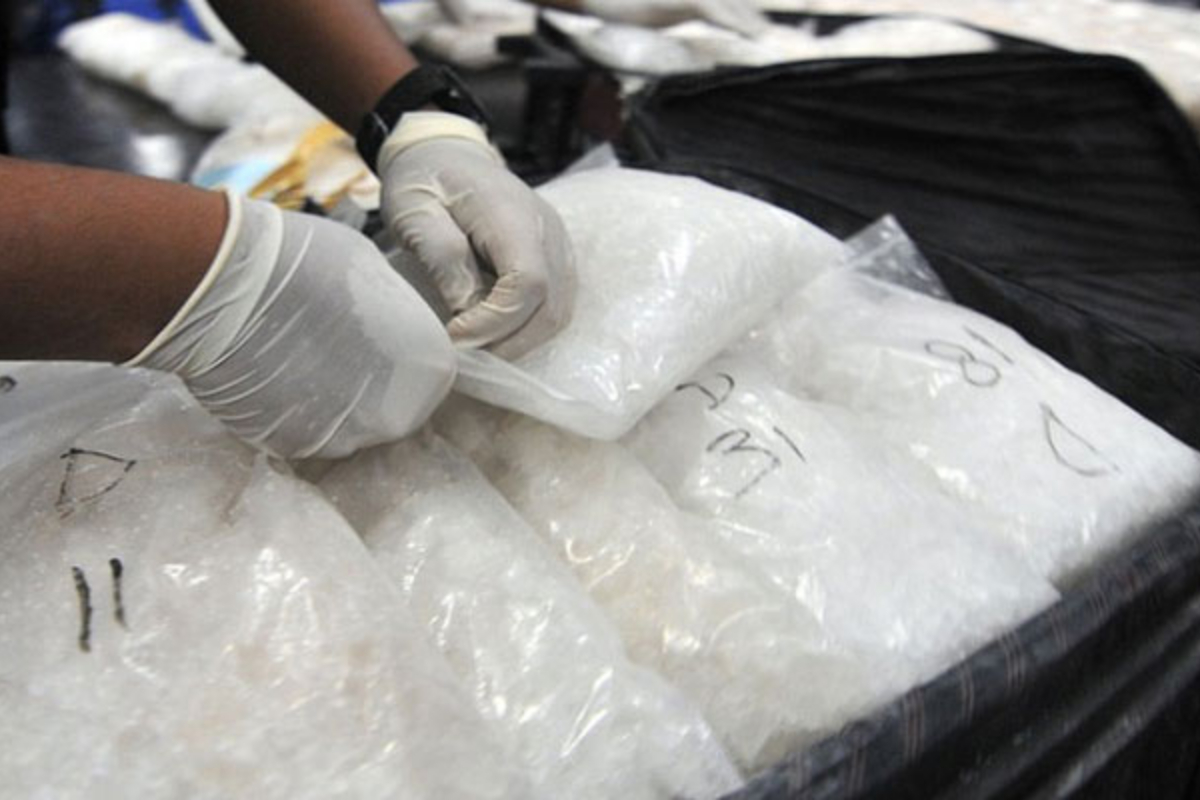
ISLAMABAD: Pakistani and US authorities have seized 463 kilograms of crystal methamphetamine, valued at about $21 million, in a joint counter-narcotics operation targeting a drug trafficking network linked to Afghanistan, the U.S. Embassy said Tuesday.

The operation was conducted Aug. 30 by Pakistan’s Anti-Narcotics Force and the U.S. Drug Enforcement Administration, according to the embassy.

The suspected containers carrying the drugs were allegedly destined to be shipped from Pakistan to Colombo, Sri Lanka, the embassy said.

The seized methamphetamine was valued at about $21 million, equivalent to roughly 5.82 billion Pakistani rupees, according to the embassy.

Authorities from Pakistan, the United States and Sri Lanka cooperated in the operation, which also resulted in the arrest of several suspects, the embassy said.

The U.S. Embassy said Washington continues to support the training of Pakistan’s Anti-Narcotics Force as part of ongoing counter-narcotics cooperation.

Pakistan’s textile exports reach four-year high of $18 billion

Pakistan’s textile

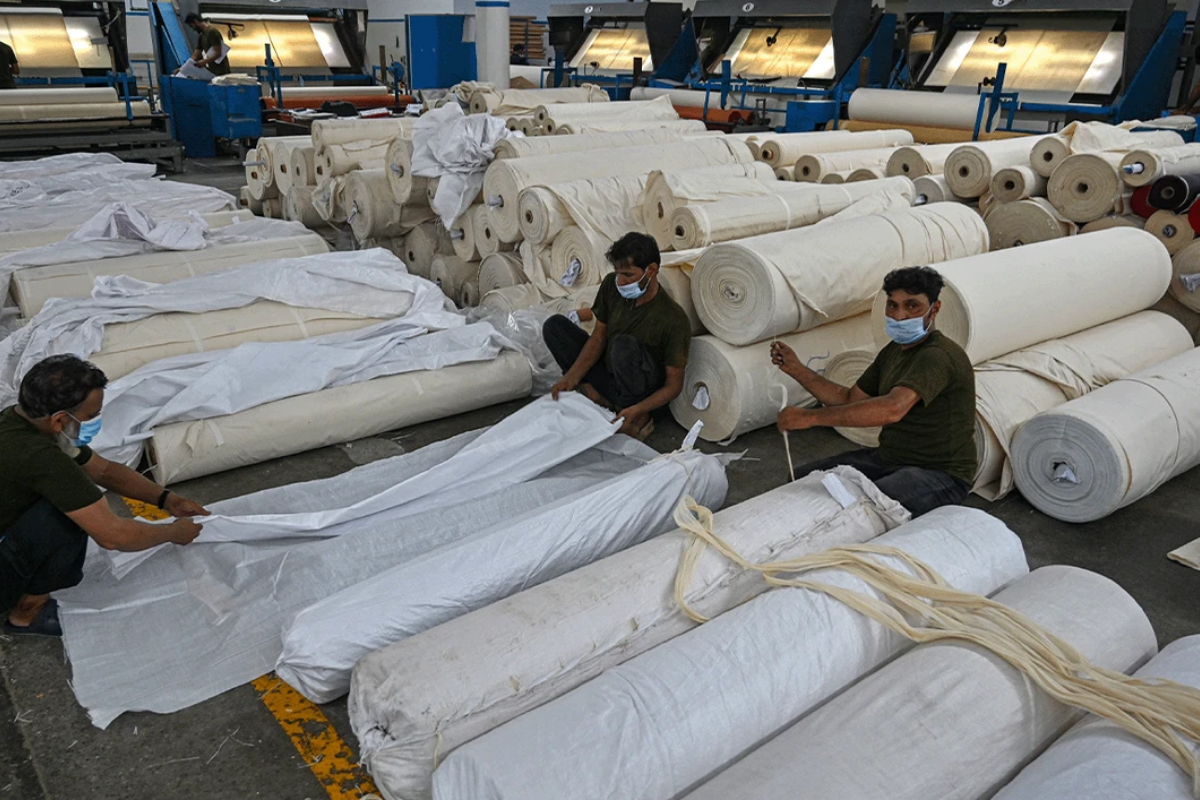
KARACHI: Pakistan’s textile and apparel exports rose 0.3% to $18 billion in fiscal year 2025-26, reaching their highest level in four years, according to the Pakistan Textile Council’s first annual Export Performance Report.

The increase came despite a 5.9% decline in Pakistan’s overall exports, which fell to $30.14 billion during the fiscal year. Textiles accounted for nearly 60% of the country’s total exports.

The report said the growth in textile exports was driven entirely by apparel and home textiles and made-ups. Exports under Chapters 61 to 63 rose 1.1% to $14.98 billion, accounting for 83.2% of total textile exports, compared with 77% in fiscal year 2021-22.

Exports of raw materials and intermediate textile products declined 3.4% to $3.03 billion, their lowest level in five years.

Non-knit apparel exports increased 3.9% to a record $4.295 billion. Exports of men’s cotton trousers rose 19%, while women’s cotton trousers increased 54%.

Home textiles and made-ups remained the largest single textile export category at $5.705 billion, although growth was limited to 0.6%. Knitwear exports declined 0.7% to $4.979 billion.

The European Union remained Pakistan’s largest textile export market at $7.103 billion, down from $7.248 billion previously. Textile exports to the United States reached $4.853 billion, while exports to the United Kingdom stood at $1.730 billion.

Exports to China increased to $644 million, while those to Bangladesh remained broadly stable at about $620 million. The report attributed the increase in exports to China and Bangladesh mainly to cotton yarn and fabric.

Pakistan Textile Council CEO Muhammad Hassan Shafqat said the modest growth in textile exports demonstrated the sector’s ability to remain globally competitive, but warned that the availability of raw materials, particularly cotton, remained a concern.

He said cotton production stood at just 5.5 million bales in the latest season, the lowest level in three decades, compared with a record 14.8 million bales in 2011-12. The shortfall is increasingly being met through imports, according to the report.

Textile and apparel exports stood at $1.27 billion in June 2026, down 17% from a year earlier and 23% from the previous month. The decline indicated weaker order flows at the start of fiscal year 2026-27, the report said.

The Pakistan Textile Council proposed 11 measures across six areas to improve the sector’s export competitiveness. The recommendations include reducing corporate income tax to 15%, automating and speeding up sales and income tax refunds, ensuring competitive and reliable energy supplies, improving access to financing and making credit more accessible to small and medium-sized enterprises.

The council also recommended facilitating indirect exporters, ensuring the long-term continuity of GSP+ benefits, pursuing free trade agreements with the United States and United Kingdom, securing competitive freight rates, reducing transit times and strengthening the capacity of Pakistan National Shipping Corp.

For the cotton sector, the council called for an integrated national strategy focused on quality seeds, farmer digitalization and traceability.

The council said the recommendations would form the basis of its policy advocacy agenda for fiscal year 2026-27.

Pakistan’s foreign exchange reserves reach record $21.4 Billion

Pakistan’s foreign

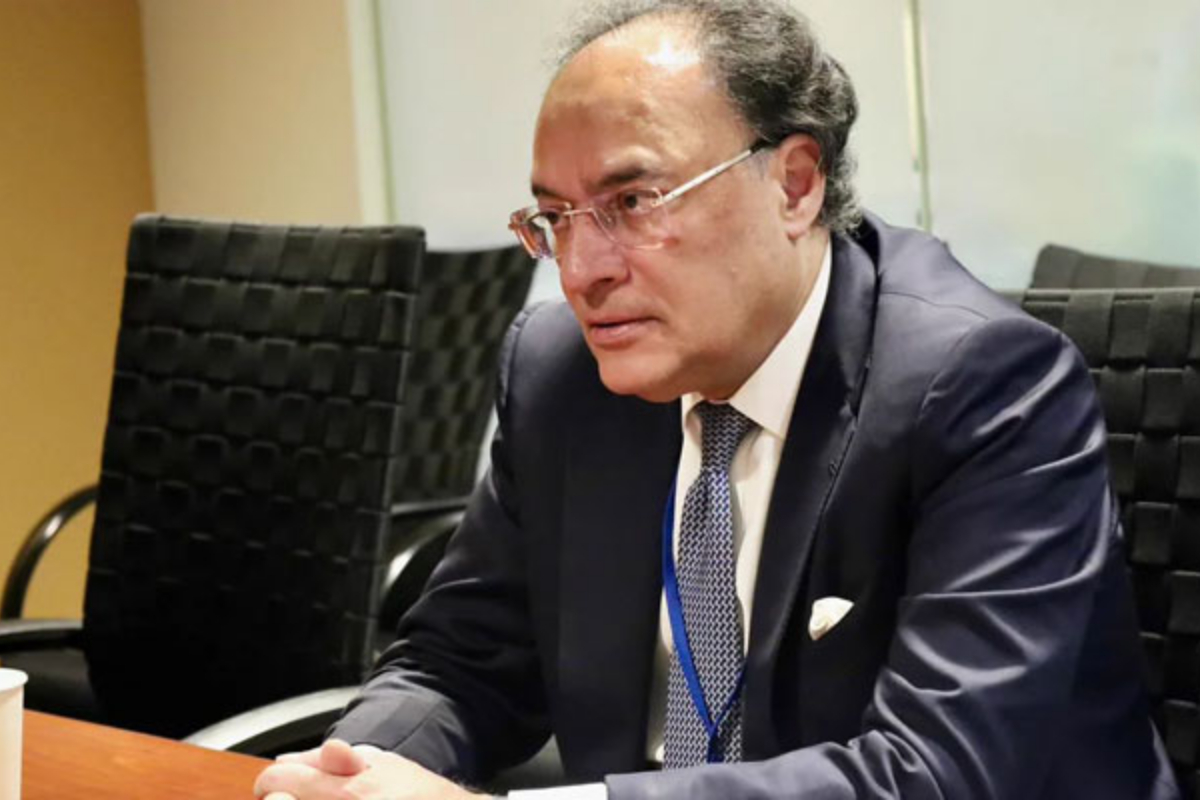
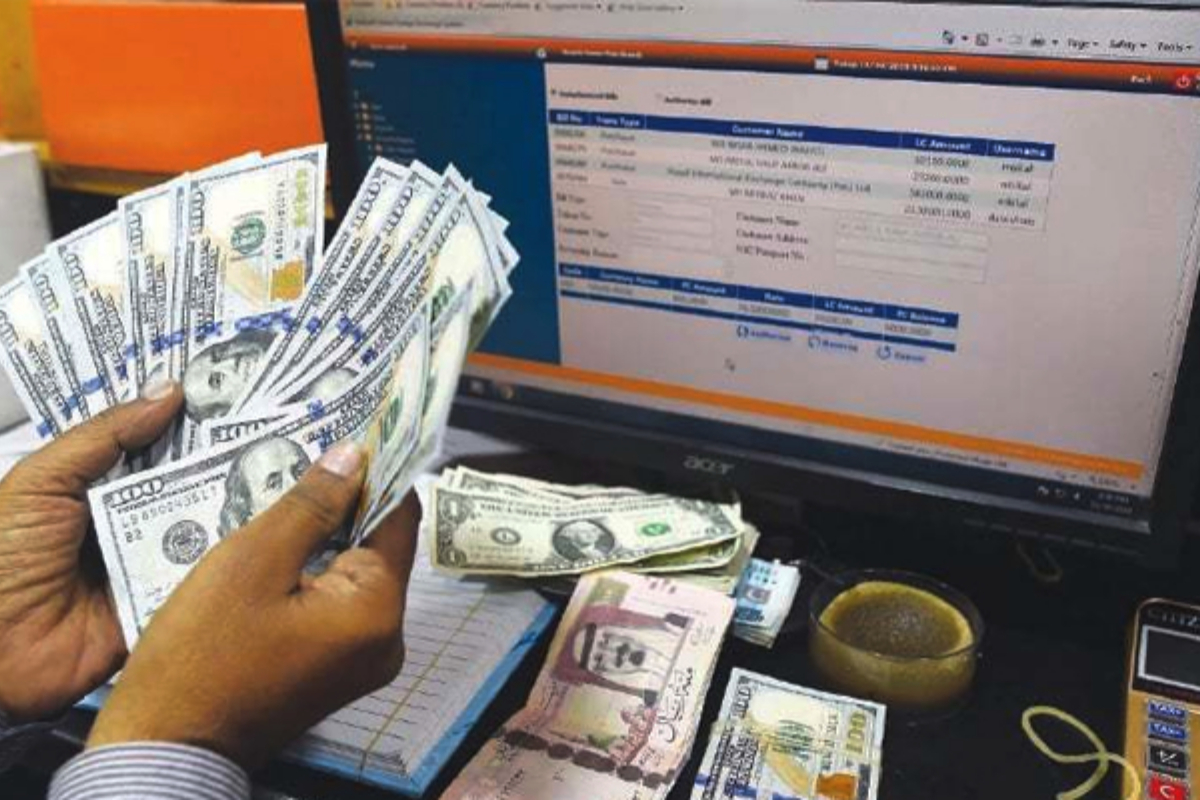
ISLAMABAD: Pakistan’s foreign exchange reserves have reached a record $21.4 billion, Prime Minister Shehbaz Sharif said, describing the development as a historic milestone toward economic stability.

Sharif expressed gratitude over the increase in the country’s reserves and said the stronger economic position would open new avenues for investment and sustainable economic growth.

He said the rise in foreign exchange reserves would enhance Pakistan’s ability to withstand global economic challenges and strengthen its capacity to meet external payment obligations.

The prime minister also praised Finance Minister Muhammad Aurangzeb, the economic team and overseas Pakistanis for their contributions to strengthening the country’s foreign exchange position.

Hybrid vehicles up to 2,000cc exempted from sales tax in Pakistan

Hybrid vehicles

ISLAMABAD: Pakistan has exempted locally manufactured hybrid electric vehicles with engine capacities of up to 2,000cc from sales tax, the Finance Ministry said Monday.

The ministry amended sales tax rules concerning hybrid electric vehicles, bringing locally produced hybrid vehicles with engines of up to 2,000cc under the tax exemption.

The Finance Ministry also issued a notification confirming the amendment, which will take effect immediately.

The move is expected to provide tax relief for consumers and manufacturers of eligible locally assembled hybrid vehicles.

Pakistan issues brownfield refinery policy, paving way for $5b upgrades

Pakistan issues

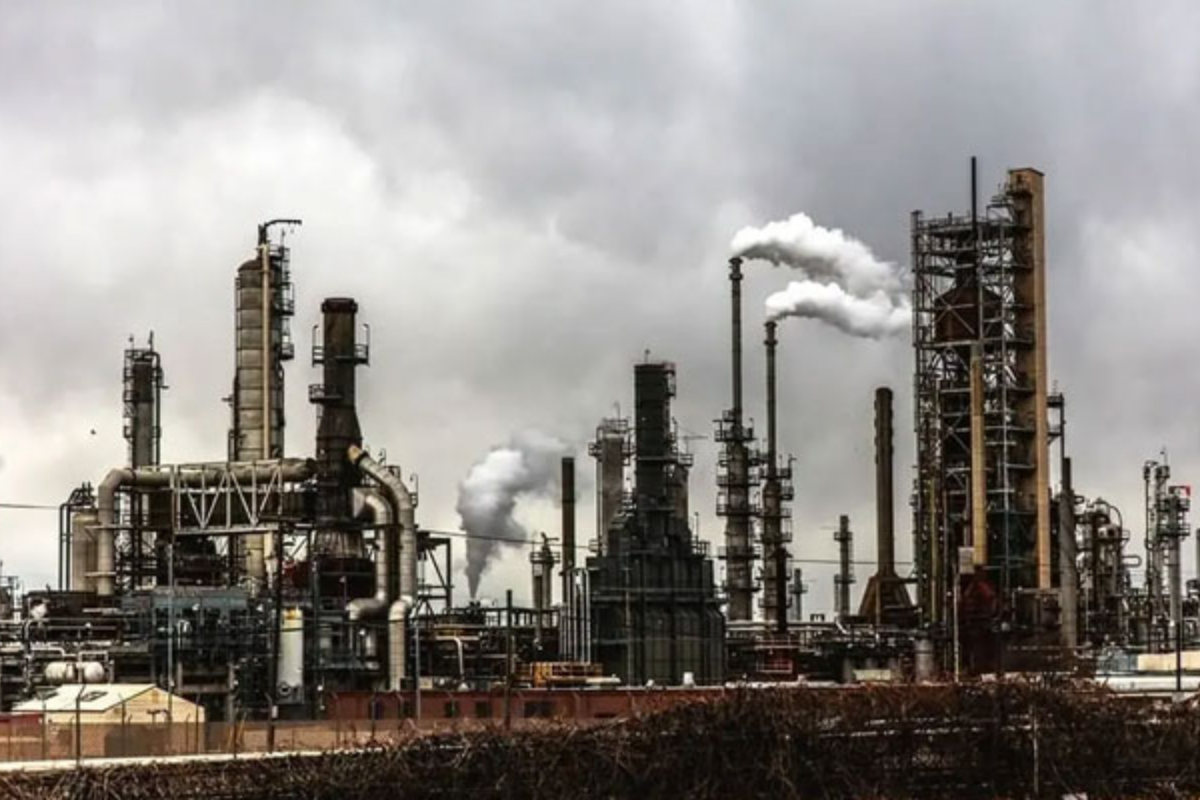
ISLAMABAD: Pakistan has issued its brownfield refinery policy, paving the way for refinery upgrade projects worth an estimated $5 billion.

Under the policy, refineries must sign upgrade agreements by Oct. 1. Failure to do so will result in a further reduction in the deemed duty on high-speed diesel.

If refineries fail to sign the agreements by Nov. 15, the deemed duty will be completely abolished, according to the policy.

The policy also requires refineries to maintain inventories equivalent to 20 days of imported crude oil and 15 days of locally produced crude.

Pakistan reports fourth polio case of 2026

Pakistan reports

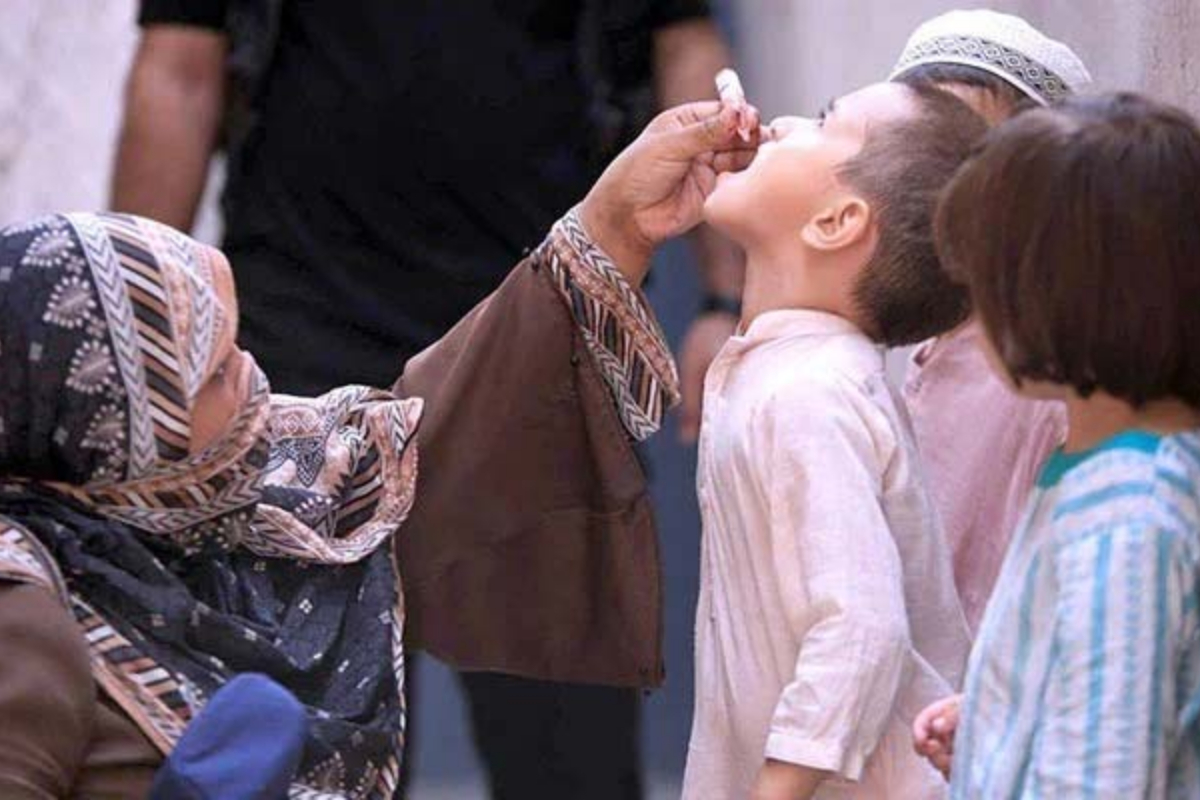
ISLAMABAD: Pakistan has reported its fourth polio case of the year, with the latest case detected in Bannu district of Khyber Pakhtunkhwa, health authorities said Friday.

According to the National Emergency Operations Centre (NEOC), the affected child is from the Naurar union council of Miryan tehsil in Bannu. Three of the four polio cases reported in Pakistan this year have emerged from the Bannu division.

NEOC officials said security challenges had prevented health teams from maintaining regular access to children in parts of Bannu division. Polio teams have been unable to regularly reach children in Naurar union council since 2025, they said.

Officials warned that the continued presence of unvaccinated children was allowing the poliovirus to circulate in southern Khyber Pakhtunkhwa. While transmission of the virus has declined nationally, the risk remains high in southern parts of the province, they said.

Pakistan reported 31 polio cases in 2025, according to the NEOC.

The next nationwide polio vaccination campaign will run from Sept. 21 to 27, with health authorities planning to administer polio drops to about 31 million children.

The NEOC said polio vaccination was safe and effective and had been used in 195 countries.

Pakistan sets England 130-run target in Birmingham Test

Pakistan sets

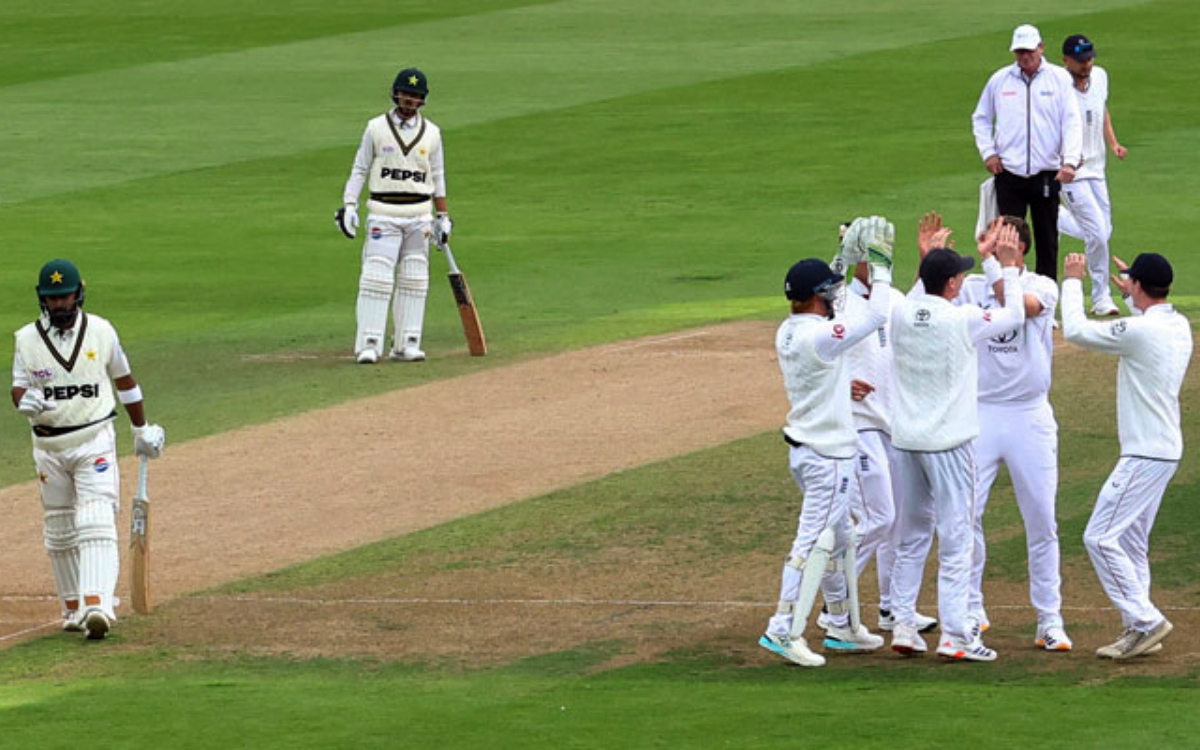
BIRMINGHAM: Pakistan were bowled out for 449 in their second innings on Friday, setting England a target of 130 runs to win the third and final Test.

Shan Masood top-scored for Pakistan with 95, while captain Babar Azam made 76. Azan Awais scored 59 and Mohammad Abbas added 42.

England’s Gus Atkinson took three wickets, while Dan Lawrence, Ollie Robinson and Josh Tongue claimed two each.

Razaullah impressed with the bat on his Test debut, scoring 81 runs. He hit nine sixes, equaling the record for the most sixes by a batter in a Test debut innings.

New Zealand’s Tim Southee had also hit nine sixes against England in 2008.

Pakistan reach 52-2 as rain ends second day of Edgbaston Test

Pakistan

BIRMINGHAM: Pakistan reached 52-2 in their second innings before rain brought an early end to the second day of the third and final Test against England at Edgbaston on Thursday.

Pakistan, who were bowled out for 133 in their first innings, began their second innings 320 runs behind England after the hosts made 453.

The tourists again made a poor start, with openers Saim Ayub and Abdullah Shafique dismissed for ducks by Ollie Robinson.

Azan Awais and Shan Masood then steadied Pakistan’s innings, reaching 52 before play was abandoned because of rain. Awais was unbeaten on 29 and Masood on 21.

Pakistan still trail England by 268 runs and need to match the hosts’ first-innings total to avoid an innings defeat.

England had earlier been bowled out for 453, with Harry Brook scoring 75, Jamie Smith 69, Dan Lawrence 65, Emilio Gay 60 and Ollie Robinson 50.

Pakistan debutant fast bowler Razaullah claimed four wickets, while Mohammad Imran and Mohammad Ali took two each.

Pakistan had been dismissed for 133 in 33.5 overs in their first innings, with the visitors struggling against England’s bowling attack.

England lead the three-match series 2-0, leaving Pakistan needing a remarkable turnaround in the final Test to avoid a series whitewash.