BREAKING NEWS
Advertise with us >

ACC announces schedule for Men’s Under-19 Asia Cup 2025

ACC announces

DUBAI: The Asian Cricket Council (ACC) has announced the schedule for the Men’s Under-19 Asia Cup 2025, which will be held in Dubai from 12 to 21 December.

The tournament will feature eight teams, including Pakistan, India, Afghanistan, Sri Lanka, and Bangladesh, with three additional teams joining through qualifiers.

Group A will comprise Pakistan, India, and two qualifier teams (Qualifier 1 and Qualifier 3), while Group B will include Bangladesh, Afghanistan, Sri Lanka, and Qualifier 2.

The highly anticipated Pakistan vs India match is scheduled for 14 December. Both semi-finals will take place on 19 December, with the final set for 21 December.

ICC T20 World Cup 2026 schedule to be announced today

ICC T20

The schedule for the ICC Men’s T20 World Cup 2026 will be unveiled today in Mumbai, with the tournament set to run from 7 February to 8 March. India and Sri Lanka are jointly hosting the mega event.

According to sources, the 20 participating teams have been divided into four groups, with the top two teams from each group progressing to the Super Eight stage—similar to the previous format. The eight teams in the Super Eight will be placed into two groups, from which the top two sides will advance to the semi-finals.

Sources confirm that Pakistan and India have been placed in the same group, which also features the USA, Namibia and the Netherlands. The much-anticipated Pakistan-India clash is scheduled for 15 February.

Other group allocations include:

Sri Lanka, Australia, Zimbabwe, Ireland, Oman in one group

England, West Indies, Bangladesh, Nepal, Italy in another

South Africa, New Zealand, Afghanistan, UAE, Canada in the remaining group

Sources also indicate that Pakistan and India will face each other in Colombo, and the Pakistan team will play all its matches in Sri Lanka.

Matches in India are planned for Kolkata, Chennai, Delhi, and Ahmedabad, while Sri Lankan venues include Colombo and Kandy.

Ahmedabad is being considered as the venue for the final; however, if Pakistan qualifies, the final will be moved to Colombo.

For the semi-finals, Mumbai and Kolkata have been shortlisted, but again, if Pakistan reaches the last four, the semi-final will take place in Colombo.

Pakistan to set up Federal Cyber Security Authority

Pakistan

ISLAMABAD: The government has resolved to establish a Cyber Security Authority at the federal level to bolster national digital security.

As per available information, the Ministry of Information Technology has finalized the preliminary draft of the Cyber Security Act and circulated it among key stakeholders for their feedback and consultation.

The Ministry stated that the National Cyber Security Policy provides a nationwide framework for digital security, and its implementation is underway under the Digital Economy Enhancement Program.

The IT Ministry document said that progress has been made on Secure Data Exchange Layer, Digital Identity projects, while data from National Database and Registration Authority (NADRA), Federal Board of Revenue(FBR) and Telecom have been identified as critical digital infrastructure.

According to officials, the authority will recommend cyber security measures for critical national infrastructure while the Cyber ​​Security Authority will implement cyber security measures in the country.

Pakistan ends ban on gold imports and exports

Pakistan ends

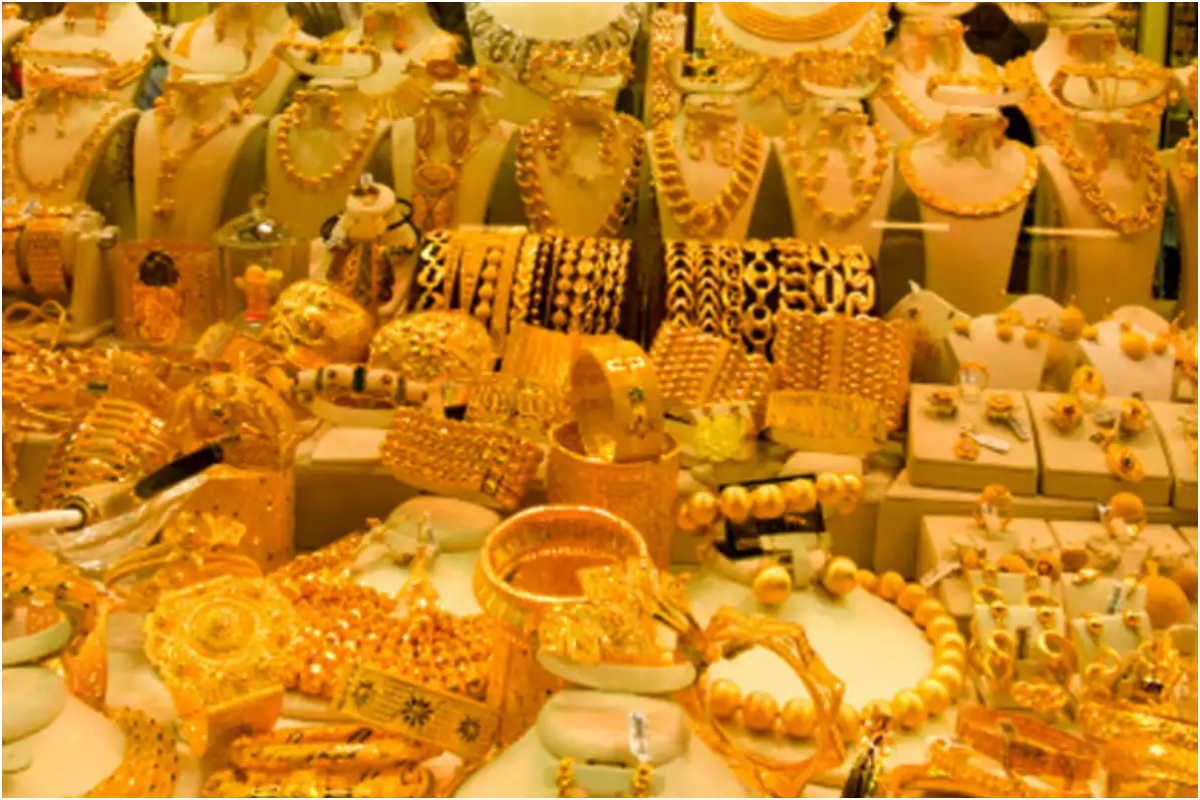
ISLAMABAD: Following a Cabinet approval, the Ministry of Commerce has notified the lifting of restrictions on gold imports and exports in Pakistan.

According to the notification, the previously suspended SRO regulating global gold trade has been reinstated.

The government has also made certain amendments related to the import and export of precious metals and jewelry, while maintaining the existing framework for trade in gold and jewelry. The framework will continue with improved transparency and automated processes.

Earlier in May this year, a ban had been imposed on the export and import of gold. On May 6, 2025, the Ministry of Commerce suspended the relevant SRO for 60 days to regulate gold trade following complaints of gold smuggling.

Weekly inflation rises 0.07%, annual rate at 3.53% in Pakistan

Weekly inflation

ISLAMABAD: Pakistan’s weekly inflation increased by 0.07%, bringing the overall annual inflation rate to 3.53%, the Federal Bureau of Statistics (FBS) reported in its latest weekly update.

According to the report, prices of 16 essential items rose during the week, while 13 items became cheaper and 22 items remained stable.

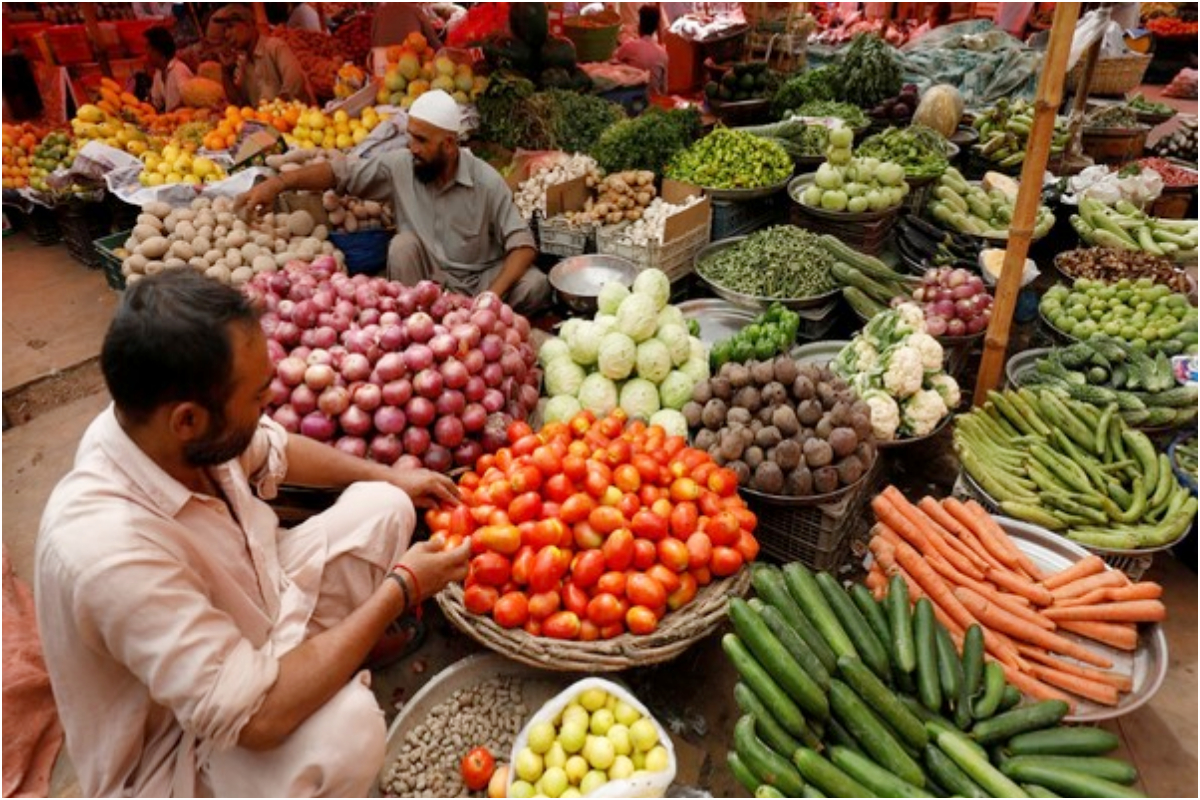
The report highlighted significant price changes: tomatoes surged 57.03%, garlic increased 2.61%, and sugar rose 2.23%. Additionally, bananas went up 0.72%, tea 0.59%, while diesel, beef, cooking oil, LPG, and firewood also saw price hikes.

Conversely, prices of onions dropped 12.38%, chicken 8.07%, and potatoes, flour, eggs, moong lentils, and chickpeas also became cheaper during the week.

IMF report highlights institutional corruption challenges in Pakistan

IMF

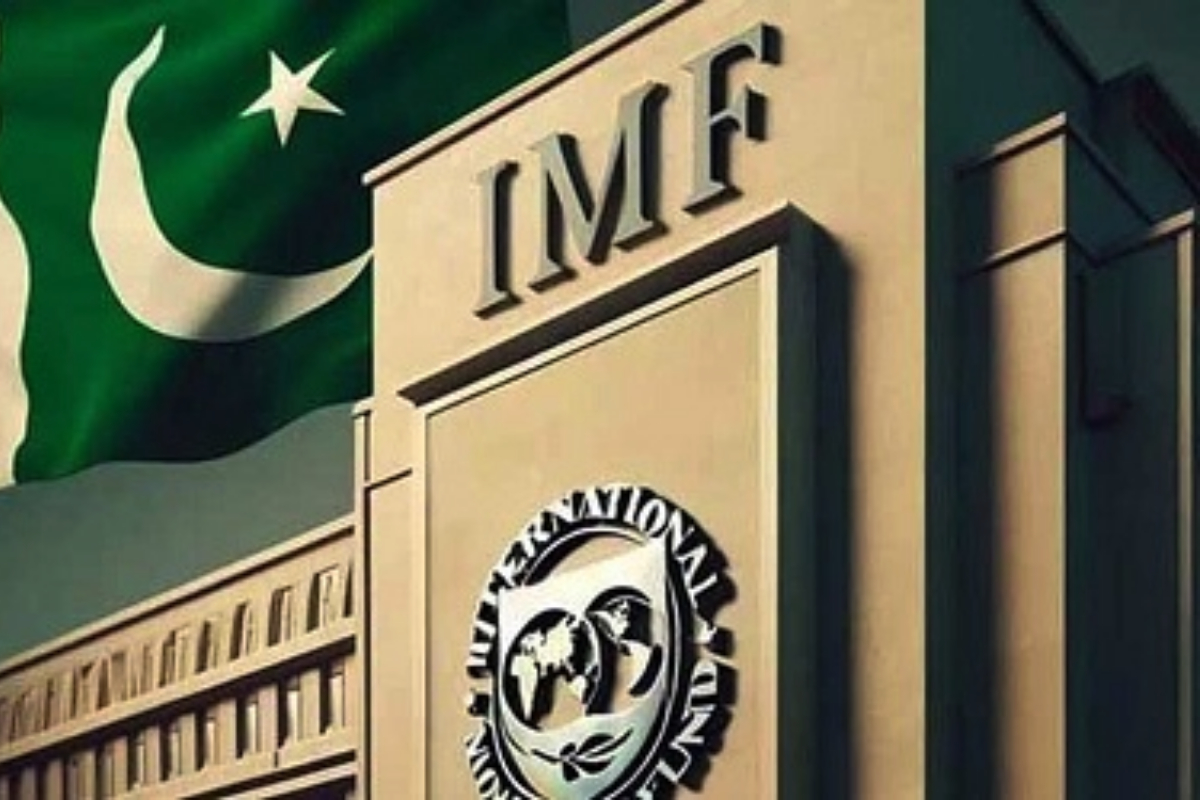
ISLAMABAD: The International Monetary Fund (IMF) has released a governance and corruption report on Pakistan, flagging ongoing concerns over systemic corruption and inefficiency across key public institutions.

The report calls for the immediate implementation of a 15-point reform agenda, which the IMF says could boost Pakistan’s economy by 5 to 6.5 percent.

The report recommends eliminating special privileges in government contracts, enhancing transparency in State Investment Facilitation Council (SIFC) decisions, and strengthening parliamentary oversight of the government’s financial powers.

 It also emphasizes the need for reforms in anti-corruption agencies, greater accountability in policy-making, and more transparency in implementation to achieve significant economic benefits.

According to the IMF, Pakistan’s tax system suffers from complexity, weak administration, and poor oversight, contributing to corruption. Judicial delays and procedural inefficiencies further hinder economic activity. The IMF has urged the SIFC to publish annual reports promptly and recommended that all government procurement be integrated into an e-governance system within 12 months.

The report highlights gaps in fiscal transparency, including reduced tax-to-GDP ratios, large budgetary variances, and preferential allocation of development funds influenced by bureaucracy. It notes that from January 2023 to December 2024, the National Accountability Bureau (NAB) recovered PKR 5.3 trillion, representing only a fraction of the economic losses caused by corruption.

The IMF also criticized discretionary policy decisions, such as the PTI government’s 2019 approval of sugar exports, for benefiting elite interests at the expense of broader economic growth.

The IMF further stated that citizens frequently make additional payments to access public services, while political and economic elites capture state policies, obstructing development. Weak continuity and perceived bias in anti-corruption policies have eroded public trust, while deficiencies in budget management and procurement systems exacerbate corruption risks.

Government enterprises suffer losses due to corruption, and excessive regulations constrain the performance of tax and customs officials. Regulatory bottlenecks and reliance on court decisions delay economic progress.

The report underscores that anti-corruption efforts in Pakistan have so far been insufficient and highlights challenges in institutional capacity, technical expertise in ministries, and fragmented governance structures.

The IMF also noted progress in meeting Financial Action Task Force (FATF) objectives but highlighted slow implementation of sanctions and inadequate prosecution of money laundering cases. Attempts to curb public spending and strengthen anti-corruption mechanisms have seen limited success, with many government functions performed on temporary or ad-hoc arrangements.

Overall, the IMF report stresses that comprehensive reforms in governance, transparency, taxation, judicial efficiency, and anti-corruption institutions are crucial for Pakistan to achieve sustainable economic growth.


Petroleum products could see major price hike

Petroleum products

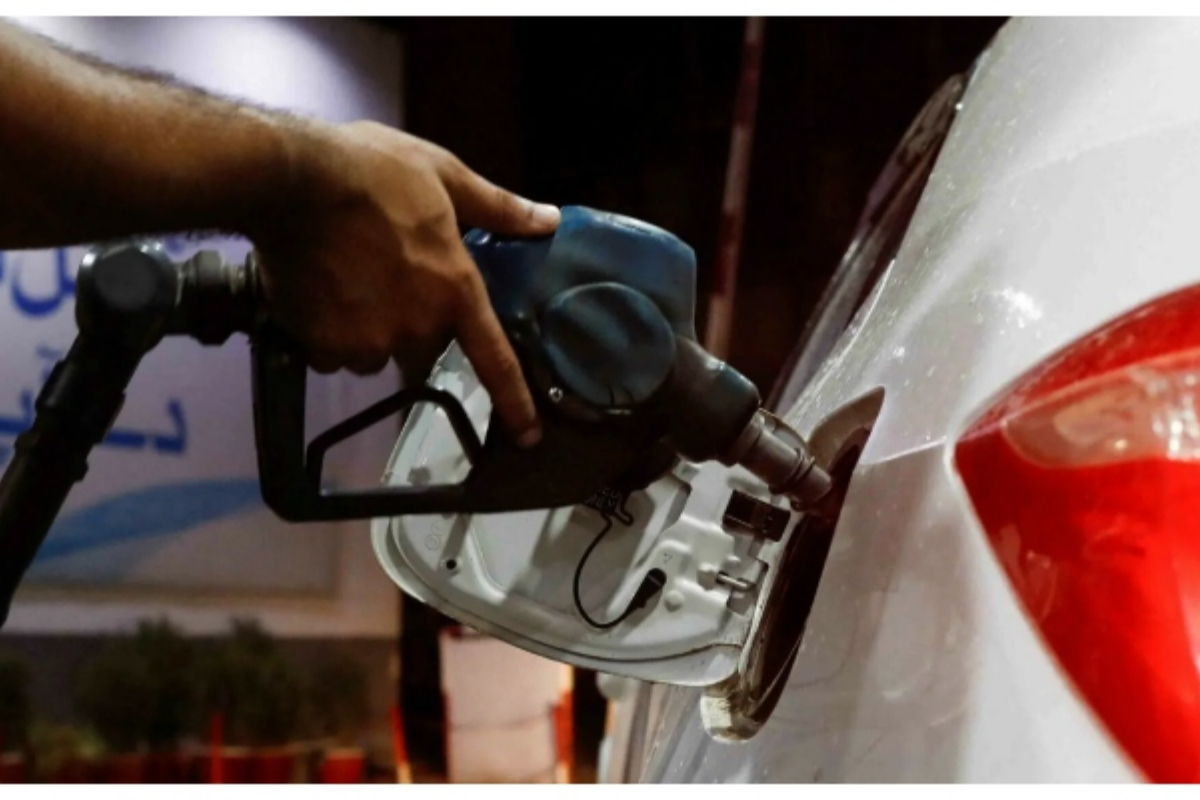
ISLAMABAD: Pakistan’s petroleum sector braces for a possible rise of PKR 9.60 per litre in fuel prices over the next fifteen days.

Industry sources said the increase is likely due to a shortage of diesel in the Gulf region. Pakistan imports most of its diesel from Kuwait, but supply has been affected because one of Kuwait’s refineries is undergoing extended maintenance.

Originally scheduled to be completed at the beginning of November, the maintenance has now been extended for another 15 days, creating a regional diesel shortage.

According to sources, only one of the three units at Kuwait’s Al-Zour refinery is fully operational, leading to reduced production of High-Speed Diesel (HSD) and an increase in global prices.

Zimbabwe Cricket team arrives in Islamabad for Tri-Nation T20 series

Zimbabwe Cricket

ISLAMABAD: The Zimbabwe cricket team has arrived in Islamabad to participate in the upcoming Tri-Nation T20 Series. The team will rest today ahead of the start of the tournament.

The series, featuring Pakistan, Sri Lanka, and Zimbabwe, is scheduled to begin on 18 November in Rawalpindi.

Earlier, the Pakistan Cricket Board (PCB) revised the tournament schedule, with all matches now set to be played in Rawalpindi from 18 to 29 November. Previously, matches were planned in both Rawalpindi and Lahore from 17 to 29 November.

Sri Lankan squad stays in Pakistan after PCB’s security assurance

Sri Lankan

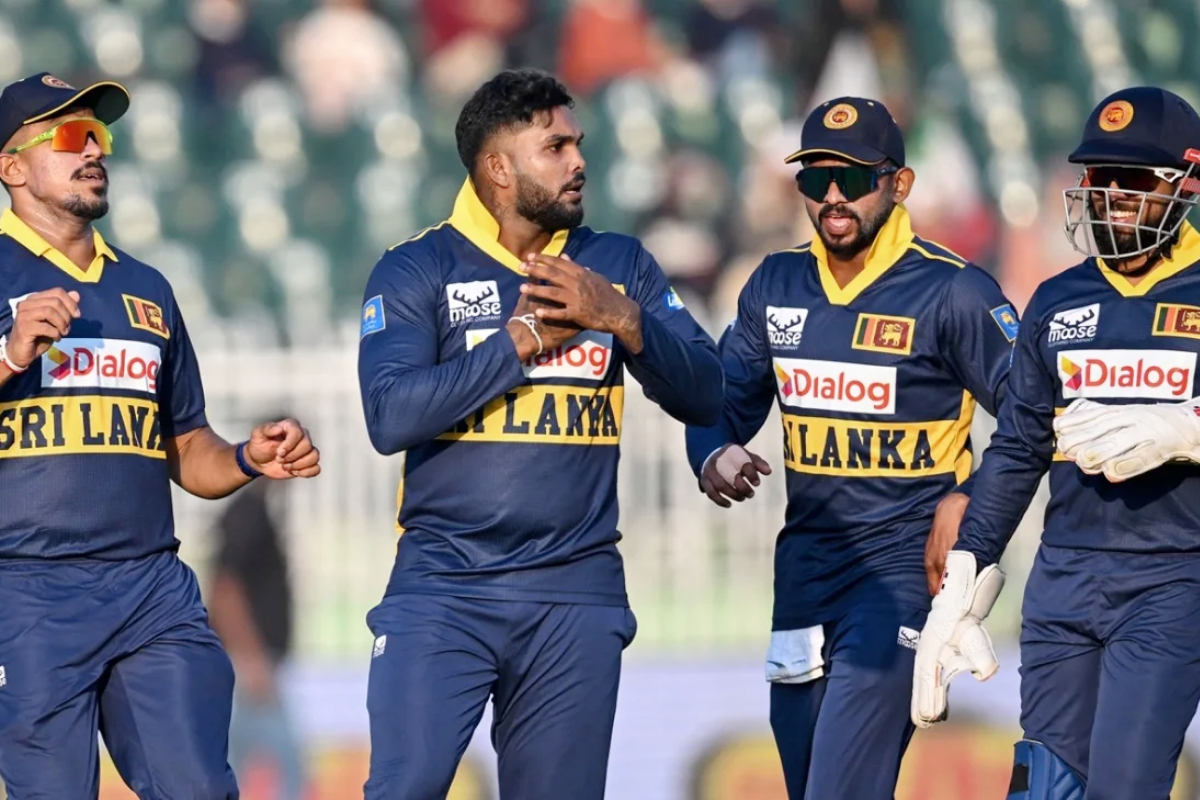
KARACHI: The Sri Lankan cricket team’s manager has confirmed that no player will be returning home and that all members of the squad will remain in Pakistan for the ongoing series.

The team manager clarified that “all Sri Lankan players are staying in Pakistan, and no one is leaving the tour.”

Earlier, reports had suggested that some Sri Lankan players were considering returning home, prompting the Pakistan Cricket Board (PCB) to take urgent measures to ensure the continuation of the ODI and Tri-Nation series.

PCB Chairman and Interior Minister Mohsin Naqvi met with the Sri Lankan players and assured them of enhanced security arrangements. Following these assurances, the Sri Lankan team decided to continue the tour.

The Sri Lanka Cricket Board (SLC) also confirmed that Chairman Mohsin Naqvi had personally briefed the players regarding security protocols. The board stated that if any player opted out of the remaining matches, suitable replacements would be arranged.

Sri Lanka is scheduled to play the remaining two ODIs against Pakistan before participating in the Tri-Nation Series, also to be held in Pakistan.

“Players are not machines,” says Haris Rauf amid criticism

Haris Rauf

ISLAMABAD: Pakistani fast bowler Haris Rauf has emphasized that winning matches is his top priority and expressed his readiness to play Test cricket if given the opportunity.

Speaking to the media after Pakistan’s thrilling victory over Sri Lanka in the first ODI, Haris Rauf noted that bowling in cold weather conditions can be challenging.

He also shared his frustration, saying that people tend to forget ten good performances and remember just one poor outing, expecting players to deliver consistently in every match.

Rauf added, “People think players are robots. We are not machines; we make mistakes too, but we have confidence in ourselves.”

Earlier, Pakistan secured a narrow 6-run victory over Sri Lanka in the first match of the three-ODI series, gaining a 1-0 lead.

Chasing Pakistan’s target of 300 runs, Sri Lanka managed 293 runs in their allotted 50 overs.

At Pindi Cricket Stadium, Sri Lanka won the toss and opted to field first. Pakistan posted a total of 299 for 5 wickets, thanks to an unbeaten 105-run innings by Salman Agha.