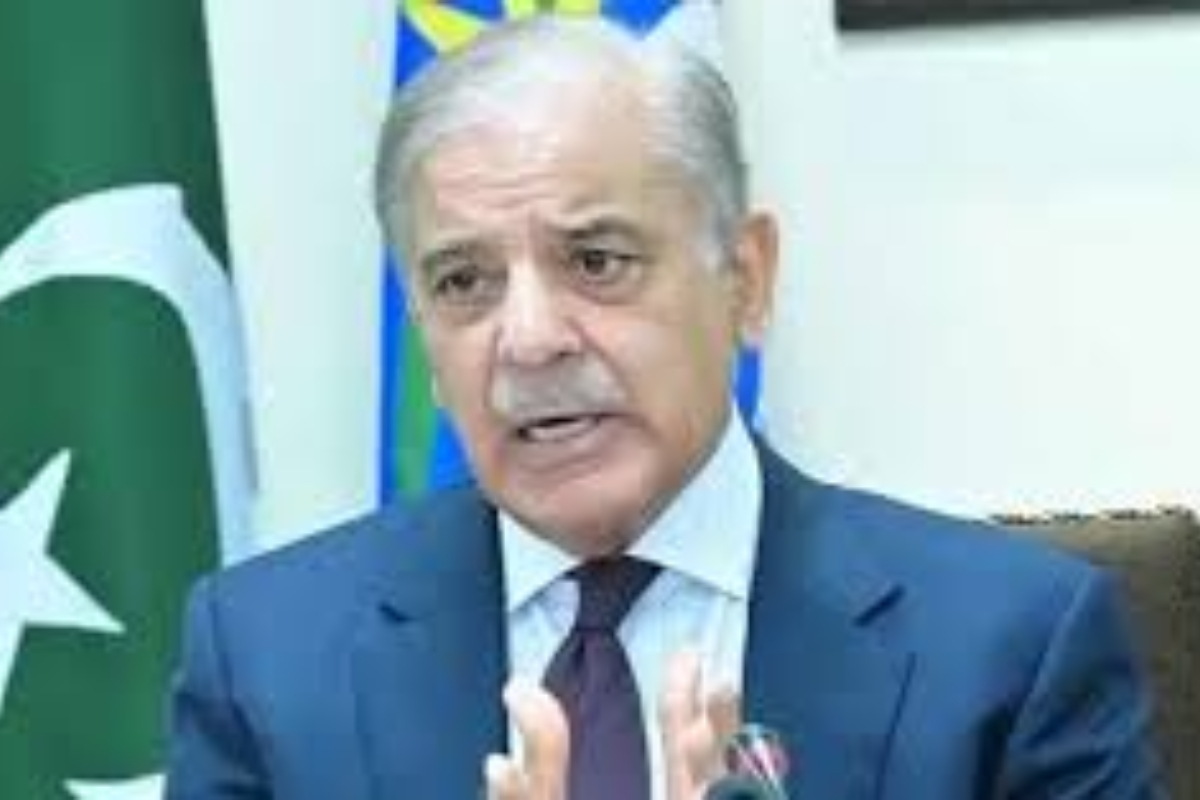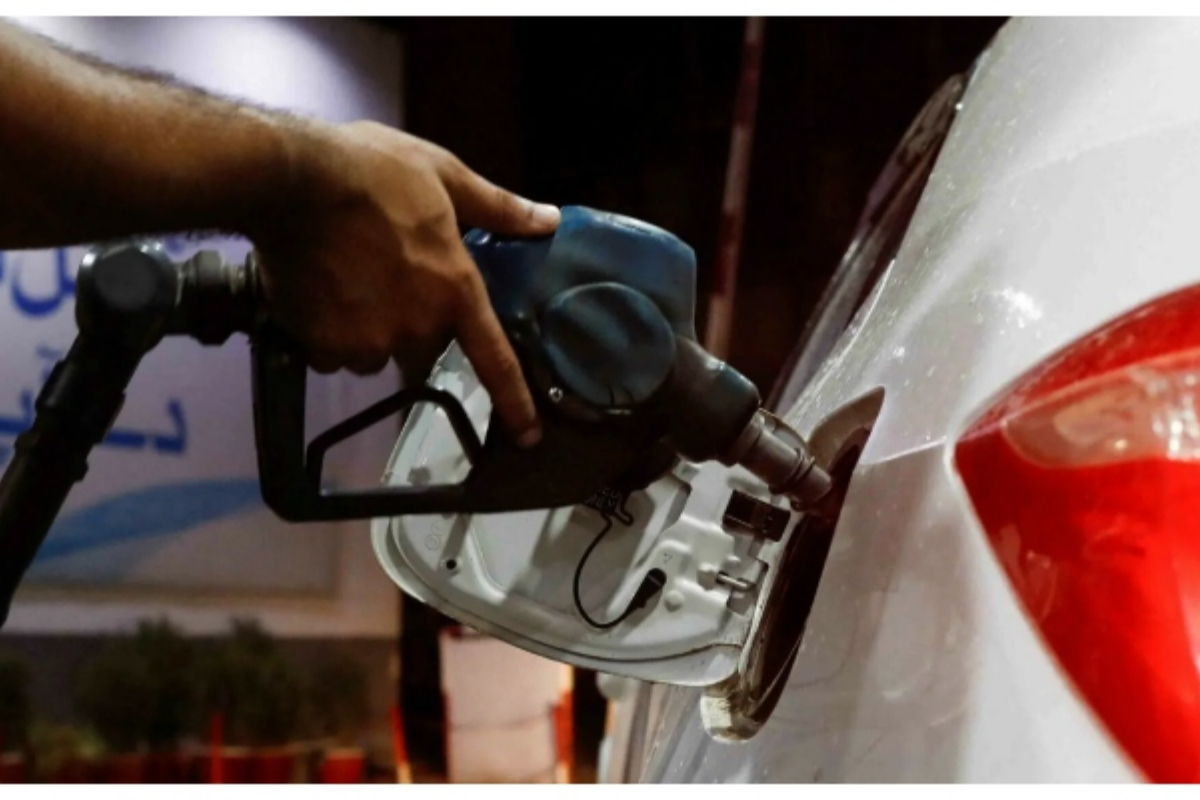
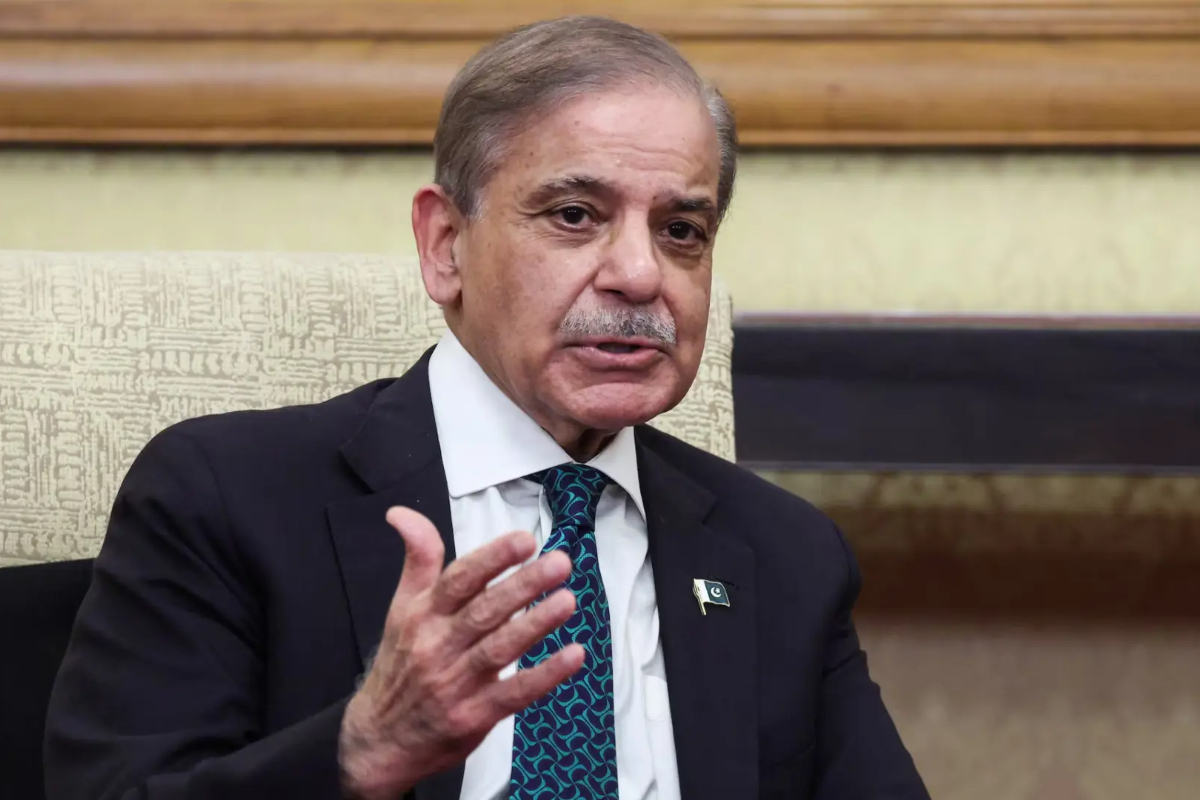
ISLAMABAD: Prime Minister Shehbaz Sharif directed authorities to take strict action against those creating artificial shortages of petroleum products, as the government reviewed the potential economic impact of escalating tensions in the Middle East.
Chairing a high-level meeting, Sharif warned that continued instability in the region could adversely affect Pakistan’s economic outlook and instructed all relevant institutions to remain fully prepared for any emerging challenges. He called for a comprehensive contingency plan to enable timely government action if needed.
The prime minister said the government had effectively managed the country’s fuel supply, adding that subsidies had helped protect consumers, including motorcyclists, rickshaw drivers and transport operators, from the impact of higher fuel prices. He urged the public to continue supporting nationwide austerity and energy conservation efforts.
Sharif also ordered federal and provincial authorities to jointly launch a strict crackdown on individuals or businesses responsible for creating artificial shortages of petroleum products in the market.
During the meeting, officials informed the prime minister that Pakistan currently has sufficient petroleum reserves to meet domestic demand and that measures are in place to ensure uninterrupted fuel supplies in the coming months. The meeting was attended by senior federal ministers, State Bank of Pakistan Governor Jameel Ahmad and other top government officials.