BREAKING NEWS
Advertise with us >

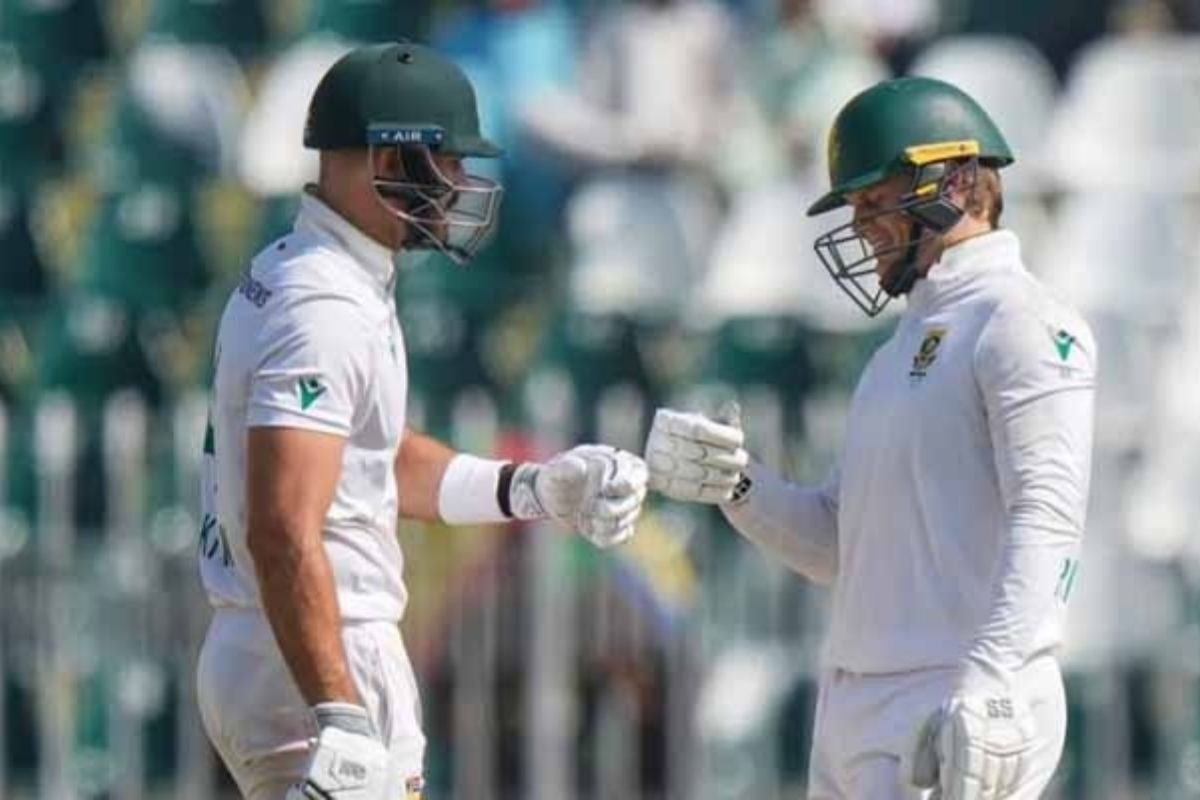
Poor Captaincy: South Africa defeat Pakistan by 8 wickets

Poor Captaincy

RAWALPINDI: Pakistan’s fragile batting lineup faltered on the fourth day of the Rawalpindi Test, setting South Africa a modest target of just 68 runs — which the visitors comfortably chased down with eight wickets to spare.

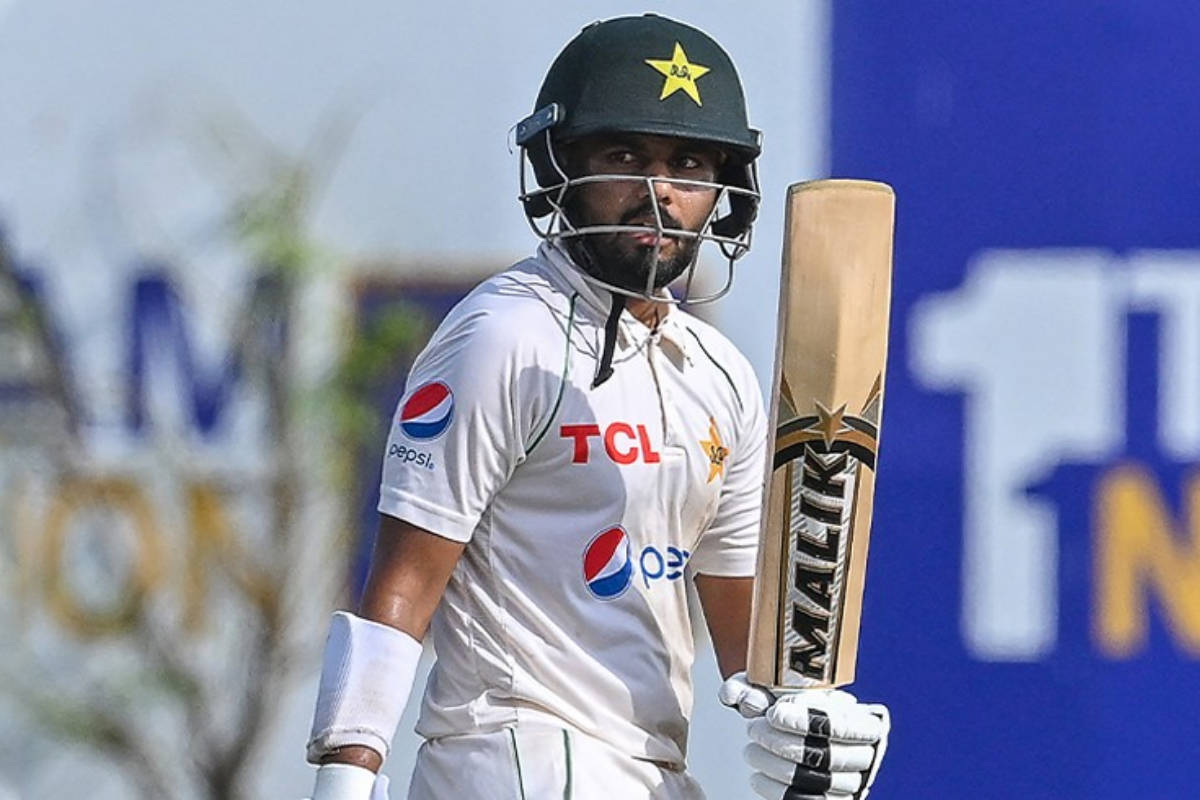
Resuming their second innings with a deficit of 71 runs, Pakistan struggled from the outset as wickets fell rapidly in the morning session. Babar Azam top-scored with 50 before being dismissed, while Mohammad Rizwan managed 18 runs.

Salman Ali Agha contributed 28, and Sajid Khan added 13, but the rest of the batting order failed to offer resistance. Nauman Ali and Shaheen Afridi were dismissed without scoring, while Asif Afridi remained unbeaten on zero.

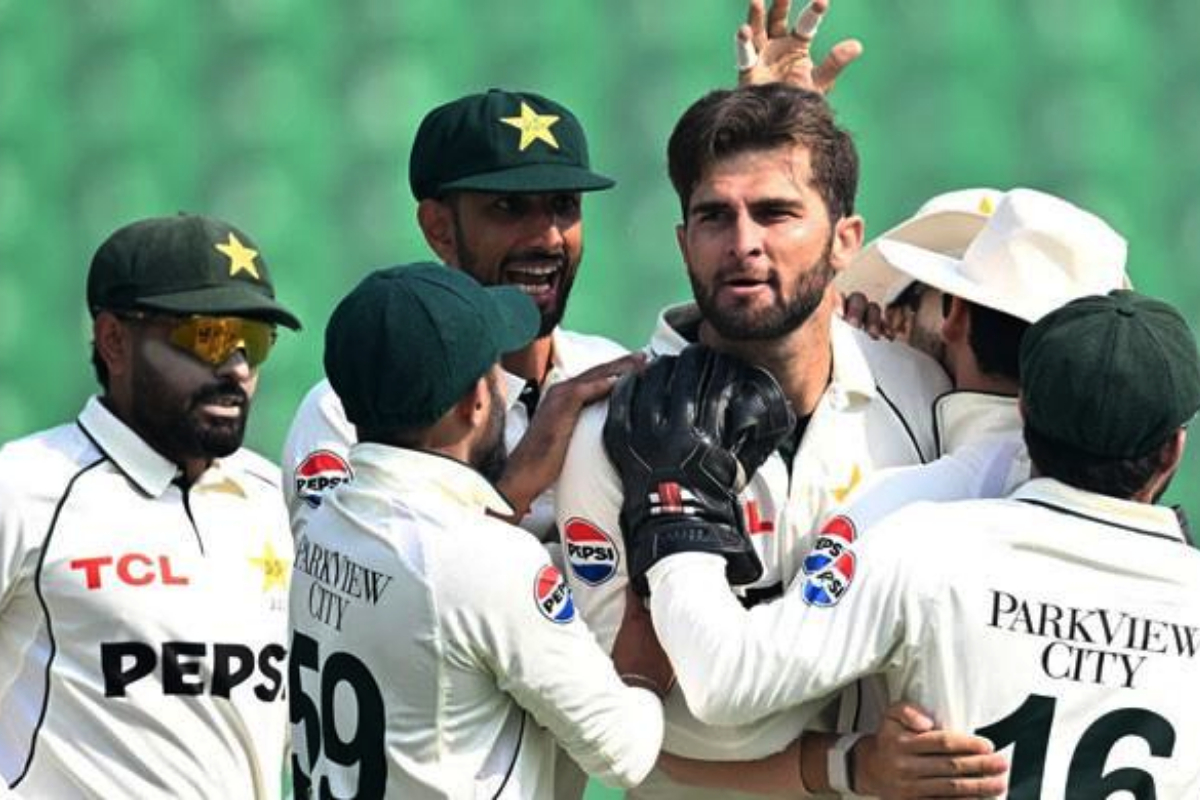
For South Africa, Simon Harmer delivered a stellar performance, taking six wickets, while Keshav Maharaj claimed two and Kagiso Rabada picked up one.

Chasing 68 for victory, South Africa reached the target at the loss of just two wickets. Aiden Markram scored a solid 42, Tristan Stubbs was dismissed for a duck, and Ryan Rickelton remained unbeaten on 25.

Earlier, Pakistan had posted 333 runs in their first innings, while South Africa responded with 404, gaining a crucial first-innings lead that ultimately proved decisive.

Pakistan captain Shan Masood came under scrutiny following Pakistan’s defeat in the second Test against South Africa, as tactical errors and questionable decisions contributed to the team’s disappointing performance.

Cricket analysts and former players criticized Masood’s field placements, bowling changes, and lack of proactive strategy during crucial moments of the match. Despite having a balanced bowling attack, Pakistan failed to maintain pressure on the South African batters, allowing them to take control of the game.

Masood’s captaincy was also questioned for his inability to inspire the batting lineup, which collapsed twice under pressure. His decision to persist with defensive tactics, even when South Africa appeared vulnerable, drew particular criticism from experts.

The defeat has raised serious concerns about Pakistan’s leadership direction in the longer format, especially as the team continues to struggle with consistency and temperament in home conditions.
Pakistan Reaches $1.2 Billion IMF Staff-Level Agreement to Stabilize Economy

Pakistan ,IMF ,deal ,2025, Pakistan economic, recovery, IMF loan Pakistan, Pakistan, finance, ministry news

ISLAMABAD:
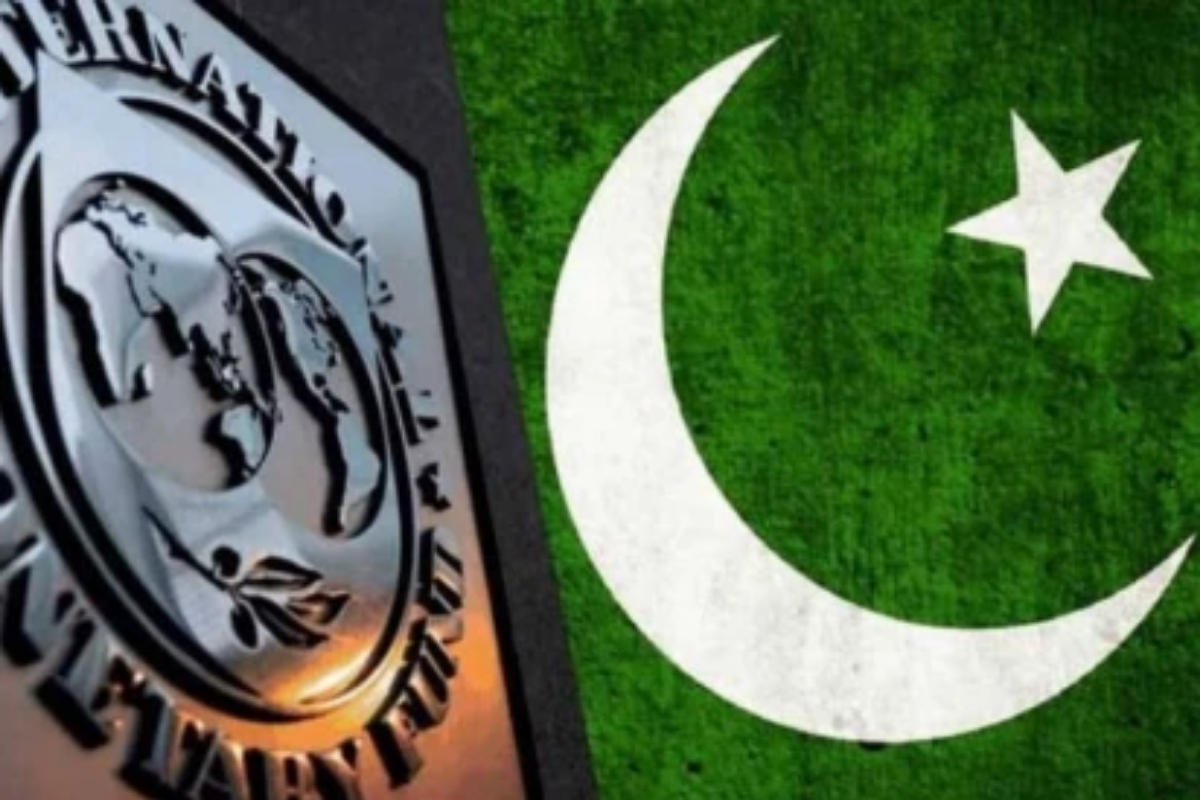
Pakistan and the International Monetary Fund (IMF) have reached a staff-level agreement that will unlock a $1.2 billion disbursement to help the country stabilize its struggling economy.

Pakistan ,IMF ,deal ,2025, Pakistan economic, recovery, IMF loan Pakistan, Pakistan, finance, ministry news

According to the IMF statement, the deal includes $1 billion under the Extended Fund Facility (EFF) and $200 million under the Resilience and Sustainability Facility (RSF). The IMF praised Pakistan’s fiscal discipline, saying inflation and the fiscal deficit have improved since July.

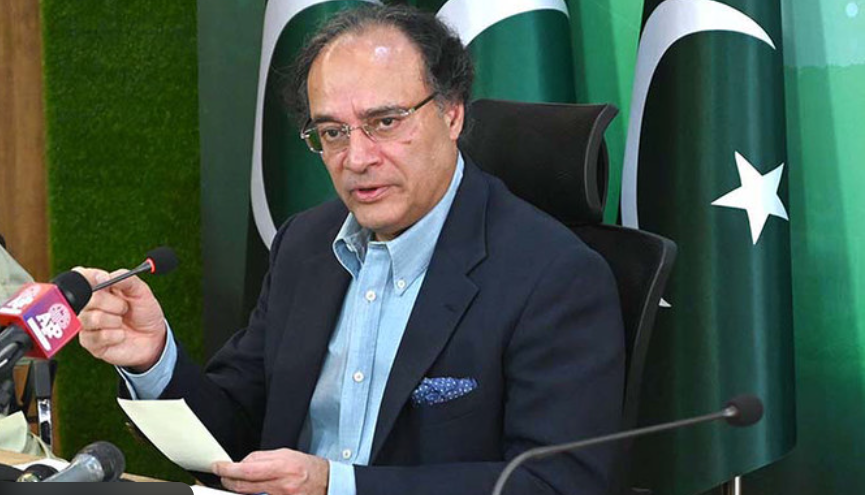
Finance Minister Muhammad Aurangzeb said that the agreement would “restore investor confidence and strengthen the rupee.” Pakistan plans to issue an international bond worth $1 billion early next year, followed by a green yuan-denominated bond to attract Chinese investors.

Analysts say this agreement signals improved trust between Islamabad and the IMF, though challenges remain due to inflationary pressures and slow exports.

Pakistan all out for 333 on day two of Rawalpindi Test

Pakistan

RAWALPINDI: Pakistan were dismissed for 333 runs in their first innings on the second day of the Rawalpindi Test against South Africa.

Resuming their incomplete innings at 259 for 5, Saud Shakeel (42*) and Agha Salman (10*) took the crease in the morning session. Both batters added valuable runs to the total — Saud Shakeel reached his half-century before being dismissed for 66, while Agha Salman contributed 45 runs.

Among the lower order, Shaheen Afridi, Sajid Khan, and Asif Afridi failed to make an impact, all three falling to spinner Keshav Maharaj, who delivered an exceptional performance, claiming seven wickets. Nauman Ali remained unbeaten on 6.

For South Africa, Simon Harmer picked up two wickets and Kagiso Rabada took one.

On the opening day, Pakistan had won the toss and opted to bat first. Captain Shan Masood led from the front with a fluent 87, while Abdullah Shafique made 57.

Pakistan currently lead the two-match Test series 1–0, having defeated South Africa by 93 runs in the first Test played in Lahore.

Taliban Fury Erupts: Afghanistan Blames Pakistan for Twin Drone Strikes on Kabul, Demands UN Probe

Taliban blames Pakistan, drone strikes, Kabul drone, attack 2025, Afghanistan, Pakistan, border conflict, TTP militants, Durand Line,

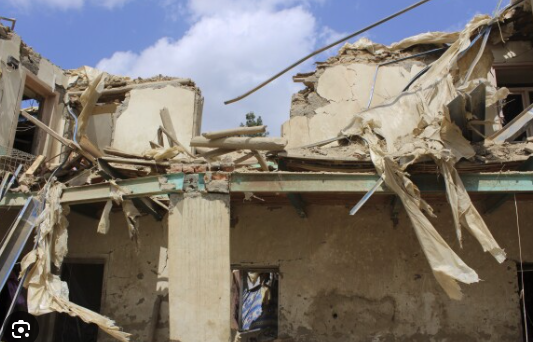
Afghanistan’s Taliban government has accused Pakistan of launching twin drone strikes on Kabul’s outskirts, killing at least 12 civilians and wounding dozens more in what they term a “cowardly act of aggression.”

The attacks, which struck a bustling marketplace and a residential compound in the Logar province border area, have plunged already frayed bilateral ties into crisis mode, with Taliban spokesperson Zabihullah Mujahid vowing “severe repercussions” unless Islamabad apologizes and compensates victims.

Eyewitness accounts describe low-flying unmanned aerial vehicles—reminiscent of U.S. Predator drones used in past counter-terror ops—unleashing precision-guided missiles around dawn. “The sky lit up like fireworks from hell; children were playing outside,” recounted survivor Fatima Khan, whose home was reduced to rubble. Afghan state media aired footage of smoldering craters and grieving families, amplifying calls for an emergency UN Security Council session to condemn the “violation of sovereignty.” Mujahid, in a fiery address from the Arg Palace, linked the strikes to Pakistan’s hunt for Tehreek-e-Taliban Pakistan (TTP) militants, claiming the targets were innocent Pashtun traders, not insurgents.

Pakistan’s Foreign Office swiftly rebutted the allegations, labeling them “baseless propaganda” orchestrated by the Taliban to deflect from their sheltering of TTP operatives. “Our forces operate solely within our borders against threats to national security,” a spokesperson insisted, referencing last week’s suicide bombing that claimed seven Pakistani soldiers. Yet, independent analysts, including the International Crisis Group, point to mounting evidence: Satellite imagery from Maxar Technologies shows unusual drone activity near the Durand Line, corroborating Afghan radar logs.

This aerial incursion follows Pakistan’s ground incursions into Khost and Paktika, where TTP leader Noor Wali Mehsud allegedly evaded capture. With the porous 2,640-km border a hotbed for smuggling and skirmishes, experts fear a tit-for-tat cycle could draw in regional powers. China, via its Kabul embassy, urged restraint to protect Belt and Road investments, while India watched warily, offering humanitarian aid to Afghanistan.

As Taliban militias mobilize along the frontier and Pakistan deploys additional troops, diplomatic channels—mediated by Qatar—face their sternest test. The UN’s special envoy for Afghanistan warned of “humanitarian catastrophe” if escalation persists, echoing global jitters over South Asia’s nuclear-armed neighbors. In Kabul’s streets, anti-Pakistan graffiti proliferates, signaling a rift that parole offers from Imran Khan may struggle to mend.

University of Karachi ORIC Hosts “Don’t Miss a Beat” Seminar on World Heart Day

Karachi, WorldHeartDay, ORIC, UniversityOfKarachi, HeartHealth, AwarenessSeminar, Biotechnology, KIBGE, Wellness, Pakistan

The Office of Research, Innovation and Commercialization (ORIC) at the University of Karachi organized an impactful awareness seminar titled “Don’t Miss a Beat” today, in observance of World Heart Day, to spotlight cardiovascular health and preventive strategies.

The event took place at the prestigious Jinnah Auditorium of the Dr. A. Q. Khan Institute of Biotechnology and Genetic Engineering (KIBGE) on the university campus, attracting a wide array of participants including students, faculty, healthcare experts, and local residents. Aligned with the global campaign observed on September 29, this timely seminar extended the conversation into October, addressing the escalating burden of heart disease in Pakistan.

ORIC’s initiative featured dynamic presentations from cardiologists, nutrition specialists, and wellness advocates, covering essential topics such as balanced diets, regular physical activity, and early detection of risk factors. Attendees engaged in interactive Q&A sessions, live demonstrations of heart-healthy exercises, and on-the-spot consultations, fostering a proactive approach to wellness.

In her opening remarks, the ORIC Director emphasized the seminar’s role in bridging academic research with community health. “Heart disease remains a silent threat, but knowledge is our strongest defense,” she stated. “Through events like this, we aim to innovate in health education and empower individuals to lead fuller lives.”

The program also included resource distribution with informational brochures, digital toolkits for tracking vital signs, and a commitment pledge for adopting heart-friendly habits. As part of broader efforts to combat non-communicable diseases, the seminar highlighted collaborative opportunities between KIBGE’s biotechnology expertise and public health initiatives.

This gathering not only commemorated World Heart Day but also reinforced the University of Karachi’s dedication to societal impact through research and outreach. Participants left inspired, with many voicing appreciation for the accessible, evidence-driven content.

Leadership Handover at ICP: Prof. Dr. Uzma Ali’s Tenure Ends as Prof. Dr. Sobia Aftab Takes Charge

Karachi, Psychology, Directorship, Handover, UzmaAli, SobiaAftab, FarrukhAhmad, Leadership, MentalHealth, Excellence, Education, Pakistan

In a dignified handover ceremony held on September 11, 2025, the Institute of Clinical Psychology (ICP) at the University of Karachi witnessed a seamless leadership transition, marking the end of an era under Prof. Dr. Uzma Ali and the dawn of a new chapter led by Prof. Dr. Sobia Aftab.

The event, attended by faculty, staff, and distinguished guests, celebrated Prof. Dr. Ali’s eight-year tenure as Director, which began on June 23, 2017. During her leadership, the institute solidified its reputation as a beacon of academic rigor and clinical innovation in psychological sciences, fostering groundbreaking research and training programs that have benefited countless students and professionals in the field.

Prof. Dr. Sobia Aftab, the newly appointed Director, took the reins on the same date, pledging to build upon this strong foundation. “I am honored to step into this role at such a pivotal time for ICP,” she remarked during the ceremony. “My vision is to propel the institute forward, enhancing our commitment to excellence in education, research, and community mental health services.”

Adding prestige to the occasion was the presence of Prof. Dr. Farrukh Zahur Ahmad, the revered Founder Director of ICP, who served as Chief Guest. In his address, Dr. Ahmad extended heartfelt congratulations to both directors, reflecting on the institute’s journey since its inception. “It is heartening to see ICP evolve under dedicated leaders like Uzma and now Sobia,” he said. “Their passion ensures our legacy of transformative psychological care endures.”

The ceremony featured symbolic exchanges of documents and tokens of appreciation, underscoring the collaborative spirit that defines the institute. Faculty members and alumni present lauded the transition as a testament to ICP’s enduring stability and forward momentum.

As the University of Karachi continues to champion mental health awareness and psychological expertise in Pakistan, the new directorship under Prof. Dr. Aftab promises innovative initiatives, including expanded clinical outreach and interdisciplinary collaborations.

Pakistan defeat South Africa by 93 runs in Lahore Test

Pakistan

LAHORE: Pakistan clinched a commanding 93-run victory over South Africa in the first Test at Gaddafi Stadium, taking a 1–0 lead in the two-match series.

Resuming on the fourth day with Ryan Rickelton and Tony de Zorzi at the crease, South Africa’s hopes of a chase were dashed early when de Zorzi fell to Shaheen Shah Afridi without adding to his overnight score.

Spinner Nauman Ali then dismissed Tristan Stubbs and David Bedingham in quick succession, while Sajid Khan removed set batter Ryan Rickelton for 45.

Afridi continued his fine form, accounting for Verreynne and Subrayen, before Sajid Khan wrapped up the innings by taking Muthusamy’s wicket, sealing Pakistan’s victory.

South Africa

Earlier, South Africa were bowled out for 269 in their first innings before lunch on day three, replying to Pakistan’s 378. Pakistan then managed 167 in their second innings, setting the visitors a target of 277 runs.

By the close of the third day, South Africa had reached 51 for 2, with captain Aiden Markram (3) and Wiaan Mulder (0) already dismissed — paving the way for Pakistan’s bowlers to finish the job on day four.

Pakistan moves closer to next IMF tranche after staff-level accord

Pakistan

ISLAMABAD: In a major development on the economic front, Pakistan and the International Monetary Fund (IMF) have reached a staff-level agreement under the Extended Fund Facility (EFF) and Resilience and Sustainability Facility (RSF) reviews.

According to an IMF statement, Pakistan will receive $1.2 billion following approval by the Fund’s Executive Board. The IMF noted that Pakistan’s IMF-supported economic reform program continues to make steady progress toward macroeconomic stability and restoring market confidence.

The statement highlighted that for the first time in 14 years, Pakistan’s current account recorded a surplus in fiscal year 2025, while fiscal consolidation efforts exceeded program targets. Inflation has moderated, and foreign exchange reserves have improved. The Fund projected Pakistan’s economic growth between 3.25% and 3.5% for the fiscal year.

The IMF also praised Pakistan’s climate resilience and reform efforts, acknowledging the severe impact of recent floods that affected millions, caused over a thousand deaths, and inflicted widespread damage to crops and housing. It emphasized the need for continued implementation of comprehensive climate and structural reforms to mitigate future risks.

The Fund further acknowledged the government’s commitment to advancing reforms in the energy sector, improving fiscal discipline, and pursuing structural adjustments for long-term stability.

Earlier, Finance Minister Senator Muhammad Aurangzeb said that Pakistan’s talks with the IMF mission had been “constructive and forward-looking.” In an interview with an international news agency, he revealed that Pakistan plans to issue its first Green Panda Bond before the end of this year.

The minister also confirmed progress on the privatization of Pakistan International Airlines (PIA) and three power distribution companies, noting that five investor groups have expressed interest in acquiring the national carrier. He added that the resumption of flights to Europe and the UK has further enhanced PIA’s investment appeal.

South Africa bowled out for 269, Pakistan gain 109-run lead

South Africa

LAHORE: South Africa were dismissed for 269 in their first innings of the Lahore Test, giving Pakistan a commanding 109-run lead heading into the second innings.

Resuming on the third day at 216 for six in reply to Pakistan’s 378, the visitors lost their remaining wickets in the morning session.

 Tony de Zorzi, who started the day unbeaten on 81, completed a well-made 104 before being caught by Shaheen Afridi off Nauman Ali. Senuran Muthusamy, who resumed on 6, added only five more runs before falling to Sajid Khan for 11.

Kagiso Rabada was dismissed without scoring, also by Sajid Khan. Pakistan’s spinners dominated the innings, with Nauman Ali claiming six wickets, Sajid Khan taking three, and Salman Ali Agha picking up one.

Earlier, Pakistan had posted 378 in their first innings, with key contributions from Imam-ul-Haq (93), Salman Ali Agha (93), Shan Masood (76), and Mohammad Rizwan (75).

Pakistan post 378 before being dismissed on second day in Lahore

Pakistan

LAHORE: Despite a promising start from the middle order, Pakistan were bowled out for 378 in their first innings as South Africa fought back on the second day of the first Test in Lahore..

Resuming their overnight score of 313 for five, Pakistan began the day with Mohammad Rizwan unbeaten on 62 and Salman Ali Agha on 52. The pair added valuable runs before Rizwan was dismissed for 75 with the total at 362.

In the same over, Nauman Ali and Sajid Khan were both sent back to the pavilion without scoring, as Senuran Muthusamy claimed all three wickets in quick succession to restrict Pakistan’s lower order.

Salman Ali Agha naros fell to the nineties and was dismissed for 93 while Shaheen Shah Afridi was dismissed for 7 runs.

South Africa’s Senuran Muthusamytook six wickets while Prenelan Subrayen took two wickets. Kagiso Rabada and Simon Harmer took one wicket each.