BREAKING NEWS
Advertise with us >

Petrol Price Shock: Government raises rate to Rs458.40 per litre

Petrol Price Shock

ISLAMABAD: The government has announced a sharp increase in petroleum prices, significantly raising the cost of petrol and diesel while introducing targeted subsidies to cushion the impact on vulnerable segments.

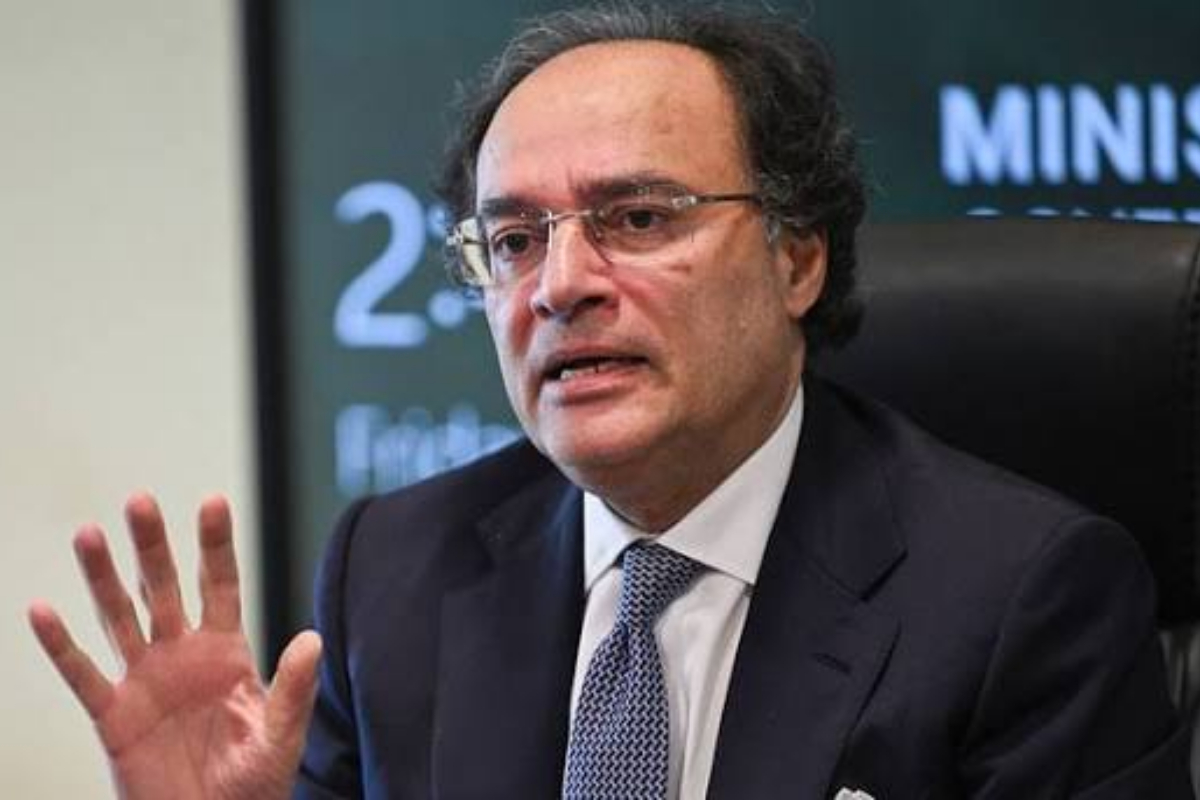
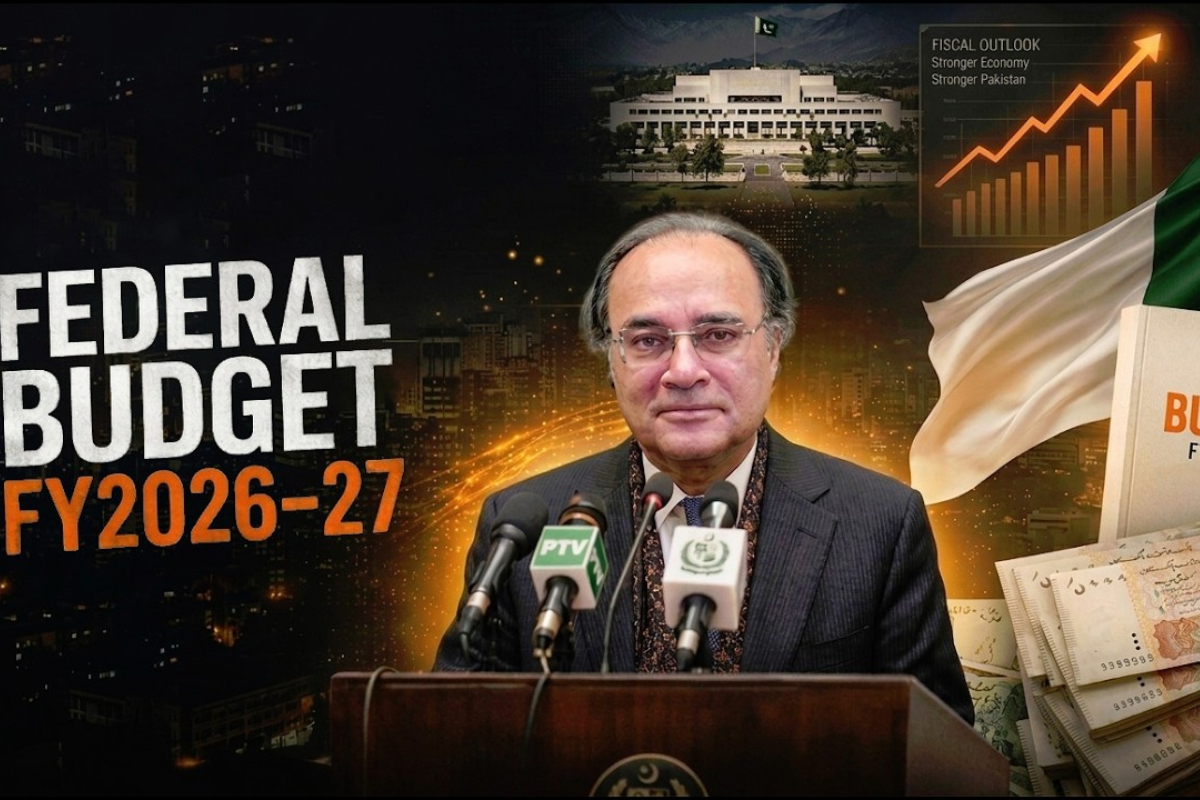
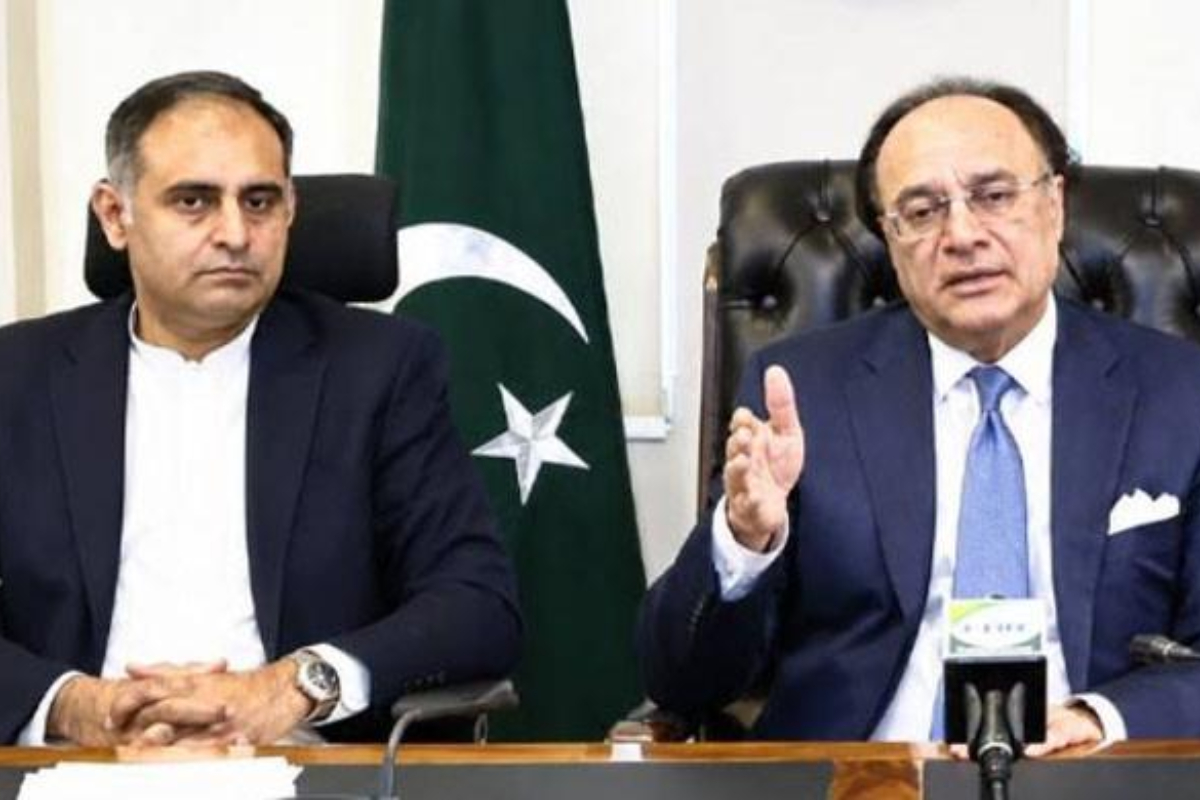
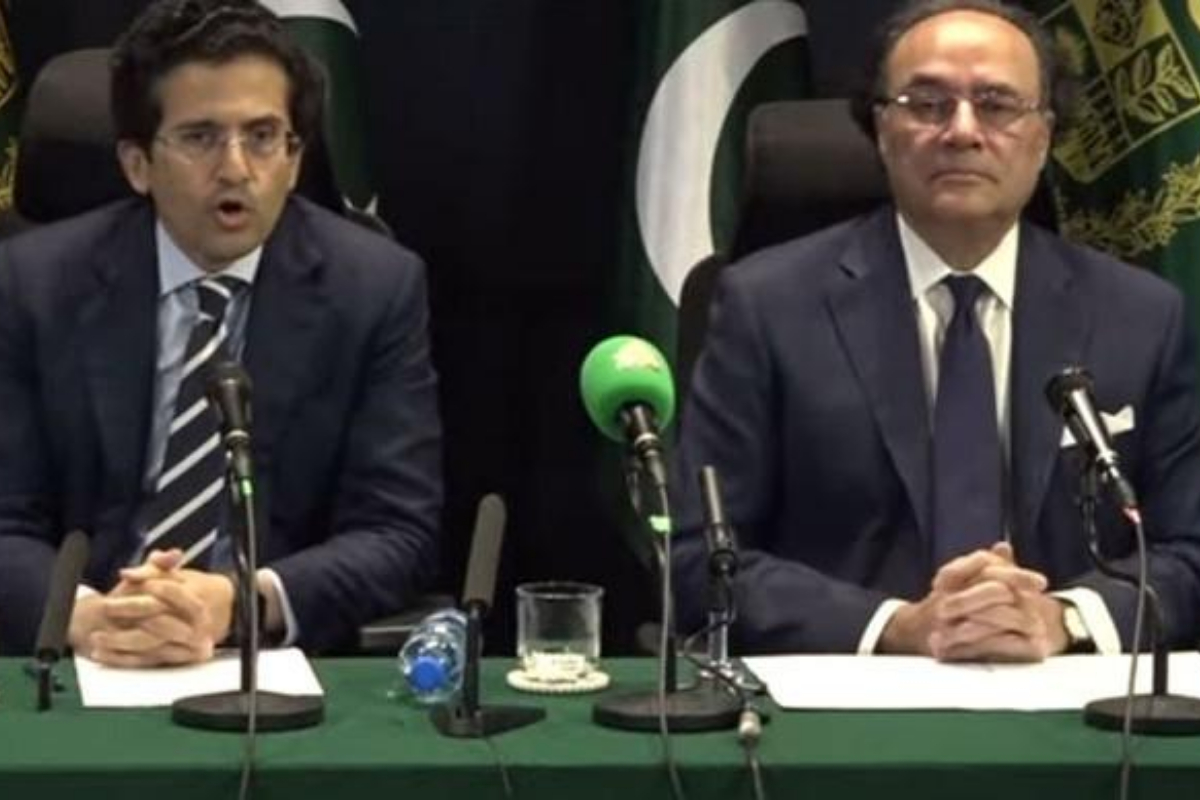
Federal Minister for Petroleum Ali Pervaiz Malik and Finance Minister Muhammad Aurangzeb jointly addressed a press conference, confirming that petrol prices have been increased by Rs137.23 per litre, bringing the new rate to Rs458.40 per litre.

Diesel prices have also surged by Rs184.49 per litre, with the new price set at Rs520.35 per litre. An official notification has been issued, and the revised prices will come into effect from midnight tonight.

The finance minister announced a targeted subsidy package aimed at easing the burden on lower-income groups. He said motorcyclists will receive a subsidy of Rs100 per litre on up to 20 litres of petrol per month.

Additionally, intercity public transport will be provided a subsidy of Rs100 per litre on diesel, while truck and goods transport operators will receive a monthly fuel subsidy of Rs70,000. The government will also extend support to Pakistan Railways to help manage fare increases.

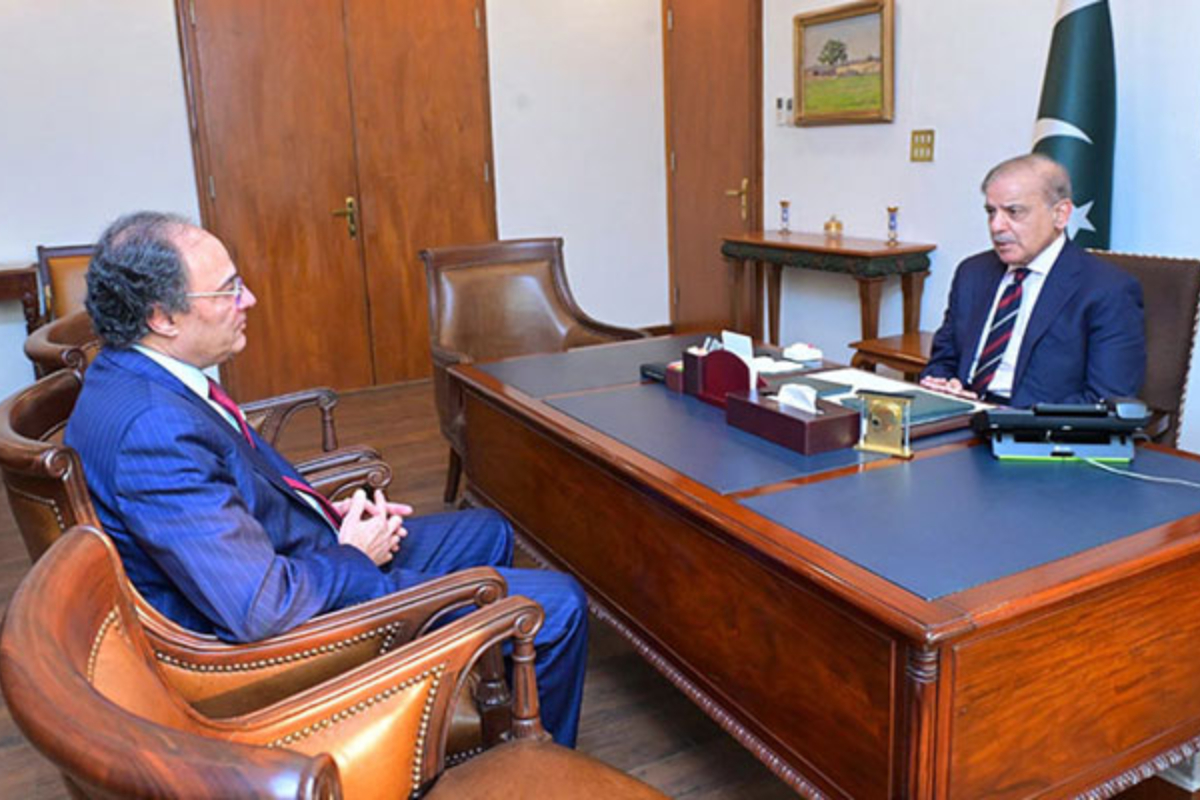
Aurangzeb said the decisions were taken in consultation with the country’s leadership, emphasizing that the shift from blanket subsidies to targeted relief is intended to ensure assistance reaches those who need it most.

Petroleum Minister Ali Pervaiz Malik said the global situation, particularly ongoing regional tensions, has severely impacted energy markets. He noted that crude oil prices have witnessed record increases, with diesel in international markets exceeding $250 per barrel.

He highlighted that global supply routes, particularly through the Strait of Hormuz, remain under pressure, and even countries with strategic reserves have declared energy emergencies.

Malik stressed that the government had made every effort to protect citizens through austerity measures and expenditure cuts, but was ultimately compelled to increase prices due to international commitments and rising costs.

He added that a high-level meeting involving the prime minister and chief ministers concluded that blanket subsidies were no longer sustainable amid soaring global prices.

“Timely decisions ensured uninterrupted fuel supply,” he said, adding that the government remains committed to mitigating the impact on the public while navigating the ongoing economic challenges.

NFC to hold talks on resource allocation today

NFC

ISLAMABAD: The 11th meeting of the National Finance Commission (NFC), tasked with distributing resources between the federal government and provinces, has commenced.

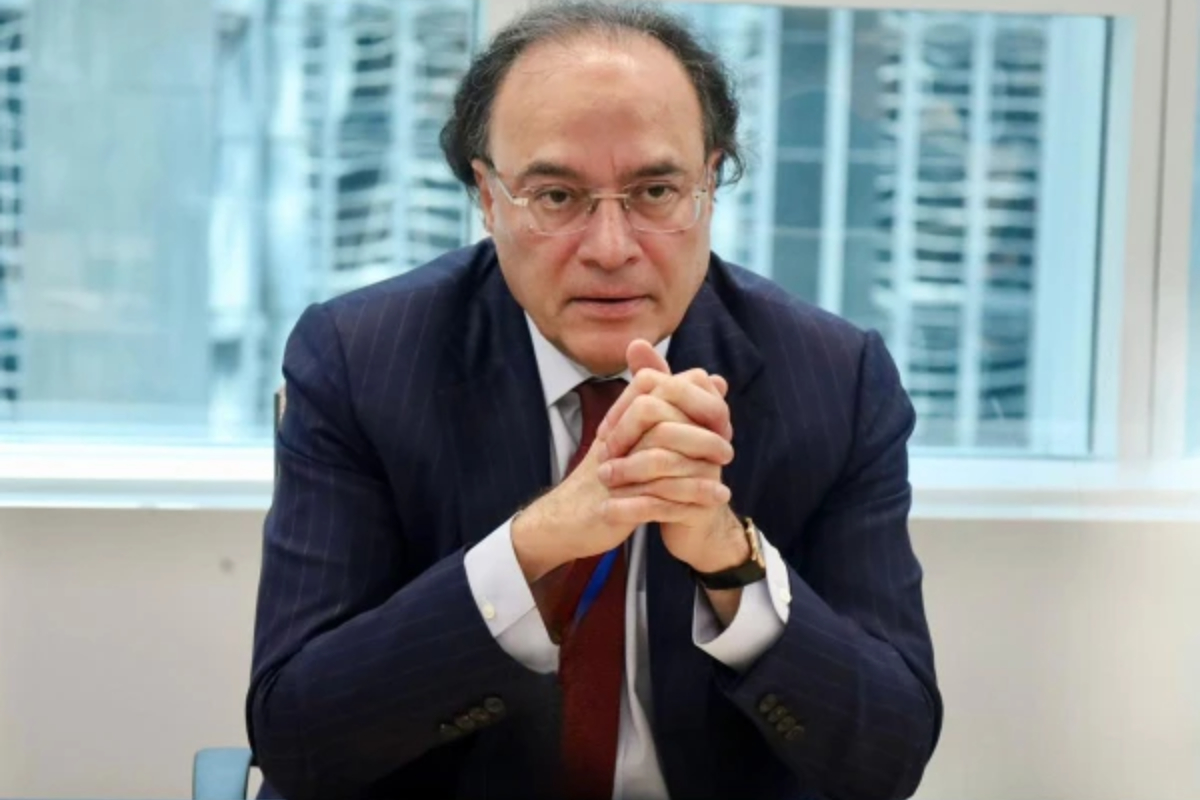
The session is being chaired by Federal Finance Minister Muhammad Aurangzeb, with the IMF also on board for discussions regarding the new NFC award.

According to sources from the Ministry of Finance, all four provincial finance ministers, technocrats, and commission members are participating. The provincial representatives include Nasser Mahmood Khosa from Punjab, Asad Saeed from Sindh, Mahfooz Khan from Balochistan, and Musharraf Rasool from Khyber Pakhtunkhwa. All NFC members have been invited to the meeting, while the Federal Secretary of Finance is serving as the official expert for the commission.

The agenda includes reviewing recommendations for the new award, considering the formation of sub-groups, and setting the roadmap for future meetings. Finance Minister Aurangzeb stated, “We will approach the meeting with a ‘Pakistan First’ mindset, listen to the provinces, and present the federal financial position transparently.”

The current seventh NFC award has been in effect since July 2010. The Constitution mandates a review every five years, but the scheduled 2015 meeting did not take place until now.

A day prior, a key consultative meeting was held under the chairmanship of Khyber Pakhtunkhwa Chief Minister, Sohail Afridi, to prepare for the NFC session.

During the briefing, the CM was informed about the province’s financial and constitutional rights in NFC discussions. He emphasized that despite the administrative merger of former FATA, financial integration has not yet occurred.

Under the NFC, the merged districts are entitled to PKR 1,375 billion, which has not been provided. At the time of merger, an annual allocation of PKR 100 billion was promised, which now totals PKR 700 billion. Of this, only PKR 168 billion has been disbursed by the federal government, leaving a balance of PKR 531.9 billion.

CM Sohail Afridi stressed that withholding the merged districts’ share violates the Constitution, and the province’s financial and constitutional rights will be fully protected.

Aurangzeb highlights Google’s interest in turning Pakistan into export hub

Aurangzeb

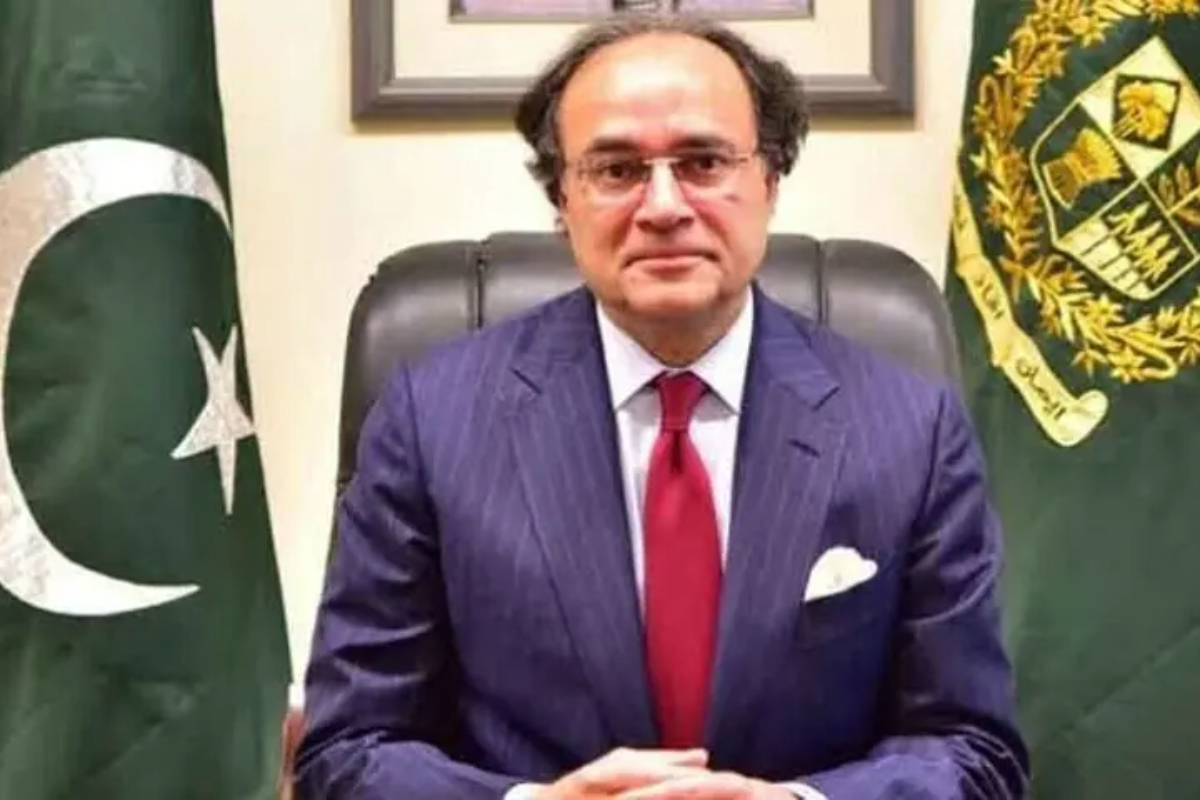
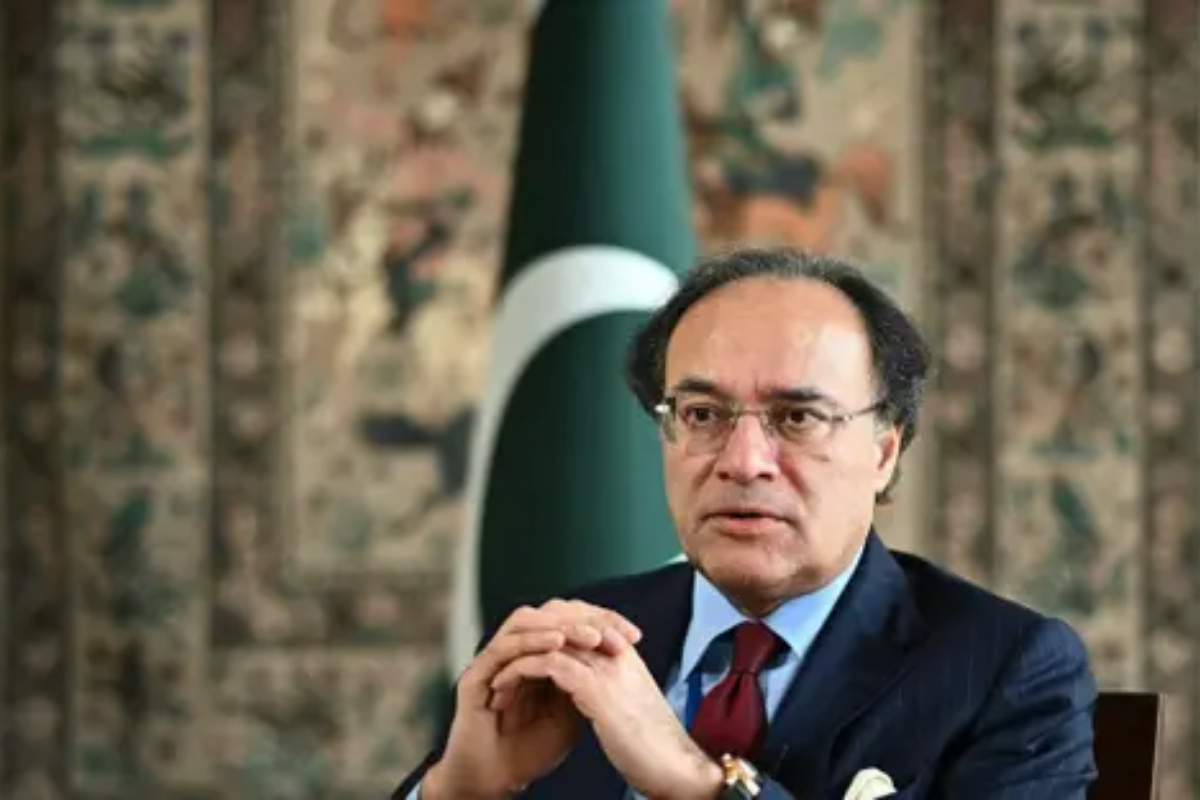
KARACHI: Federal Finance Minister Muhammad Aurangzeb announced that Google intends to develop Pakistan as an export hub, a move that underscores increasing global confidence in the country’s economic potential and digital growth prospects..

Speaking at the Future Summit in Karachi, the finance minister said Pakistan’s economy is moving in the right direction, with a renewed focus on production-led and sustainable growth. “The private sector plays a crucial role in driving economic progress. Our goal is to make Pakistan an export-oriented economy, with particular focus on the IT and maritime sectors,” he added.

Aurangzeb noted that international rating agencies have acknowledged Pakistan’s improving economic indicators, highlighting macroeconomic stability and a 9 percent rise in corporate profits.

He further said that efforts to broaden the tax base have resulted in an increase of 900,000 new filers. “Digitization will bring transparency to the economy, and countries like Egypt have expressed interest in learning from Pakistan’s FBR reforms,” he remarked.

The finance minister emphasized that structural reforms are essential for sustainable economic growth. He added that Pakistan will continue to build an ecosystem to leverage global diplomatic successes, promote AI-driven development, and tap into the vast potential of the blue economy.

Aurangzeb also disclosed that the government has decided to privatize 24 state-owned enterprises, with the privatization of Pakistan International Airlines (PIA) expected to be completed before the end of this year.

PIMEC showcases blue economy potential as second day begins

PIMEC

KARACHI: The two-day Maritime Conference formally commenced as part of the ongoing Pakistan International Maritime Expo and Conference (PIMEC) at the Karachi Expo Centre. Global experts in maritime affairs are presenting research papers and sharing insights on the growth potential of the maritime sector.

According to organizers, a total of 176 exhibitors, including 28 international and 150 local companies, are showcasing their products and innovations at the event.

A two-day Maritime Conference has also begun as part of PIMEC, where global experts in maritime affairs will present research papers and discuss key developments in the sector.

Among the international participants, Iran’s pavilion has become a major attraction for visitors, while Türkiye has also set up its own display at the exhibition.

The primary objective of hosting PIMEC is to promote the Blue Economy and encourage growth in maritime trade and industry in Pakistan.

Federal Minister for Finance Muhammad Aurangzeb, addressing the conference via Zoom from Islamabad, congratulated the Pakistan Navy and the Ministry of Maritime Affairs for successfully organizing the international event.

Aurangzeb said it was encouraging to see the international maritime conference being held in Pakistan, adding that the Blue Economy could prove to be a game changer for the country’s economic future.

He acknowledged that Pakistan’s economy had temporarily weakened due to recent floods, but noted that “leading global financial institutions are now recognizing Pakistan’s improving economic trajectory.”

The finance minister emphasized that one of the key goals of the maritime conference was to attract foreign investment and highlight the potential of the Blue Economy in strengthening Pakistan’s economy.

“Through the Blue Economy, Pakistan can achieve its future economic targets,” he said, stressing the need to increase exports and ensure affordable energy for sustainable growth.

Aurangzeb assured participants that the government is committed to resolving policy-related challenges associated with the Blue Economy.

Highlighting Pakistan’s recent economic progress, he said that over the past two and a half years, the government has taken concrete steps toward stability, resulting in a sharp decline in inflation and a reduction in policy rates.

He added that three global credit rating agencies have commended Pakistan’s recent economic measures and that strong coordination among ministries is contributing to continued improvement.

Aurangzeb reaffirmed that the Finance Ministry would extend full cooperation to ensure economic stability, noting that Pakistan also enjoys support from friendly countries in promoting trade and investment.

The finance minister expressed confidence that the Blue Economy could revolutionize Pakistan’s economic landscape, pointing to the vast potential in fisheries and aquaculture. He also said that steps are being taken to modernize Karachi, Gwadar, and Port Qasim, further enhancing Pakistan’s maritime capabilities.

Vice Chief of Naval Staff, Vice Admiral Raja Rab Nawaz, visited various stalls at the exhibition and reviewed a range of modern naval and defense equipment on display.

During the visit, he was given a detailed briefing on Pakistan-made defense technologies and warfare systems, highlighting the country’s progress in indigenous defense production.