BREAKING NEWS
Advertise with us >

Pakistan’s auto sector enters new era of investment and innovation

Pakistan’s auto sector

ISLAMABAD: Pakistan’s automobile sector is witnessing a new phase of investment, innovation and industrial expansion driven by policy facilitation and structural reforms, according to industry and official statements.

Since the establishment of the Special Investment Facilitation Council, targeted measures have been introduced to promote investment in the auto industry, streamline policy support, and encourage industrial development across the sector.

Officials said that the Electric Vehicle (EV) policy introduced with the facilitation of SIFC has emerged as a key milestone, driving innovation and modernization in Pakistan’s automotive landscape over the past three years.

The improved business environment has helped restore investor confidence, positioning Pakistan as an increasingly attractive market for global automobile manufacturers and technology providers.

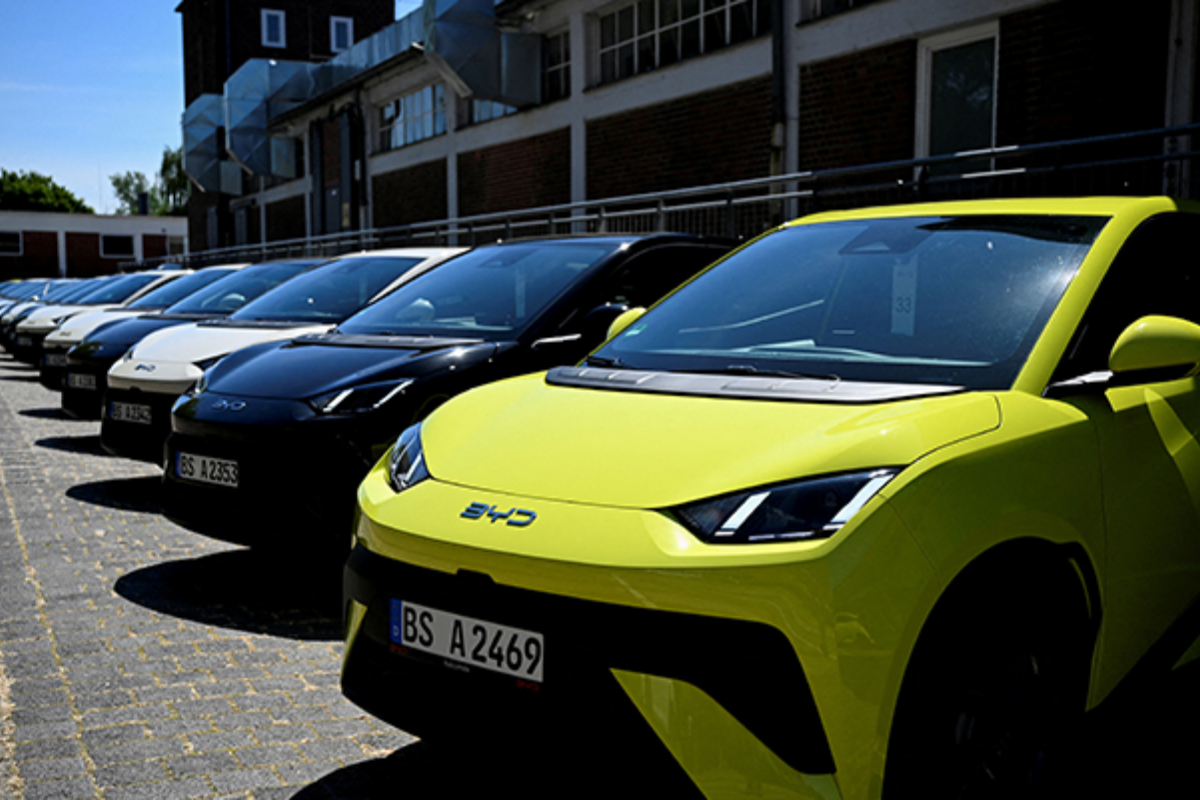
Several international automotive brands, including BYD, GAC, Changan, Denza, Omoda and Jaecoo, are expanding their presence in Pakistan and introducing new-generation vehicles and electric mobility technologies in the local market.

Industry observers also point to strategic partnerships, such as between Lucky Motor Corporation and Guangzhou Automobile Group, as evidence of growing international confidence in Pakistan’s auto sector.

With an estimated production capacity of around 500,000 units annually, Pakistan’s auto industry is seen as capable of meeting both domestic demand and supporting export potential.

Under ongoing reforms supported by SIFC, efforts are also underway to integrate Pakistan into the global automotive value chain through new auto policies and a refurbishment export model.

Officials said the sector is gradually transitioning from traditional manufacturing to advanced, environmentally friendly mobility solutions, with increasing focus on electric vehicles, local production and technological advancement.c
Ferrari launches first fully electric vehicle ‘Luce’

Ferrari launches

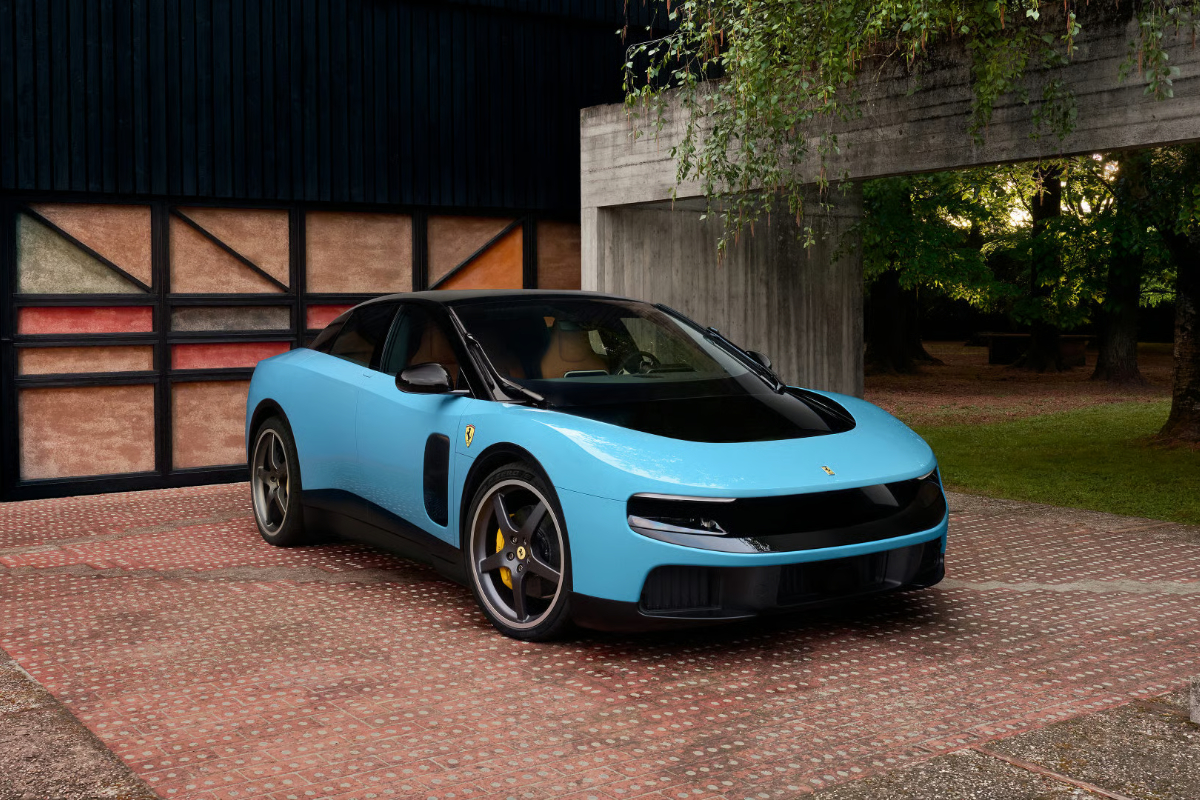
ROME: Luxury sports car maker Ferrari has unveiled its first fully electric vehicle, the “Luce,” marking a major shift for the brand as global automakers reassess their electric vehicle strategies amid weakening demand.

The company said the new model, whose name means “light” in Italian, comes at a time when several rivals are re-evaluating their EV plans due to slowing market demand.

The four-door “Luce” is being described as Ferrari’s first five-seater in its history. Its design reportedly involves collaboration with Jony Ive and his creative firm LoveFrom.

Unlike Ferrari’s traditional sports car styling, the Luce features a more spacious, glass-heavy design. Its interior combines leather, glass and anodized aluminum, while retaining physical buttons alongside digital controls instead of a fully touchscreen-based system.

Performance-wise, the vehicle includes four electric motors—one for each wheel—producing more than 1,000 horsepower combined. The company says it can exceed speeds of 310 km/h and travel over 500 kilometers on a single charge.

Despite being fully electric, Ferrari has incorporated systems to simulate engine-like vibrations and driving feedback inside the cabin to preserve its traditional driving feel.

The luxury EV offers 600 liters of boot space and advanced technology features. It is priced at approximately 550,000 euros ($640,000).

Ferrari Chief Executive Officer Benedetto Vigna said the project represents five years of development work, with deliveries expected to begin in the final quarter of 2026.

Electric vehicle sales surge 51% in Europe amid rising fuel prices

Electric vehicle

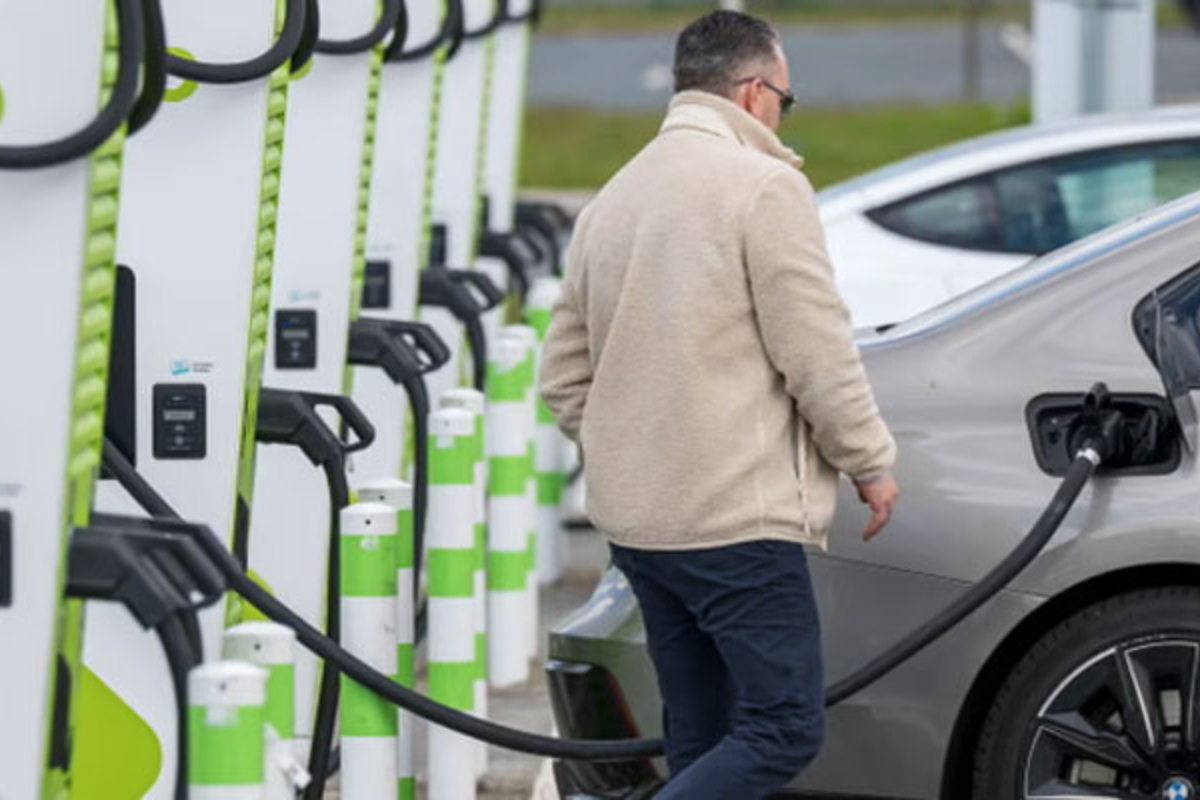
London/Brussels: Electric vehicle (EV) sales across Europe have surged significantly following rising petrol prices linked to ongoing Iran-related tensions, with consumers rapidly shifting toward cleaner and more cost-effective transport options.

According to a report by New Automotive, registrations of battery-powered electric vehicles in major European markets jumped by 51% in March alone.

The data shows that more than 224,000 new electric cars were registered across 15 European countries during the month, accounting for approximately 22% of all new car sales.

In the first quarter of 2026, over 500,000 electric vehicles were registered in European Union member states a 33.5% increase compared to the same period last year.

The five largest markets Germany, France, Spain, Italy, and Poland recorded growth exceeding 40%.

Germany, Europe’s largest auto market, saw a renewed boost in EV adoption following the introduction of government incentives.

Nearly one in four newly registered cars in March was electric, while overall EV sales have increased by 42% since the start of the year.

Italy also reported strong growth, with EV registrations rising by 65% so far this year, pushing their market share to 8.6% in March, up from around 5% at the end of 2025.

France remained among the top performers, with electric vehicles accounting for 28% of total car sales in March.

Experts say recent energy challenges have significantly influenced consumer behavior, with rising fuel costs accelerating the transition toward electric mobility. They add that as energy security becomes a key political priority, EV adoption is emerging as a practical and sustainable solution.

BYD sets new global EV sales record in 2025, overtakes Tesla

BYD sets

Chinese automaker BYD has set a new global record for electric vehicle (EV) sales in 2025, selling a total of 2.26 million units worldwide, the company said in a statement.

The milestone marks the highest annual EV sales ever achieved by a single manufacturer and places BYD ahead of US rival Tesla for the first time on a yearly basis.

Tesla had reported sales of 1.22 million electric vehicles by the end of September 2025, with its full-year results expected to be released on Friday.

According to a foreign news agency, BYD disclosed the sales figures in a statement submitted to the Hong Kong Stock Exchange.

The report noted that while BYD and other Chinese automakers face steep tariffs in the United States, the company’s sales continue to grow strongly across Southeast Asia, the Middle East and Europe.

It is worth noting that in 2024, Tesla narrowly outperformed BYD, selling 1.79 million electric vehicles during the year, compared to BYD’s 1.76 million units.