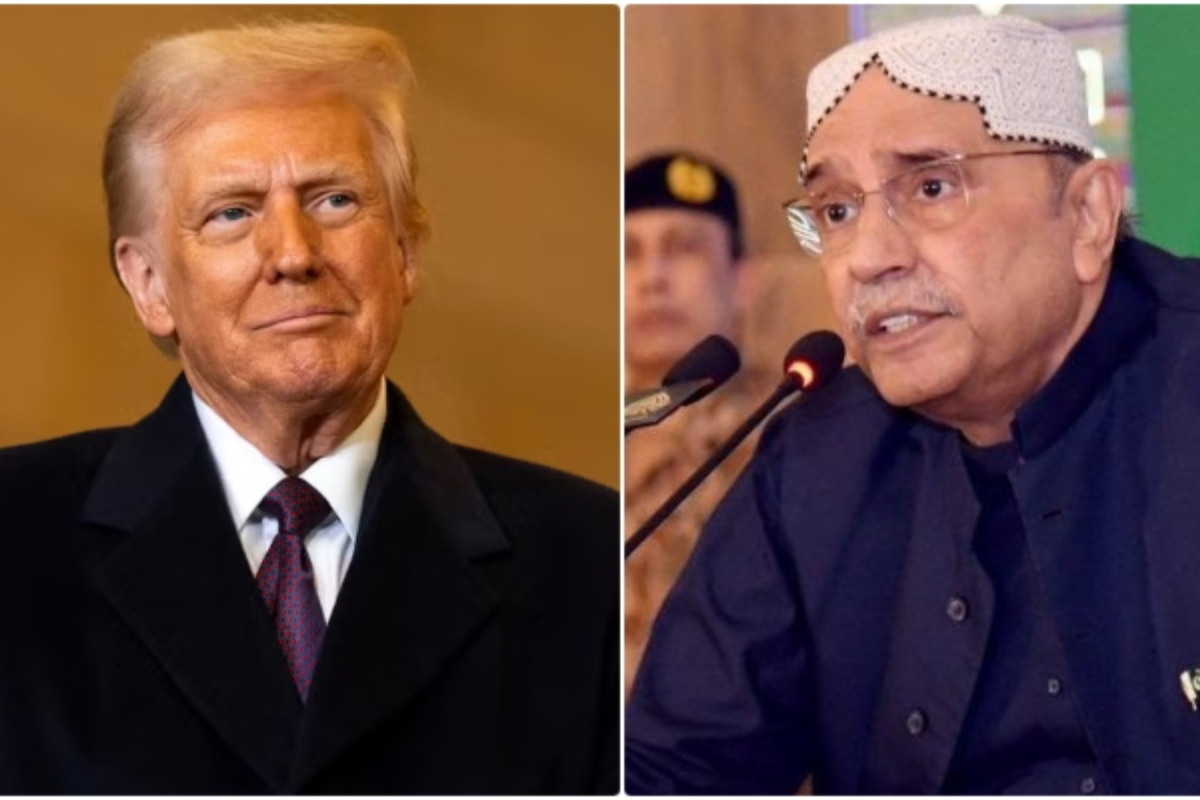
ISLAMABAD: President Asif Ali Zardari has invited US President Donald Trump to visit Pakistan, while extending congratulations to the American people on the 250th anniversary of the Declaration of Independence.
In a letter to Trump, Zardari said the United States continues to progress on the strength of its traditions of innovation, democracy and commitment to equality of opportunity.
He said the achievements of the American people over the past two and a half centuries have played an important role in promoting development and prosperity around the world.
Zardari added that Pakistan and the United States share long-standing relations based on mutual respect and a shared commitment to peace, security and prosperity.
The Pakistani president invited Trump to visit Islamabad at his earliest convenience, saying it would be an honor for the people of Pakistan to host him.
Meanwhile, Prime Minister Shehbaz Sharif extended congratulations to U.S. President Donald Trump and the American people on the 250th anniversary of U.S. independence, reaffirming Pakistan’s commitment to strengthening bilateral relations.
In a statement, Sharif said Pakistan stands with the United States in celebrating enduring democratic values, noting that the two countries share a partnership spanning more than seven decades.
He said the Pakistani-American community has played an important role in further strengthening ties between the two nations.
Sharif added that Pakistan and the United States have consistently stood together in addressing global peace and security challenges.
The prime minister also acknowledged Trump’s role in efforts toward peace in South Asia, saying his actions helped prevent a potentially catastrophic conflict and saved millions of lives.
He said both countries are moving toward a brighter and more hopeful future and reiterated Pakistan’s commitment to deepening its partnership with the United States.
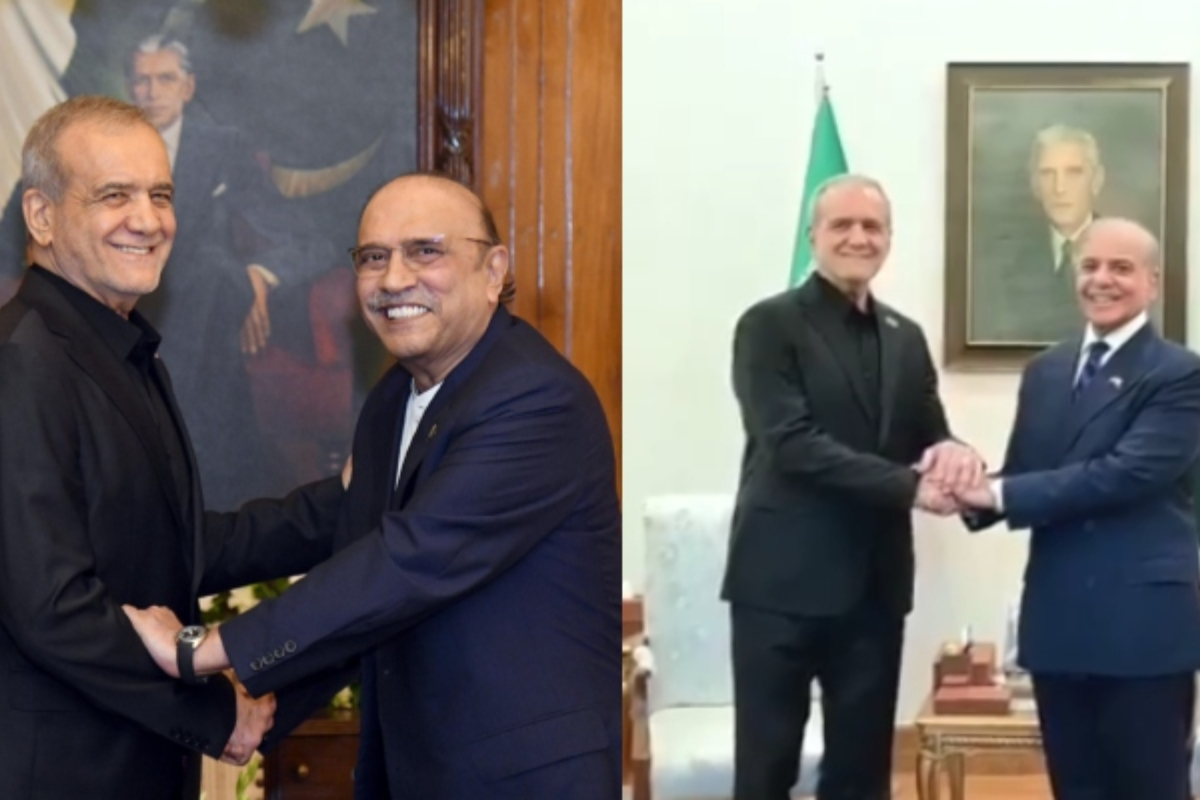
ISLAMABAD: Iranian President Masoud Pezeshkian held separate meetings with Pakistani President Asif Ali Zardari and Prime Minister Shehbaz Sharif, with the two sides reaffirming their commitment to strengthening bilateral ties and promoting regional peace.
According to a statement issued by the Presidency, President Zardari and Pezeshkian discussed bilateral relations, regional connectivity and economic cooperation. The leaders reiterated their resolve to deepen Pakistan-Iran relations and work jointly for peace and stability in the region.
Welcoming Pezeshkian on his first visit to Pakistan following the recent conflict, Zardari said the trip reflected the two countries’ commitment to standing by each other in times of both joy and adversity. He also reaffirmed Pakistan’s support for Iran’s sovereignty and territorial integrity.
Zardari congratulated the Iranian president on the signing of the Islamabad Memorandum of Understanding and expressed hope that technical-level negotiations would lead to lasting peace. He emphasized that Pakistan has consistently opposed unilateral actions and supported dialogue as a means of resolving regional and global challenges.
The Pakistani president also stressed the importance of unity within the Muslim world and underscored the significance of maintaining strong brotherly relations with Gulf countries.
According to the statement, Pezeshkian thanked Pakistan for its positive and constructive efforts to promote peace and dialogue and appreciated Islamabad’s support during recent difficult circumstances.
The Iranian president said Tehran attaches great importance to its relations with Pakistan and seeks to expand cooperation in political, economic, security and regional affairs.
Separately, Prime Minister Shehbaz Sharif also met with Pezeshkian, according to a statement from the Prime Minister’s Office. Deputy Prime Minister Ishaq Dar and Field Marshal Syed Asim Munir attended the meeting, while delegation-level talks between the two countries were also scheduled.
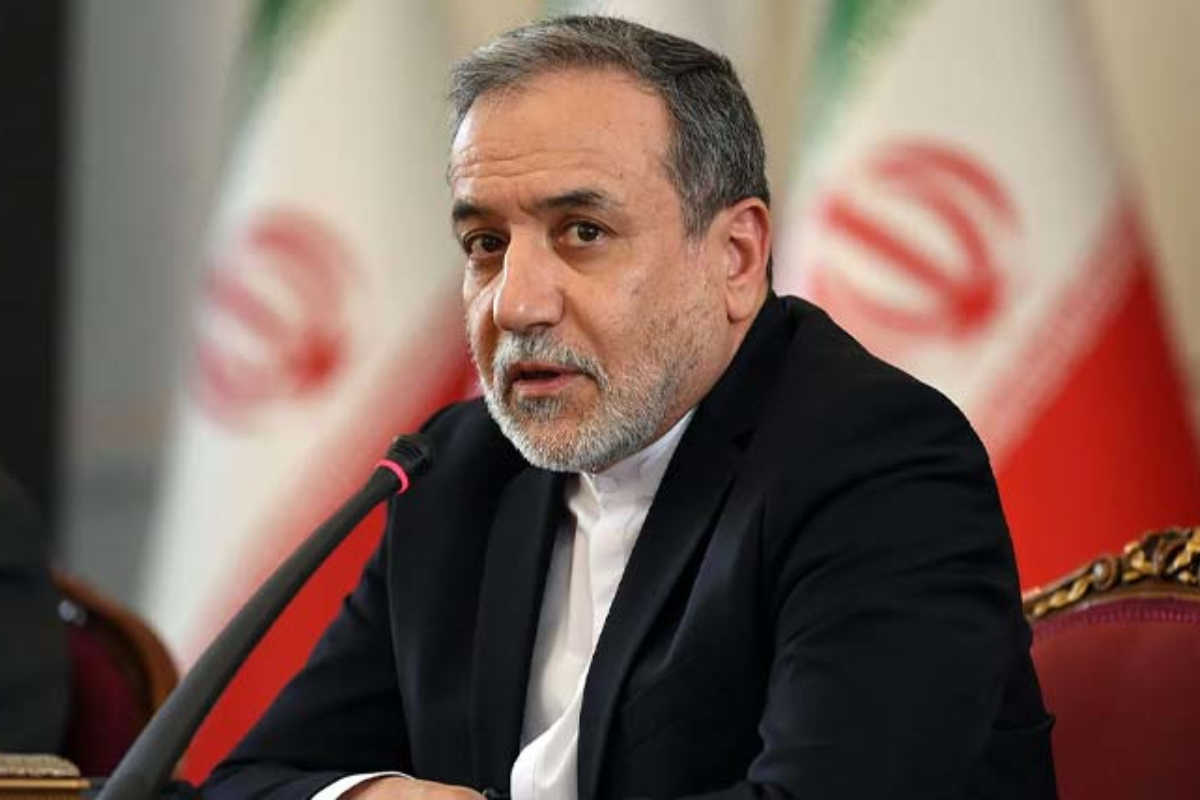
ISLAMABAD: Iranian Foreign Minister Abbas Araghchi is expected to arrive in Islamabad tonight with a small delegation, according to government sources.
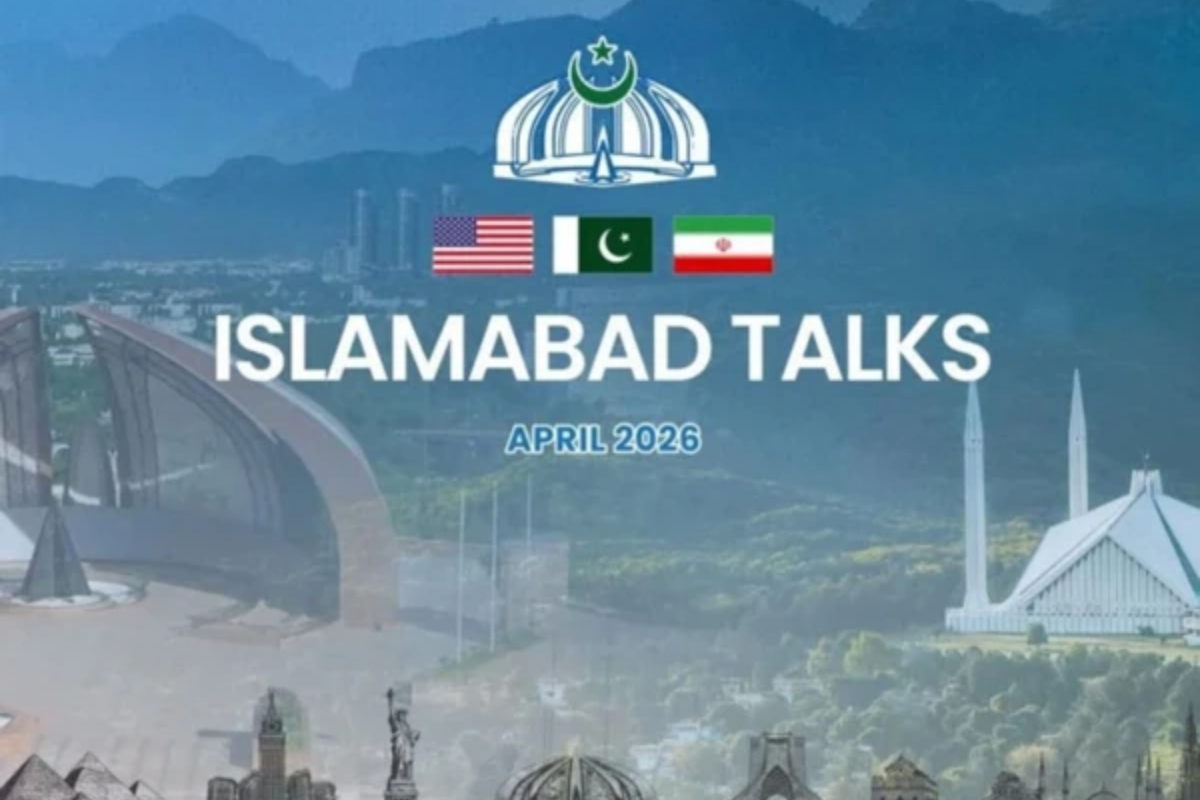
Sources said that following key engagements with Pakistan’s mediation team, the second round of the proposed “Islamabad peace talks” between the United States and Iran is likely to take place.
Officials further stated that a US logistical and security team is already present in Islamabad in preparation for the negotiations.
Earlier, Araghchi held a telephone conversation with Pakistan’s Deputy Prime Minister and Foreign Minister Ishaq Dar, during which both sides discussed regional developments, ceasefire efforts, and ongoing diplomatic initiatives.
According to the Foreign Office of Pakistan spokesperson, the two leaders reviewed the evolving regional situation and Islamabad’s diplomatic efforts in the context of U.S.-Iran contacts.
Ishaq Dar emphasized the importance of sustained dialogue and diplomatic engagement to resolve outstanding issues and promote lasting peace and stability in the region.
The Iranian foreign minister appreciated Pakistan’s constructive and positive role in facilitating diplomacy, and both sides agreed to remain in close contact.
Pakistan continues its diplomatic efforts to de-escalate tensions between the United States and Iran, with Prime Minister Shehbaz Sharif, the foreign minister, and the military leadership maintaining active contacts with relevant stakeholders to prevent further escalation.c
Islamabad: The fragile ceasefire between the United States and Iran is nearing its expiration, with just one day remaining before the deadline, while a second round of high-stakes negotiations is likely to begin in Islamabad.
The current truce is set to expire at midnight on April 21, placing urgency on both sides to reach a decision on its extension. Officials indicate that the future of the ceasefire will be determined during upcoming talks between the two countries.
Sources suggest that the second round of negotiations is expected to commence in Islamabad, with a U.S. delegation scheduled to arrive later today. U.S. President Donald Trump has confirmed that his negotiating team is heading to Pakistan for the discussions.
The talks aim to de-escalate tensions and potentially transform the temporary ceasefire into a long-term peace agreement.
The first round of negotiations, previously held in Islamabad, ended without a final deal but both sides agreed to continue diplomatic engagement.
Meanwhile, stringent security arrangements have been put in place in the federal capital. Movement in the Red Zone has been restricted, and additional personnel have been deployed at sensitive locations, signaling the significance of the anticipated .
Diplomatic efforts by Pakistan continue to intensify, with Prime Minister Shehbaz Sharif recently holding a telephone conversation with Iranian President Masoud Pezeshkian.
Deputy Prime Minister Ishaq Dar has also engaged with counterparts from multiple countries, including Saudi Arabia, Egypt, and Türkiye, to facilitate dialogue.
While some concerns have been raised by Iran over recent developments, officials remain hopeful that Pakistan’s diplomatic initiatives will help bring both sides closer to a lasting resolution.
ISLAMABAD: The spread of HIV in Islamabad is accelerating, according to official data, triggering growing concern among public health experts.
A government report revealed that 498 HIV cases were recorded in 2025, while a total of 618 new cases were reported between January 2025 and March 2026 in the federal capital.
Statistics indicate that more than 41 individuals, on average, contracted HIV each month in Islamabad. A significant majority of those affected are young men, with adult males accounting for 64 percent of all reported cases.
Authorities stated that among the 618 cases, 397 were men, 106 women, 93 transgender individuals, and 22 children.
The report further highlighted that 120 new cases emerged in the first quarter of 2026 alone. The highest monthly spike was recorded in July 2025 with 63 cases, while the lowest numbers 31 cases each were reported in June and December.
Health experts attribute the surge largely to unsafe sexual practices, particularly among young men under the influence of наркотics.
The use of crystal meth, commonly known as “ice,” has been identified as a major contributing factor, as it often leads to high-risk behavior and unprotected intercourse.
Nationwide, the estimated number of people living with HIV in Pakistan stands at approximately 350,000, underscoring the scale of the public health challenge.
Washington: The United States will send a high-level delegation to Islamabad for talks with Iran, White House spokesperson Karoline Leavitt confirmed.
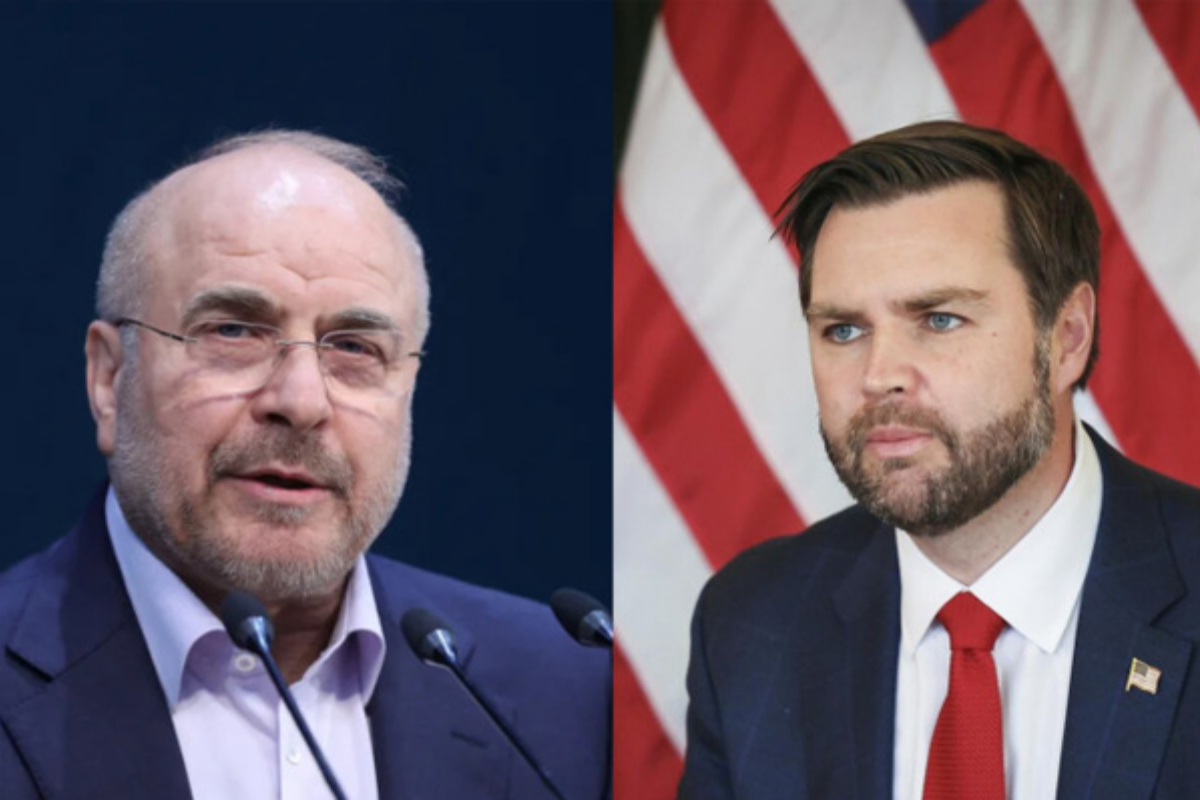
She said the team, which includes Vice President JD Vance, Steve Witkoff and Jared Kushner, is scheduled to arrive in Islamabad, with the first round of negotiations expected on Saturday morning.
Leavitt noted that Iran had initially proposed a ceasefire and later agreed to workable terms, including reopening the Strait of Hormuz, after earlier proposals were rejected as unacceptable.
She emphasized that President Donald Trump’s red lines remain unchanged, particularly regarding freedom of navigation in the vital waterway.
She also revealed that Trump held a recent conversation with Israeli Prime Minister Benjamin Netanyahu, adding that Lebanon is not part of the current ceasefire framework and discussions on that front will continue.
Earlier, Prime Minister Shehbaz Sharif and Iranian President Masoud Pezeshkian held a telephone conversation, during which the Iranian leader thanked Pakistan for its efforts in facilitating the ceasefire and confirmed that an Iranian delegation would visit Islamabad for talks.
Diplomatic sources said the negotiations will focus on formalizing ceasefire arrangements, with senior officials from both sides expected to participate.
US Vice President JD Vance is expected to arrive in Pakistan late tonight along with a high-level delegation for dialogue with Iran, according to sources.
Sources said the delegation will include Steve Witkoff and Jared Kushner, who will participate in talks with the Iranian side.
A 23-member support team from the United States has already reached Islamabad, including security experts and other officials assisting the.
On the Iranian side, Parliament Speaker Mohammad Bagher Ghalibaf and Foreign Minister Abbas Araghchi are also expected to arrive in Islamabad later tonight for the negotiations.
ISLAMABAD: Authorities have arrested the Afghan mastermind behind the suicide bombing in Islamabad, security sources confirmed.
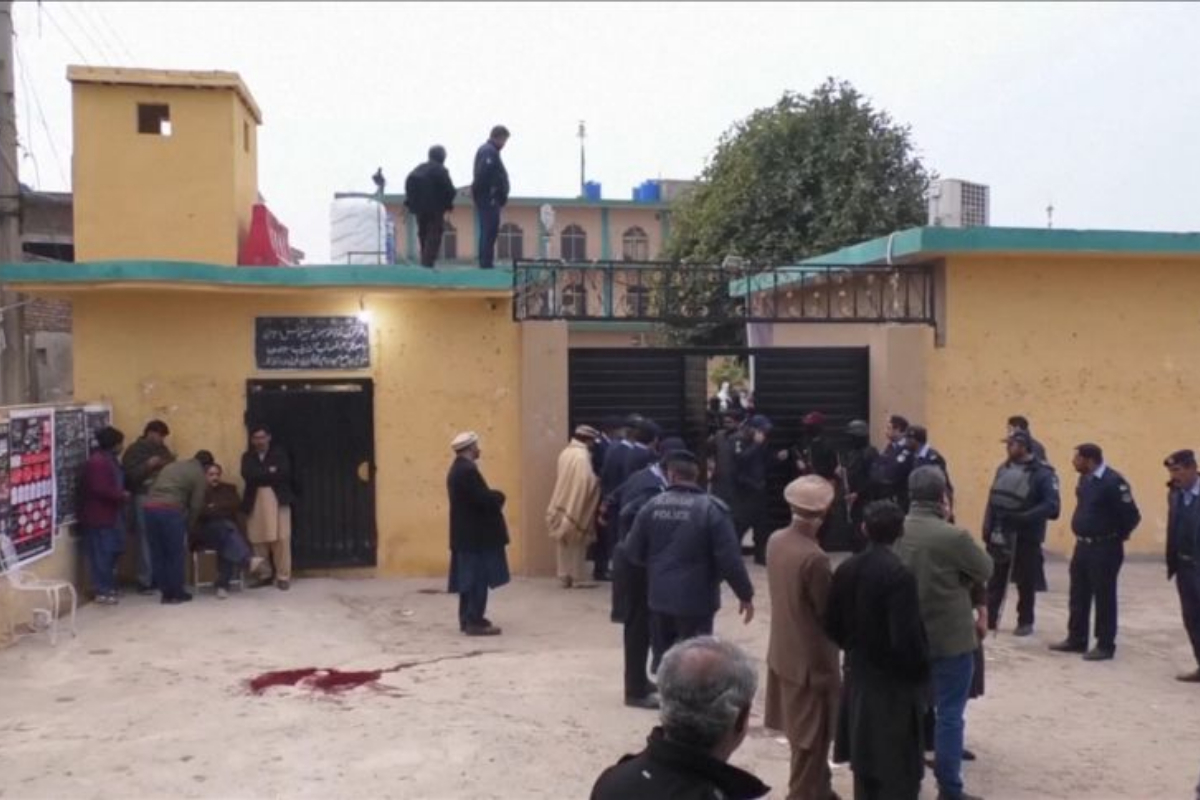
The attacker, linked to the banned ISIS organization, carried out the deadly attack in the suburban area of Tarlai Kalan, killing 33 people and injuring over 150 others at Imam Bargah and Khadijah-ul-Kubra Mosque.
According to officials, significant progress was made in the investigation through coordinated intelligence and law enforcement operations in Peshawar and Nowshera, resulting in the capture of four facilitators who aided the suicide bomber.
Security sources stated that the operations were carried out using both technical surveillance and human intelligence, leading to the identification and arrest of the key Afghan orchestrator.
The Islamabad attack has been described as one of the deadliest in recent years, highlighting the ongoing threat posed by terrorist networks in the region.
Authorities have made significant progress in the investigation of the suicide bombing at an Imam Bargah in Islamabad, police sources confirmed.
A raid conducted at the attacker’s home in Peshawar led to the arrest of two brothers, a brother-in-law, and a woman connected to the suspect. Investigators recovered the suicide bomber’s identity card at the blast site, which identified him as Yasir, with a permanent address in Abbas Colony, Shirojangi Charsadda Road, Peshawar, and a current residence in Ganj Mohalla, Qazian, Peshawar.
Authorities revealed that the attacker had spent five months in Afghanistan, where he received training in weapons handling and suicide bombing techniques.
Police have launched additional raids in Peshawar and Nowshera to track down the bomber’s network and accomplices, while the investigation continues into all aspects of the incident, including contacts and facilitators linked to the attack.
Officials said that further critical evidence is expected during the investigation, which will shed more light on the background of the terrorist act in Islamabad.
Meanwhile, one more injured person has succumbed to wounds from the suicide bombing at Khadijah-ul-Kubra Mosque and Imam Bargah in Tarlai, Islamabad, raising the death toll to 33, hospital sources confirmed.
According to hospital officials, the bodies of all 33 victims have been handed over to their families. Pakistan Institute of Medical Sciences (PIMS) received 149 casualties from the blast, including 28 deceased and 121 injured.
After overnight medical treatment, 64 injured patients remain at PIMS, with 20 in critical condition and 9 in the ICU. Injuries are being treated in Surgical Ward 1 and Surgical Ward 4, while 13 other patients are under care at Polyclinic Hospital.
The attack, which occurred yesterday in Tarlai, Islamabad, targeted the Imam Bargah and Khadijah-ul-Kubra Mosque, leaving the community in shock and prompting ongoing investigations.
ISLAMABAD: The government has announced plans to roll out 30 free Wi-Fi hotspots across Islamabad by December 2025, aiming to improve public access to high-speed internet.
The National Telecommunication Corporation (NTC) briefed the National Assembly’s Standing Committee on IT, stating that work on the project is progressing rapidly and the facilities will be fully operational within the stipulated timeframe.
Officials said the initiative is part of the government’s broader policy to strengthen digital infrastructure in the country.
The free hotspots will be installed near key public areas, markets, and government buildings in Islamabad to provide citizens and students with convenient access to high-speed internet.
The NTC further noted that it currently provides services, including cybersecurity support, to over 3,000 public and private institutions across more than 100 cities nationwide.
Authorities added that the free Wi-Fi project is an important step toward making Islamabad a technology-friendly city and improving digital accessibility for residents.
Subhead: From the blooming orchards of Hunza to the flower festivals of Islamabad, spring 2025 is bringing Pakistan to life with color, culture, and adventure.
Introduction: Pakistan in Full Bloom
Spring is the season when Pakistan truly transforms. From February to May, the country shifts from the chill of winter to the gentle warmth of new life. Trees blossom, fields turn emerald green, and the air fills with the fragrance of renewal.
In 2025, domestic travel in Pakistan is thriving, fueled by social media, improved infrastructure, and a rising love for nature-friendly getaways. For travelers seeking color, calm, and culture — these ten destinations capture the magic of Pakistan’s springtime.
1. Hunza Valley – Where Spring Paints the Mountains
No place captures spring’s beauty like Hunza. From mid-March to April, the valley bursts into a sea of pink and white blossoms — apricot, cherry, and almond trees bloom against the snow-covered peaks of Rakaposhi and Ultar Sar.
Hunza’s annual Spring Blossom Festival celebrates this transformation with local music, polo matches, and traditional dance performances. Villages like Karimabad, Altit, and Ganish turn into picture-perfect postcards.
Must-do:
Visit Eagle’s Nest for sunrise views over blooming orchards.
Explore Altit Fort and walk through apricot-lined paths.
Try Hunza’s famous walnut cake and organic dried fruits.
2. Skardu – The Valley of Flowers and Lakes
As snow melts in early April, Skardu emerges as a paradise of blue lakes and flowering meadows. The roads leading to Shangrila, Katpana Desert, and Kachura Lake are lined with vibrant wildflowers and green terraces.
The mild weather, clear skies, and peaceful atmosphere make it the ideal time for boating, hiking, and camping. Skardu’s spring season is also a favorite for photographers and newlyweds seeking romantic landscapes.
Must-do:
Boat at Upper Kachura Lake.
Visit Shigar Fort and enjoy traditional Balti cuisine.
Watch sunrise over Satpara Lake.
3. Swat Valley – The Switzerland of Pakistan Reborn
In 2025, Swat Valley is reclaiming its fame as Pakistan’s “Switzerland.” During spring, the rivers run turquoise, cherry blossoms color the hills, and the scent of pine fills the air.
Kalam, Bahrain, and Malam Jabba are perfect for family trips and weekend escapes. Adventure seekers can hike to Ushu Forest or the glacier-fed Mahodand Lake, while cultural travelers can visit the Buddhist sites that narrate Swat’s ancient history.
Must-do:
Explore Kalam Valley and Ushu Forest.
Visit Malam Jabba ski resort for off-season serenity.
Enjoy trout fish from Swat River.
4. Neelum Valley, Azad Kashmir – Where Rivers Meet Blossoms
Neelum Valley becomes a living canvas during spring. Located in Azad Jammu & Kashmir, it’s famous for its crystal rivers, apple orchards, and pine-covered hills.
The villages of Keran, Sharda, and Kel look surreal in April, with white blossoms reflecting on turquoise waters. The moderate temperatures make it perfect for trekking and riverside picnics.
Must-do:
Stay in a riverside hut in Keran.
Visit Sharda University ruins.
Drive up to Arang Kel for panoramic views.
5. Islamabad – The Capital in Bloom
Pakistan’s green capital city becomes its most colorful during spring. The annual Islamabad Flower Festival, held in March, draws visitors from across the country to witness gardens in full bloom — especially at Daman-e-Koh, Fatima Jinnah Park, and the Rose & Jasmine Garden.
Cherry blossom trees along Margalla Road and the fresh mountain breeze make the city irresistible for walkers, cyclists, and photographers.
Must-do:
Visit the Islamabad Flower Festival and Rose Garden.
Take a hike on Trail 3 or Trail 5 in Margalla Hills.
Enjoy sunset tea at Monal or La Montana.
6. Lahore – History, Gardens, and Festivities
Known as the city of gardens, Lahore is a spring masterpiece. From the historic Shalimar Gardens to Jilani Park’s Chrysanthemum Festival, Lahore comes alive with color.
The famous Jashn-e-Baharan Festival celebrates the season with cultural shows, food stalls, and kite-flying events. The city’s Mughal architecture — from Badshahi Mosque to Lahore Fort — looks even more stunning surrounded by blooming flowers.
Must-do:
Attend Jashn-e-Baharan at Jillani Park.
Visit Shalimar Gardens and Lahore Fort.
Try seasonal mango blossom desserts at MM Alam Road cafés.
7. Shogran and Siri Paye – Nature’s Carpet of Flowers
Nestled in the Kaghan Valley, Shogran turns into a floral wonderland each spring. The meadows of Siri Paye, accessible by jeep, are carpeted with yellow, purple, and pink wildflowers in April.
With views of Makra Peak and the Himalayas, this is one of the best spots for nature photography and peaceful retreats.
Must-do:
Jeep ride to Siri Paye Meadows.
Enjoy horseback riding through pine forests.
Stay at a wooden chalet overlooking the valley.
8. Sakardu to Deosai – Spring in the Land of Giants
The Deosai National Park, often called “The Roof of the World,” reopens in late May as snow gives way to thousands of blooming alpine flowers. The plateau’s vast fields, golden marmots, and clear blue lakes create an almost surreal atmosphere.
For wildlife enthusiasts, spring is also the best time to spot Himalayan brown bears emerging from hibernation.
Must-do:
Visit Sheosar Lake in full bloom.
Camp under clear night skies at Bara Pani.
Photograph the wildflowers and marmots.
9. Kalash Valley – The Celebration of Life
In the remote valleys of Chitral, the indigenous Kalash community celebrates spring with their world-famous Chilam Joshi Festival in May. The festival marks the arrival of spring with dancing, music, and floral decorations.
The Kalash people dress in traditional black robes adorned with bright embroidery and floral headpieces, welcoming tourists from around the world to experience their ancient culture and hospitality.
Must-do:
Attend Chilam Joshi Festival.
Explore Bumburet and Rumbur valleys.
Visit the Kalasha Dur Museum.
10. Ziarat – Pakistan’s Hidden Spring Secret
Known for its juniper forests and cool breeze, Ziarat in Balochistan is a lesser-known spring gem. The town’s apple and cherry trees bloom beautifully in April, turning the rugged terrain into a peaceful retreat.
Spring is also the best time to visit the Quaid-e-Azam Residency, surrounded by lush green gardens. The climate remains crisp and refreshing, making it ideal for quiet vacations and photography.
Spring 2025 is shaping up to be Pakistan’s most vibrant travel season yet. From the cultural colors of Lahore and Kalash to the pristine landscapes of Hunza and Swat, each region tells a story of rebirth and beauty.
Whether you’re a solo traveler, a family explorer, or a content creator, Pakistan’s spring destinations promise unforgettable experiences — where nature, culture, and hospitality bloom together.
So pack your camera, your curiosity, and your sense of wonder — because spring in Pakistan is not just a season, it’s a feeling.