BREAKING NEWS
Advertise with us >

Iran claims strike destroyed US F-35 Jets in Jordan

Iran claims

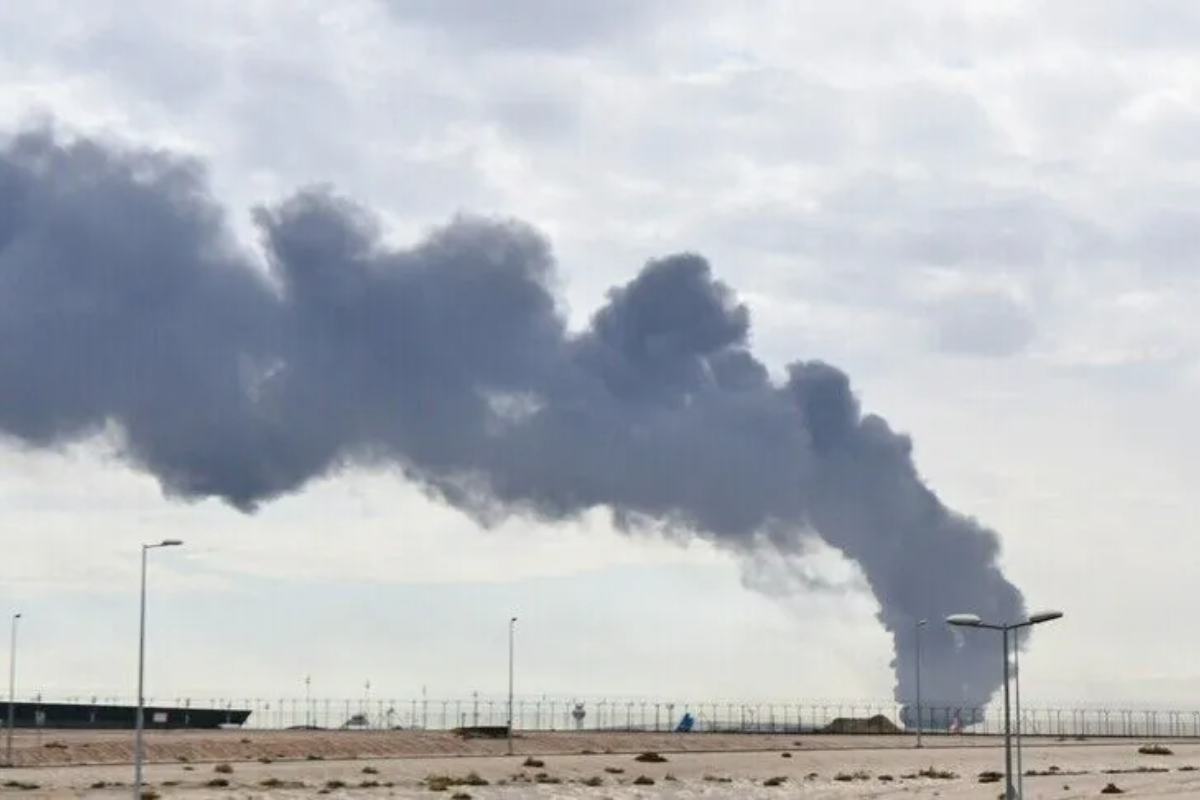
TEHRAN: Iran’s Islamic Revolutionary Guard Corps (IRGC) claimed that its latest missile strikes destroyed three U.S. F-35 fighter jets at Al Azraq Air Base in Jordan and damaged additional military assets at Ali Al Salem Air Base in Kuwait.

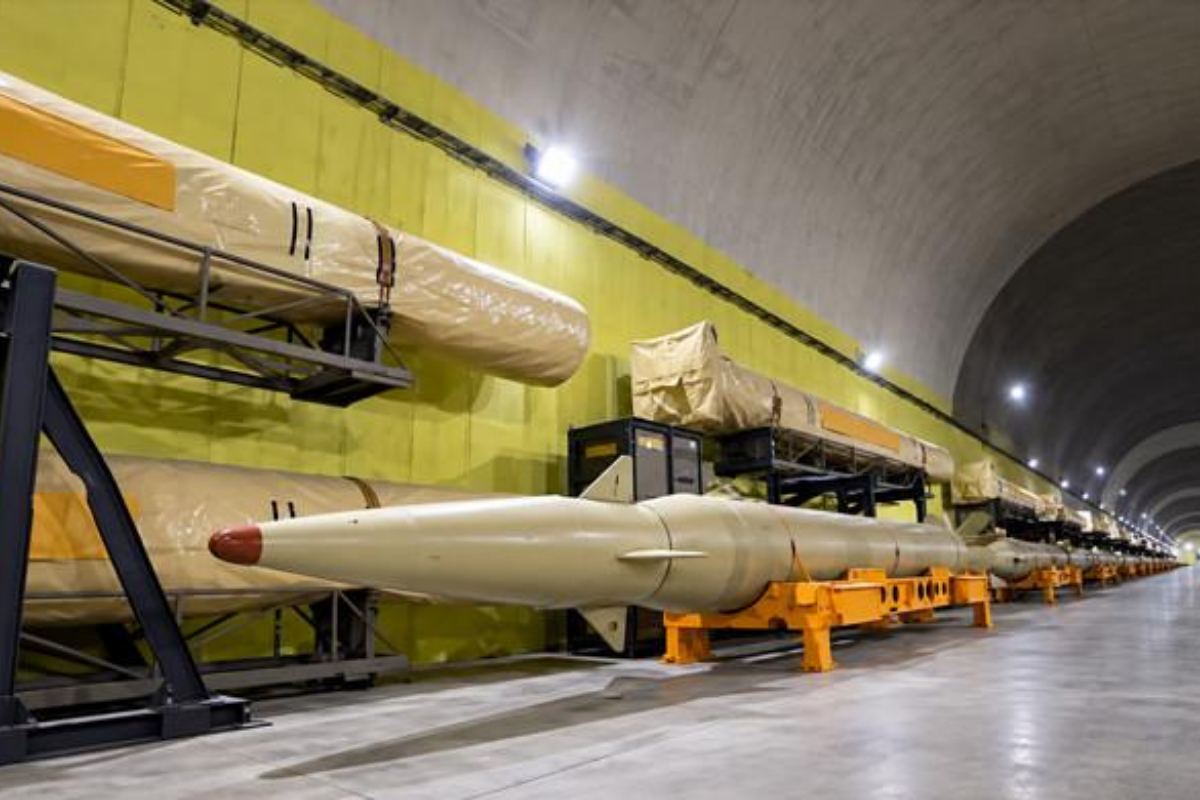
According to Iran’s Fars News Agency, the IRGC said its Aerospace Force targeted maintenance hangars and aircraft facilities at Al Azraq Air Base with ballistic missiles, claiming three F-35 stealth fighters were destroyed and three more sustained significant damage.

The claims have not been independently verified, and there has been no immediate confirmation from US or Jordanian officials.

In a separate statement, the IRGC said it also struck Ali Al Salem Air Base in Kuwait as part of its ongoing Operation Nasr 2, claiming the attack set fire to two drone hangars, an aircraft fuel tank, and destroyed U.S. military helicopters. The reported damage has not been independently confirmed.

Meanwhile, the Gulf Cooperation Council (GCC) condemned the reported Iranian attacks on Jordan and Kuwait, describing them as violations of the two countries’ sovereignty and international law.

GCC Secretary-General Jassim Mohammed Al Budaiwi said the attacks represented a dangerous escalation that threatened regional security and stability. He reaffirmed the bloc’s solidarity with Jordan and Kuwait and pledged support for measures to safeguard their security and sovereignty.

US military leaders divided over strategy for potential conflict with Iran

US military

WASHINGTON: Senior US military leaders are reportedly divided over the strategy the United States should adopt in a potential military conflict with Iran, according to a US media report.

The report said Adm. Brad Cooper, commander of U.S. Central Command, supports launching a large-scale air campaign against Iran that could last for up to two weeks.

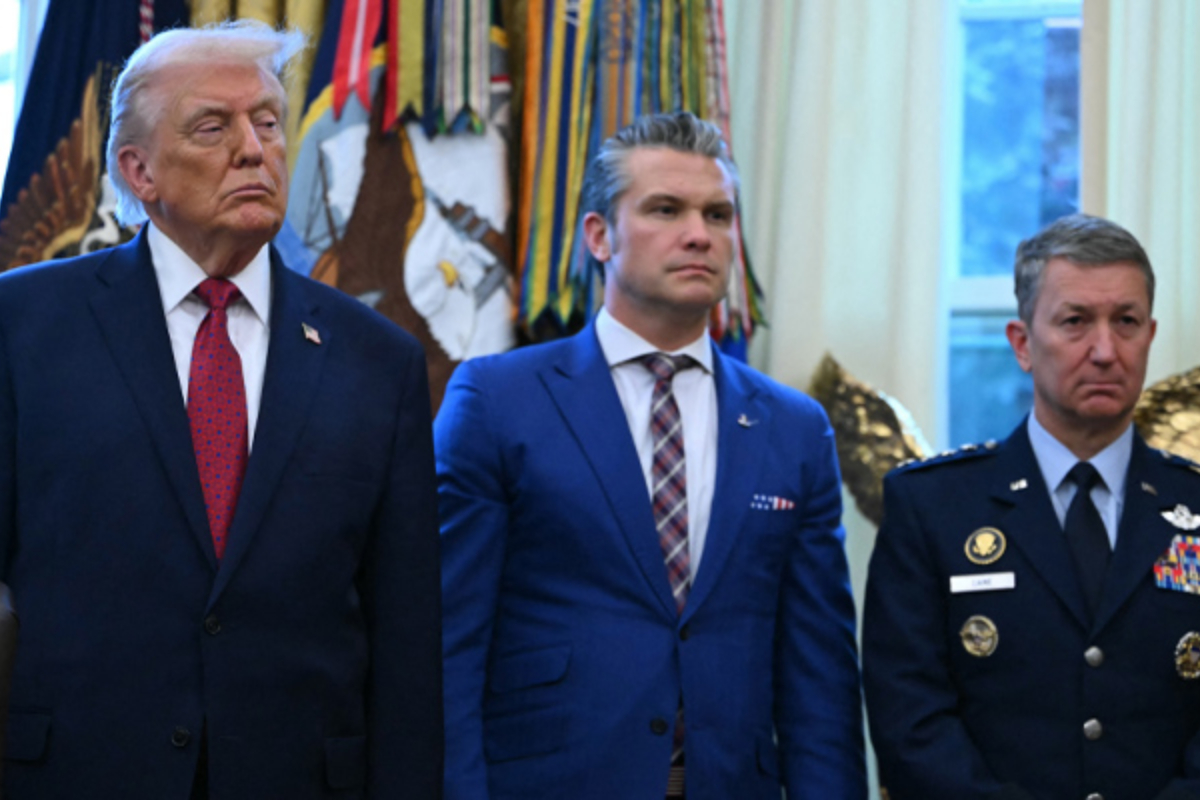
However, Gen. Dan Caine, chairman of the Joint Chiefs of Staff, and Defense Secretary Pete Hegseth are reportedly urging a more restrained approach, arguing that U.S. air defense stockpiles should be preserved rather than committed to an expanded military campaign.

The differing views leave President Donald Trump facing a key decision over whether to escalate military action against Iran or adopt a more limited response.

The reported debate follows Trump’s warning that the United States would respond forcefully to what he described as an Iranian missile attack on a US military base in Jordan.

In media interviews, Trump said U.S. forces intercepted the incoming missiles within minutes and vowed that Iran would face a “very strong” response.

Oil prices fall more than 5% after Trump pauses strikes on Iran

Oil prices

LONDON: Global oil prices fell by more than 5% after US President Donald Trump announced a pause in military strikes against Iran, easing concerns over potential disruptions to global crude supplies.

According to Reuters, the announcement followed nearly two weeks of US military operations targeting Iran and prompted investors to scale back fears of a broader regional conflict affecting energy markets.

Brent crude dropped $5.58, or 5.77%, to $91.20 per barrel, while U.S. West Texas Intermediate (WTI) crude fell $4.91, or 5.50%, to $84.40 per barrel.

Market analysts said expectations of reduced tensions between the United States and Iran, along with hopes for a diplomatic resolution, helped ease concerns over oil supply disruptions, leading to the sharp decline in prices.

US media reported that Trump ordered a halt to military operations after 13 days of strikes. It remains unclear whether the pause is temporary or marks the beginning of a broader ceasefire.

Trump says China, Russia pledged not to arm Iran

Trump says

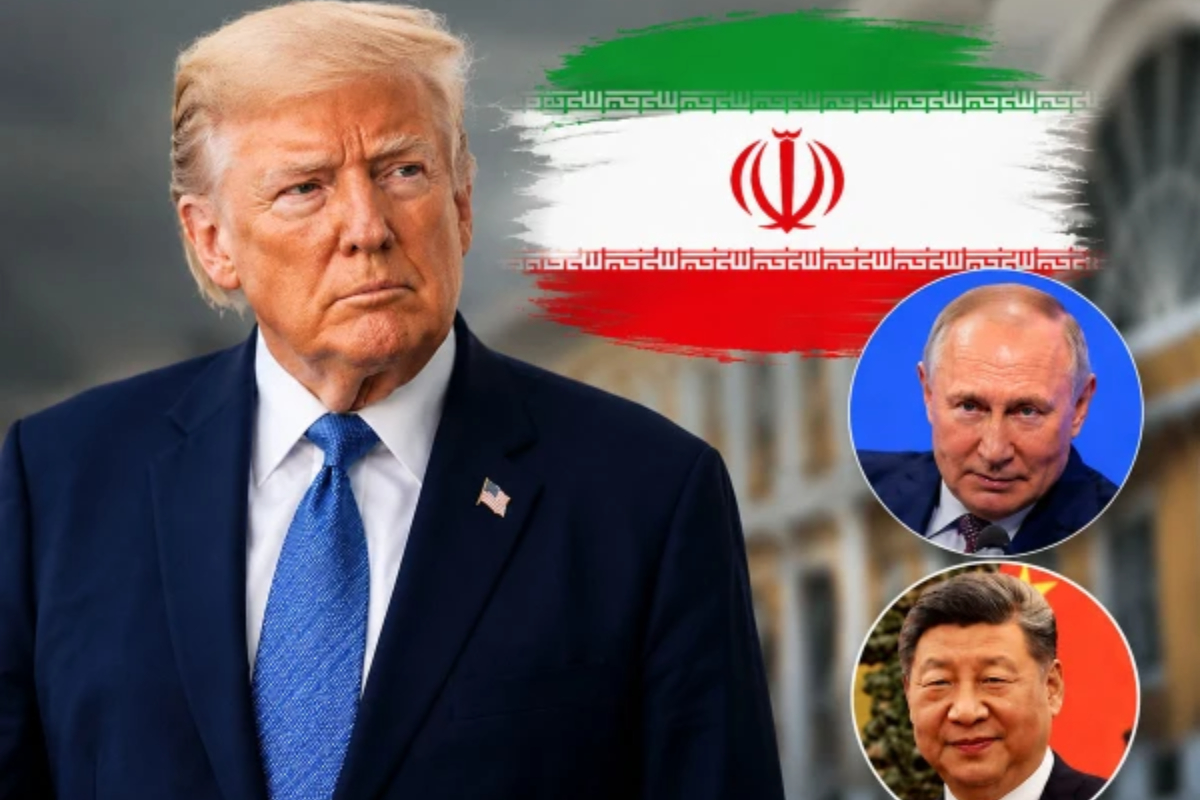
WASHINGTON: US President Donald Trump said on Friday that the leaders of China and Russia had separately assured him their countries would not sell weapons to Iran amid heightened tensions in the Middle East.

In a post on his social media platform, Truth Social, Trump said he had discussed the issue with Chinese President Xi Jinping and Russian President Vladimir Putin during recent meetings. According to Trump, both leaders pledged that their governments would not provide arms to Iran.

Trump said he believes neither China nor Russia has an interest in becoming involved in the conflict, adding that such a move would be detrimental to both countries. He said he trusted Xi’s assurance, citing the relationship between Washington and Beijing.

Referring to Russia, Trump said Putin had offered a similar commitment despite Moscow’s ongoing involvement in the war in Ukraine. He also reiterated that the United States does not directly supply weapons to Ukraine, but sells arms to NATO member states, which then determine how the equipment is distributed.

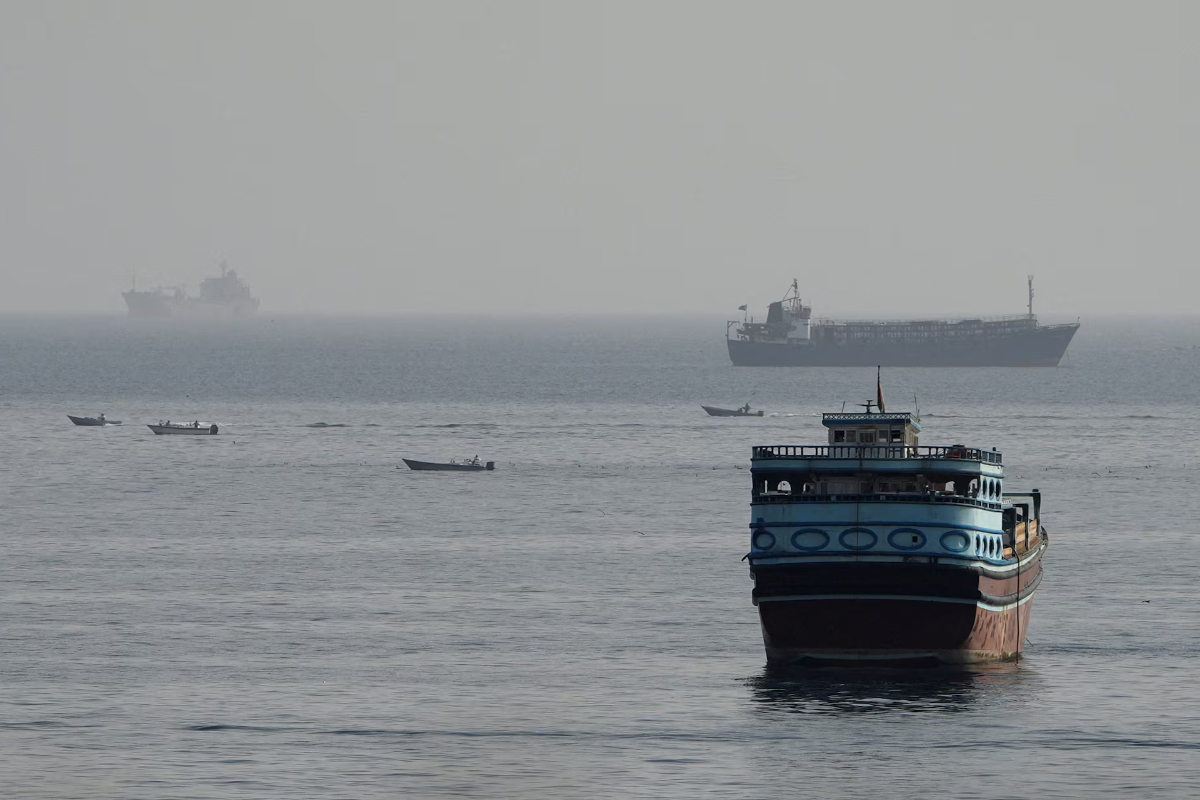
There was no immediate official response from China, Russia, or Iran to Trump’s remarks. The comments come as tensions between the United States and Iran remain elevated, with the closure of the Strait of Hormuz disrupting global energy markets and international mediation efforts continuing to seek a ceasefire.

Rubio warns Iran will pay ‘heavier price’ if tensions persist

Rubio warns

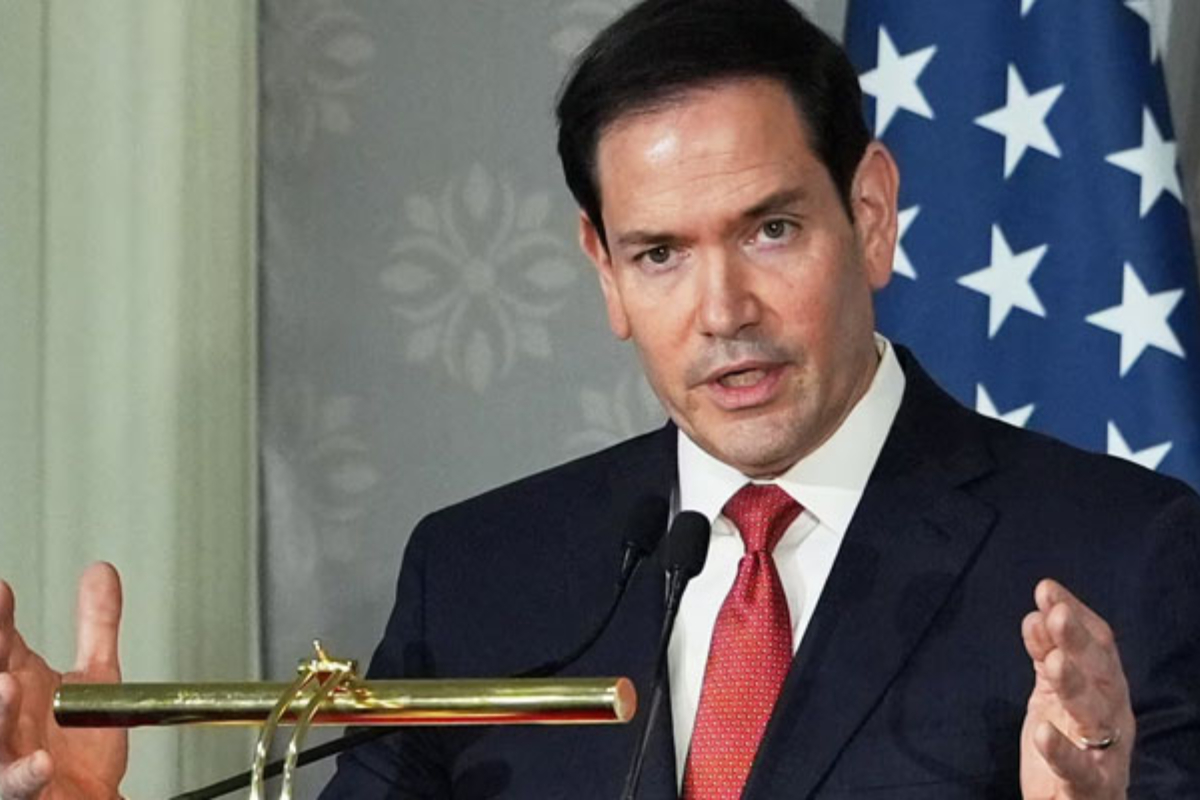
MANILA: US Secretary of State Marco Rubio warned that Iran would face increasingly severe consequences if it continues on its current course, saying President Donald Trump’s policy is based on strong retaliation against hostile actions.

Speaking to reporters in Manila, Rubio said the United States had honored its commitments in past negotiations with Iran but claimed Tehran is currently unwilling to reach a new agreement. He added that Iran could still change its position in the coming days but warned that “every passing night” would carry a heavier cost if the situation remains unchanged.

Rubio also alleged that Iran continues to seek both direct and indirect channels for negotiations with Washington. He accused Iran’s leadership of prioritizing support for groups including Hezbollah, Hamas and the Houthis instead of focusing on economic development, arguing that the country has the potential to become one of the wealthiest in the Middle East.

Commenting on regional security, Rubio said Iran had drawn the Houthis into the broader conflict and expressed hope that attacks on shipping in the Red Sea would cease.

 He also described Saudi Arabia as a key U.S. strategic partner, saying a civilian nuclear agreement with the kingdom would include strict safeguards and require congressional approval.

On international issues, Rubio reiterated that the United States would not join the International Criminal Court, criticizing the institution and saying it would have no jurisdiction over U.S. citizens.

Addressing the war in Ukraine, Rubio said the conflict has caused extensive bloodshed and that Ukraine has paid a heavy price. He said the United States remains prepared to play a constructive role in efforts to end the war. Rubio also said Washington seeks stable and positive relations with China.

Mediators propose 10-day ceasefire between US and Iran

Mediators propose

WASHINGTON: Qatar, Egypt, Pakistan and several other regional mediators have proposed a 10-day ceasefire between the United States and Iran in an effort to ease escalating tensions and reopen the Strait of Hormuz, according to a report by Axios.

The report said President Donald Trump has reached a critical juncture in the conflict, with U.S. and Israeli officials believing only two viable options remain: pursuing a new 10-day ceasefire initiative aimed at restoring maritime traffic through the Strait of Hormuz, or launching a major joint military campaign with Israel to pressure Iran into surrendering.

Trump has not made a final decision, Axios reported, citing U.S. officials who said the coming days will determine which path is taken as the prolonged conflict becomes increasingly difficult to sustain.

Two regional sources familiar with the mediation efforts told Axios that Qatar, Egypt, Pakistan and other intermediaries presented the ceasefire proposal to both Washington and Tehran.

US officials said the Trump administration is reviewing the proposal, although neither the United States nor Iran has accepted it. Both sides are reportedly seeking to strengthen their negotiating positions through continued military strikes before considering a ceasefire.

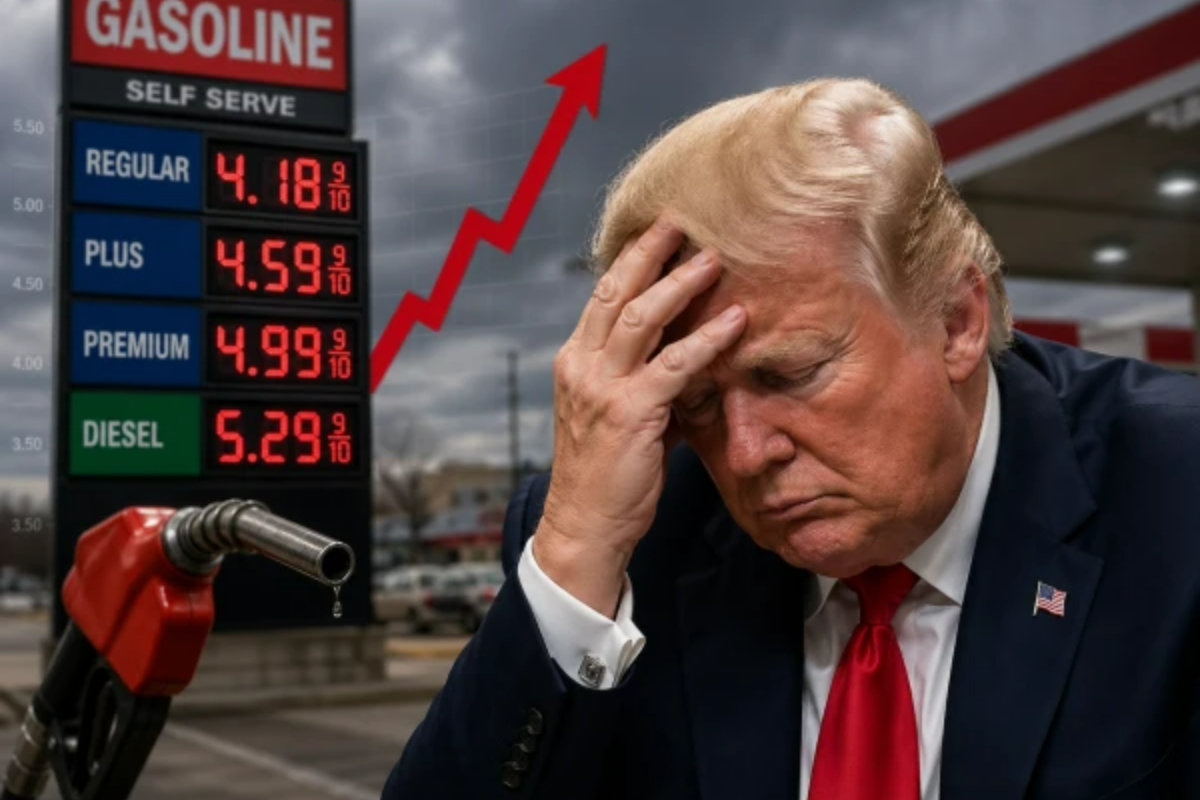
Axios also reported that despite 10 consecutive days of bombing, Iran’s influence over the Strait of Hormuz has not been eliminated, while rising gasoline prices in the United States are fueling growing domestic opposition to the conflict.

According to a regional source, ceasefire efforts were making progress on Saturday before an Iranian missile strike in Jordan killed two U.S. service members, prompting Washington to harden its stance. A senior US official confirmed that diplomatic contacts remain ongoing but said Trump has not yet completed the planned response against Iran, adding that retaliatory operations would continue until the president decides otherwise.

A regional source told Axios that mediators are seeking a durable solution, stressing that while Iran cannot dictate the terms of any agreement, it also cannot be excluded from the process.

Trump recounts shift in thinking on Iran regime change

Trump recounts

WASHINGTON: US President Donald Trump said he initially believed the conflict with Iran could lead to a change in the country’s government but later concluded that such an outcome was unlikely.

In an interview with Fox News, Trump said he thought at the outset of the conflict that Iran’s government could be overthrown, adding that the situation might have been different if anti-government protesters had been armed.

Trump said he underestimated the extent to which Iranian authorities were prepared to use force to maintain control. He also referenced his earlier public statements urging Iranians to oppose their government, before later acknowledging that government opponents lacked the means to confront state security forces.

The president further claimed that strikes targeting senior Iranian officials had effectively weakened the country’s leadership, although Iran’s governing system remained in place.

Separately, Israeli media reported that Israel had attempted to establish contact with former Iranian President Mahmoud Ahmadinejad as part of broader efforts related to potential political change in Iran, though those reported efforts were unsuccessful.

Trump also alleged that Kurdish fighters in Iraq retained weapons that he claimed had been intended for operations against Iranian government forces. The claims have not been independently verified, and no supporting evidence was provided during the interview.

Trump announces more US strikes on Iran

Trump announces

WASHINGTON: US President Donald Trump said the United States would carry out additional military strikes against Iran, warning that American forces would intensify operations after accusing Tehran of failing to honor an interim agreement.

In an interview with radio host Hugh Hewitt, Trump said the U.S. would strike Iran “very hard” on Monday night and continue attacks on Tuesday.

He said the memorandum of understanding between Washington and Tehran had been “a test” for Iran, but claimed Tehran had failed to comply. Trump also said the U.S. was preparing to target Pickaxe Mountain (Kuh-e Kolang Gaz La), a heavily fortified site near Iran’s Natanz nuclear complex.

Speaking later at the White House, Trump said U.S. forces were rapidly degrading Iran’s military capabilities and targeting assets linked to the Strait of Hormuz. He added that military operations would continue overnight but maintained that reaching a negotiated agreement with Iran remained possible.

Trump also said the United States was helping protect maritime traffic through the Strait of Hormuz and argued that countries benefiting from that protection should help cover the costs.

His remarks came after he earlier proposed charging vessels a 20% transit fee through the strategic waterway before later abandoning the idea in favor of seeking trade and investment agreements with Gulf states.

The president also praised his working relationship with Israeli Prime Minister Benjamin Netanyahu, saying the two leaders were closely coordinated despite occasional policy differences.

Iran warns against US intervention in Strait of Hormuz

Iran warns

TEHRAN: Iran’s military warned that it would not allow the United States to intervene in the Strait of Hormuz, responding to recent remarks by President Donald Trump about expanding the US role in securing the strategic waterway.

In a statement issued from Tehran, Ebrahim Zolfaqari, spokesperson for Iran’s Khatam al-Anbiya Central Headquarters, said U.S. involvement in the Strait of Hormuz had undermined the security of energy transportation through the region.

Zolfaqari said Iran would neither accept nor allow U.S. interference in the administration of the Strait of Hormuz, adding that cooperation by some regional countries with Washington had increased the risk of a broader conflict.

He warned that any country assisting the United States in actions affecting the Strait of Hormuz would be regarded by Iran as participating in a war against the country’s territorial integrity. He also cautioned that any escalation could draw other countries in the region into the conflict.

The comments came after Trump announced plans for the United States to play a greater security role in the Strait of Hormuz and proposed charging transit fees on commercial cargo passing through the vital maritime chokepoint.

Trump warns Iran of more military strikes

Trump warns

ANKARA:US President Donald Trump on Wednesday threatened fresh military strikes against Iran, saying the United States could launch another attack “tonight” while renewing his insistence that Tehran must never obtain a nuclear weapon.

Speaking alongside Volodymyr Zelenskyy during a news conference at the NATO summit in Ankara, Trump said the United States had carried out heavy strikes against Iran the previous night and warned that additional military action remained possible.

Trump accused Iran of deception during nuclear talks, saying Tehran had repeatedly misled U.S. negotiators.

He also criticized the nuclear agreement reached under former President Barack Obama, calling it a bad deal and repeating his longstanding claim that it provided Iran with significant financial benefits.

The US president said Washington’s objective remained preventing Iran from acquiring nuclear weapons, adding that he believed progress had been made toward that goal.

Trump also accused Iranian leaders of making contradictory public statements after negotiations, alleging they denied discussions that had taken place.

Iran has consistently maintained that its nuclear program is for peaceful purposes and denies seeking to develop nuclear weapons.