
BREAKING NEWS
Advertise with us >

US military quietly establishes shipping corridor through Strait of Hormuz

US military

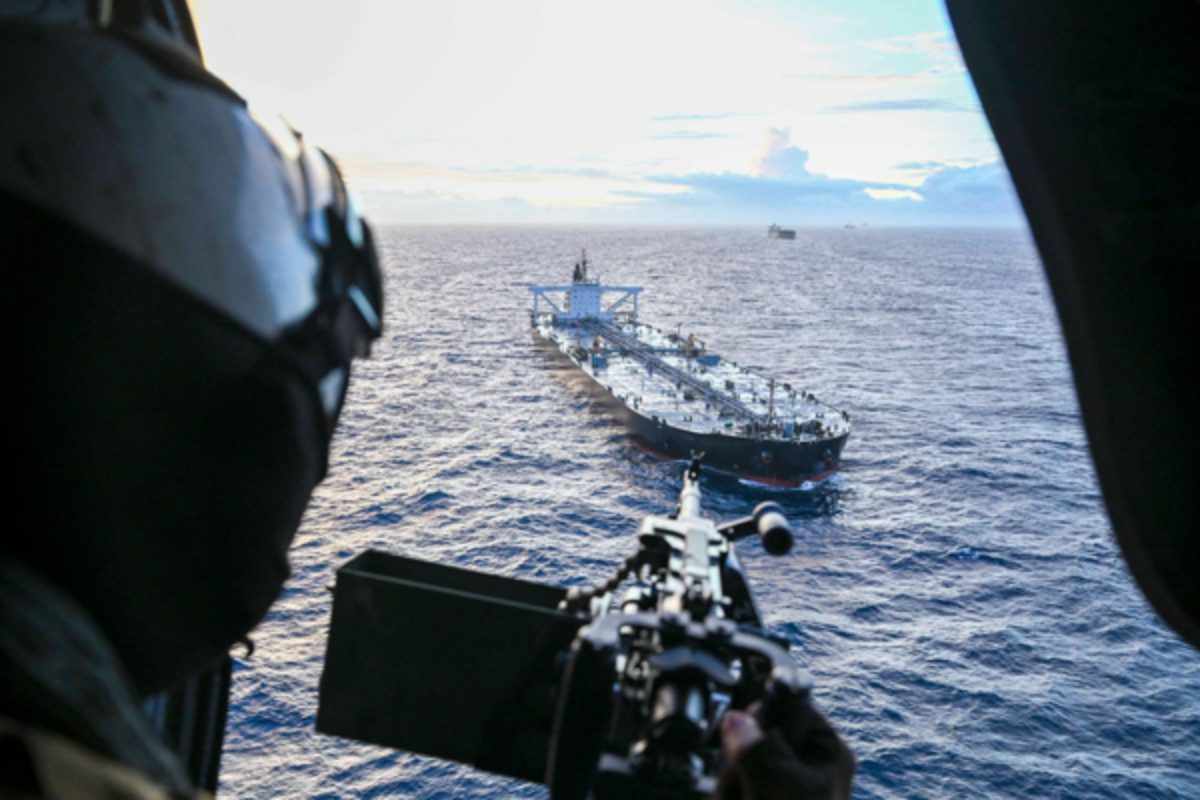
WASHINGTON:  The US military has quietly established a shipping corridor through the Strait of Hormuz to facilitate the movement of millions of barrels of oil a day, according to Axios, citing two US officials.

The operation, which has been underway for several weeks despite a broader pause in fighting, is being described by officials as a significant achievement in maintaining global energy supplies.

According to Axios, between 15 and 20 oil tankers enter or leave the Strait of Hormuz each night through a southern channel along the coast of Oman. Officials estimate that about 10 million barrels of oil a day roughly half the prewar volume are currently being moved safely through the waterway and into global energy markets.

The operation extends beyond escorting loaded oil tankers out of the Strait. U.S. forces are also helping empty tankers travel from the Arabian Sea through the strait into the Gulf, load oil in regional countries and safely return through the waterway.

A U.S. official familiar with the operation told Axios that American forces have controlled the southern shipping lane for about two months. The official said Iran’s Islamic Revolutionary Guard Corps could disrupt traffic but does not control the strait.

The task force overseeing the operation is based at an Army headquarters at Fort Bragg, North Carolina, and remains in regular contact with Gulf partners, according to the report.

Nighttime Convoys Receive Air Protection

The task force prepares daily lists of vessels and schedules them to pass through the waterway in large nighttime convoys. U.S. fighter aircraft provide air protection against Iranian cruise missiles and drones during the transit.

Officials said the operation became possible after a two-week U.S. Central Command military campaign severely damaged Iran’s radar and maritime surveillance systems.

The damage has significantly reduced Iran’s ability to monitor maritime traffic in the southern channel, according to Axios. Iranian forces are reportedly launching drones and cruise missiles based largely on estimates of where ships are expected to travel.

Some vessels have been hit in Iranian attacks, but U.S. forces have intercepted most of the incoming threats, officials said.

The continued flow of oil through the Strait of Hormuz is particularly important to global energy markets because the waterway is one of the world’s most critical routes for crude oil shipments.
US military leaders divided over strategy for potential conflict with Iran

US military

WASHINGTON: Senior US military leaders are reportedly divided over the strategy the United States should adopt in a potential military conflict with Iran, according to a US media report.

The report said Adm. Brad Cooper, commander of U.S. Central Command, supports launching a large-scale air campaign against Iran that could last for up to two weeks.

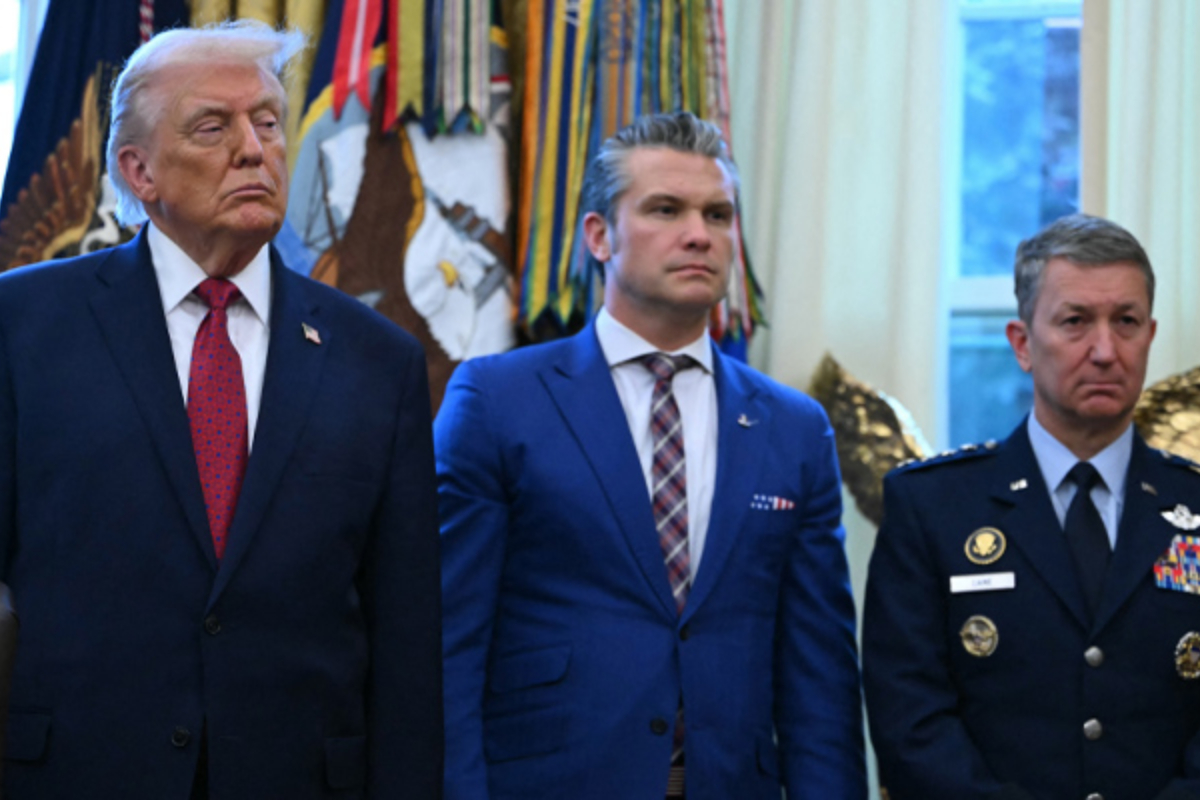
However, Gen. Dan Caine, chairman of the Joint Chiefs of Staff, and Defense Secretary Pete Hegseth are reportedly urging a more restrained approach, arguing that U.S. air defense stockpiles should be preserved rather than committed to an expanded military campaign.

The differing views leave President Donald Trump facing a key decision over whether to escalate military action against Iran or adopt a more limited response.

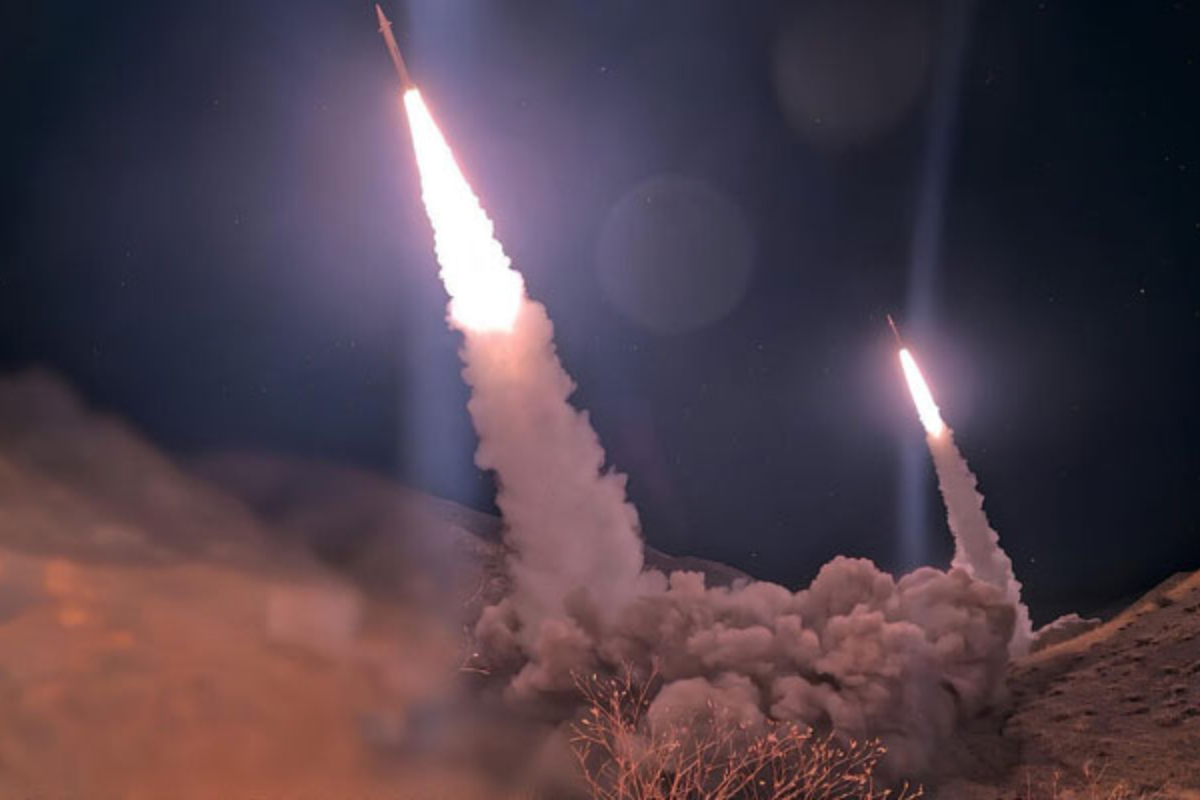
The reported debate follows Trump’s warning that the United States would respond forcefully to what he described as an Iranian missile attack on a US military base in Jordan.

In media interviews, Trump said U.S. forces intercepted the incoming missiles within minutes and vowed that Iran would face a “very strong” response.

US military confirms two troops killed in Iranian missile attack in Jordan

US military

WASHINGTON: The US military has confirmed that two American service members were killed and several others were injured during an Iranian missile and drone attack in Jordan, marking one of the deadliest attacks on U.S. forces in the region in recent months.

In a statement, U.S. Central Command (CENTCOM) said the attack occurred on July 17, when U.S. and allied forces were defending against Iranian ballistic missiles and drones. CENTCOM also said one U.S. service member remains missing.

According to the military, four injured service members were transported to hospitals in Jordan for treatment and have since been released. Other personnel who sustained minor injuries were treated and have returned to duty.

CENTCOM said the identities of the two deceased service members will be released 24 hours after their next of kin have been formally notified.

The confirmation came a day after Iran’s Islamic Revolutionary Guard Corps (IRGC) announced it had targeted the Al-Azraq Air Base in Jordan with missiles and drones. The IRGC claimed the attack destroyed two fighter jets, three U.S. aircraft, aircraft shelters and parking ramps at the base.

Those battlefield damage claims have not been independently verified, and the U.S. military has not confirmed the reported destruction of aircraft or other equipment. Russian media also reported that U.S. personnel had not been evacuated from the base before the attack.