BREAKING NEWS
Advertise with us >

US military quietly establishes shipping corridor through Strait of Hormuz

US military

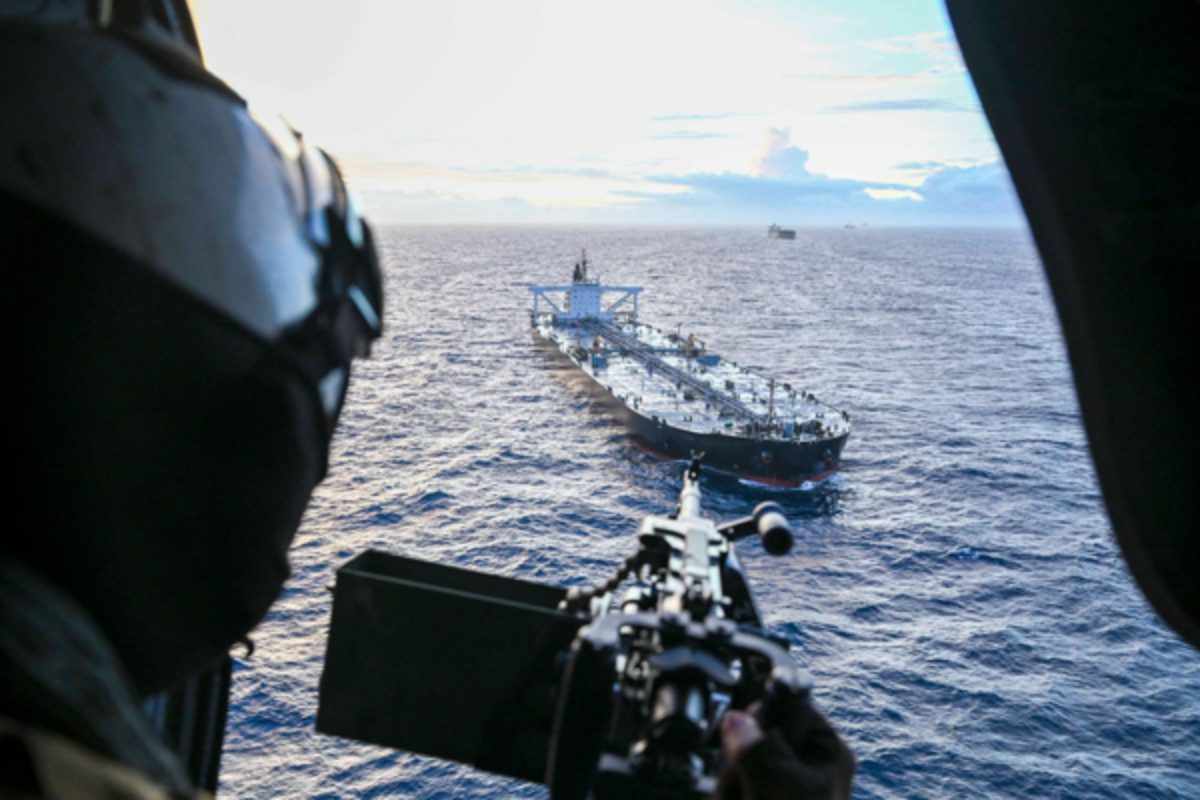
WASHINGTON:  The US military has quietly established a shipping corridor through the Strait of Hormuz to facilitate the movement of millions of barrels of oil a day, according to Axios, citing two US officials.

The operation, which has been underway for several weeks despite a broader pause in fighting, is being described by officials as a significant achievement in maintaining global energy supplies.

According to Axios, between 15 and 20 oil tankers enter or leave the Strait of Hormuz each night through a southern channel along the coast of Oman. Officials estimate that about 10 million barrels of oil a day roughly half the prewar volume are currently being moved safely through the waterway and into global energy markets.

The operation extends beyond escorting loaded oil tankers out of the Strait. U.S. forces are also helping empty tankers travel from the Arabian Sea through the strait into the Gulf, load oil in regional countries and safely return through the waterway.

A U.S. official familiar with the operation told Axios that American forces have controlled the southern shipping lane for about two months. The official said Iran’s Islamic Revolutionary Guard Corps could disrupt traffic but does not control the strait.

The task force overseeing the operation is based at an Army headquarters at Fort Bragg, North Carolina, and remains in regular contact with Gulf partners, according to the report.

Nighttime Convoys Receive Air Protection

The task force prepares daily lists of vessels and schedules them to pass through the waterway in large nighttime convoys. U.S. fighter aircraft provide air protection against Iranian cruise missiles and drones during the transit.

Officials said the operation became possible after a two-week U.S. Central Command military campaign severely damaged Iran’s radar and maritime surveillance systems.

The damage has significantly reduced Iran’s ability to monitor maritime traffic in the southern channel, according to Axios. Iranian forces are reportedly launching drones and cruise missiles based largely on estimates of where ships are expected to travel.

Some vessels have been hit in Iranian attacks, but U.S. forces have intercepted most of the incoming threats, officials said.

The continued flow of oil through the Strait of Hormuz is particularly important to global energy markets because the waterway is one of the world’s most critical routes for crude oil shipments.
Pentagon considers reducing US military presence in Gulf

Pentagon

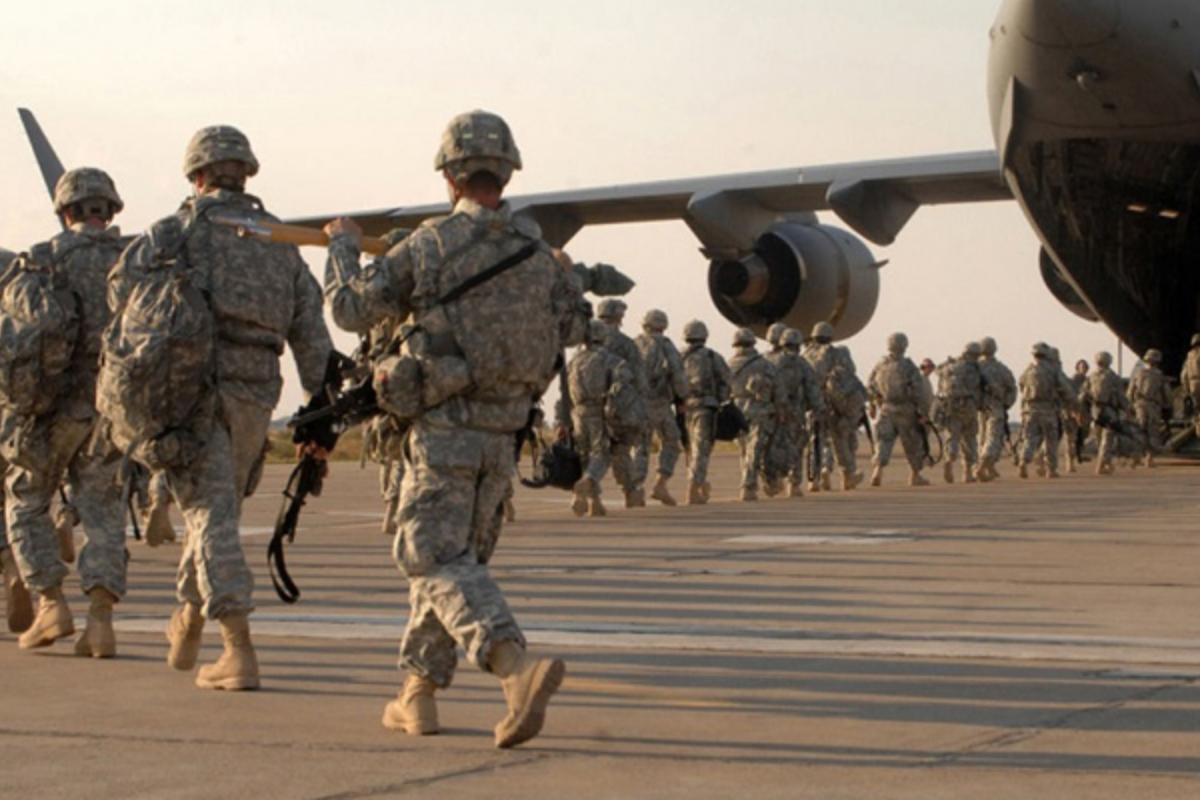
WASHINGTON: The Pentagon has begun reviewing the future of the US military presence in the Middle East following the war with Iran, raising the possibility that Washington could reduce its forces and reassess its military bases in the Persian Gulf, according to The Washington Post.

Citing US officials and people familiar with the matter, the newspaper reported that the Pentagon is examining whether American troops should be withdrawn from the Persian Gulf.

The review is seen as an early indication that the conflict with Iran could lead to changes in the U.S. military footprint across the region.

US military bases in the Gulf sustained significant damage during Iranian attacks during the conflict. The damage has prompted the Pentagon to reconsider whether the facilities should be rebuilt to their prewar scale.

According to people familiar with the review, the Pentagon’s policy office is leading the assessment, while the Joint Chiefs of Staff and U.S. Central Command are also examining the issue.

A senior Pentagon official, speaking on condition of anonymity, said Defense Secretary Pete Hegseth had not formally ordered a review of the U.S. military presence in the region. Instead, the assessment was described as “prudent planning” that could eventually help the administration decide whether to rebuild bases damaged during the war.

US Central Command oversees American military operations in the Middle East. The United States typically maintains about 40,000 troops at roughly 20 locations across a region stretching about 1,500 miles from Jordan to Oman.

The Gulf is home to some of the largest and most permanent U.S. military facilities in the Middle East. Bahrain hosts the headquarters of the U.S. Navy’s 5th Fleet, while American military and air assets are also based in countries including Kuwait.

The review could intensify an existing debate within the Trump administration between officials who support continued military engagement in the region and those who argue that the Pentagon should scale back some operations to focus more heavily on defending the U.S. homeland and preparing for potential conflicts with major powers such as China.

According to a US official cited by The Washington Post, Adm. Brad Cooper, commander of U.S. Central Command, may support moving some American forces westward from the Persian Gulf.

However, people familiar with the Pentagon’s assessment cautioned that any permanent change to the US military presence remains a long way off. Any major restructuring or withdrawal would require formal approval from senior administration officials.

Pentagon signs $22.9 billion Tomahawk missile deal amid Iran war

Pentagon signs

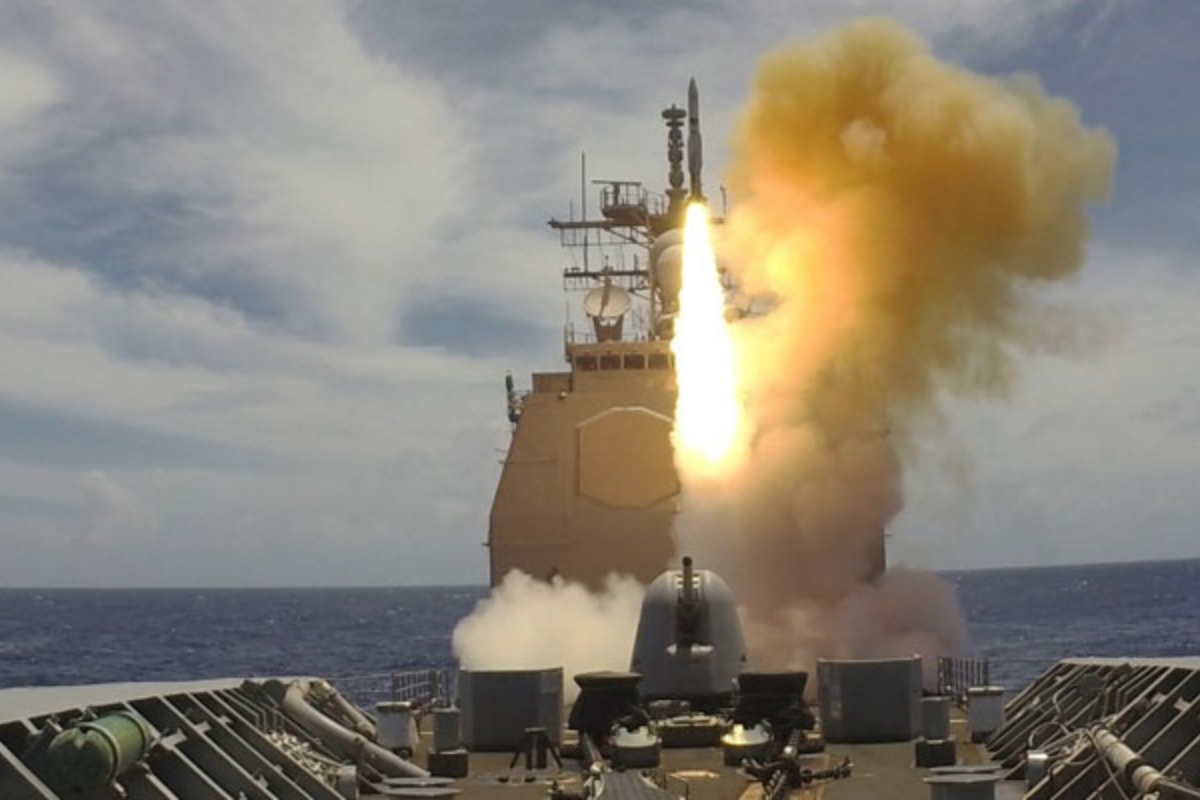
WASHINGTON: The Pentagon has signed a $22.9 billion agreement with a defense contractor to produce and supply Tomahawk cruise missiles, as the United States seeks to replenish weapons stocks following its conflict with Iran, according to media reports.

US defense officials said the contract is aimed at accelerating the delivery of Tomahawk missiles to the American military and strengthening its stockpile.

The acting secretary of the US Navy said providing troops with the weapons they need to deter aggression and defend the country remained a top priority.

Tomahawk missiles are primarily launched from submarines and warships and are designed to strike targets at distances of more than 1,000 miles, or about 1,600 kilometers.

The deal comes amid reports of concerns over U.S. weapons inventories following the conflict with Iran and efforts by the Pentagon to replenish key missile supplies.

American actress Hayden Panettiere dies at 36

American actress

LOS ANGELES: American actress Hayden Panettiere, known for her roles in the television series “Heroes” and “Nashville,” has died at the age of 36, her representative confirmed.

Panettiere, who also appeared in films including “Ice Princess,” “Remember the Titans” and the “Scream” franchise, died on Aug. 16, according to reports. Her representative confirmed her death, while the cause has not been publicly confirmed and remains under investigation.

The actress gained early recognition as a child performer before rising to international fame as Claire Bennet in NBC’s hit series “Heroes.” She later starred as country singer Juliette Barnes in “Nashville,” a role that earned her two Golden Globe nominations.

Panettiere also appeared alongside Michelle Trachtenberg in the 2005 Disney film “Ice Princess.” Trachtenberg died in February 2025 at the age of 39.

Her other notable credits included “Remember the Titans,” “Scream 4” and “Scream 6,” while she also voiced characters in the “Kingdom Hearts” video game series and played Sam Giddings in “Until Dawn.”

Panettiere’s final film role was in the 2026 psychological thriller “Sleepwalker,” which was released earlier this year.

News of her death prompted an outpouring of grief from fans and colleagues, who remembered the actress for her work across television, film and video games.

Midwest Flooding: Indiana Declares Statewide Disaster Emergency

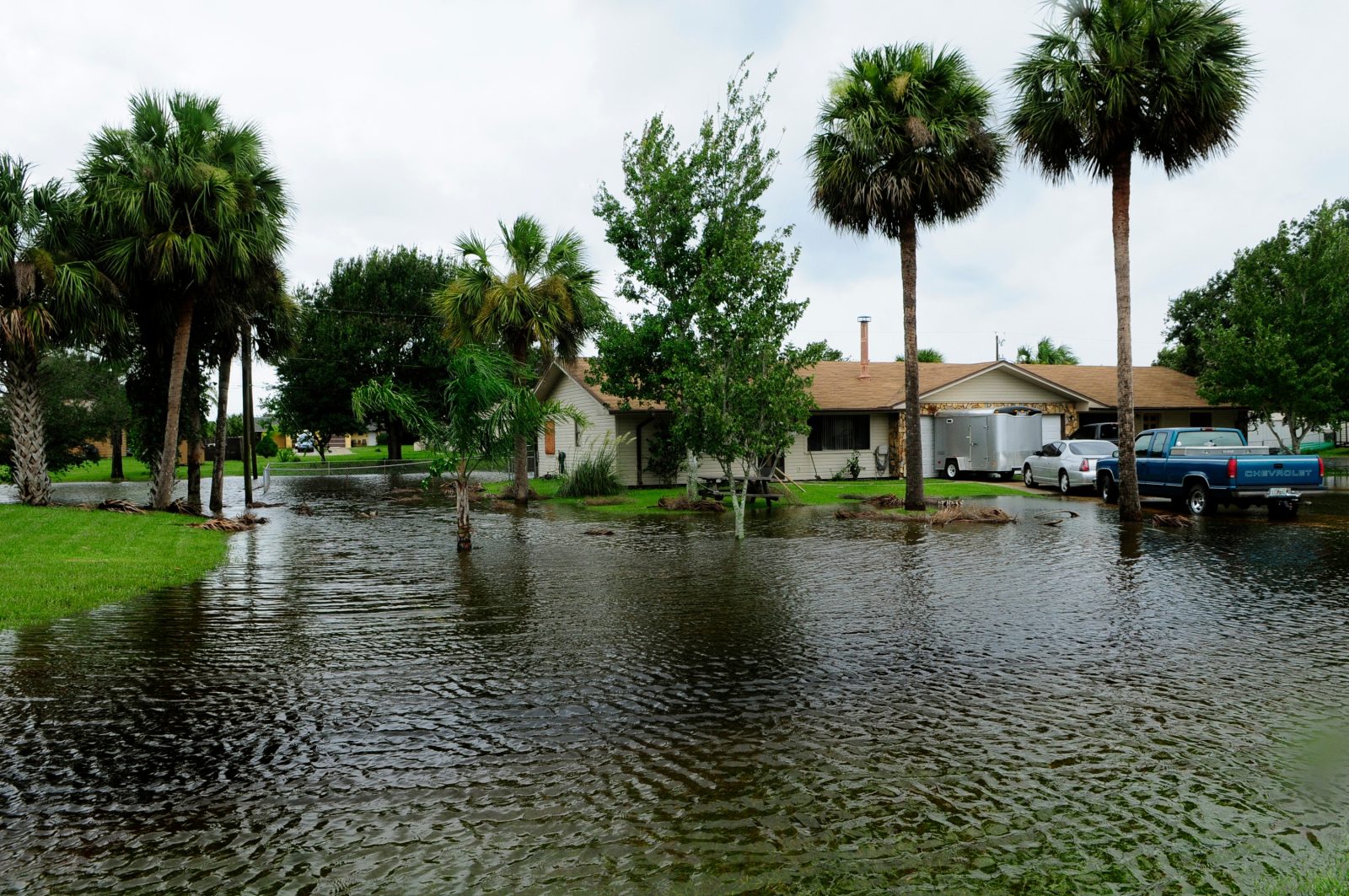
Flooded street in the Midwest United States during the 2026 Indiana flooding disaster

Indiana Governor Mike Braun has declared a statewide disaster emergency as catastrophic flooding kills at least three people and forces dozens of rescues, with more severe storms forecast through the weekend across Indiana, Ohio, Kentucky, Iowa and North Carolina.

What happened

A stalled weather system dumped rain at rates of 1 to 2 inches per hour over the same areas for extended periods this week, overwhelming rivers and streets across the Midwest. Indiana has been hit hardest so far.

DetailInformation
States affectedIndiana, Ohio, Kentucky, Iowa, North Carolina
Deaths (Indiana, this week)At least 3
Missing1 (of 4 who entered the Mississinewa River in Delaware County; 3 rescued)
Rainfall intensity1–2 inches per hour, stationary storms
Emergency declarationStatewide, Indiana, declared by Gov. Mike Braun

Where the damage is worst

  • Henry County: Floodwaters reached rooftops of homes; a street collapsed; over 50 people were rescued from a flooded apartment complex.
  • New Castle: The roof was torn off a commercial building.
  • Cambridge City: A 7–8 block area was evacuated by boat as streets became impassable.
  • Munster: Massive trees were uprooted by storm winds.
  • Dearborn and Hamilton counties: Evacuation orders issued for residents along the Whitewater River.

The governor’s response

Announcing the statewide disaster declaration, Governor Braun said: “Hoosiers’ safety is my top priority. Our state response is fully mobilized.” The declaration clears the way for state resources to support local emergency response and typically precedes a request for federal disaster assistance, though that request had not been confirmed at the time of writing.

What’s forecast next

Meteorologists warned of additional severe storms bringing damaging winds, large hail and the possibility of tornadoes moving into the weekend. Compounding the risk, a heat dome is expected to push heat indices to 110–111°F across the Mid-South region even as flood recovery continues — a dangerous combination for rescue crews and displaced residents alike.

Why storms are stalling like this

The flooding follows a pattern meteorologists have flagged in other major floods this year, including the Indonesia earthquake and disaster response covered separately: slow-moving or stationary weather systems repeatedly drenching the same locations rather than moving through quickly. When a front stalls, even moderate hourly rainfall rates compound into extreme multi-day totals, which is what has pushed Midwest rivers like the Mississinewa and Whitewater beyond their banks this week.

Frequently asked questions

How many people have died in the Midwest flooding?

At least three storm-related deaths have been confirmed in Indiana this week, with one person still missing after four people entered the Mississinewa River in Delaware County.

Which US states are affected by the flooding?

Indiana, Ohio, Kentucky, Iowa and North Carolina have all reported flooding impacts, with Indiana the worst affected so far.

Has Indiana received federal disaster aid?

Governor Braun’s statewide disaster declaration is a step that typically precedes a formal federal aid request. Confirmation of federal assistance had not been reported at the time of writing — check official Indiana and FEMA channels for updates.


Casualty figures, rainfall data and official statements as reported by US news wires and the Indiana governor’s office, current as of 15–16 August 2026. Flood conditions are changing rapidly — check official Indiana Department of Homeland Security and National Weather Service updates for the latest.

Related reading: Indonesia’s magnitude 7.7 earthquake