
Midwest Flooding: Indiana Declares Statewide Disaster Emergency
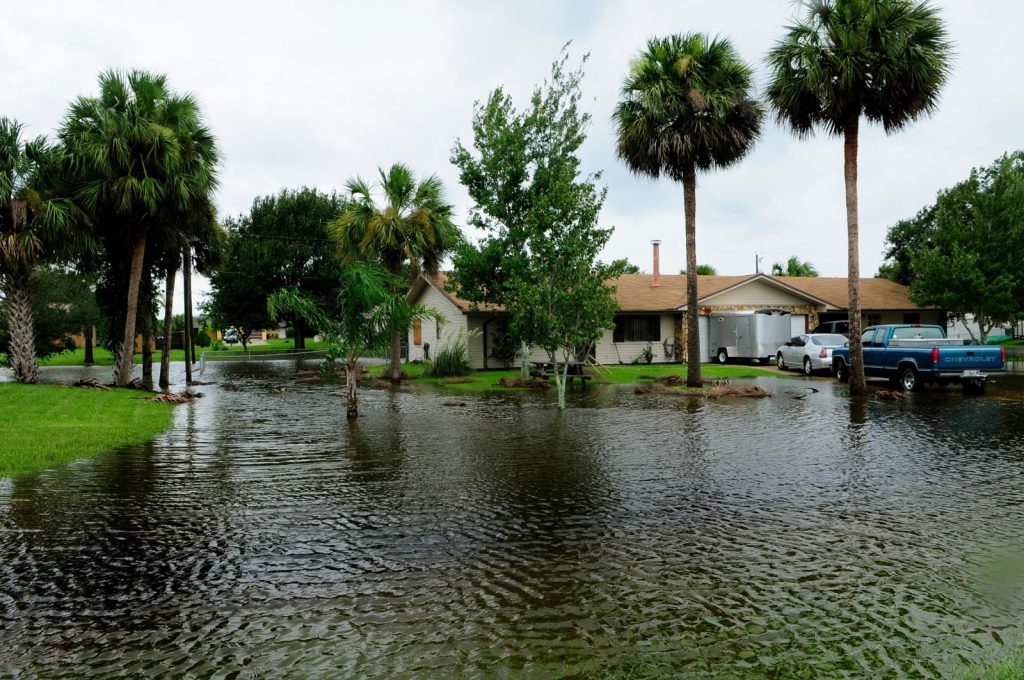
Indiana Governor Mike Braun has declared a statewide disaster emergency as catastrophic flooding kills at least three people and forces dozens of rescues, with more severe storms forecast through the weekend across Indiana, Ohio, Kentucky, Iowa and North Carolina.
What happened
A stalled weather system dumped rain at rates of 1 to 2 inches per hour over the same areas for extended periods this week, overwhelming rivers and streets across the Midwest. Indiana has been hit hardest so far.
| Detail | Information |
|---|---|
| States affected | Indiana, Ohio, Kentucky, Iowa, North Carolina |
| Deaths (Indiana, this week) | At least 3 |
| Missing | 1 (of 4 who entered the Mississinewa River in Delaware County; 3 rescued) |
| Rainfall intensity | 1–2 inches per hour, stationary storms |
| Emergency declaration | Statewide, Indiana, declared by Gov. Mike Braun |
Where the damage is worst
- Henry County: Floodwaters reached rooftops of homes; a street collapsed; over 50 people were rescued from a flooded apartment complex.
- New Castle: The roof was torn off a commercial building.
- Cambridge City: A 7–8 block area was evacuated by boat as streets became impassable.
- Munster: Massive trees were uprooted by storm winds.
- Dearborn and Hamilton counties: Evacuation orders issued for residents along the Whitewater River.
The governor’s response
Announcing the statewide disaster declaration, Governor Braun said: “Hoosiers’ safety is my top priority. Our state response is fully mobilized.” The declaration clears the way for state resources to support local emergency response and typically precedes a request for federal disaster assistance, though that request had not been confirmed at the time of writing.
What’s forecast next
Meteorologists warned of additional severe storms bringing damaging winds, large hail and the possibility of tornadoes moving into the weekend. Compounding the risk, a heat dome is expected to push heat indices to 110–111°F across the Mid-South region even as flood recovery continues — a dangerous combination for rescue crews and displaced residents alike.
Why storms are stalling like this
The flooding follows a pattern meteorologists have flagged in other major floods this year, including the Indonesia earthquake and disaster response covered separately: slow-moving or stationary weather systems repeatedly drenching the same locations rather than moving through quickly. When a front stalls, even moderate hourly rainfall rates compound into extreme multi-day totals, which is what has pushed Midwest rivers like the Mississinewa and Whitewater beyond their banks this week.
Frequently asked questions
How many people have died in the Midwest flooding?
At least three storm-related deaths have been confirmed in Indiana this week, with one person still missing after four people entered the Mississinewa River in Delaware County.
Which US states are affected by the flooding?
Indiana, Ohio, Kentucky, Iowa and North Carolina have all reported flooding impacts, with Indiana the worst affected so far.
Has Indiana received federal disaster aid?
Governor Braun’s statewide disaster declaration is a step that typically precedes a formal federal aid request. Confirmation of federal assistance had not been reported at the time of writing — check official Indiana and FEMA channels for updates.
Casualty figures, rainfall data and official statements as reported by US news wires and the Indiana governor’s office, current as of 15–16 August 2026. Flood conditions are changing rapidly — check official Indiana Department of Homeland Security and National Weather Service updates for the latest.
Related reading: Indonesia’s magnitude 7.7 earthquake