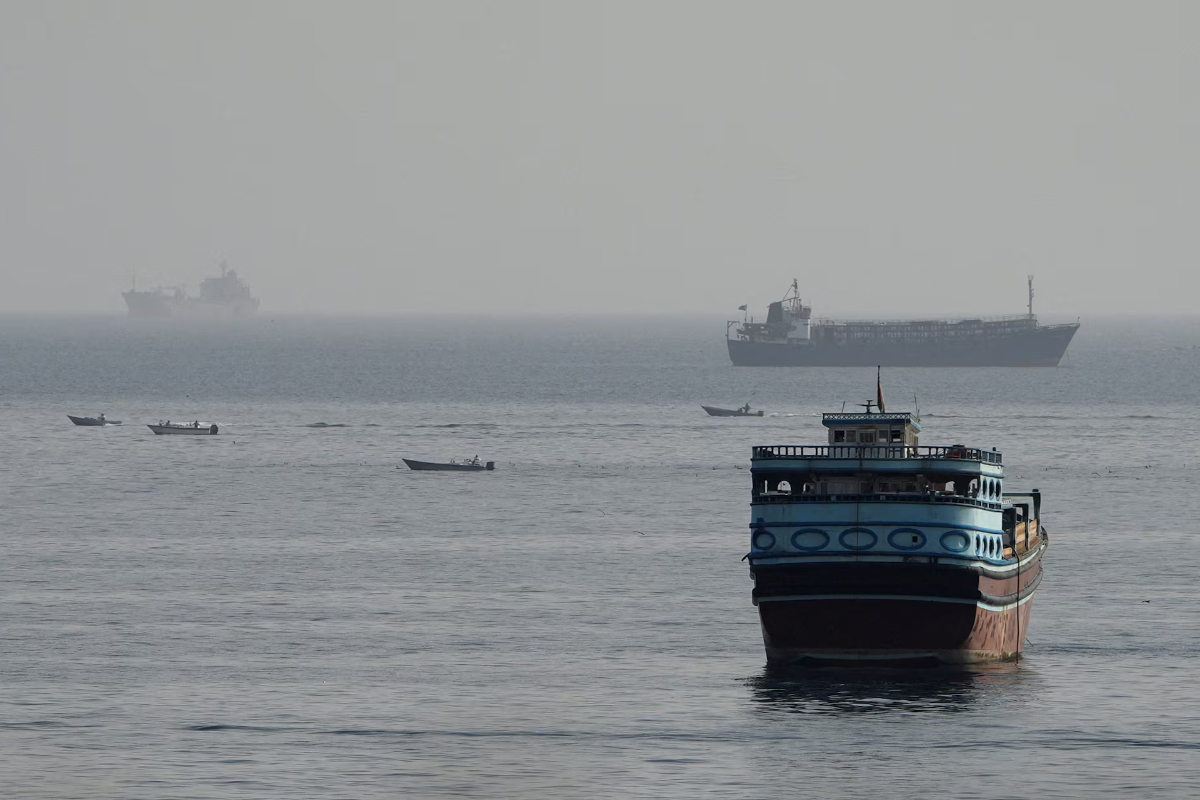
UNITED NATIONS: About 80 countries on Thursday called for the immediate reopening of the Strait of Hormuz and condemned Iran and its Houthi allies over attacks in the region and disruptions to international trade and energy security. Bahrain’s Foreign Minister Abdullatif bin Rashid Al Zayani read out the joint statement at the United Nations, saying Iran’s actions in the Strait of Hormuz continued to threaten international security and freedom of navigation. The statement was backed by Gulf Arab states and major Western powers, according to Reuters. The countries also expressed concern over the situation in Yemen and strongly condemned what they described as the Houthis’ decision to resume the conflict, their continued attacks on Saudi Arabia and their operations in the Red Sea. The statement warned that any further Houthi advance toward the Bab el-Mandeb Strait would increase risks to international shipping, maritime security and global trade. The Strait of Hormuz is a key global shipping route, particularly for energy supplies, while the Bab el-Mandeb connects the Red Sea with the Gulf of Aden and is also vital to international maritime trade.
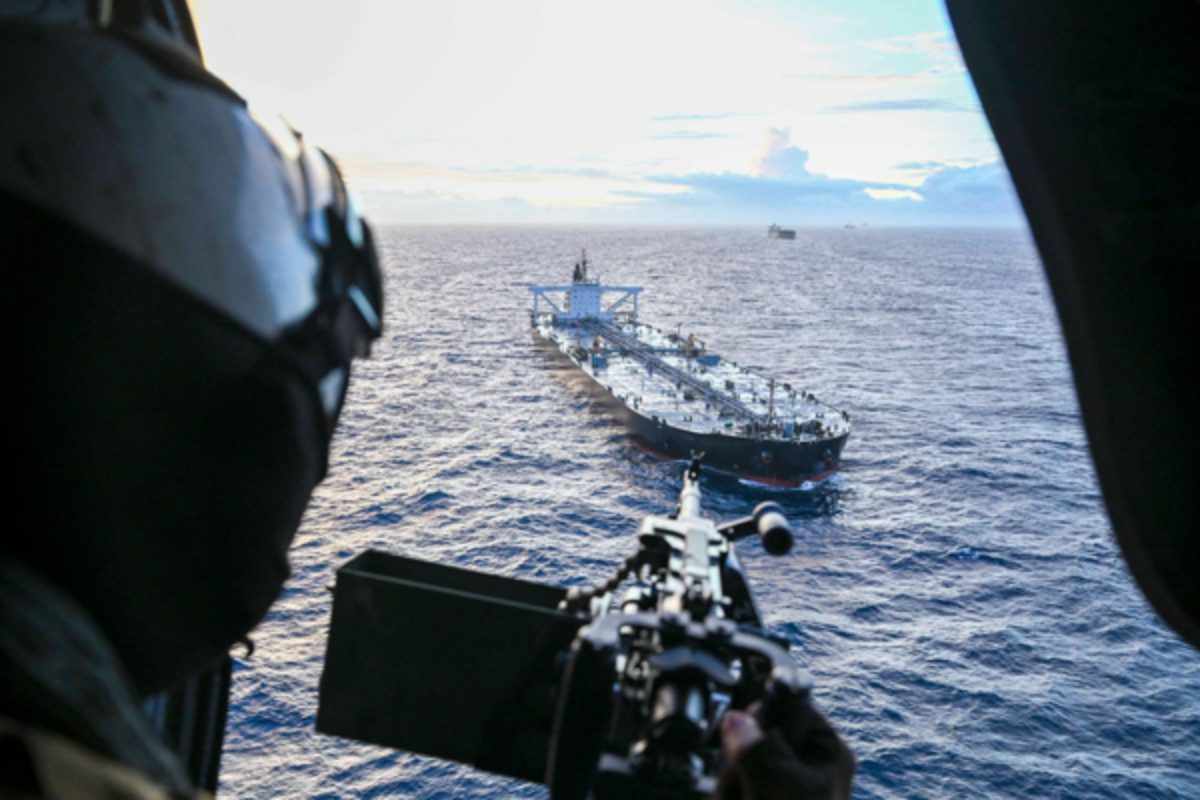
WASHINGTON: The US military has quietly established a shipping corridor through the Strait of Hormuz to facilitate the movement of millions of barrels of oil a day, according to Axios, citing two US officials.
The operation, which has been underway for several weeks despite a broader pause in fighting, is being described by officials as a significant achievement in maintaining global energy supplies.
According to Axios, between 15 and 20 oil tankers enter or leave the Strait of Hormuz each night through a southern channel along the coast of Oman. Officials estimate that about 10 million barrels of oil a day roughly half the prewar volume are currently being moved safely through the waterway and into global energy markets.
The operation extends beyond escorting loaded oil tankers out of the Strait. U.S. forces are also helping empty tankers travel from the Arabian Sea through the strait into the Gulf, load oil in regional countries and safely return through the waterway.
A U.S. official familiar with the operation told Axios that American forces have controlled the southern shipping lane for about two months. The official said Iran’s Islamic Revolutionary Guard Corps could disrupt traffic but does not control the strait.
The task force overseeing the operation is based at an Army headquarters at Fort Bragg, North Carolina, and remains in regular contact with Gulf partners, according to the report.
Nighttime Convoys Receive Air Protection
The task force prepares daily lists of vessels and schedules them to pass through the waterway in large nighttime convoys. U.S. fighter aircraft provide air protection against Iranian cruise missiles and drones during the transit.
Officials said the operation became possible after a two-week U.S. Central Command military campaign severely damaged Iran’s radar and maritime surveillance systems.
The damage has significantly reduced Iran’s ability to monitor maritime traffic in the southern channel, according to Axios. Iranian forces are reportedly launching drones and cruise missiles based largely on estimates of where ships are expected to travel.
Some vessels have been hit in Iranian attacks, but U.S. forces have intercepted most of the incoming threats, officials said.
The continued flow of oil through the Strait of Hormuz is particularly important to global energy markets because the waterway is one of the world’s most critical routes for crude oil shipments.
LONDON: Global oil prices climbed to their highest levels since July on Tuesday as attacks on vessels near the Strait of Hormuz and a lack of progress in U.S.-Iran negotiations heightened concerns over disruptions to crude supplies.
Brent crude rose above $91 a barrel, while U.S. West Texas Intermediate crude approached $85 a barrel. Reuters reported that Brent reached $91.07 a barrel, marking its third consecutive session of gains, while WTI traded around $84.99. Other market reports put Brent as high as $91.60 a barrel.
The latest price increase followed a report by the United Kingdom Maritime Trade Operations that a commercial vessel was struck by a projectile of unknown origin while departing the Strait of Hormuz.
The incident reportedly damaged the vessel’s engine room. One crew member was reported killed or injured, while other crew members were rescued by the Omani coast guard.
No group has claimed responsibility for the incident. Iran’s Revolutionary Guard and Yemen’s Houthi movement have neither confirmed nor denied involvement.
US-Iran tensions fuel oil market concerns
Oil prices have also been supported by uncertainty surrounding a 60-day ceasefire between the United States and Iran and the lack of progress toward extending the truce or resuming negotiations.
U.S. President Donald Trump has rejected an extension of the ceasefire, while Iran has indicated it could adopt a more aggressive military posture if negotiations fail.
Iran has said the Strait of Hormuz will not be fully reopened until the United States meets the terms of an agreement, while Washington continues to maintain pressure on Tehran.
The developments have disrupted the movement of petroleum products through the Strait of Hormuz and the Bab el-Mandeb, raising concerns over fuel and gas supplies and pushing prices higher.
Saudi Arabia seeks alternative oil routes
Saudi Arabia has resumed some crude oil loading operations from inside the Strait of Hormuz using ship-to-ship transfers near Fujairah for Asian buyers, Reuters reported.
Between Aug. 12 and Aug. 16, about 6 million barrels of Saudi crude were loaded onto three large oil tankers through the alternative arrangement, according to the report. However, the method does not fully replace normal shipping routes.
Meanwhile, several major shipping operators have begun avoiding the Strait of Hormuz and Bab el-Mandeb because of heightened security risks.
Chinese state-owned shipping companies have also reduced operations through key regional waterways and shifted some vessels toward alternative routes near Fujairah and Oman.
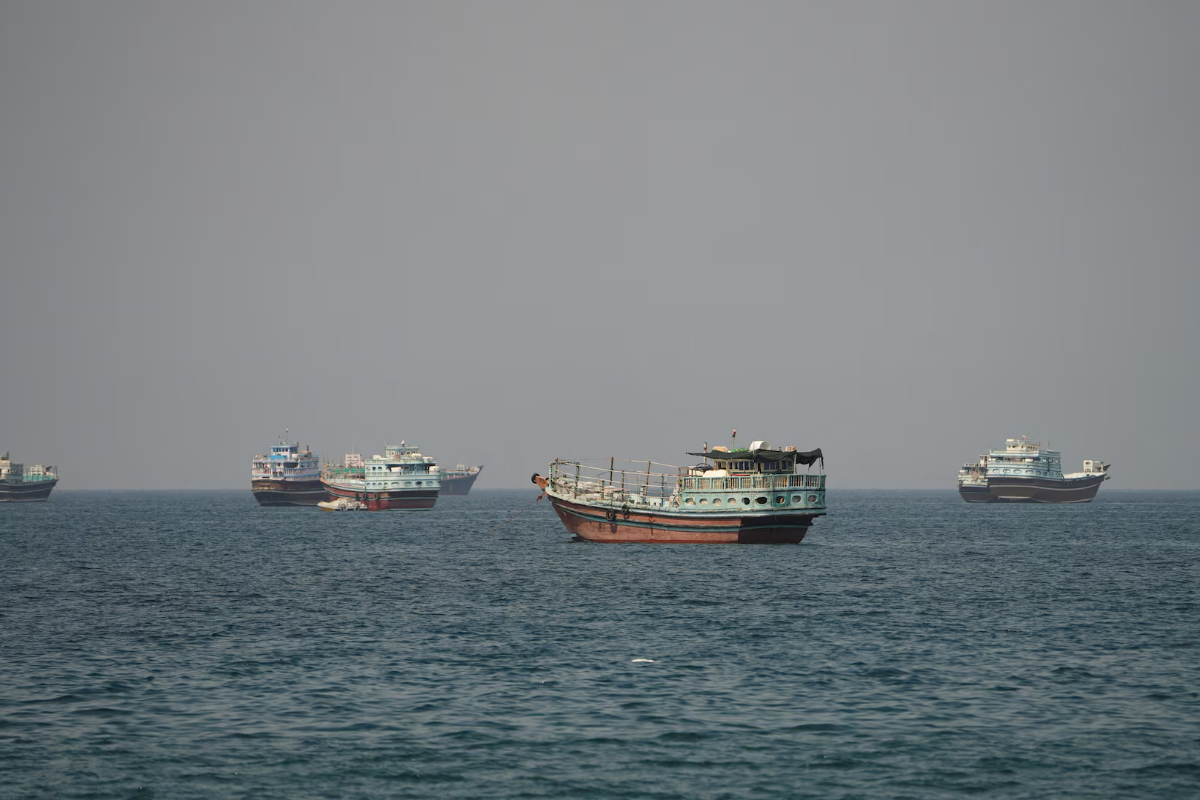
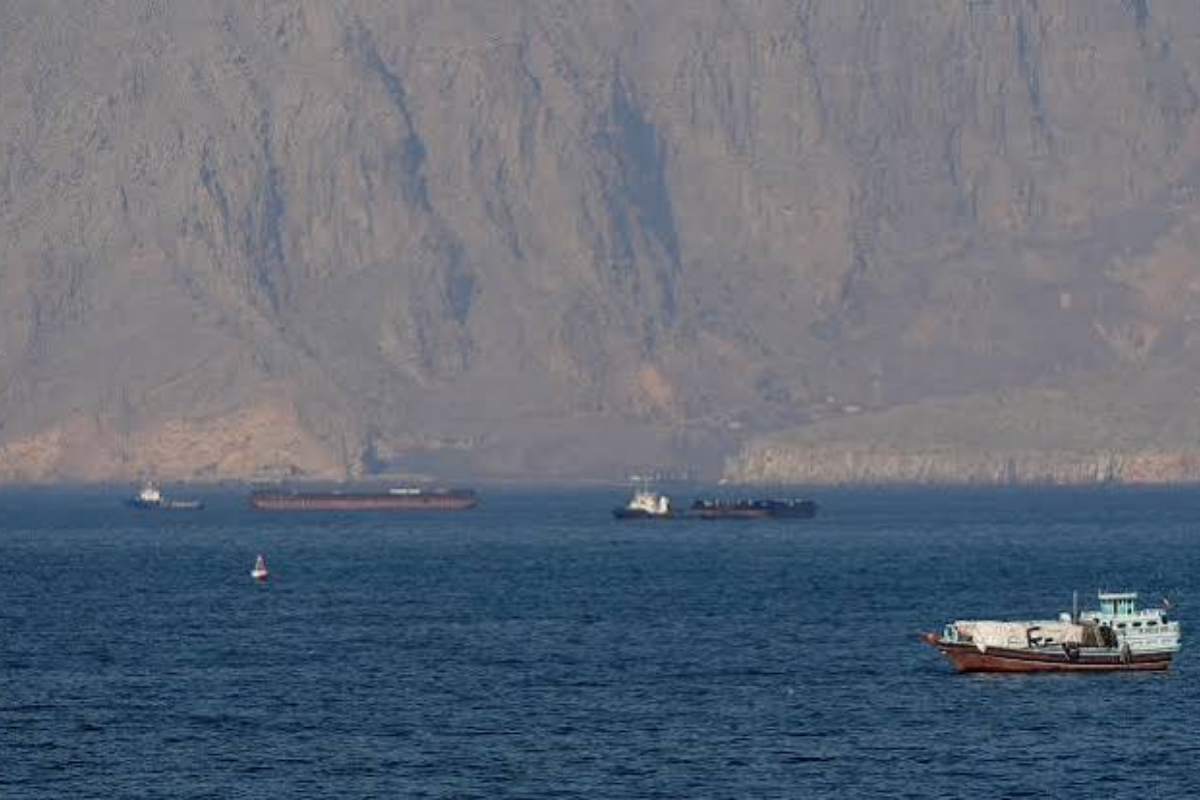
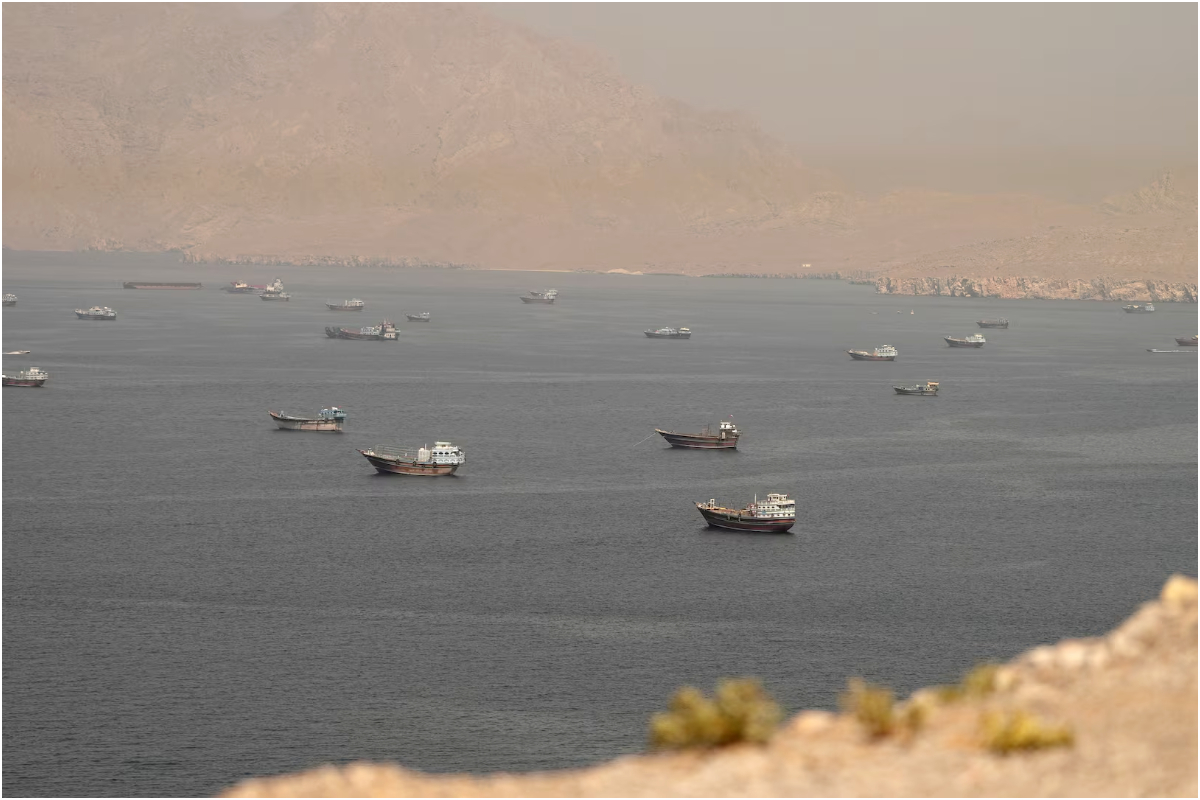
The Strait of Hormuz — the 21-mile-wide channel that normally carries one-fifth of the world’s oil — is effectively closed to commercial traffic. Between 4 and 6 August 2026, just 8 to 15 vessels crossed daily, against roughly 130 transits before the conflict began.
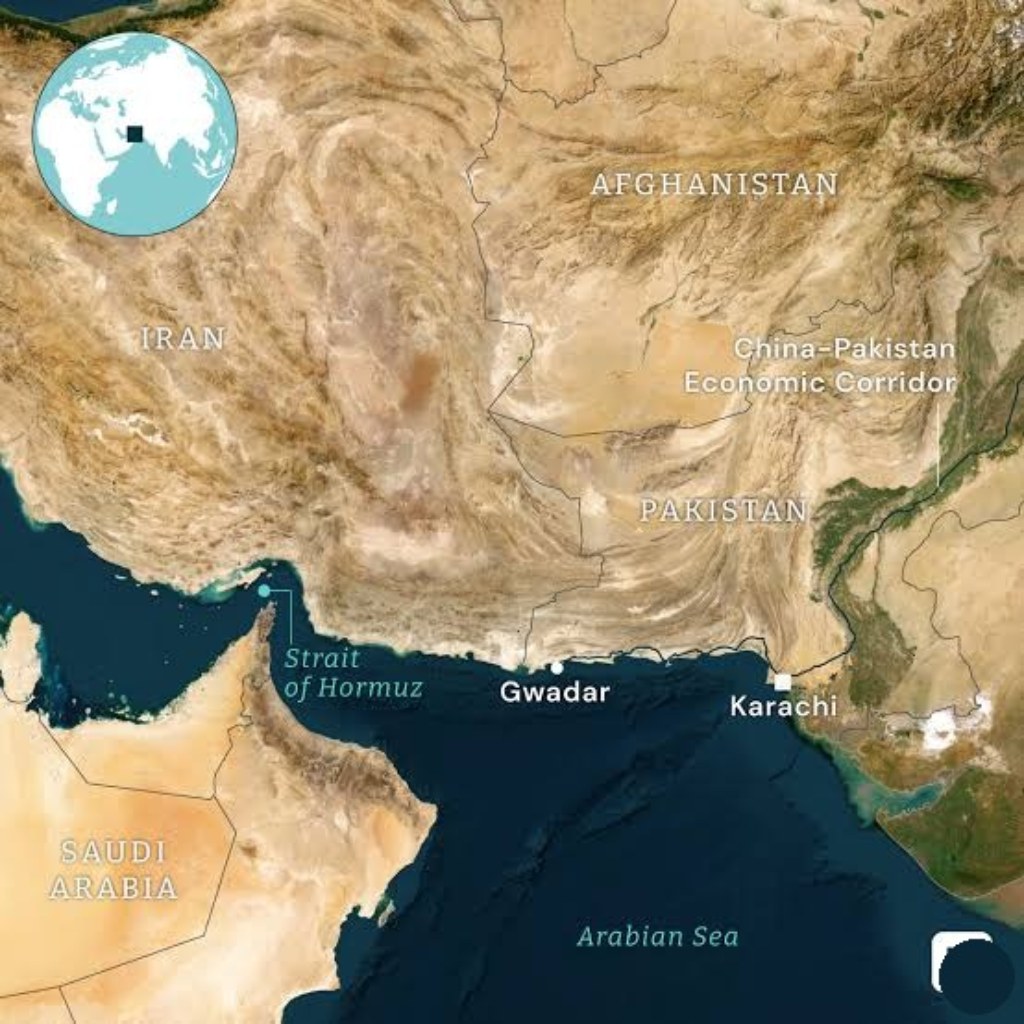
Pakistan imports most of its crude and refined fuel, and a large share of it moves through or near that chokepoint. This article traces the chain from a closed waterway to the price on the pump — and explains why the connection is less direct than it first appears.
Where things stand
Brent crude for October delivery was trading around $84.11 a barrel on 10 August 2026, up about 0.7% on the day and roughly 16% higher than before the US–Israel war on Iran began in late February 2026.
Iran has attached conditions to reopening the strait. Foreign Minister Abbas Araghchi has said Tehran requires the easing of US sanctions and the payment of war reparations, adding that Iran and Oman were close to an understanding but that these conditions must be met first.
The human cost of the disruption is documented: the International Maritime Organization has recorded 64 violent incidents and 17 deaths involving commercial vessels since the war began.
Markets are pricing uncertainty rather than a resolution. As KCM Trade chief analyst Tim Waterer put it, the absence of concrete movement and unresolved questions about how any deal would work in practice keeps “a risk premium in the price.”
Why $84 oil is lower than you might expect
This deserves attention, because it runs against intuition. A fifth of global oil supply losing its main route would, in most historical scenarios, have sent prices well past $120. Brent at $84 reflects several offsetting factors:
Alternative routes exist. Saudi Arabia’s East–West pipeline and the UAE’s Fujairah pipeline can move some volumes to Red Sea and Gulf of Oman terminals, bypassing Hormuz — though at reduced capacity.
Strategic reserves. Consumer countries have released stocks to cushion the shortfall.
Non-OPEC supply. US, Brazilian and Guyanese production has grown substantially over the past decade, diluting the Gulf’s share of marginal supply.
Demand destruction. High prices and slower global growth have themselves reduced consumption.
The implication for Pakistan is double-edged. The buffers have worked so far, but they are finite. Reserves deplete and bypass pipelines are already near capacity. If the closure extends, the cushion thins.
How this reaches the Pakistani pump
Pakistan now uses a more frequent fuel-pricing mechanism tied to international movements. Recent OGRA-notified rates, effective 13 August 2026:
Fuel
Price (PKR/litre)
Change
Petrol
324.98
−0.94
High-speed diesel
382.79
+0.54
Kerosene
291.45
—
Light diesel oil
248.72
—
Notice the direction: petrol fell slightly while diesel rose, on a day when Brent was climbing. Four things sit between the crude price and your receipt:
Refined product prices, not crude. Pakistan imports finished petrol and diesel. Refining margins move independently of crude, which is why petrol and diesel can diverge on the same day.
The exchange rate. Oil is priced in dollars and sold in rupees. Currency movement can amplify or offset the crude move entirely.
Taxes and levies. Petroleum levy and sales tax are a large share of the retail price, and they are policy variables — the government can absorb or pass on international moves.
Margins. Dealer and oil marketing company margins are regulated and adjusted periodically. The ECC recently approved a Rs1.34 increase in dealers’ margin, which raises the pump price independently of anything happening in the Gulf.
The knock-on effects that matter more than petrol
For most Pakistani households, the fuel price itself is not the largest channel. Three indirect effects hit harder.
Freight and food prices
High-speed diesel powers trucking and agricultural machinery, so diesel increases propagate into food prices across the country. Diesel rising while petrol falls is therefore worse for inflation than the headline suggests. Transport costs have already triggered friction — Pakistani goods transporters began an indefinite strike over fuel prices and taxes.
Energy is Pakistan’s largest import category. A sustained rise widens the import bill, pressures the current account and the rupee, and constrains the State Bank’s room to cut rates — the transmission channel set out in our inflation outlook.
There is one meaningful offset. Gulf employment has held up through the conflict, and remittances — over $4.2 billion in May 2026 alone — help fund the higher import bill.
What to watch next
Daily Hormuz transit counts. A move back toward 130 vessels a day would deflate the risk premium faster than any announcement.
The Oman-mediated track. Araghchi has pointed to it as the live channel.
Tanker insurance rates. War-risk premiums are a real-time market read on whether traders expect escalation.
Not legally closed, but effectively so for commercial shipping. Traffic fell to 8–15 vessels a day in early August 2026 from about 130 before the conflict. A small number of transits continue under elevated risk.
Will petrol prices in Pakistan rise sharply?
That depends on refined product prices, the rupee and government tax decisions — not on crude alone. Recent notifications have shown small moves in both directions. Anyone claiming to know the next figure in advance is guessing.
Does Pakistan get its oil through Hormuz?
A significant share of Pakistan’s crude and refined imports originates from Gulf suppliers whose exports transit or depend on the strait. Pakistan has been broadening its oil import framework, partly to diversify sourcing.
Why did diesel go up while petrol went down?
They are separate products with separate international benchmarks and refining margins. Diesel demand is driven by freight and industry, petrol by private vehicles, and the two markets frequently move apart.
Oil prices, transit data and official statements sourced from Al Jazeera, CNBC, the International Maritime Organization and OGRA notifications as reported. Fuel prices are those effective 13 August 2026 and change under Pakistan’s revised pricing mechanism — check current OGRA notifications before relying on them. Last updated 15 August 2026.
DUBAI: Iran and Oman have reached a preliminary understanding on the geographic coordinates of a proposed shipping route through the Strait of Hormuz, marking a significant step toward restoring commercial navigation through one of the world’s most strategically important waterways.
Iran’s Foreign Ministry said the two countries are preparing a joint statement outlining the agreement, although officials cautioned that the process could still be affected by third-party interference. Spokesperson Esmaeil Baghaei said the understanding on the shipping route does not, by itself, guarantee full security in the strait, noting that broader political and military factors remain at play.
According to officials familiar with the negotiations, the proposed arrangement would establish separate navigation channels for vessels entering and leaving the Persian Gulf, with Iran and Oman coordinating traffic management.
However, several issues, including operational details and other outstanding provisions, are still under discussion before any final agreement is reached.
The Strait of Hormuz is a critical global energy chokepoint linking the Persian Gulf with the Gulf of Oman and the Arabian Sea, carrying a significant share of the world’s oil and liquefied natural gas exports. Any agreement to improve maritime navigation could have major implications for regional security and global energy markets.
TEHRAN: Iran’s military warned that it would not allow the United States to intervene in the Strait of Hormuz, responding to recent remarks by President Donald Trump about expanding the US role in securing the strategic waterway.
In a statement issued from Tehran, Ebrahim Zolfaqari, spokesperson for Iran’s Khatam al-Anbiya Central Headquarters, said U.S. involvement in the Strait of Hormuz had undermined the security of energy transportation through the region.
Zolfaqari said Iran would neither accept nor allow U.S. interference in the administration of the Strait of Hormuz, adding that cooperation by some regional countries with Washington had increased the risk of a broader conflict.
He warned that any country assisting the United States in actions affecting the Strait of Hormuz would be regarded by Iran as participating in a war against the country’s territorial integrity. He also cautioned that any escalation could draw other countries in the region into the conflict.
The comments came after Trump announced plans for the United States to play a greater security role in the Strait of Hormuz and proposed charging transit fees on commercial cargo passing through the vital maritime chokepoint.
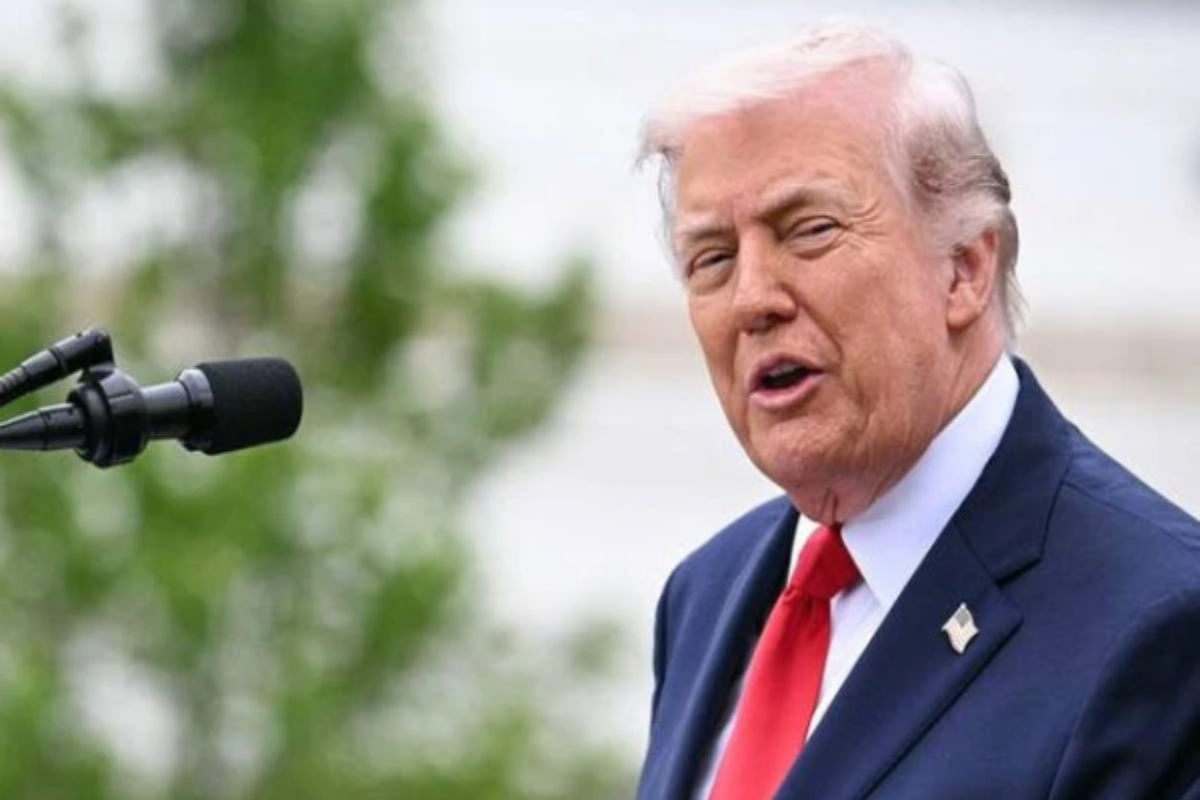
WASHINGTON: US President Donald Trump said that the United States would assume responsibility for securing the Strait of Hormuz and seek compensation by imposing a 20% transit fee on cargo passing through the strategic waterway, while reinstating restrictions targeting Iranian shipping.
In an interview with Fox News, Trump said the United States would become the “guardian” of the Strait of Hormuz, arguing that countries benefiting from the route should help pay for its protection.
Trump accused Iran of violating a previous agreement and said Washington would restore what he described as an Iranian shipping blockade.
Under the proposed policy, he said, only Iranian vessels and their customers would be barred from using the strait, while ships from all other countries would continue to enjoy free passage.
In a subsequent post on his Truth Social platform, Trump said the Strait of Hormuz would remain open “with or without Iran” and reiterated that the United States would protect the vital maritime corridor. He also said all cargo transiting the waterway would be subject to a 20% fee to help cover the costs of providing maritime security.
Trump further claimed that Iran’s naval, air and missile capabilities had been severely degraded in recent hostilities, warning that Tehran would face serious consequences for violating agreements.
The Strait of Hormuz is one of the world’s most critical maritime chokepoints, handling a significant share of global oil exports. Any changes to access or security arrangements could have major implications for international energy markets and global trade.
The situation remains unclear as conflicting claims have emerged regarding maritime operations in the Strait of Hormuz following Iran’s announcement of a full closure in response to alleged violations of a ceasefire and ongoing regional tensions involving Lebanon and Israel.
Iranian officials, including representatives from the Khatam al-Anbiya Central Headquarters and the Islamic Revolutionary Guard Corps (IRGC), have stated that the waterway has been closed to all shipping and warned commercial and oil tankers to avoid the area for safety reasons.
The move was described as a response to alleged U.S. non-compliance with agreements and continued Israeli military activity in southern Lebanon.
However, the United States military has not confirmed these claims, and no independent verification has been provided to support a complete shutdown of the strategically vital passage.
The contradictory statements from both sides have created uncertainty in international shipping markets, particularly given the Strait of Hormuz’s critical role in global oil transportation.
At this stage, the status of maritime traffic through the strait remains disputed, and observers are closely monitoring developments amid heightened regional tensions.
TEHRAN: Iran has announced the complete closure of the Strait of Hormuz to all maritime traffic, citing alleged U.S. violations of a memorandum of understanding and continued Israeli strikes in southern Lebanon.
In a statement broadcast on Iranian state television, a spokesperson for the Khatam al-Anbiya Central Headquarters said the strategic waterway was being shut “with immediate effect” for all shipping.
The statement accused the United States of failing to meet its obligations under a reconciliation agreement, while also blaming Israel for ongoing military operations in southern Lebanon.
The Islamic Revolutionary Guard Corps separately confirmed that the Strait of Hormuz had been fully closed since Saturday morning, according to Iranian media reports.
The IRGC warned that all commercial, oil, and cargo vessels should avoid the area, saying their safety could be at risk if they approach the strait.
Iranian officials said the closure was a response to what they described as U.S. breaches of ceasefire commitments and continued regional escalation. They warned that further measures could follow if hostilities continue.
The announcement came as an Iranian delegation headed to Switzerland for talks with U.S. officials, while senior American envoys, including Middle East negotiator Steve Witkoff, were already reported to be in the region.
No timeframe was given for how long the closure would remain in effect.
WASHINGTON: US President Donald Trump announced that the blockade of the Strait of Hormuz has been lifted, while insisting that Iran must agree never to possess nuclear weapons or an atomic bomb.
In a post on the social media platform Truth Social, Trump said the Strait of Hormuz should be fully reopened immediately and remain free of tolls or restrictions to ensure uninterrupted maritime traffic.
The US president stated that any naval mines present in the sea would be eliminated, claiming that American forces had already destroyed several mines using advanced minesweeper technology, while Iran would remove or destroy the remaining explosives.
Trump added that ships delayed due to the blockade could now resume passage through the strategic waterway.
Discussing Iran’s nuclear program, Trump claimed that Iranian nuclear material was buried deep beneath collapsed mountains following B-2 bomber strikes carried out 11 months ago.
He said the United States would extract the Iranian nuclear residue from underground and claimed that both the U.S. and China possess the technical capability to carry out the operation.
According to Trump, the process would be conducted in coordination with Iran and the International Atomic Energy Agency (IAEA), after which the recovered nuclear material would be destroyed.