BREAKING NEWS
Advertise with us >

Iran accuses UAE of direct involvement in anti-Iran activities: FM Araghchi

Iran accuses

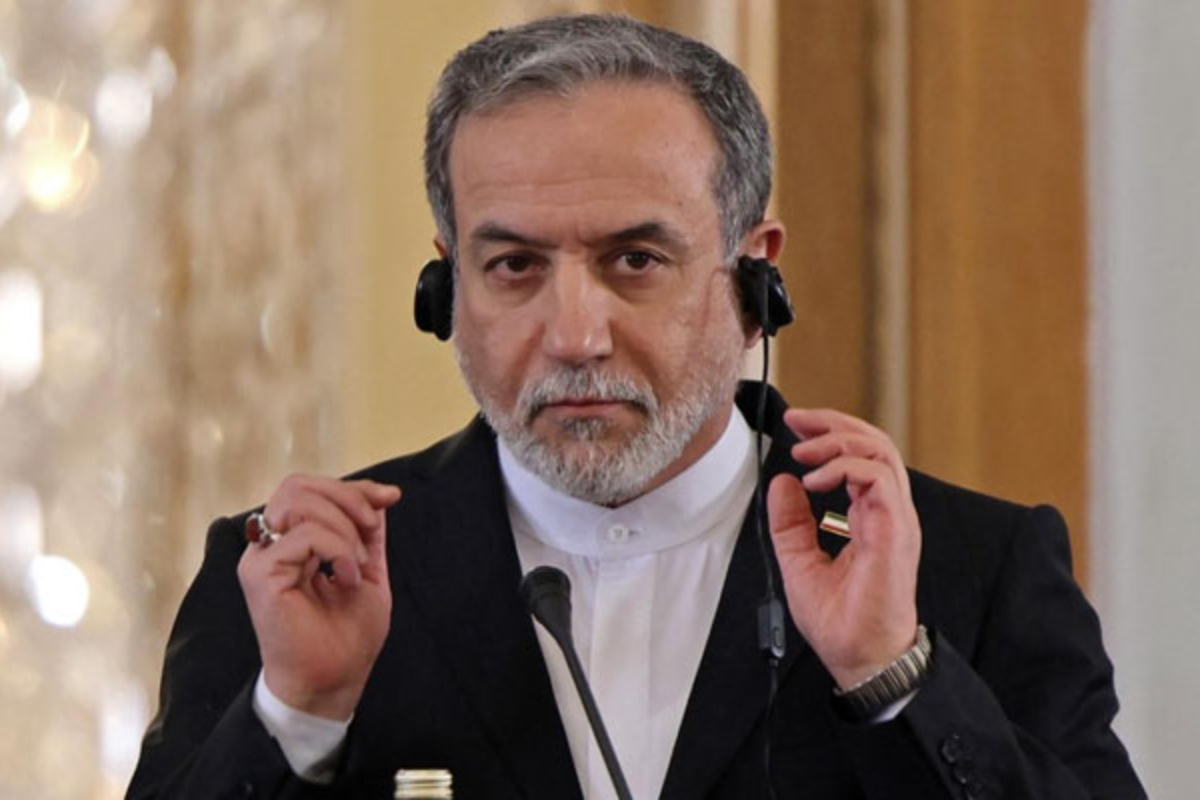
TEHRAN: Iranian Foreign Minister Abbas Araghchi has accused the United Arab Emirates of being directly involved in anti-Iran activities, urging Abu Dhabi to review its regional policy.

Addressing a BRICS forum, the Iranian foreign minister said Iran deliberately avoided naming the UAE for the sake of unity, but claimed that when attacks against Iran began, the UAE did not even issue a condemnation.

He further said that Israeli Prime Minister Benjamin Netanyahu had visited the UAE during the Iran conflict and met with the Emirati president, according to a statement issued by the Israeli Prime Minister’s Office.

Araghchi called for an end to what he described as “US bullying,” saying it should be consigned to the “dustbin of history.” He stressed that resistance against US pressure was not a new war but a long-standing reality faced by several nations in different forms.

He added that the time had come for countries to move forward collectively, saying that such coercive practices deserved to be discarded by history. He noted that nations are now closer than ever and cannot ignore what he described as a shared and dangerous challenge.

Araghchi also stated that declining powers may go to any extent to delay their downfall.

Meanwhile, the UAE has denied reports regarding a visit by the Israeli prime minister during the Iran conflict, rejecting claims of such a meeting with the Emirati president.
UAE air defenses intercept suspected Iranian missile threat

UAE air defenses

The Ministry of Defence (United Arab Emirates) has said its air defense systems intercepted a suspected missile attack launched from Iran, preventing potential damage.

According to officials, four missiles were detected, three of which were successfully destroyed mid-air, while one fell into the sea without causing harm.

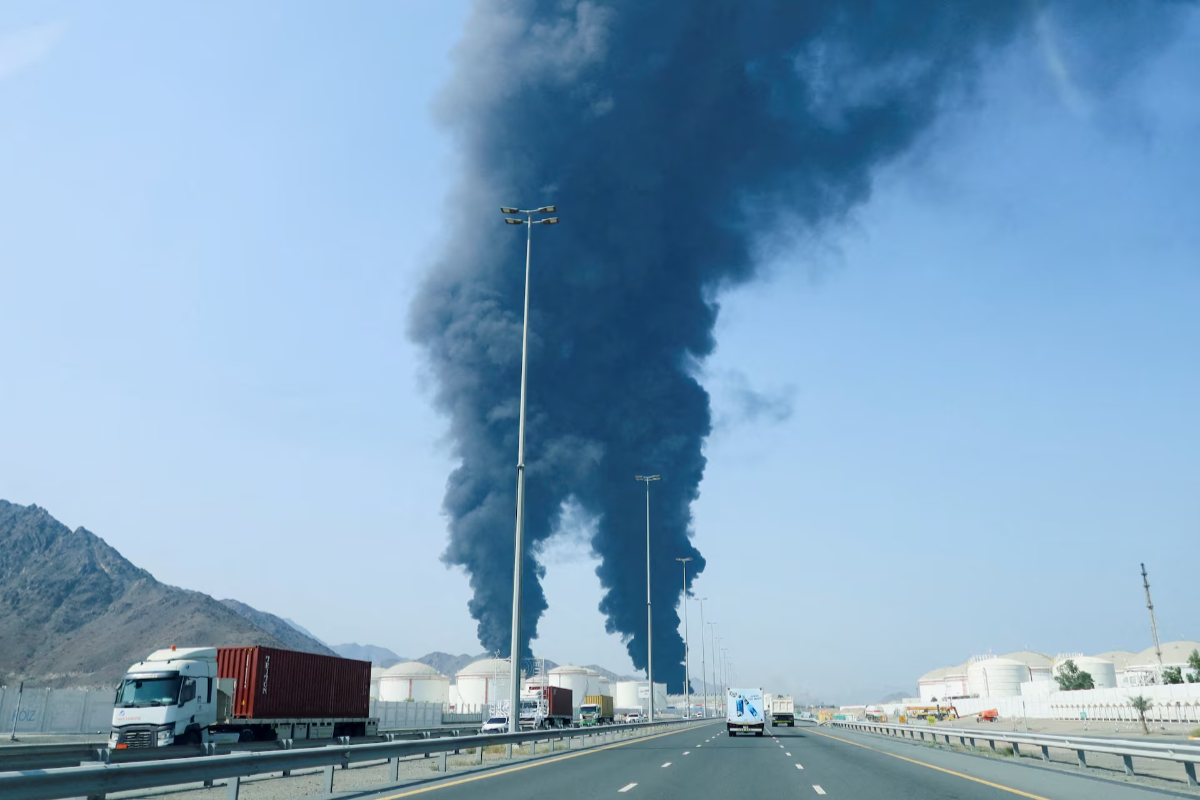
Meanwhile, media reports indicated that a fire broke out at a petroleum industrial facility in Fujairah following a suspected drone strike.

Emergency response teams were immediately dispatched to the site, and efforts to control the blaze are ongoing.

Authorities stated that the UAE’s air defense system remains on high alert and is fully prepared to respond to any further threats. Citizens have been reassured that security agencies are closely monitoring the situation.

The developments come amid rising regional tensions, prompting heightened security measures across the country.

UAE exit from OPEC+ a major blow to oil alliance, says Reuters

UAE exit from

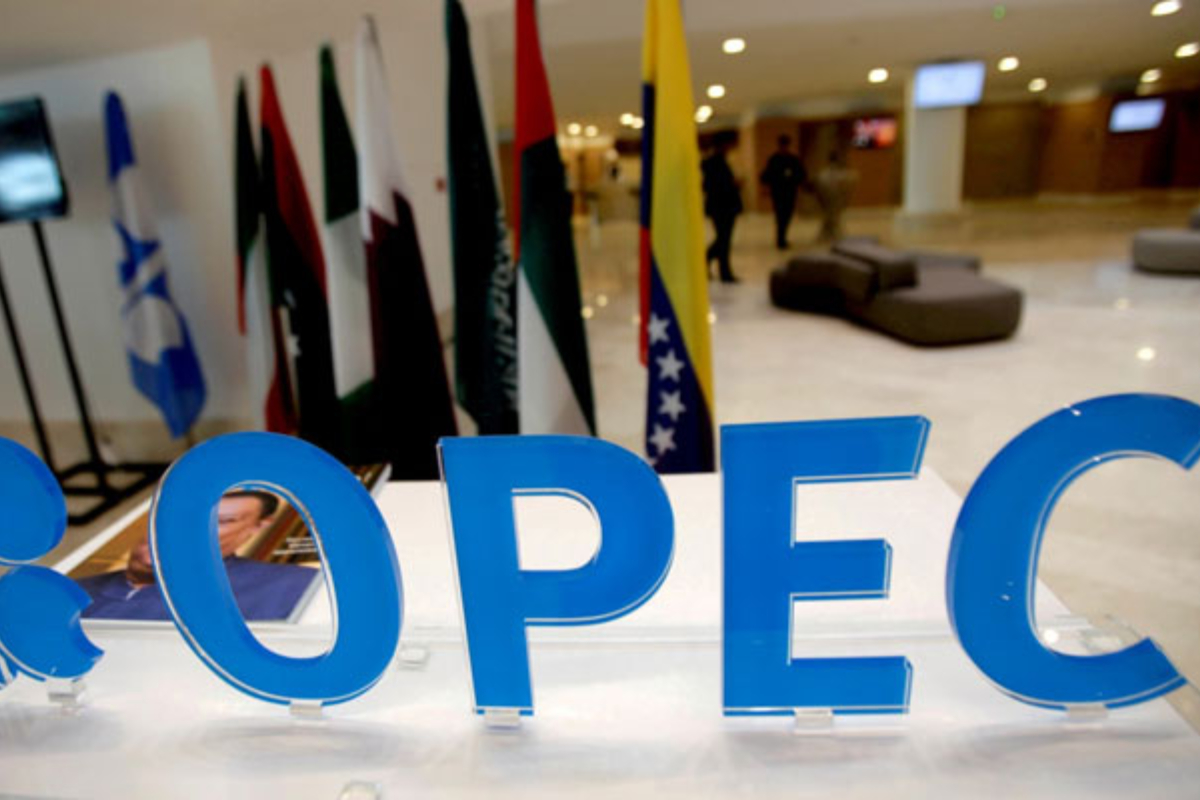
ABU DHABI: The decision by the United Arab Emirates to leave the OPEC and OPEC+ groups is being viewed as a significant setback for the oil-producing bloc, according to Reuters.

The report noted that the UAE had been a member of OPEC for more than six decades, and its exit comes at a time when the global economy is already under strain due to tensions involving Iran. The move is expected to weaken the cohesion of the group.

Reuters added that despite internal disagreements, OPEC has traditionally tried to project unity. However, the ongoing regional tensions and energy crisis have exposed divisions among Gulf countries, particularly between the UAE and Saudi Arabia, widely regarded as OPEC’s leading member.

UAE Energy Minister Suhail Mohamed Al Mazrouei said the decision was made carefully, taking into account regional energy priorities and future production needs.

He emphasized the country’s commitment to meeting growing global energy demand in a reliable and responsible manner.

Experts believe the move could allow the UAE to expand its share in global markets, as it would no longer be bound by OPEC’s quota system and could increase oil production once regional routes stabilize.

According to Reuters, the decision may also be seen as a political win for Donald Trump, who has frequently criticized OPEC for high oil prices.

The report added that the UAE has expressed concerns over the lack of adequate support from fellow Gulf states during periods of heightened tensions, including threats of attacks.

Pakistan calls media reports on UAE repayment misleading

Pakistan calls

ISLAMABAD: The Foreign Office has dismissed recent remarks regarding United Arab Emirates financial reserves as baseless and misleading. According to the ministry, the funds held in the State Bank of Pakistan were part of bilateral trade agreements, and Pakistan is returning the deposits in accordance with the agreed terms upon maturity.

The m Foreign Office emphasized that the repayment is a routine financial procedure and misrepresenting it is misleading. Pakistan and the UAE share long-standing and fraternal relations, with strategic cooperation continuing across trade, investment, and defense sectors.

Repayment Details:

Pakistan will return USD 2 billion in UAE deposits on April 17, 2026, with an interest rate of 6 percent.

Additionally, a Eurobond of USD 1.3 billion will mature on April 8, 2026, and be repaid.

Overall, Pakistan will pay a total of USD 3.5 billion, including principal and interest.

A further USD 1 billion in UAE deposits is scheduled for repayment in July 2026.

The FO reaffirmed Pakistan’s commitment to strengthening its strategic and economic relations with the UAE. Earlier reports indicated that the UAE had initially approved a two-month extension for the USD 2 billion deposits, with maturity previously set for February 2026, but Pakistan opted for repayment along with accrued interest.

UAE prepares to secure Strait of Hormuz with allies after Iran attacks

UAE prepares

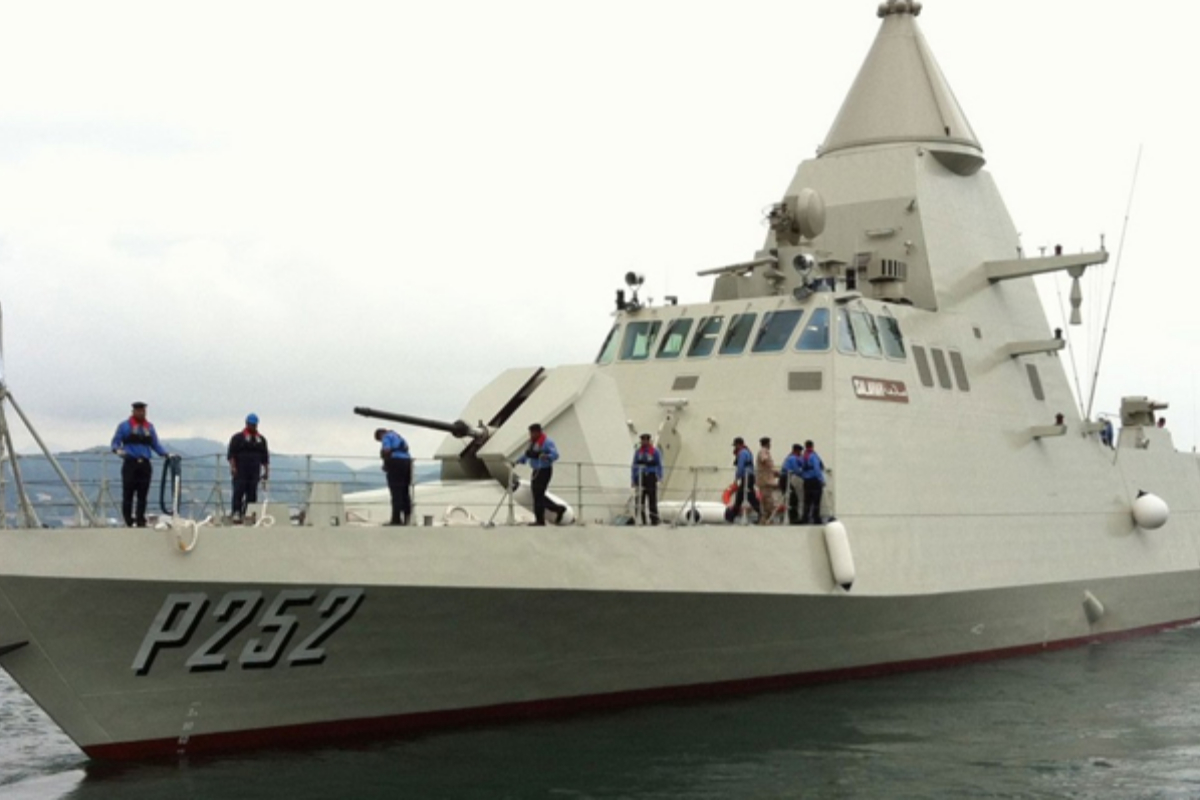
The United Arab Emirates (UAE) is reportedly preparing, alongside the US and its allies, to secure the strategic Strait of Hormuz by force in response to recent Iranian attacks.

According to a report by the Wall Street Journal, the UAE is lobbying the United Nations Security Council for a resolution that would authorize such an operation.

Emirati diplomats are urging military powers from the US, Europe, and Asia to form a joint coalition capable of reopening the Strait through force if necessary.

A UAE official stated that the country has assessed its capabilities to ensure the strait’s security, including mine-clearing operations and other support services.

The UAE has also argued that the US should assert control over some islands in the strait, including Abu Musa Island, which has been under Iranian control for decades but is also claimed by the Emirates.

Arab officials indicate that Saudi Arabia and other Gulf states are taking a hard stance against Iran, seeking to continue the conflict until Iran is weakened or its government removed. Bahrain, a close US ally hosting the Fifth Fleet headquarters, is preparing the resolution for a vote expected on Thursday.

According to Gulf officials, the UAE’s assertive position signals a major strategic shift. Previously, Emirati diplomats were engaged in mediation efforts between the US and Iran, including a visit by former Secretary of Iran’s Supreme National Security Council, Ali Larijani, to Abu Dhabi.

The UAE is now reportedly aligning closer with US President Donald Trump’s stance, which calls for allies to bear a greater share of military responsibility. Trump has told advisors he is willing to end the conflict without reopening the strait, leaving the matter largely to other nations.

Gulf officials believe that hesitant countries in Asia and Europe may join the operation if Security Council approval is granted. However, Russia and China could veto the resolution, while France has proposed an alternative draft. Even if the resolution fails, the UAE is prepared to participate in any effort to reopen the Strait of Hormuz.

UAE grants Pakistan a two-month extension on loan repayment

UAE grants Pakistan

ISLAMABAD: The United Arab Emirates (UAE) has, in principle, agreed to extend (roll over) Pakistan’s $2 billion deposit for a short period of two months.

A senior official confirmed that the UAE has consented to roll over the amount until April 17, 2026. The assurance was given following recent contacts between Ishaq Dar, Pakistan’s Deputy Prime Minister and Finance Minister, and senior UAE officials.

According to sources, the short-term extension carries an interest rate of 6.5 percent, with formal approval from relevant authorities expected imminently.

The move is being seen as significant ahead of the third review talks between Pakistan and the IMF, particularly as the previous one-month extension was due to expire in just four days. Islamabad has informed the UAE that it will seek a longer-term rollover after concluding negotiations with the IMF.

Earlier in January, the UAE had granted a one-month extension on the deposit, with the third installment of $1 billion scheduled for July 2026.

Foreign Office spokesperson Tahir Hussain Andarabi stated that Ishaq Dar is personally overseeing the matter and is actively coordinating with UAE authorities to ensure a smooth process.

He added that determining the rollover period is at the discretion of the lender, and thanks to the Deputy Prime Minister’s efforts, the rollover has been secured.

The spokesperson also clarified that he was not aware of statements made by Finance Ministry officials in the Standing Committee on Finance, and referenced the Finance Minister’s remarks that Pakistan’s external financial profile remains intact and IMF-related matters are progressing in the right direction.

Pakistan and UAE leaders discuss strategic, regional collaboration

Pakistan and UAE

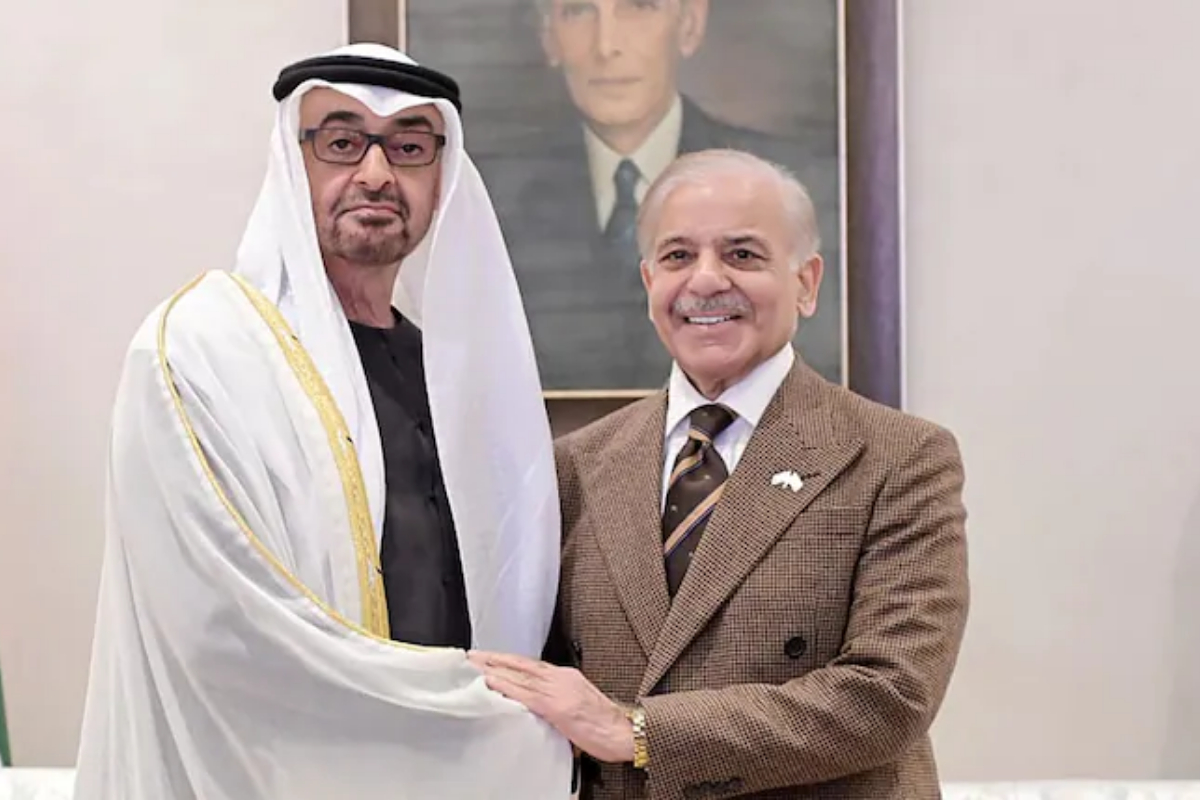
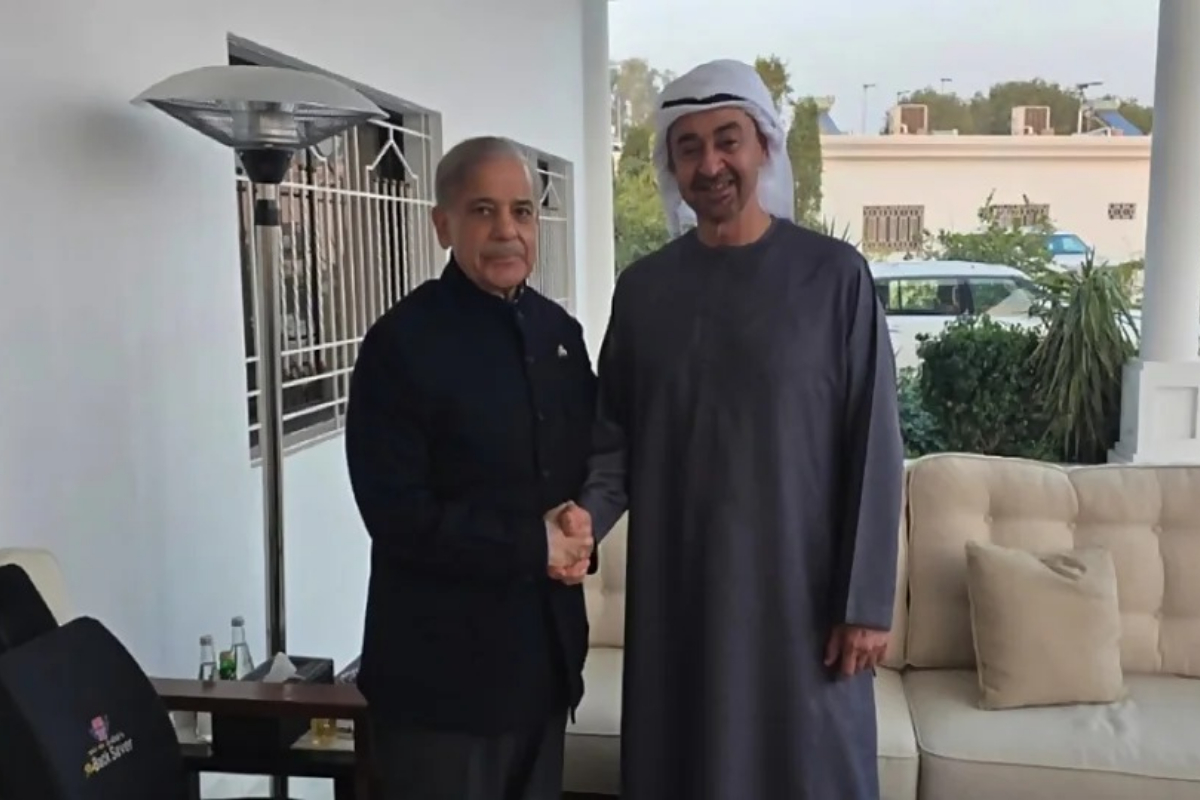
Rahim Yar Khan: Prime Minister Muhammad Shehbaz Sharif met with Sheikh Mohamed bin Zayed Al Nahyan, President of the United Arab Emirates (UAE) and Ruler of Abu Dhabi, at Sheikh Zayed Palace, Rahim Yar Khan.

The Prime Minister was accompanied by Deputy Prime Minister & Foreign Minister Senator Mohammad Ishaq Dar, Information Minister Attaullah Tarar, SAPM Tariq Fatemi and other senior officials.

During their warm and cordial meeting, the two leaders carried forward discussions from their recent meeting in Islamabad on 26 December, 2025, when His Highness paid his first official visit to Pakistan as President of UAE.

The Prime Minister reiterated his firm resolve to elevate the longstanding, brotherly ties between Pakistan and the UAE into a strategic, mutually beneficial, economic partnership.

He stressed upon the need for both sides to actively pursue enhancement in bilateral trade through a quantum jump which will bring it to the desired level.

The two leaders also discussed ways to enhance cooperation in a wide range of areas including IT, energy, mining & minerals, as well as defence cooperation.

While expressing his great admiration for the UAE’s remarkable progress under His Highness’ dynamic and visionary leadership, the Prime Minister thanked the UAE President for his patronage and commitment to foster stronger ties between the two countries.

He also appreciated the UAE for hosting 2.1 million Pakistanis, who were playing an important role in strengthening ties between both countries.

 In addition to bilateral cooperation, the two leaders also exchanged views on a variety of subjects.

The meeting capped off a year of extensive leadership-level engagements between Pakistan and the UAE.

Dubai approves largest-ever budget for 2026

Dubai approves

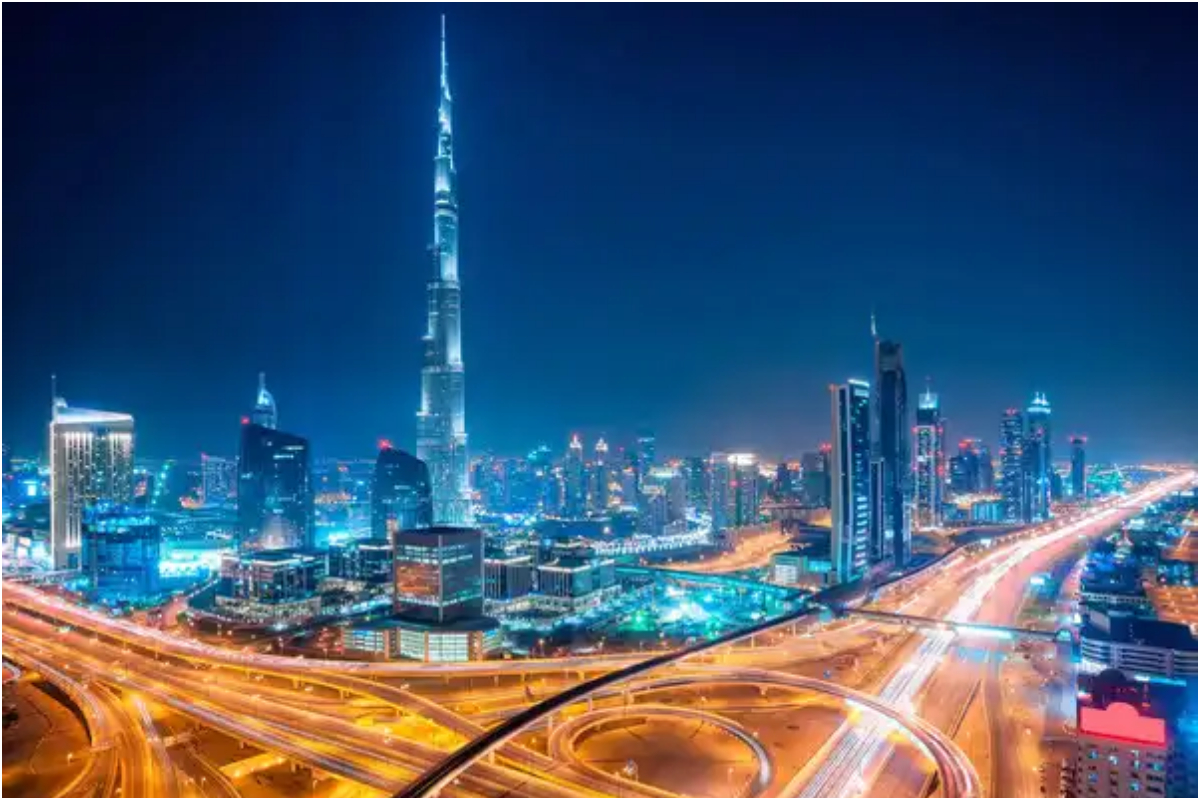
DUBAI: The Dubai has approved its largest-ever budget for 2026, according to international media reports.

The three-year budget totals AED 302.7 billion (USD 82.41 billion). UAE’s official news agency stated that Dubai’s revenue is expected to increase by 5% to AED 329.2 billion (USD 89.63 billion), resulting in a projected surplus.

For 2026, Dubai’s expenditure is estimated at AED 99.5 billion, while expected revenue is AED 107.7 billion.

Reports indicate that 48% of the budget is allocated to infrastructure projects, including roads, bridges, and public transport, while 28% is dedicated to social sectors.

Dubai Intl Airport welcomes 3.2m Pakistani passengers in 9 months

Dubai Intl Airport

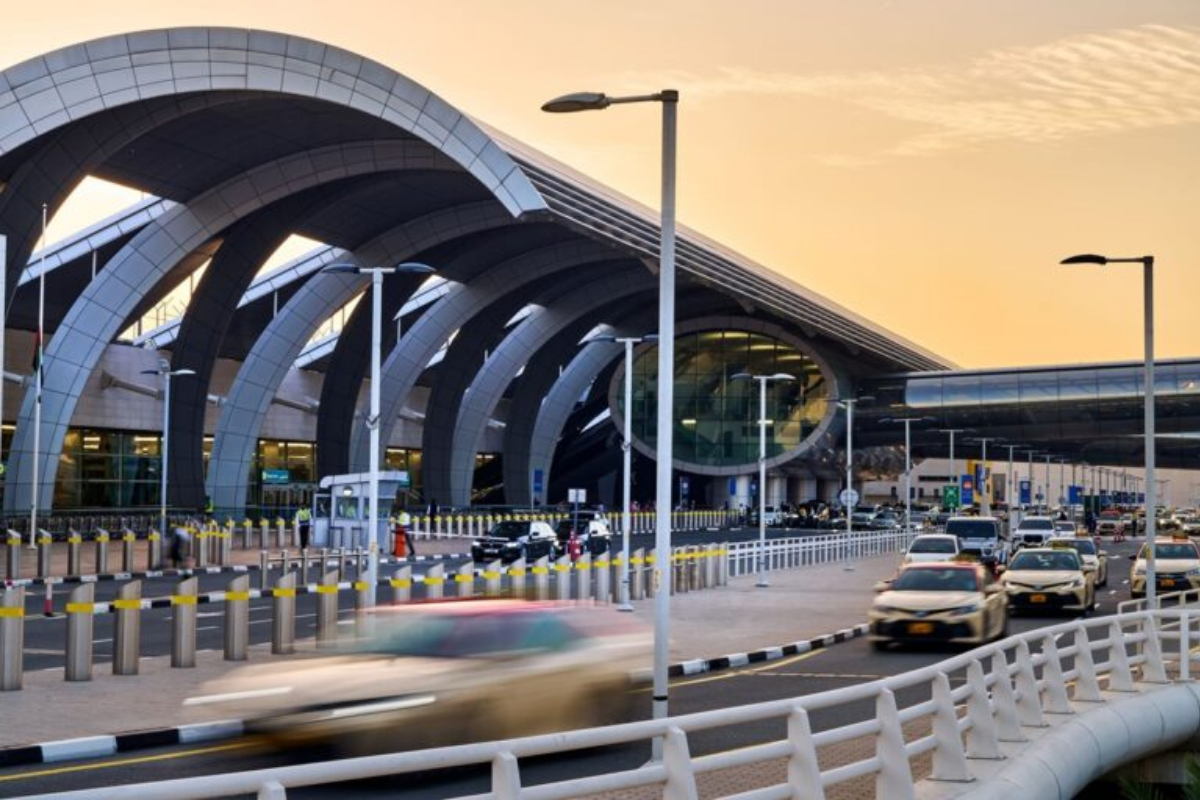
DUBAI: Dubai International Airport (DXB) has announced passenger statistics for the current year, revealing that it welcomed 3.2 million Pakistani travelers during the first nine months of 2025.

Officials stated that Pakistan ranked fourth among the top nationalities using the airport. Pakistani passengers primarily travel to Dubai for tourism, business, family visits, employment opportunities, and as a transit point to Europe, the Middle East, and the United States. Dubai Airport serves as a key hub for travel between Pakistan and the UAE.

From July to September, DXB handled 24.2 million passengers, marking a 1.9% increase compared to the same period last year, reaching the highest quarterly traffic in its 65-year history. From January to September, total passenger traffic reached 70.1 million, up 2.1% year-on-year. Over the past 12 months, Dubai Airport recorded a new annual high of 93.8 million passengers.

In comparison, India led with 8.8 million passengers, followed by Saudi Arabia with 5.5 million, and the United Kingdom with 4.6 million.

The airport maintained high efficiency, with 99.6% of departing passengers completing immigration in under 10 minutes, while 99.8% of arriving passengers were processed within 15 minutes.

To accommodate the growing number of passengers, especially from South Asia, expansions at Terminal 1 and Terminal 3 are underway to enhance capacity and improve services.