BREAKING NEWS
Advertise with us >

US military quietly establishes shipping corridor through Strait of Hormuz

US military

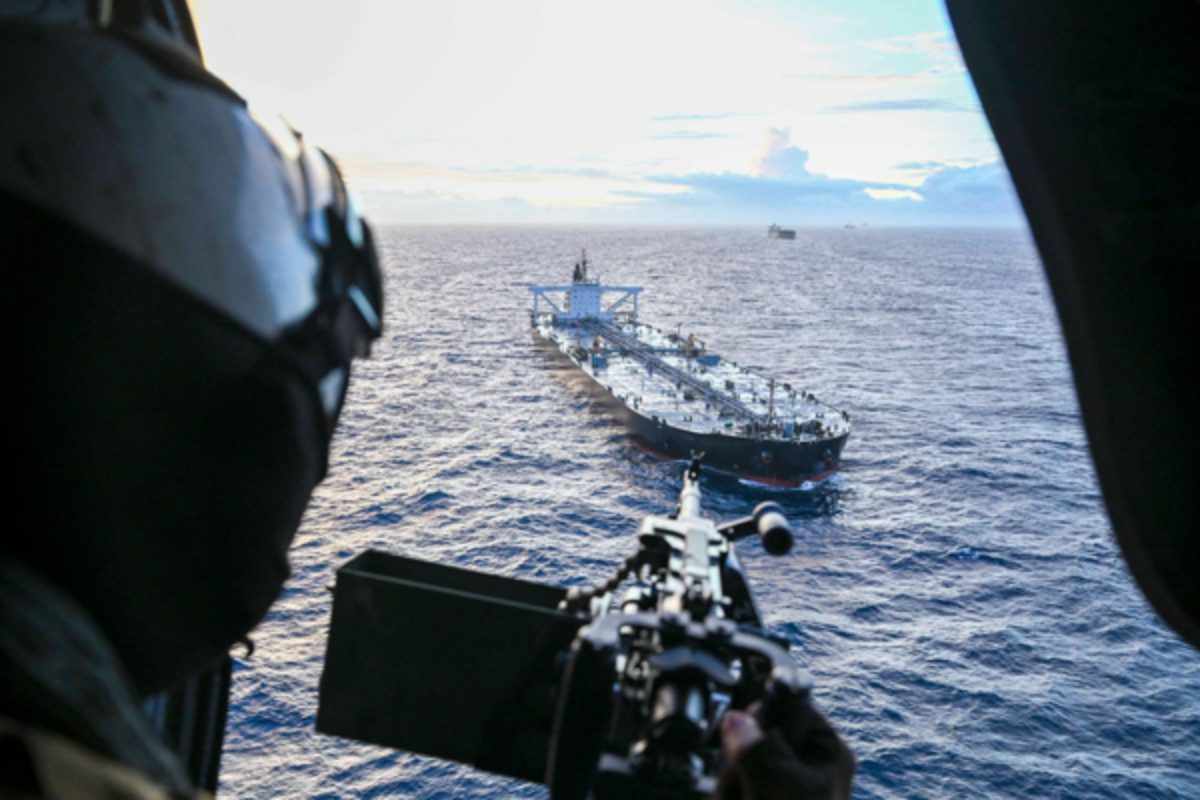
WASHINGTON:  The US military has quietly established a shipping corridor through the Strait of Hormuz to facilitate the movement of millions of barrels of oil a day, according to Axios, citing two US officials.

The operation, which has been underway for several weeks despite a broader pause in fighting, is being described by officials as a significant achievement in maintaining global energy supplies.

According to Axios, between 15 and 20 oil tankers enter or leave the Strait of Hormuz each night through a southern channel along the coast of Oman. Officials estimate that about 10 million barrels of oil a day roughly half the prewar volume are currently being moved safely through the waterway and into global energy markets.

The operation extends beyond escorting loaded oil tankers out of the Strait. U.S. forces are also helping empty tankers travel from the Arabian Sea through the strait into the Gulf, load oil in regional countries and safely return through the waterway.

A U.S. official familiar with the operation told Axios that American forces have controlled the southern shipping lane for about two months. The official said Iran’s Islamic Revolutionary Guard Corps could disrupt traffic but does not control the strait.

The task force overseeing the operation is based at an Army headquarters at Fort Bragg, North Carolina, and remains in regular contact with Gulf partners, according to the report.

Nighttime Convoys Receive Air Protection

The task force prepares daily lists of vessels and schedules them to pass through the waterway in large nighttime convoys. U.S. fighter aircraft provide air protection against Iranian cruise missiles and drones during the transit.

Officials said the operation became possible after a two-week U.S. Central Command military campaign severely damaged Iran’s radar and maritime surveillance systems.

The damage has significantly reduced Iran’s ability to monitor maritime traffic in the southern channel, according to Axios. Iranian forces are reportedly launching drones and cruise missiles based largely on estimates of where ships are expected to travel.

Some vessels have been hit in Iranian attacks, but U.S. forces have intercepted most of the incoming threats, officials said.

The continued flow of oil through the Strait of Hormuz is particularly important to global energy markets because the waterway is one of the world’s most critical routes for crude oil shipments.

Iranian Army Chief warns countries hosting US attacks

Iranian Army

TEHRAN: Iran’s military has warned that countries allowing the United States to use their territory to launch attacks against Iran will have to pay a heavy price.

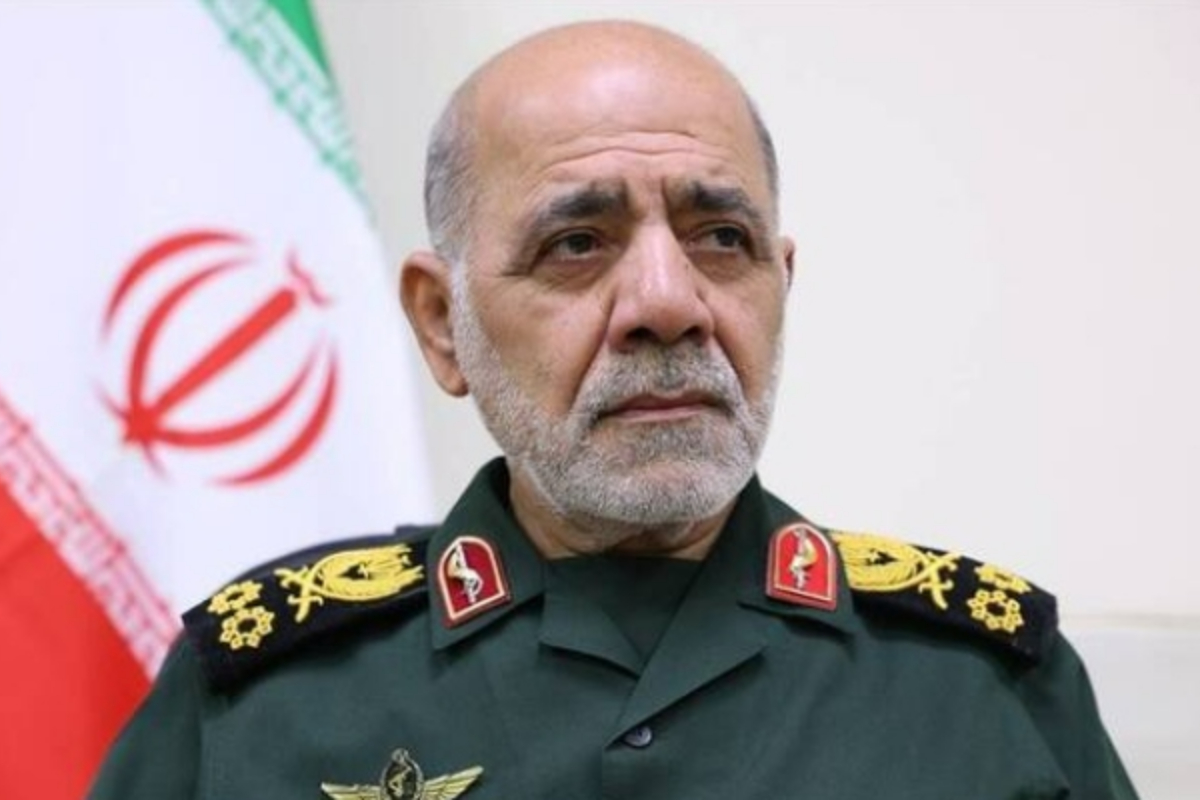
Iranian Armed Forces Chief of Staff Lt. Gen. Ali Abdollahi said countries permitting the U.S. to conduct attacks against Iran from their territory should know that “nothing remains hidden from Iran.”

He said providing any form of assistance or facilities to the U.S. military would be considered participation in the war against Iran.

Abdollahi warned that countries allowing their territory to be used for U.S. attacks against Iran would face serious consequences and “pay a heavy price.”

Pentagon considers reducing US military presence in Gulf

Pentagon

WASHINGTON: The Pentagon has begun reviewing the future of the US military presence in the Middle East following the war with Iran, raising the possibility that Washington could reduce its forces and reassess its military bases in the Persian Gulf, according to The Washington Post.

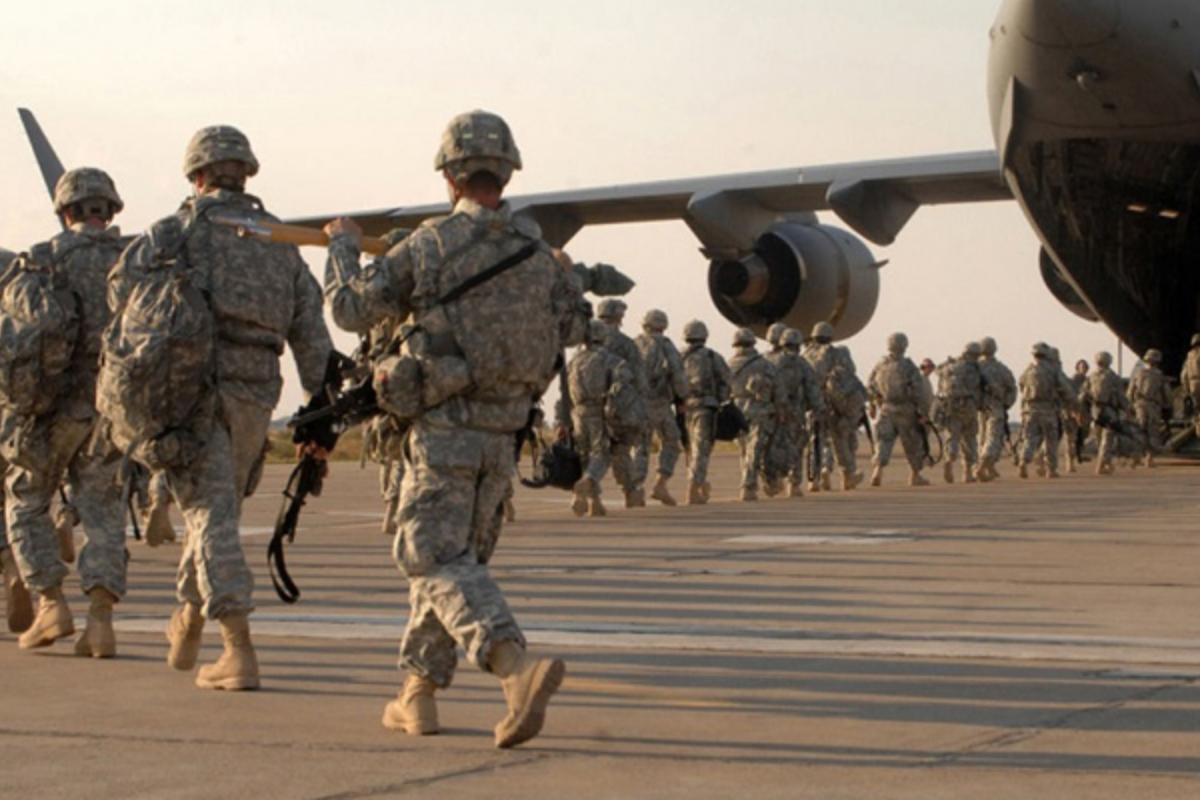
Citing US officials and people familiar with the matter, the newspaper reported that the Pentagon is examining whether American troops should be withdrawn from the Persian Gulf.

The review is seen as an early indication that the conflict with Iran could lead to changes in the U.S. military footprint across the region.

US military bases in the Gulf sustained significant damage during Iranian attacks during the conflict. The damage has prompted the Pentagon to reconsider whether the facilities should be rebuilt to their prewar scale.

According to people familiar with the review, the Pentagon’s policy office is leading the assessment, while the Joint Chiefs of Staff and U.S. Central Command are also examining the issue.

A senior Pentagon official, speaking on condition of anonymity, said Defense Secretary Pete Hegseth had not formally ordered a review of the U.S. military presence in the region. Instead, the assessment was described as “prudent planning” that could eventually help the administration decide whether to rebuild bases damaged during the war.

US Central Command oversees American military operations in the Middle East. The United States typically maintains about 40,000 troops at roughly 20 locations across a region stretching about 1,500 miles from Jordan to Oman.

The Gulf is home to some of the largest and most permanent U.S. military facilities in the Middle East. Bahrain hosts the headquarters of the U.S. Navy’s 5th Fleet, while American military and air assets are also based in countries including Kuwait.

The review could intensify an existing debate within the Trump administration between officials who support continued military engagement in the region and those who argue that the Pentagon should scale back some operations to focus more heavily on defending the U.S. homeland and preparing for potential conflicts with major powers such as China.

According to a US official cited by The Washington Post, Adm. Brad Cooper, commander of U.S. Central Command, may support moving some American forces westward from the Persian Gulf.

However, people familiar with the Pentagon’s assessment cautioned that any permanent change to the US military presence remains a long way off. Any major restructuring or withdrawal would require formal approval from senior administration officials.

Pentagon signs $22.9 billion Tomahawk missile deal amid Iran war

Pentagon signs

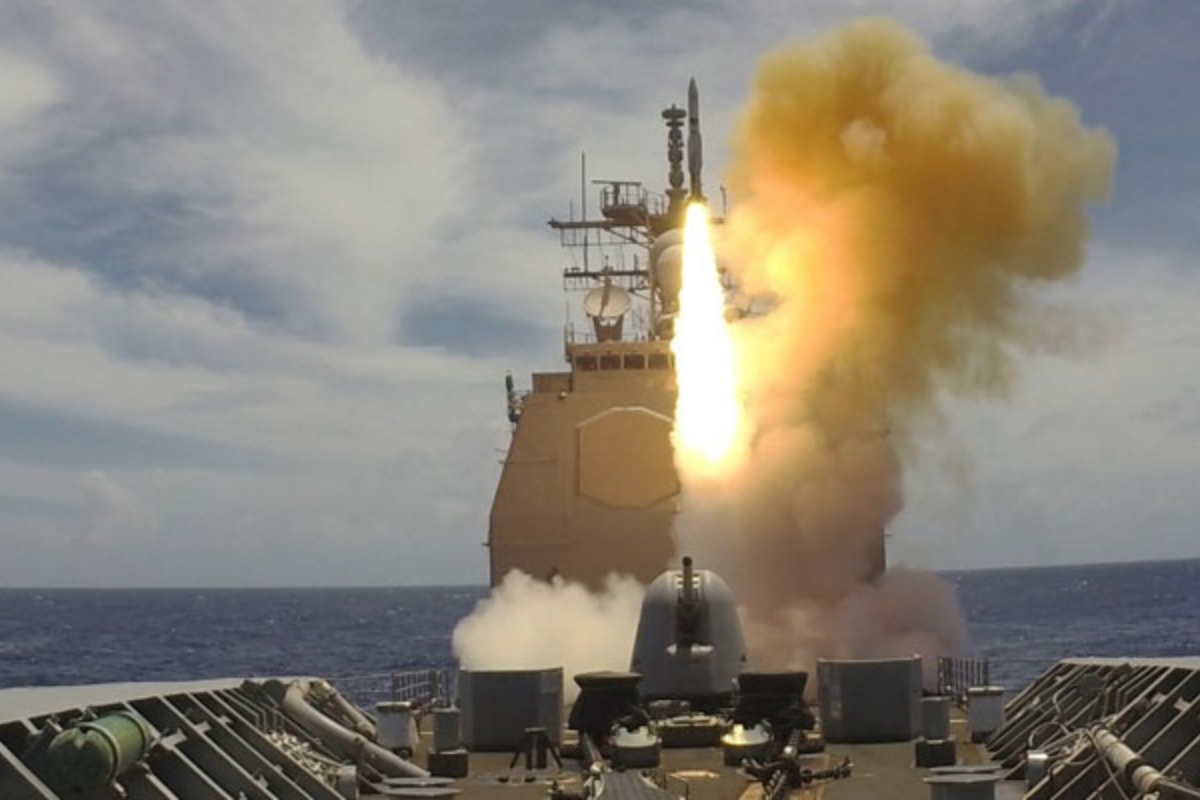
WASHINGTON: The Pentagon has signed a $22.9 billion agreement with a defense contractor to produce and supply Tomahawk cruise missiles, as the United States seeks to replenish weapons stocks following its conflict with Iran, according to media reports.

US defense officials said the contract is aimed at accelerating the delivery of Tomahawk missiles to the American military and strengthening its stockpile.

The acting secretary of the US Navy said providing troops with the weapons they need to deter aggression and defend the country remained a top priority.

Tomahawk missiles are primarily launched from submarines and warships and are designed to strike targets at distances of more than 1,000 miles, or about 1,600 kilometers.

The deal comes amid reports of concerns over U.S. weapons inventories following the conflict with Iran and efforts by the Pentagon to replenish key missile supplies.

Modi’s 2026 Independence Day Speech: Key Announcements

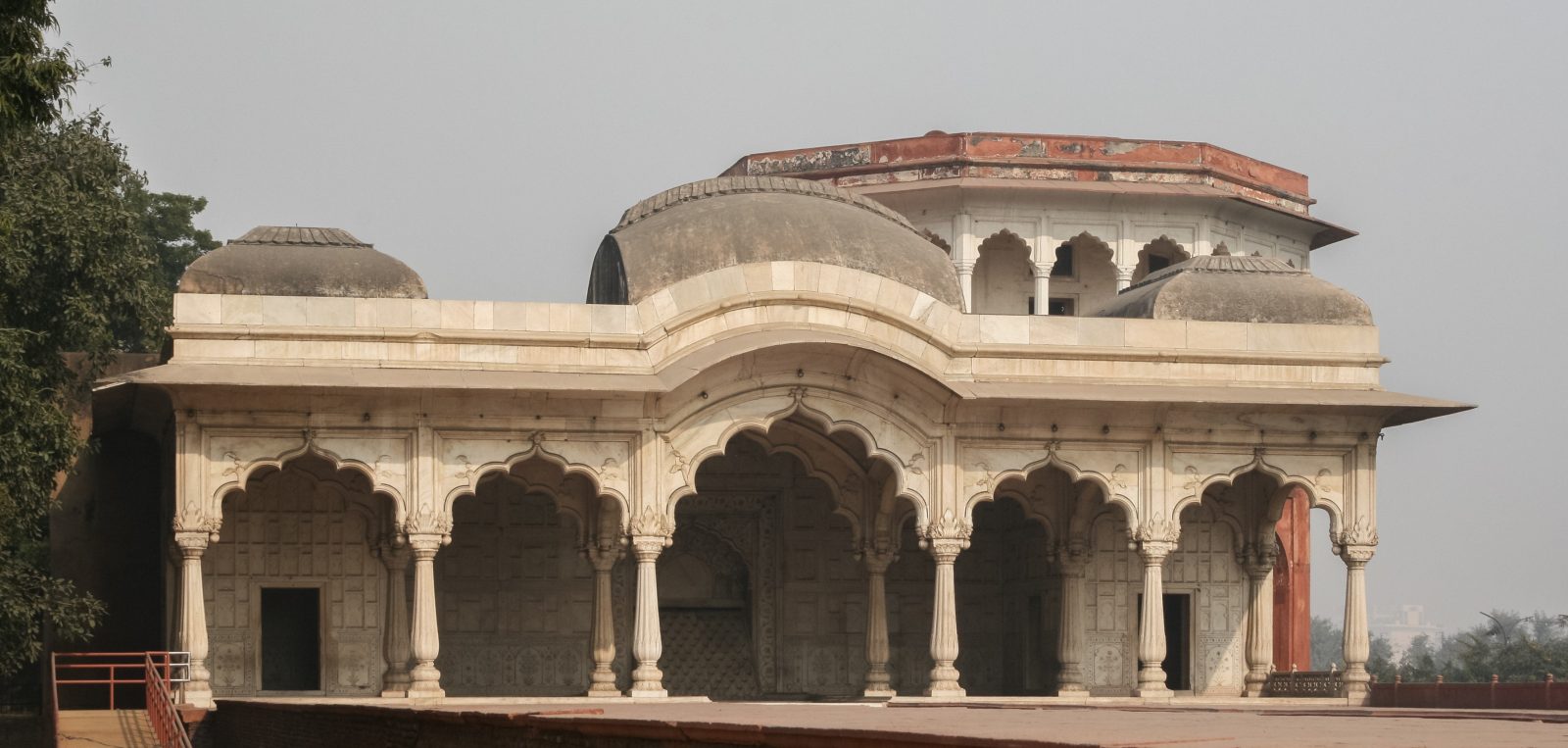
Red Fort in Delhi where PM Modi delivered his 2026 Independence Day address

Prime Minister Narendra Modi used his 2026 Independence Day address from the Red Fort to announce a nationwide AI skilling programme for one crore (10 million) young Indians, a fresh sports talent hunt for children, and a target of 100 GW of nuclear power capacity by 2047 — while framing India’s youth as the foundation of a “Viksit Bharat” (developed India).

The headline announcements

InitiativeDetail
AI skilling programme1 crore (10 million) young Indians to be trained in Artificial Intelligence nationwide
Sports talent huntNationwide search for athletes aged 5–15 across schools, villages and cities
Free exam coachingOnline coaching for competitive exams to cut costs for families
Nuclear energy target100 GW capacity by 2047; 5 new reactors operational within 6–7 years
Semiconductors7–8 manufacturing plants expected operational within 1–2 years

The speech’s central theme

Modi referenced India’s youth 52 times over the course of the address, using the terms “Yuva Shakti” (youth power) and “Naujawan” (young people) repeatedly to position young Indians as both the architects and primary beneficiaries of the government’s development agenda. He called for India to become a global hub in emerging technologies — artificial intelligence, robotics, quantum technology and space technology — echoing themes he has pushed since the broader regional conversation on job creation and skilled emigration playing out across South Asia this year.

The economic claim

Modi stated that India has “transformed from being counted among the ‘Fragile Five’ economies to becoming the world’s fastest-growing major economy” over the past 12 years — a reference to the informal 2013 grouping (alongside Brazil, Indonesia, South Africa and Turkey) of emerging economies seen as most vulnerable to capital outflows at the time.

A notably shorter address

At 75 minutes, this was Modi’s shortest Independence Day speech in four years, delivered from the ramparts of the Red Fort on 15 August as part of India’s annual independence commemorations.

Why the announcements matter

  • AI training at scale. A 10-million-person skilling target would be among the largest state-run AI training programmes announced anywhere, though delivery mechanisms and timelines were not detailed in the speech itself.
  • Youth-focused sports pipeline. A structured 5–15 age-group talent hunt signals a longer-term push to broaden India’s sporting base beyond cricket ahead of future multi-sport events.
  • Energy security. The 100 GW nuclear target is a significant scale-up from India’s current nuclear capacity and would require sustained investment and regulatory work over two decades to achieve.

Frequently asked questions

What was the biggest announcement in Modi’s 2026 Independence Day speech?

The nationwide AI skilling programme targeting one crore (10 million) young Indians was the headline announcement, alongside a youth sports talent hunt and a 100 GW nuclear energy target for 2047.

How long was PM Modi’s 2026 Independence Day speech?

75 minutes — his shortest Independence Day address in four years.

What is India’s current nuclear energy target?

Modi set a target of 100 GW of nuclear capacity by 2047, with five new reactors expected to become operational within 6–7 years.


Details as reported from PM Modi’s Red Fort address on 15 August 2026. Programme timelines and implementation details for newly announced initiatives typically follow in subsequent government notifications — check official PIB releases for specifics as they emerge.

Related reading: Pakistan’s Asian Games 2026 cricket squad

Midwest Flooding: Indiana Declares Statewide Disaster Emergency

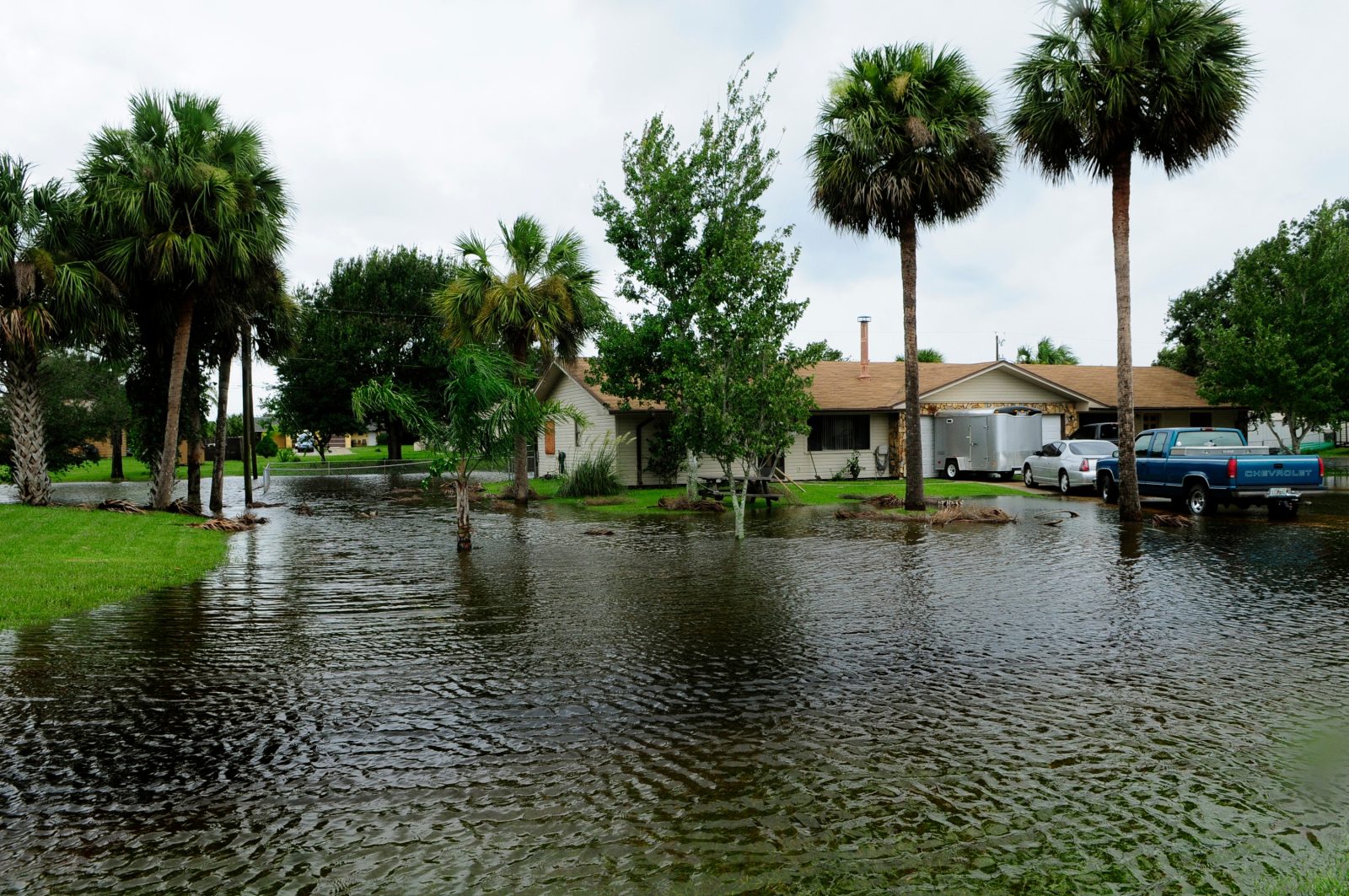
Flooded street in the Midwest United States during the 2026 Indiana flooding disaster

Indiana Governor Mike Braun has declared a statewide disaster emergency as catastrophic flooding kills at least three people and forces dozens of rescues, with more severe storms forecast through the weekend across Indiana, Ohio, Kentucky, Iowa and North Carolina.

What happened

A stalled weather system dumped rain at rates of 1 to 2 inches per hour over the same areas for extended periods this week, overwhelming rivers and streets across the Midwest. Indiana has been hit hardest so far.

DetailInformation
States affectedIndiana, Ohio, Kentucky, Iowa, North Carolina
Deaths (Indiana, this week)At least 3
Missing1 (of 4 who entered the Mississinewa River in Delaware County; 3 rescued)
Rainfall intensity1–2 inches per hour, stationary storms
Emergency declarationStatewide, Indiana, declared by Gov. Mike Braun

Where the damage is worst

  • Henry County: Floodwaters reached rooftops of homes; a street collapsed; over 50 people were rescued from a flooded apartment complex.
  • New Castle: The roof was torn off a commercial building.
  • Cambridge City: A 7–8 block area was evacuated by boat as streets became impassable.
  • Munster: Massive trees were uprooted by storm winds.
  • Dearborn and Hamilton counties: Evacuation orders issued for residents along the Whitewater River.

The governor’s response

Announcing the statewide disaster declaration, Governor Braun said: “Hoosiers’ safety is my top priority. Our state response is fully mobilized.” The declaration clears the way for state resources to support local emergency response and typically precedes a request for federal disaster assistance, though that request had not been confirmed at the time of writing.

What’s forecast next

Meteorologists warned of additional severe storms bringing damaging winds, large hail and the possibility of tornadoes moving into the weekend. Compounding the risk, a heat dome is expected to push heat indices to 110–111°F across the Mid-South region even as flood recovery continues — a dangerous combination for rescue crews and displaced residents alike.

Why storms are stalling like this

The flooding follows a pattern meteorologists have flagged in other major floods this year, including the Indonesia earthquake and disaster response covered separately: slow-moving or stationary weather systems repeatedly drenching the same locations rather than moving through quickly. When a front stalls, even moderate hourly rainfall rates compound into extreme multi-day totals, which is what has pushed Midwest rivers like the Mississinewa and Whitewater beyond their banks this week.

Frequently asked questions

How many people have died in the Midwest flooding?

At least three storm-related deaths have been confirmed in Indiana this week, with one person still missing after four people entered the Mississinewa River in Delaware County.

Which US states are affected by the flooding?

Indiana, Ohio, Kentucky, Iowa and North Carolina have all reported flooding impacts, with Indiana the worst affected so far.

Has Indiana received federal disaster aid?

Governor Braun’s statewide disaster declaration is a step that typically precedes a formal federal aid request. Confirmation of federal assistance had not been reported at the time of writing — check official Indiana and FEMA channels for updates.


Casualty figures, rainfall data and official statements as reported by US news wires and the Indiana governor’s office, current as of 15–16 August 2026. Flood conditions are changing rapidly — check official Indiana Department of Homeland Security and National Weather Service updates for the latest.

Related reading: Indonesia’s magnitude 7.7 earthquake

Indonesia Earthquake: Magnitude 7.7 Quake Kills 51 in Flores

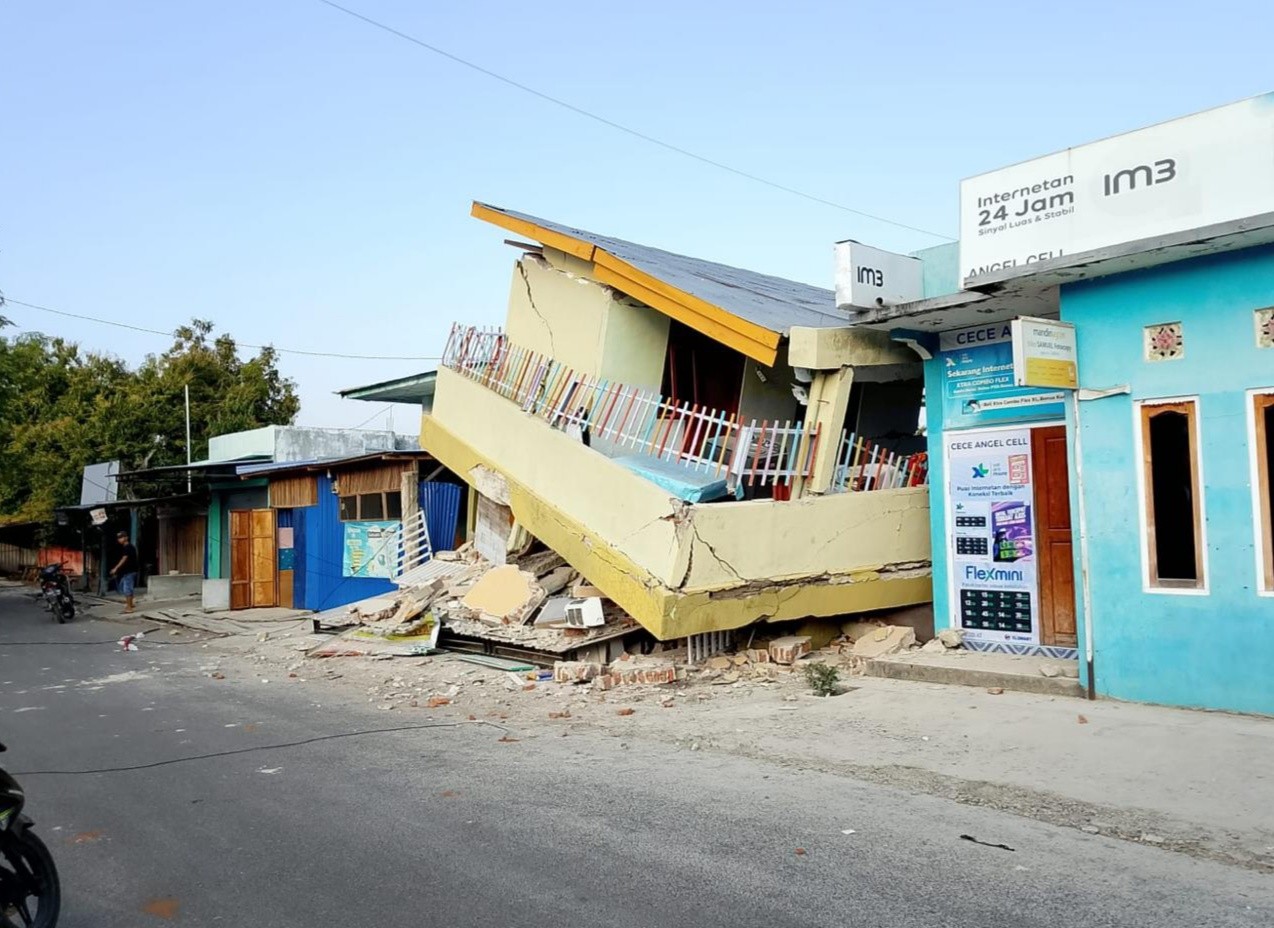
Damaged building after the magnitude 7.7 Flores Island earthquake in Indonesia

A magnitude 7.7 earthquake struck off Flores Island in Indonesia’s East Nusa Tenggara province before dawn on Saturday, 16 August 2026, killing at least 51 people and displacing thousands as rescue teams struggled to reach cut-off villages through landslide-blocked roads.

What happened

DetailInformation
Magnitude7.7
Time5:58am local time, 16 August 2026
Depth10km (6.2 miles)
Epicentre~68km north-northwest of Ende city, Flores Island
DeathsAt least 51
Injured36 seriously, 77 with minor injuries
Aftershocks341 recorded

A tsunami warning was issued immediately after the quake and later lifted. The shallow depth — just 10km — is a key reason the shaking was so destructive over such a wide area; shallow earthquakes transmit more energy to the surface than deeper ones of the same magnitude.

Damage and displacement

  • Over 1,300 homes damaged across the affected region.
  • At least 157 houses destroyed outright, with nearly 200 more damaged.
  • Around 5,000 people evacuated, including more than 3,300 in Sikka regency who fled their homes or were left stranded.
  • 20 petrol stations shut down due to power outages.
  • Roads blocked by landslides and communications disrupted in several areas, slowing the relief effort.

The rescue operation

Indonesian authorities have mobilised more than 3,500 military and police personnel, alongside three helicopters and one rescue vessel, to reach affected communities. Teams have been attempting to reach the remote Nagekeo regency by ferry after road access was cut off by the quake and subsequent landslides.

Why this region is so vulnerable

Flores Island sits within Indonesia’s stretch of the Pacific “Ring of Fire,” where the collision of tectonic plates makes powerful, shallow earthquakes a recurring risk. The area’s history underscores the danger: a 1992 earthquake in the same region triggered a tsunami that, combined with the quake itself, killed more than 2,500 people — a scale of loss officials are working urgently to avoid repeating this time.

The wider picture

Indonesia sits at the convergence of several tectonic plates and records some of the world’s most frequent significant earthquakes. Events of this scale routinely test disaster-response capacity in areas with dispersed island populations and limited road networks — a challenge distinct from, but comparable in kind to, the infrastructure strain seen during Europe’s recent heatwave, where a different kind of natural-hazard shock exposed gaps in grid and emergency capacity.

Frequently asked questions

Where exactly did the Indonesia earthquake strike?

The epicentre was about 68km north-northwest of Ende city on Flores Island, in Indonesia’s East Nusa Tenggara province, at a shallow depth of roughly 10km.

Was there a tsunami?

A tsunami warning was issued immediately after the 7.7-magnitude quake but was subsequently lifted without a major tsunami materialising.

How many people have died or been displaced?

At least 51 people have been confirmed dead, with 36 seriously injured and 77 with minor injuries. Around 5,000 people have been evacuated, with figures expected to be revised as rescue teams reach more remote areas.


Casualty and damage figures as reported by Indonesian disaster management authorities and international wire services, current as of 16 August 2026. Death tolls from major earthquakes are frequently revised upward in the days after the event as rescue teams reach isolated areas — check official Indonesian BNPB updates for the latest figures.

Related reading: Europe’s heatwave power crunch · Strait of Hormuz and Pakistan’s petrol prices

Europe’s Heatwave Power Crunch: The Lesson for Pakistan

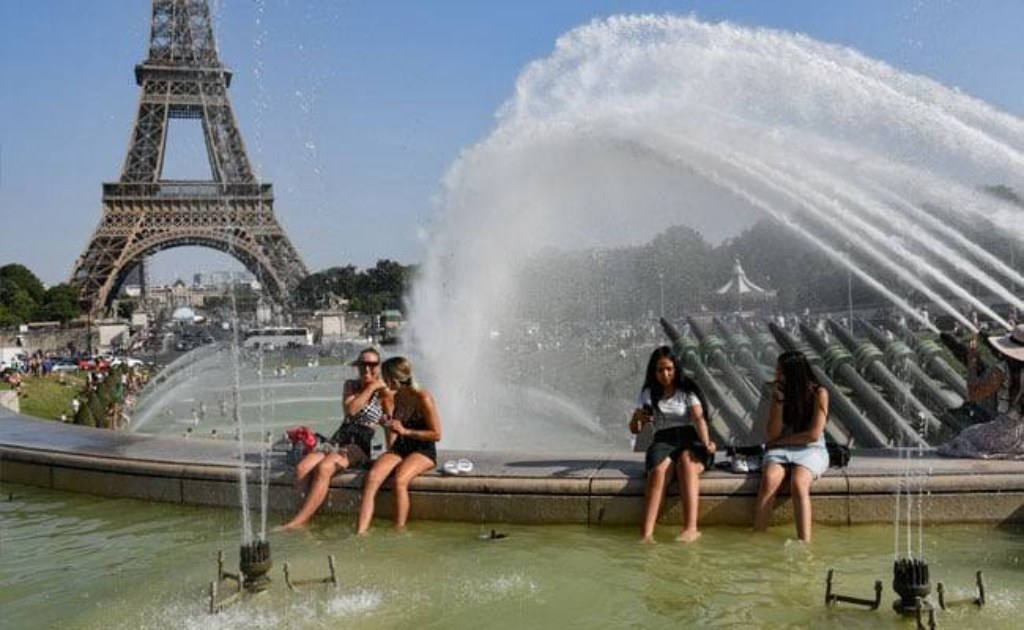
People cooling off in a fountain near the Eiffel Tower during a European heatwave

Europe’s heatwave has done something that ought to worry energy planners well beyond the continent: it cut the output of the very generation sources meant to be most reliable. On 11 August 2026, French nuclear capacity was capped by 7.3 GW at the midday peak while German wind output fell to 4.7 GW — and day-ahead electricity prices jumped more than 21% in both countries.

For Pakistani readers this is not a distant story. It is a live demonstration of how heat stresses a grid, and Pakistan faces the same physics with far less spare capacity.

What happened, in numbers

IndicatorReading (11 August 2026)
French nuclear capacity limited7.3 GW at midday peak (~12% of fleet)
French reactors affected4 units limited, 2 offline, 1 more expected to shut
German wind output8.1 GW → 4.7 GW (~60% below seasonal average)
France day-ahead priceEUR 142.50/MWh (+21.8%)
Germany day-ahead priceEUR 138.50/MWh (+22.8%)
Temperatures forecast35–39°C across most French regions

Britain felt secondary effects through interconnector flows. France depends on nuclear for around 70% of its electricity generation, which is what makes a 12% reduction in available fleet capacity so consequential.

Why heat shuts down nuclear plants

This is the part most coverage skips, and it is the most useful thing to understand.

A nuclear plant is a steam engine. It needs cold water to condense steam back into water after it has passed through the turbine, and many French reactors draw that cooling water from rivers — the Rhône, Loire and Garonne among them. Two constraints then bind during a heatwave:

  • Water temperature. Discharge rules limit how much a plant may warm a river, to protect aquatic ecosystems. When the river is already hot, the plant must reduce output or stop.
  • Water volume. Low river levels mean less water available for cooling and less capacity to dilute warm discharge. One additional reactor was expected to shut for precisely this reason.

So the reductions are regulatory and thermodynamic, not a safety failure or a technical fault. But the effect on supply is identical either way.

The correlation problem

The genuinely difficult finding here is that several failure modes arrived together.

Heatwaves in northern Europe are typically produced by stable high-pressure systems. Those same systems bring light winds — which is why German wind generation collapsed by roughly 60% below its seasonal average at the same moment French nuclear was being curtailed. Meanwhile air conditioning demand was rising.

Supply down, supply down again, demand up — all driven by one weather pattern. Grid planners generally assume diverse sources fail independently. When a single meteorological event degrades nuclear, wind and hydro simultaneously while lifting demand, that assumption breaks, and price spikes of the kind seen on 11 August follow.

Why this matters for Pakistan

Pakistan regularly experiences temperatures well above the 35–39°C that triggered these problems in France. The parallels are direct:

  • Thermal plants lose efficiency in heat. Gas and coal generation output falls as ambient temperature rises — the same physics, applied to Pakistan’s dominant generation mix.
  • Hydropower depends on water. Pakistan’s hydro output is tied to river flows and reservoir levels, which are themselves affected by heat, drought and glacier melt patterns.
  • Peak demand coincides with peak stress. Cooling load rises exactly when generation capacity is degraded.
  • Transmission losses increase. Hot conductors carry less power and sag more, reducing effective network capacity.

The difference is the buffer. France and Germany responded to an 8 GW problem with high prices; both remained supplied through interconnectors and market mechanisms. A comparable shortfall in a system with less reserve margin and weaker interconnection produces load-shedding instead of expensive electricity.

Pakistan’s electricity cost structure is a separate but related problem, which we examined in why electricity bills stay high in Pakistan. The lesson from Europe is that climate stress adds a physical reliability challenge on top of the existing financial one.

What planners take from this

  • Model correlated failure, not independent failure. Capacity planning that assumes wind, hydro and thermal fail separately understates real risk.
  • Storage and demand response are reliability infrastructure, not optional extras — they cover exactly the hours when everything else is constrained.
  • Solar is well matched to heat-driven peaks. Cooling demand and solar output rise together, which is a genuine advantage in Pakistan’s climate.
  • Cooling-water assumptions need revisiting. Plants sited on the basis of historical river temperatures may not perform to specification in future summers.

Frequently asked questions

Why does hot weather reduce nuclear power output?

Reactors need cool water to condense steam. When river water is too warm or too low, environmental discharge limits and cooling efficiency force plants to reduce output or shut down temporarily.

Was this a safety problem?

No. The reductions reflected environmental regulations on water discharge temperature and physical cooling constraints, not reactor safety incidents.

How much did European electricity prices rise?

Day-ahead prices reached EUR 142.50/MWh in France, up 21.8%, and EUR 138.50/MWh in Germany, up 22.8%, on 11 August 2026.

Could the same thing happen in Pakistan?

The underlying physics applies to any grid. Pakistan’s exposure runs mainly through thermal efficiency losses and hydro availability rather than nuclear river cooling, and with thinner reserve margins the likely outcome is load management rather than price spikes.


Figures reported by Energy News / OE Digital, MarketScale and BigGo Finance, with temperature forecasts from Meteo-France, for 11 August 2026. The Pakistan comparison is FutureSoch analysis based on the general engineering principles involved, not a claim about specific Pakistani plant performance. Last updated 15 August 2026.

More: World News · Business & Finance

Related reading: Strait of Hormuz and Pakistani fuel prices · Gold rate in Pakistan today · 5G in Pakistan 2026

Makkah Defence Pact Explained: What Pakistan, Saudi Arabia and Turkiye Agreed

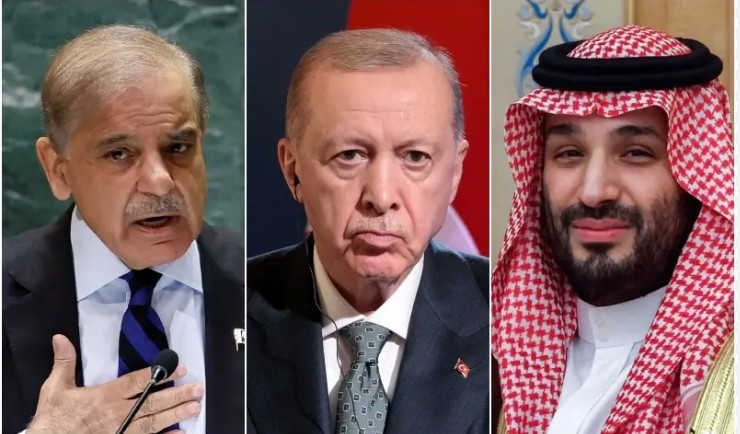
Pakistan PM Shehbaz Sharif, Turkish President Erdogan and Saudi Crown Prince Mohammed bin Salman - Makkah Defence Pact signatories

The Makkah Defence Pact is the trilateral security agreement that Pakistan, Saudi Arabia and Turkiye signed in Makkah on Friday, 7 August 2026. Its central promise is short and unusually explicit for this region: an armed attack on any one of the three will be treated as an attack on all three.

That single clause has generated more commentary than almost any other diplomatic development of the year, much of it speculative. This explainer sets out what has actually been confirmed, what remains unpublished, and what the agreement realistically changes for Pakistan.

Who signed the Makkah Defence Pact, and when

The agreement was signed in Makkah on 7 August 2026 by three heads of government: Pakistan’s Prime Minister Shehbaz Sharif, Saudi Crown Prince Mohammed bin Salman, and Turkish President Recep Tayyip Erdogan.

Pakistan’s Ministry of Foreign Affairs described the pact as reflecting “the three states’ shared commitment to further strengthening their collective security and to promoting peace, security, and stability in the region.” A Turkish official told Reuters the agreement “is defensive in nature and not directed at any specific actor” and said it remains open to other regional countries.

What the agreement reportedly covers

The full text has not been published. Based on official statements and analyst briefings, the framework is understood to cover four areas:

  • Collective deterrence — the mutual-defence clause treating an attack on one as an attack on all.
  • Military and defence-industrial coordination — joint production, procurement and logistics.
  • Intelligence sharing and capacity building in Saudi defence capabilities.
  • Energy and manufacturing cooperation, sitting alongside the security provisions.

The important caveat: because the text is unpublished, the exact triggers, escalation procedures and any carve-outs are not publicly verifiable. Readers should be cautious about confident claims — in either direction — about what the pact obliges its members to do in a specific scenario.

How this builds on the 2025 Pakistan–Saudi agreement

The Makkah pact did not appear from nowhere. It extends the Strategic Mutual Defence Agreement (SMDA) that Saudi Arabia and Pakistan signed in Riyadh on 17 September 2025, which stated that “any aggression against either country shall be considered an aggression against both.”

That bilateral agreement was significant in its own right: it was the first military alliance between an Arab Gulf state and a nuclear-armed power. Reuters, citing anonymous Pakistani sources, reported provisions allowing the deployment of up to 80,000 Pakistani troops to Saudi Arabia. The Belfer Center assessed it more cautiously as “primarily a political signal of solidarity” rather than an unconditional war guarantee.

Turkiye had sought to join that bilateral framework in January 2026, but officials confirmed by 31 January that the SMDA would remain a Saudi–Pakistan arrangement. The Makkah pact is therefore a new trilateral instrument rather than an expansion of the older one.

Why now: the regional context

Negotiations on closer Gulf–Pakistan–Turkiye security cooperation began after October 2023 and accelerated sharply during 2026. The immediate backdrop includes the US–Israel war against Iran that began in late February 2026, Iranian strikes on Gulf states, and the effective closure of the Strait of Hormuz to commercial shipping.

The SMDA has already been tested in that environment. During the 2026 Iran war, Saudi Arabia invoked the agreement and Pakistan deployed at least 8,000 troops, 16 aircraft and two drone squadrons — moving the arrangement from paper commitment to operational reality.

We have covered the economic side of that same crisis in detail in our reporting on oil prices and ceasefire prospects.

The reactions that matter

Iran: No formal government statement followed the Makkah signing. Iranian MP Ebrahim Rezaei dismissed it publicly, posting that “a paper agreement…will not bring them security.” Notably, when the earlier bilateral SMDA was signed in 2025, President Masoud Pezeshkian had welcomed it as the beginning of a “comprehensive regional security system” — a markedly warmer response than the 2026 reaction.

India: New Delhi said it was “carefully monitoring” developments following the 2025 agreement. Analysts have argued the arrangement alters India’s regional security calculus, though official Indian commentary has remained measured.

Others: The pact’s stated openness to new members has already drawn interest. Egypt is reported to be considering joining, and President Erdogan has said the pact is open to peace-seeking countries in the region.

The nuclear question

This is where speculation has run furthest ahead of evidence. After the 2025 SMDA, Pakistan’s Defence Minister Khawaja Asif appeared to hint at a nuclear dimension before walking the comment back. A Saudi official said the pact “encompasses all military means” without explicitly confirming nuclear coverage.

No signatory has confirmed any nuclear-sharing provision in either agreement. Pakistan’s declared position on command and control of its strategic assets has not changed. Claims that the Makkah pact extends a nuclear umbrella to Saudi Arabia or Turkiye are, at present, inference rather than established fact.

What it means for Pakistan

Three practical implications stand out.

Diplomatic weight. Pakistan is now a named security guarantor alongside the region’s largest economy and NATO’s second-largest army. That is a meaningful upgrade in standing.

Economic linkage. The energy and manufacturing provisions matter for a country whose external accounts depend heavily on Gulf remittances and investment. Saudi Arabia and the UAE remain the two largest destinations for Pakistani workers — a relationship we examine in our coverage of Gulf employment and migration.

Commitment risk. A mutual-defence clause runs in both directions. The 2026 deployment under the SMDA showed that invocation is not hypothetical, and any future call carries fiscal and military cost for Pakistan.

Frequently asked questions

Is the Makkah Defence Pact the same as NATO’s Article 5?

It is similar in language but not in machinery. NATO’s Article 5 sits inside a decades-old alliance with an integrated command structure, standing forces and detailed planning. The Makkah Defence Pact has the mutual-defence principle without that institutional apparatus — and its text is not public.

Can other countries join?

Yes. Turkish officials have described it as open to other regional states, and Erdogan has repeated that publicly. Egypt has been reported as considering membership.

Has the pact been used yet?

The trilateral Makkah Defence Pact has not been invoked. The earlier bilateral Saudi–Pakistan SMDA was invoked by Saudi Arabia during the 2026 Iran war, leading to a Pakistani deployment.

Does it include a nuclear guarantee?

No signatory has confirmed one. Statements have been deliberately ambiguous, and no published provision establishes nuclear sharing.


Reporting compiled from official statements by Pakistan’s Ministry of Foreign Affairs, Reuters, Al Jazeera, the Atlantic Council, Brookings and the Belfer Center. Where the agreement’s text is unpublished, this article says so rather than filling the gap. Last updated 15 August 2026.

Related coverage: Saudi Arabia, Pakistan and Turkiye sign Makkah Defence Pact · Ishaq Dar briefs Iran leadership on the agreement · Zardari and Shehbaz discuss the pact · Bilawal calls the pact a guarantee for three nations

Related reading: Strait of Hormuz and Pakistani fuel prices · Gulf jobs for Pakistanis 2026 · Gold rate in Pakistan today

Egypt considers joining Pakistan-Saudi Arabia-Turkiye Defence Pact

Egypt considers

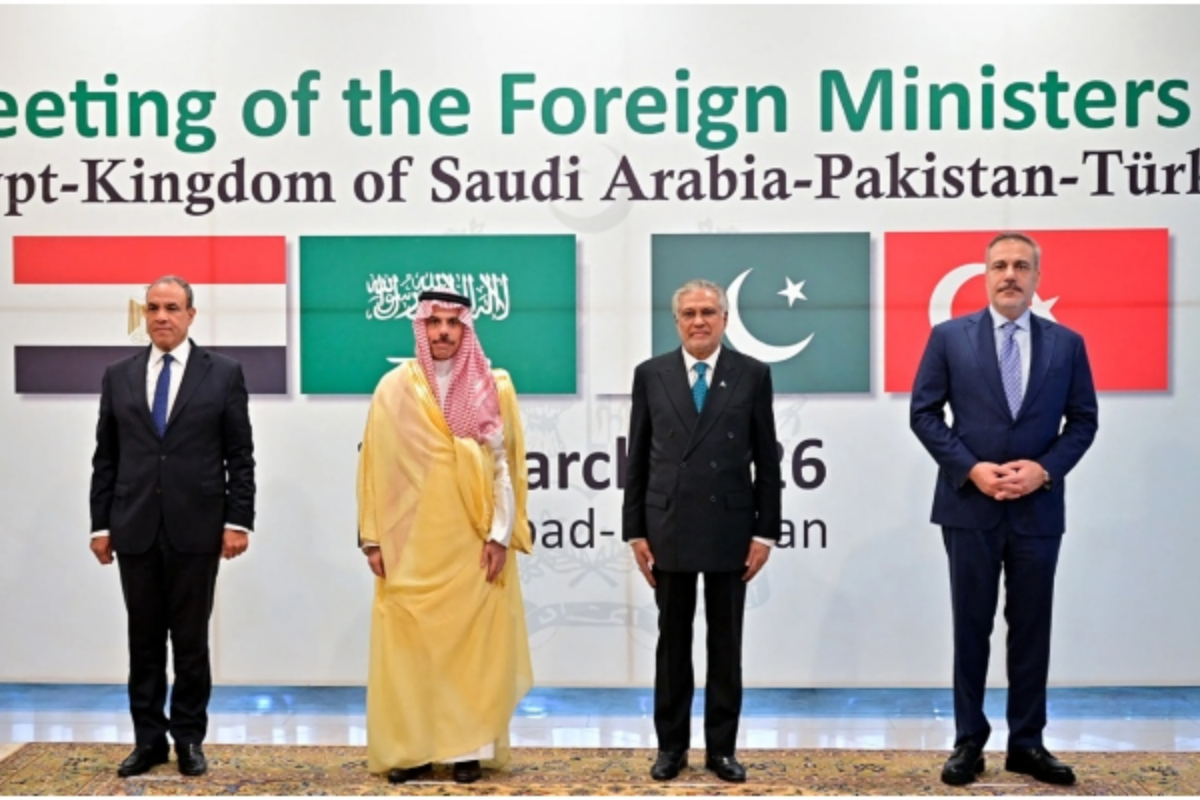
CAIRO: Egypt is seriously considering joining the Makkah mutual defence agreement signed by Pakistan, Saudi Arabia and Turkiye, Egyptian Foreign Minister Badr Abdelatty said.

Abdelatty said Egypt had been aware of the agreement from the outset and that the matter was undergoing a comprehensive review by the country’s relevant state institutions.

Asked about Egypt’s possible participation in the pact, the foreign minister said Cairo maintains deep and special relations with Pakistan, Saudi Arabia and Turkiye that extend beyond the political sphere.

He said Egypt would need to carefully assess the defence commitments associated with the agreement in accordance with the country’s Constitution and legal requirements before making a final decision.

Saudi Arabia, Pakistan and Turkiye signed the mutual defence agreement in Makkah several days ago. Under the pact, an attack against one of the three countries is to be regarded as an attack against all three.