
Gold Rate in Pakistan Today: Why Published Prices Differ
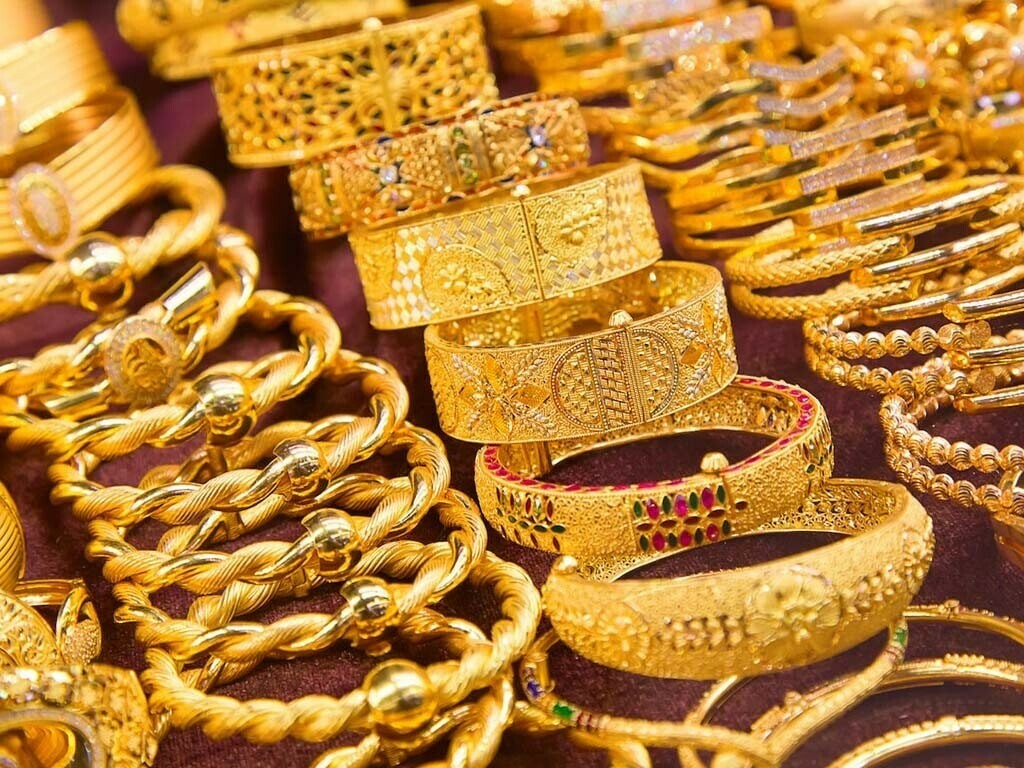
The gold rate in Pakistan is sitting near record territory. On Saturday 15 August 2026, 24-karat gold was quoted at roughly Rs459,900 to Rs464,000 per tola depending on the source, with the international spot price around $4,375–$4,415 per ounce.
That range is not a typo, and understanding why different outlets print different numbers on the same day is the first useful thing to know about buying gold in Pakistan. This explainer covers where the price comes from, why it has risen so far, and what to check before you buy.
Gold rate in Pakistan today: the reference numbers
The recognised domestic benchmark is set by the All Pakistan Sarafa Gems and Jewellers Association (APSGJA), which issues rates during the trading session. Figures reported for 15 August 2026:
| Measure | Reported rate (PKR) |
|---|---|
| 24k, per tola | 459,936 – 463,936 |
| 24k, per 10 grams | 394,320 – 397,750 |
| 22k, per tola | ~425,275 |
| 21k, per tola | ~405,944 |
| Silver, per tola | ~7,111 |
| International spot | $4,375 – $4,415 / ounce |
ARY News reported the 24k tola rate at Rs459,936, down Rs500 on the session, attributing the decline to softer international bullion prices “amid continued geopolitical uncertainty.” Pakistan Observer published Rs463,936 for the same day. Both cite APSGJA.
Why published rates disagree — and which to trust
Three ordinary reasons account for almost all of the variation, and none of them involve anyone being wrong:
- Timing within the session. Gold trades continuously. A rate captured at market open differs from one captured at midday. Outlets publishing at different hours print different numbers from the same association.
- City premiums. Karachi, Lahore, Islamabad, Peshawar and Quetta markets carry small differences driven by local supply, transport and demand.
- Bullion price versus shop price. The APSGJA rate is for the metal. What you pay at a jeweller adds making charges (typically a percentage of value or a per-tola fee) plus applicable tax. On jewellery this gap is routinely 5–20% above the quoted bullion rate.
Practical takeaway: treat any published “gold rate today” figure — including this one — as an indicative benchmark, not a transaction price. Confirm the rate with your jeweller at the moment of purchase.
How the Pakistani price is actually built
The domestic rate is not set independently. It is essentially the international spot price translated into rupees, adjusted for local market conditions. The mechanism has two inputs:
- The dollar price of gold per ounce on international markets.
- The PKR/USD exchange rate.
This is why the local price can rise even on a day when international gold falls: if the rupee weakens by more than gold declines, the rupee price still goes up. It also explains why Pakistani gold prices have set records more frequently than dollar gold prices have — the currency has been doing part of the work.
For context on the currency and rate environment shaping this, see our Pakistan inflation outlook for 2026-27.
Why gold is at record highs in 2026
A spot price above $4,300 an ounce is historically extraordinary. Four forces are driving it.
Geopolitical risk premium
The US–Israel war on Iran, which began in late February 2026, and the effective closure of the Strait of Hormuz to commercial shipping have created sustained safe-haven demand. Gold’s classic function is insurance against exactly this kind of uncertainty, and the premium has not faded because the underlying conflict has not resolved.
Central bank buying
Central banks have been persistent net buyers of gold, diversifying reserves away from concentration in any single currency. This is structural, price-insensitive demand — it does not retreat when prices rise, which removes a natural ceiling.
Real interest rates
Gold pays no yield, so it competes with interest-bearing assets. When inflation-adjusted returns on bonds fall, the opportunity cost of holding gold drops and demand rises. Rate expectations have been the main driver of gold’s shorter-term swings this year.
Currency hedging
In Pakistan specifically, households have long used gold as a store of value against rupee depreciation. That demand is culturally embedded — through wedding purchases in particular — and tends to strengthen precisely when confidence in the currency weakens.
What this means if you are buying
Some practical points, offered as information rather than advice:
- Know your karat. 24k is near-pure and priced highest; 22k and 21k contain more alloy and cost less per tola. Jewellery is rarely 24k because pure gold is too soft.
- Ask for the breakdown. Request the bullion rate, the making charge and the tax separately. A jeweller who will not itemise is worth questioning.
- Check hallmarking. Verify purity certification rather than relying on the seller’s description.
- Understand the resale gap. Making charges are generally not recoverable on resale. If you are buying primarily as a store of value rather than to wear, coins and bars carry lower spreads than jewellery.
- Volatility runs both ways. This site has reported single-day moves of over Rs10,000 and Rs24,300 per tola in 2026, in both directions. Record highs are not a guarantee of further gains.
FutureSoch is not a financial adviser. Nothing here is a recommendation to buy or sell gold. Consider your own circumstances and, where appropriate, take professional advice.
Frequently asked questions
What is one tola in grams?
One tola equals 11.664 grams. This is why the per-tola figure is always higher than the per-10-gram figure — and a useful cross-check if a quoted rate looks wrong.
Who sets the official gold rate in Pakistan?
The All Pakistan Sarafa Gems and Jewellers Association issues the reference rates that media outlets report. It is an industry body, not a government regulator.
Why is the price in my city different?
Local supply and demand, transport costs and individual jeweller margins all vary. City-level differences of a few thousand rupees per tola are normal.
Can gold prices fall from here?
Yes. Gold fell more than Rs10,000 per tola in June 2026 and dropped Rs24,300 before Eid in March 2026. If the Hormuz situation de-escalates, the geopolitical premium currently supporting prices could unwind quickly.
Rates as reported by the All Pakistan Sarafa Gems and Jewellers Association via ARY News and Pakistan Observer for 15 August 2026. Where sources differ, both figures are shown rather than one being selected. Gold prices change continuously — verify before transacting. Last updated 15 August 2026.
Related: Pakistan Inflation Outlook 2026-27 · More Business & Finance
Related reading: Strait of Hormuz and Pakistani fuel prices · Makkah Defence Pact explained · Europe’s heatwave power crunch