
Pakistan Inflation Outlook 2026-27: What It Means for Rates, Rupee and Households
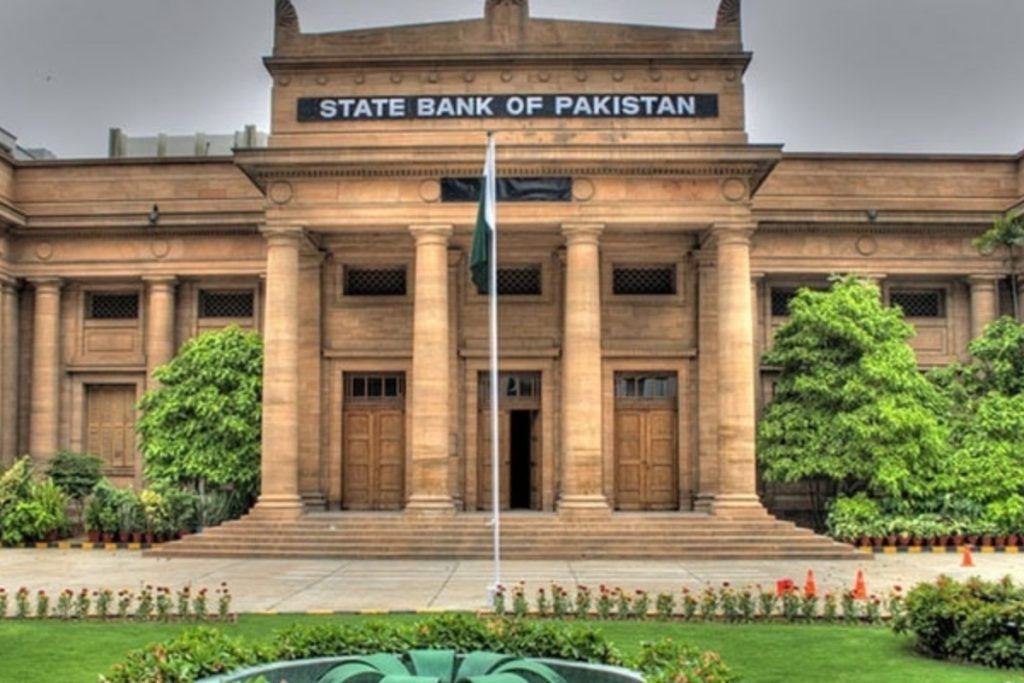
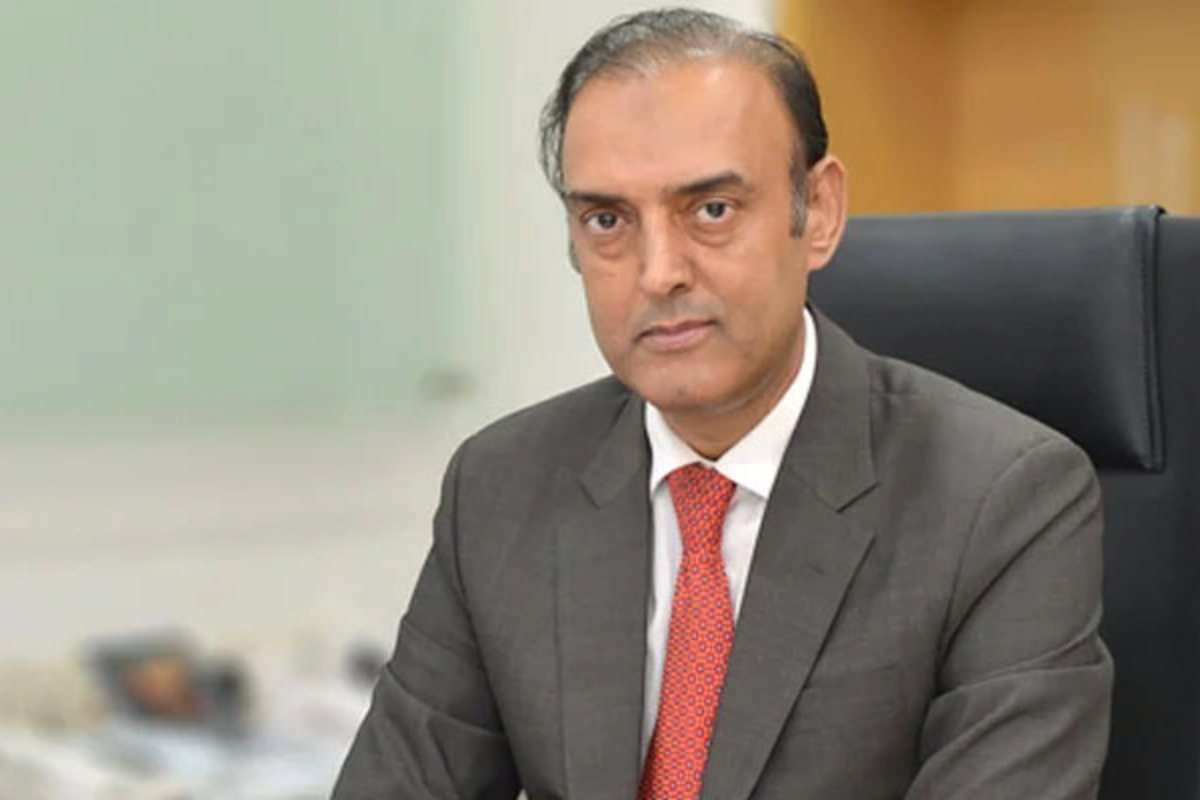
Pakistan’s inflation rate has eased from earlier crisis levels, but the State Bank of Pakistan is warning that price pressures can rise again. For households and businesses, the key question is not whether one monthly number moves up or down. It is whether food, energy, taxes, the rupee and global commodity prices allow inflation to settle sustainably during FY2026-27.
Pakistan inflation outlook: the quick answer
SBP expects growth to improve but has signalled that inflation could move toward the upper end of its target range later in FY27. That means policy rates may decline only when the central bank is confident that the improvement is durable. A sharp rise in oil prices, administered energy tariffs, food shortages or rupee weakness could slow or reverse rate cuts.
Why inflation can rise after it appears under control
- Base effects: year-on-year inflation can look low when compared with an unusually expensive month a year earlier, then rise as that comparison changes.
- Energy prices: fuel, electricity and gas affect transport, manufacturing, agriculture and household bills.
- Food supply: floods, heat, crop damage, storage problems and transport disruptions can push up essential prices quickly.
- Exchange rate: a weaker rupee makes imported fuel, machinery, medicines and raw materials more expensive.
- Taxes and administered prices: budget measures can lift prices even when private demand remains moderate.
What inflation means for interest rates
The policy rate influences the cost of borrowing across the economy. When SBP fears persistent inflation, it keeps rates higher to limit excess demand and support financial stability. When inflation expectations are anchored and external buffers are stronger, it has more room to reduce rates.
For consumers, lower rates can gradually reduce the cost of some loans. For businesses, they can make working capital and investment more affordable. The effect is not immediate, and banks price each borrower according to risk, collateral and market conditions.
Will the rupee strengthen?
The rupee depends on more than inflation. Export receipts, remittances, import demand, debt repayments, foreign investment and central-bank reserves all matter. A stable currency can reduce imported inflation, but an artificially fixed rate can create shortages and delayed adjustment. The healthier path is a credible market with adequate reserves and sustainable external financing.
What households should watch each month
- Pakistan Bureau of Statistics consumer-price and weekly SPI releases.
- Electricity fuel adjustments and quarterly tariff decisions.
- Petrol and diesel price notifications.
- Rupee-dollar movement and SBP reserve data.
- Wheat, flour, vegetable, milk and transport prices in the local market.
How small businesses can prepare
Update cash-flow forecasts under more than one inflation and exchange-rate scenario. Negotiate shorter supplier-price validity periods, avoid excessive short-term debt and separate essential inventory from speculative stock. Where possible, improve energy efficiency and reduce imported inputs without compromising quality.
The bottom line
Pakistan has made progress toward macroeconomic stability, but inflation has not disappeared as a risk. The next phase will depend on disciplined fiscal policy, credible monetary policy, energy reform, food-supply resilience and export growth. Households should focus on the prices they actually pay, while investors should distinguish a temporary monthly change from a lasting shift in the trend.