
BREAKING NEWS
Advertise with us >

Pakistan Inflation Outlook 2026-27: What It Means for Rates, Rupee and Households

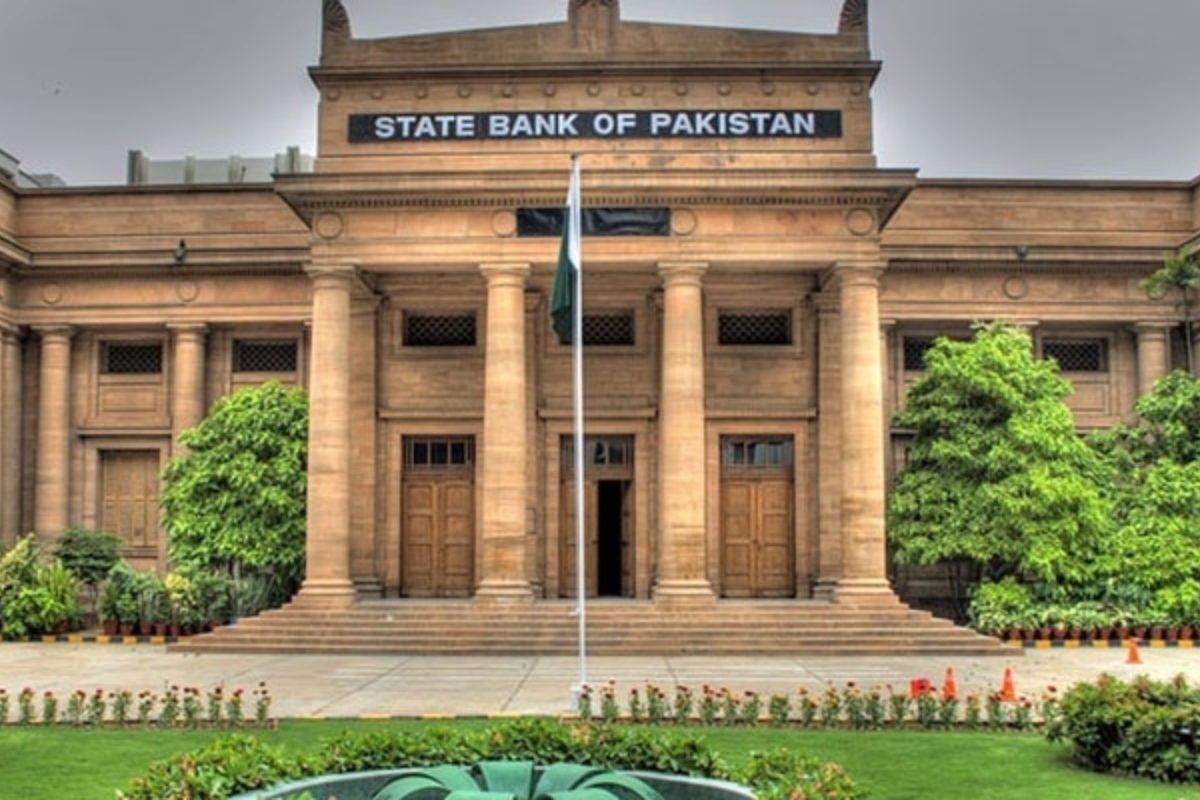
SBP keeps
Pakistan inflation outlook and household prices in 2026
Pakistan’s inflation outlook will shape interest rates, household budgets, business costs and the rupee during FY2026-27.

Pakistan’s inflation rate has eased from earlier crisis levels, but the State Bank of Pakistan is warning that price pressures can rise again. For households and businesses, the key question is not whether one monthly number moves up or down. It is whether food, energy, taxes, the rupee and global commodity prices allow inflation to settle sustainably during FY2026-27.

Pakistan inflation outlook: the quick answer

SBP expects growth to improve but has signalled that inflation could move toward the upper end of its target range later in FY27. That means policy rates may decline only when the central bank is confident that the improvement is durable. A sharp rise in oil prices, administered energy tariffs, food shortages or rupee weakness could slow or reverse rate cuts.

Why inflation can rise after it appears under control

  • Base effects: year-on-year inflation can look low when compared with an unusually expensive month a year earlier, then rise as that comparison changes.
  • Energy prices: fuel, electricity and gas affect transport, manufacturing, agriculture and household bills.
  • Food supply: floods, heat, crop damage, storage problems and transport disruptions can push up essential prices quickly.
  • Exchange rate: a weaker rupee makes imported fuel, machinery, medicines and raw materials more expensive.
  • Taxes and administered prices: budget measures can lift prices even when private demand remains moderate.

What inflation means for interest rates

The policy rate influences the cost of borrowing across the economy. When SBP fears persistent inflation, it keeps rates higher to limit excess demand and support financial stability. When inflation expectations are anchored and external buffers are stronger, it has more room to reduce rates.

For consumers, lower rates can gradually reduce the cost of some loans. For businesses, they can make working capital and investment more affordable. The effect is not immediate, and banks price each borrower according to risk, collateral and market conditions.

Will the rupee strengthen?

The rupee depends on more than inflation. Export receipts, remittances, import demand, debt repayments, foreign investment and central-bank reserves all matter. A stable currency can reduce imported inflation, but an artificially fixed rate can create shortages and delayed adjustment. The healthier path is a credible market with adequate reserves and sustainable external financing.

What households should watch each month

  1. Pakistan Bureau of Statistics consumer-price and weekly SPI releases.
  2. Electricity fuel adjustments and quarterly tariff decisions.
  3. Petrol and diesel price notifications.
  4. Rupee-dollar movement and SBP reserve data.
  5. Wheat, flour, vegetable, milk and transport prices in the local market.

How small businesses can prepare

Update cash-flow forecasts under more than one inflation and exchange-rate scenario. Negotiate shorter supplier-price validity periods, avoid excessive short-term debt and separate essential inventory from speculative stock. Where possible, improve energy efficiency and reduce imported inputs without compromising quality.

The bottom line

Pakistan has made progress toward macroeconomic stability, but inflation has not disappeared as a risk. The next phase will depend on disciplined fiscal policy, credible monetary policy, energy reform, food-supply resilience and export growth. Households should focus on the prices they actually pay, while investors should distinguish a temporary monthly change from a lasting shift in the trend.
Official data sources

AJK Election 2026 Explained: Results, Phases and Development Priorities

AJK polls
AJK election 2026 voting and political developments
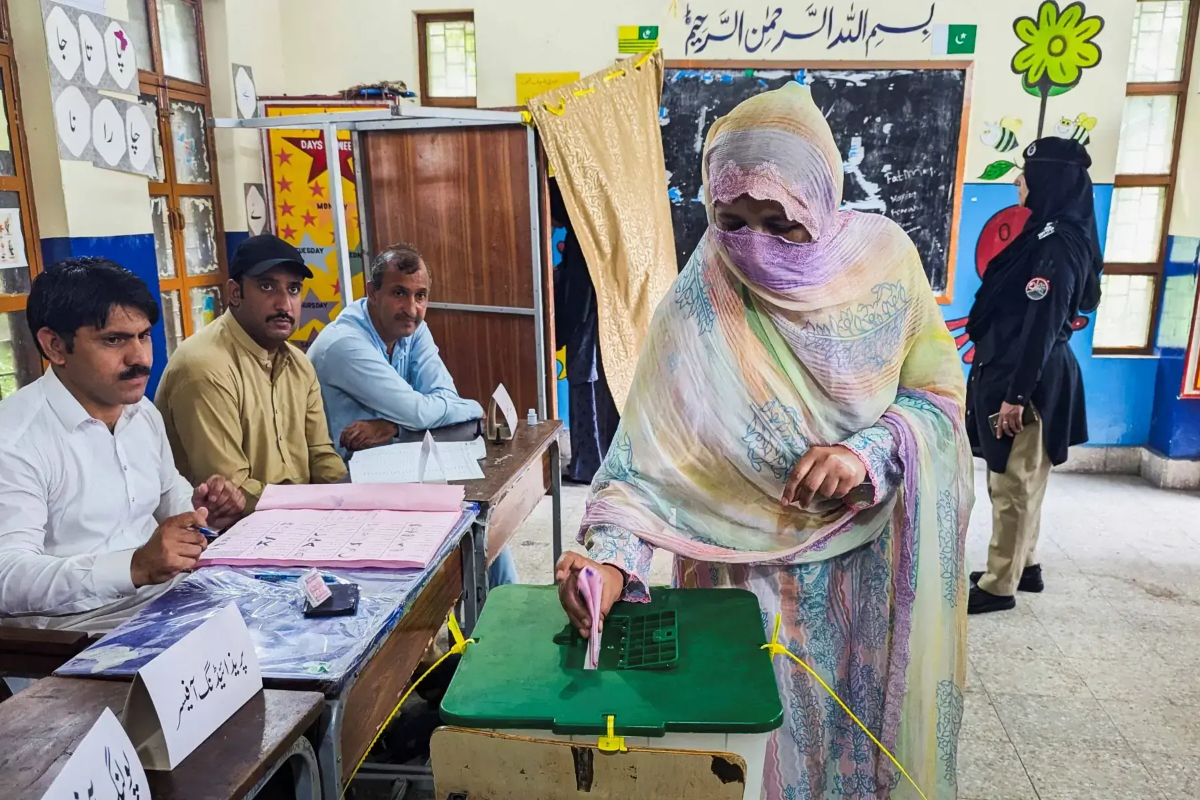
The 2026 Azad Jammu and Kashmir election was organised in phases across Mirpur, Muzaffarabad, refugee constituencies and Poonch.

The AJK election 2026 is an important democratic exercise for Azad Jammu and Kashmir and a major test of public confidence in representative institutions. Voting was organised in phases, while some constituency outcomes remained subject to official confirmation, complaints or re-polling. This explainer focuses on verified developments, the formal election process and the development priorities that matter to voters.

Editorial note: Future Soch does not treat party statements, anonymous social-media posts or unverified videos as established fact. Election figures should be checked against the latest notification of the Azad Jammu and Kashmir Election Commission.

How was the AJK election 2026 organised?

The election was conducted in phases covering Mirpur Division, Muzaffarabad Division, constituencies for Kashmiri refugees living elsewhere in Pakistan, and Poonch Division. The phased schedule allowed the election authorities and local administration to manage polling staff, transport and security arrangements across a wide geographic area.

Official and state news reports said the first phase in Mirpur Division produced a lead for Pakistan Muslim League-Nawaz, while Pakistan Peoples Party also won seats. Later phases covered the remaining constituencies. Where a result is challenged or polling is incomplete, the Election Commission’s final notification—not a television ticker or viral post—remains the authoritative record.

What do the early results show?

According to Associated Press of Pakistan reporting on the first phase, PML-N won nine of the 13 Mirpur Division seats and PPP won four. The federal Press Information Department later reported PML-N victories in three refugee constituencies in Rawalpindi. These are verified phase-specific developments; a consolidated final seat tally should only be stated after the Election Commission completes notifications and any required re-polling.

Why election complaints require careful reporting

Political parties may file complaints about polling arrangements, access or results. Such complaints are newsworthy when they are documented, but they must be described as allegations until the Election Commission or a competent court makes a finding. Responsible reporting should identify who made a claim, include the response of the relevant authority and avoid presenting disputed material as proven fact.

Five development priorities for the next government

  • Affordable and reliable electricity: households and businesses need transparent tariffs, fewer disruptions and clear information about subsidies.
  • Youth jobs and skills: digital work, tourism, small business and technical training can expand opportunities for young people.
  • Roads and public transport: safer links between districts can improve trade, education, healthcare access and tourism.
  • Health and education: better-equipped hospitals, schools and universities can reduce pressure on families who travel long distances for essential services.
  • Disaster resilience: landslide, flood and earthquake planning should be built into roads, housing and public infrastructure.

What should happen next?

  1. The Election Commission should complete any pending polling or re-polling and issue constituency-level notifications.
  2. Turnout and result data should be published in a format that voters, candidates and journalists can review.
  3. Documented complaints should move through the legal election-dispute process with timely decisions.
  4. The incoming administration should publish a measurable development plan for jobs, power, health, education and infrastructure.
  5. Political parties should support peaceful participation and respect final decisions made through lawful institutions.

How readers can verify AJK election news

Check the publication date, the constituency number and whether a result is official, unofficial or provisional. Compare party claims with Election Commission notices and credible Pakistani news organisations. Old footage and images from unrelated events should never be reused as proof of a current claim.

The bottom line

The AJK election 2026 should be judged through transparent results, lawful complaint handling and the quality of governance that follows. The most constructive focus is whether elected representatives can strengthen democratic participation, deliver development and improve everyday life across Azad Jammu and Kashmir.

Official and primary sources

Why Electricity Bills Stay High in Pakistan: Capacity Payments Explained

Electricity prices
Electricity prices and power bills in Pakistan
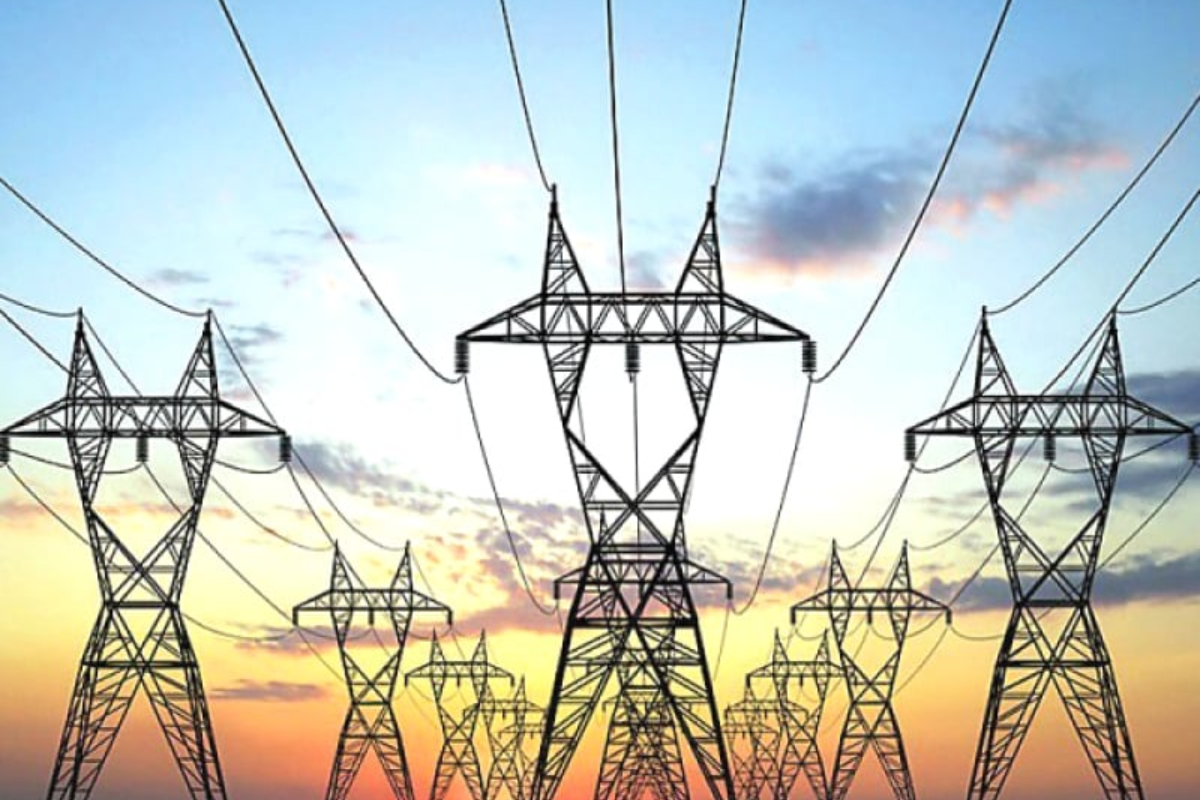
Pakistan’s electricity tariff reflects energy costs, fixed capacity obligations, network expenses, taxes and periodic adjustments.

Pakistan’s electricity bill is not simply the price of the units a household consumes. It is the final result of several layers: the cost of producing energy, fixed payments to keep power plants available, transmission and distribution expenses, taxes, surcharges and periodic tariff adjustments. That is why a fall in fuel prices or lower electricity use does not always produce an equally large reduction in the monthly bill.

This Future Soch explainer separates those components and explains one of the most misunderstood terms in Pakistan’s power debate: capacity payments. It uses official material from the Ministry of Energy, NEPRA-linked tariff documents, the Finance Division and published circular-debt reports. Tariffs and adjustment amounts change over time, so readers should check their own bill and the latest regulator notifications for current rates.

First, what does an electricity bill pay for?

The Ministry of Energy’s consumer guidance says the basic energy charge begins with the number of kilowatt-hours used during the billing period multiplied by the applicable tariff. The final amount can also include taxes, fuel-price adjustments, quarterly tariff adjustments, financing charges and other approved items.

  • Energy charge: the variable cost associated with electricity consumed.
  • Capacity charge: fixed obligations connected to power plants being available to supply the system.
  • Network cost: transmission, distribution, metering and system-operation expenses.
  • Adjustments: changes linked to fuel costs, exchange rates, interest rates and earlier tariff calculations.
  • Taxes and surcharges: government levies and sector-financing charges shown on the bill.

What are capacity payments?

A power plant has costs even when it is not producing every minute. Investors must service debt, maintain equipment, employ technical staff, insure the facility and earn the return allowed under its contract. Capacity payments compensate eligible generators for keeping contracted capacity available to the national grid, subject to the relevant agreement and performance rules.

The simple distinction is this: an energy payment is linked to electricity actually generated, while a capacity payment is mainly linked to the ability to generate when the system calls for power. The exact formula varies by plant and tariff determination.

Capacity payments are not a separate line invented for a single household. They are part of the overall cost used to determine how much the power system must recover.

Why can bills stay high when demand is low?

Fixed costs do not disappear when national electricity demand falls. If the system has contracted more capacity than it regularly uses, those obligations are spread across fewer sold units. The fixed cost per unit can therefore rise. Seasonal demand makes the problem harder: Pakistan needs enough capacity for hot summer peaks, but demand falls sharply in cooler months.

High borrowing costs and a weaker rupee can also increase components that are indexed to interest rates or foreign currency. Fuel prices affect variable costs, but they are only one part of the total. Transmission constraints may prevent cheaper plants from supplying some areas, while distribution losses and weak bill recovery create additional financial pressure.

Where circular debt fits in

Circular debt is the accumulation of unpaid obligations across the power chain. When consumers or public bodies do not pay, distribution companies miss recovery targets, tariffs do not recover approved costs on time, or technical and commercial losses exceed allowed levels, the shortfall moves upstream. Generators, fuel suppliers and lenders then wait for payment.

The Finance Division’s published programme material put the stock of power-sector circular debt at about Rs2.53 trillion by February 2025. The Power Division continues to publish periodic circular-debt reports, including reports for 2026. The figure should not be confused with one year’s capacity payments: circular debt is a stock of accumulated unpaid obligations, while capacity payments are contracted power-purchase costs.

Do solar panels make the problem worse?

Rooftop solar reduces grid purchases for participating consumers and can cut fuel use during daylight hours. But if fixed system costs remain unchanged while more paying consumers buy fewer grid units, regulators must decide how those costs are shared. This is why net-metering rules, grid charges and buyback rates are debated so intensely.

The right conclusion is not that solar is the enemy. Pakistan needs cheaper local energy and cleaner generation. The policy challenge is to add solar without shifting an unfair share of network and legacy costs to households that cannot afford panels.

What reforms can reduce the burden?

  1. Renegotiate or retire expensive obligations carefully. The Power Division says cancellation of 9,500 MW of unnecessary projects contributed estimated relief of about Rs1 per unit.
  2. Sell more power productively. Higher industrial and commercial use can spread fixed costs across more units if it creates real output and does not require new subsidies.
  3. Improve transmission. New lines and better system planning can allow lower-cost generation to reach demand centres.
  4. Reduce theft and collection losses. Digital metering, feeder-level accountability and governance reform matter as much as headline tariff cuts.
  5. Target subsidies. Support should reach vulnerable households directly instead of making every unit artificially cheap for all consumers.
  6. Make contracts and tariff data easier to understand. Public, machine-readable disclosure would improve accountability and reduce misinformation.

What consumers should check on their bill

Compare current and previous meter readings, confirm the billing period, review the tariff category and look for fuel or quarterly adjustments. A sudden jump can come from higher consumption, a longer billing cycle, a change in protected-consumer status, an adjustment or an incorrect reading. Complaints should be filed through the relevant distribution company’s official channel, with photographs of the meter and bill retained as evidence.

The bottom line

Pakistan’s expensive electricity is not caused by a single contract or tax. It reflects a system that carries large fixed obligations, uneven demand, costly financing, network constraints, losses and accumulated arrears. Capacity payments are an important part of the equation, but solving the problem requires better planning, stronger distribution companies, transparent regulation and productive use of available power.

Future Soch view: the debate should move from slogans about one bill component to a public scorecard that shows fixed costs, energy costs, losses, recoveries and reform savings every month.

Official sources