
AJK Election 2026 Explained: Results, Phases and Development Priorities
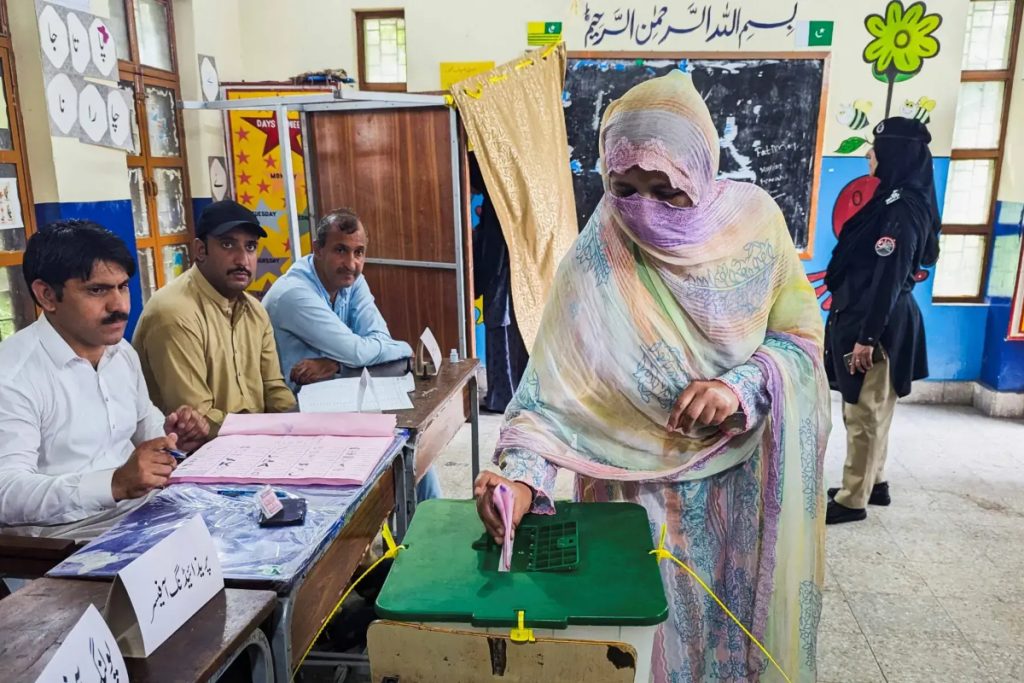
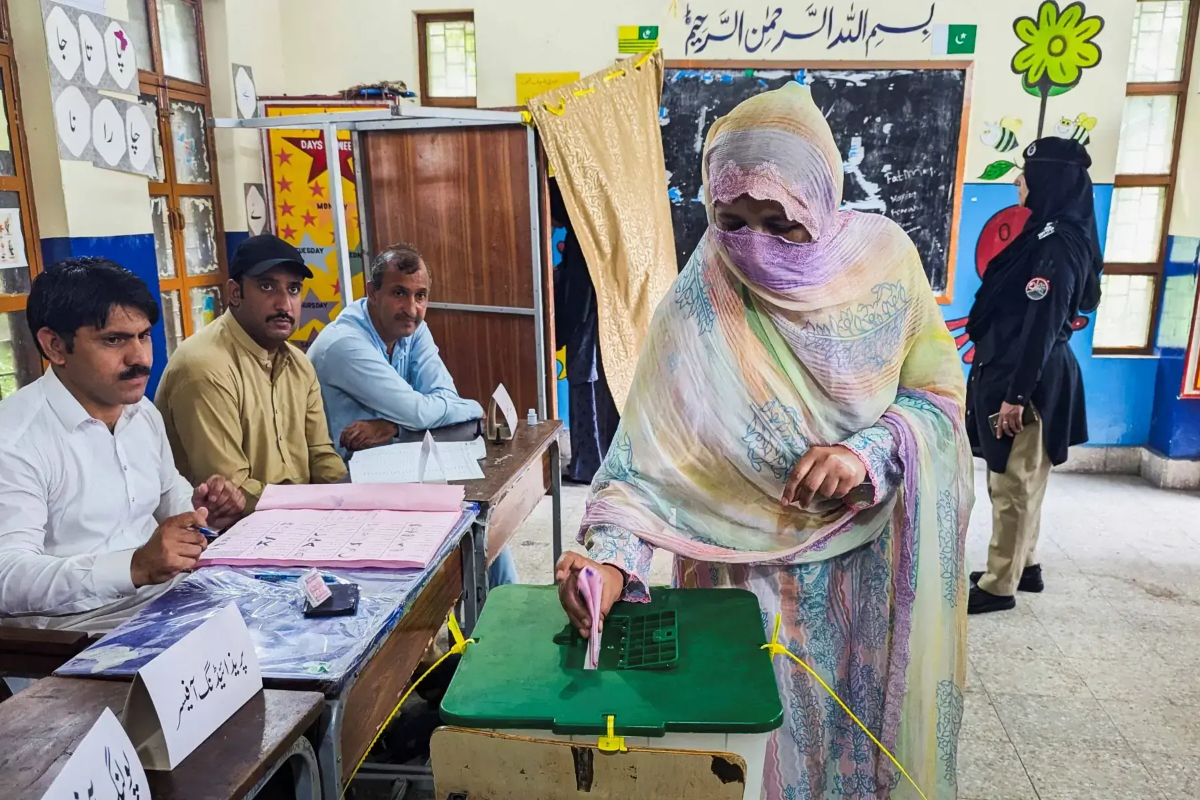
The AJK election 2026 is an important democratic exercise for Azad Jammu and Kashmir and a major test of public confidence in representative institutions. Voting was organised in phases, while some constituency outcomes remained subject to official confirmation, complaints or re-polling. This explainer focuses on verified developments, the formal election process and the development priorities that matter to voters.
Editorial note: Future Soch does not treat party statements, anonymous social-media posts or unverified videos as established fact. Election figures should be checked against the latest notification of the Azad Jammu and Kashmir Election Commission.
How was the AJK election 2026 organised?
The election was conducted in phases covering Mirpur Division, Muzaffarabad Division, constituencies for Kashmiri refugees living elsewhere in Pakistan, and Poonch Division. The phased schedule allowed the election authorities and local administration to manage polling staff, transport and security arrangements across a wide geographic area.
Official and state news reports said the first phase in Mirpur Division produced a lead for Pakistan Muslim League-Nawaz, while Pakistan Peoples Party also won seats. Later phases covered the remaining constituencies. Where a result is challenged or polling is incomplete, the Election Commission’s final notification—not a television ticker or viral post—remains the authoritative record.
What do the early results show?
According to Associated Press of Pakistan reporting on the first phase, PML-N won nine of the 13 Mirpur Division seats and PPP won four. The federal Press Information Department later reported PML-N victories in three refugee constituencies in Rawalpindi. These are verified phase-specific developments; a consolidated final seat tally should only be stated after the Election Commission completes notifications and any required re-polling.
Why election complaints require careful reporting
Political parties may file complaints about polling arrangements, access or results. Such complaints are newsworthy when they are documented, but they must be described as allegations until the Election Commission or a competent court makes a finding. Responsible reporting should identify who made a claim, include the response of the relevant authority and avoid presenting disputed material as proven fact.
Five development priorities for the next government
- Affordable and reliable electricity: households and businesses need transparent tariffs, fewer disruptions and clear information about subsidies.
- Youth jobs and skills: digital work, tourism, small business and technical training can expand opportunities for young people.
- Roads and public transport: safer links between districts can improve trade, education, healthcare access and tourism.
- Health and education: better-equipped hospitals, schools and universities can reduce pressure on families who travel long distances for essential services.
- Disaster resilience: landslide, flood and earthquake planning should be built into roads, housing and public infrastructure.
What should happen next?
- The Election Commission should complete any pending polling or re-polling and issue constituency-level notifications.
- Turnout and result data should be published in a format that voters, candidates and journalists can review.
- Documented complaints should move through the legal election-dispute process with timely decisions.
- The incoming administration should publish a measurable development plan for jobs, power, health, education and infrastructure.
- Political parties should support peaceful participation and respect final decisions made through lawful institutions.
How readers can verify AJK election news
Check the publication date, the constituency number and whether a result is official, unofficial or provisional. Compare party claims with Election Commission notices and credible Pakistani news organisations. Old footage and images from unrelated events should never be reused as proof of a current claim.
The bottom line
The AJK election 2026 should be judged through transparent results, lawful complaint handling and the quality of governance that follows. The most constructive focus is whether elected representatives can strengthen democratic participation, deliver development and improve everyday life across Azad Jammu and Kashmir.