BREAKING NEWS
Advertise with us >

Makkah Defence Pact Explained: What Pakistan, Saudi Arabia and Turkiye Agreed

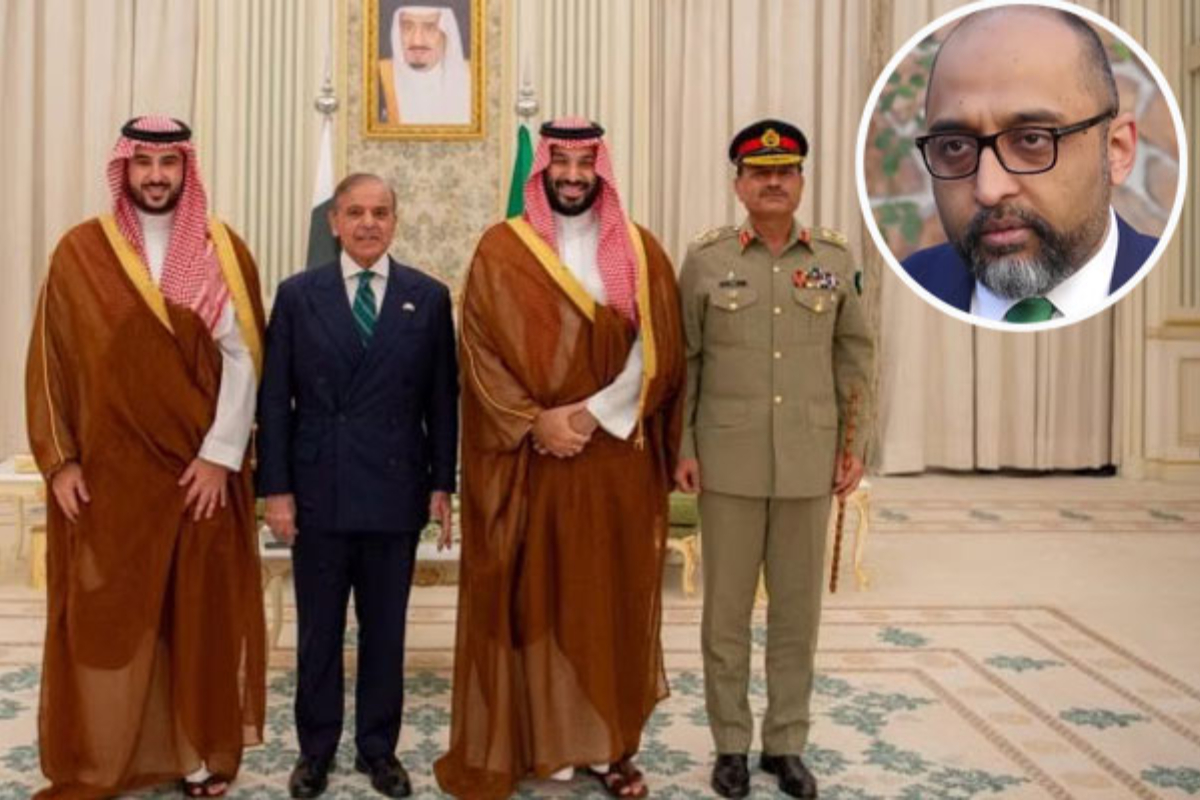
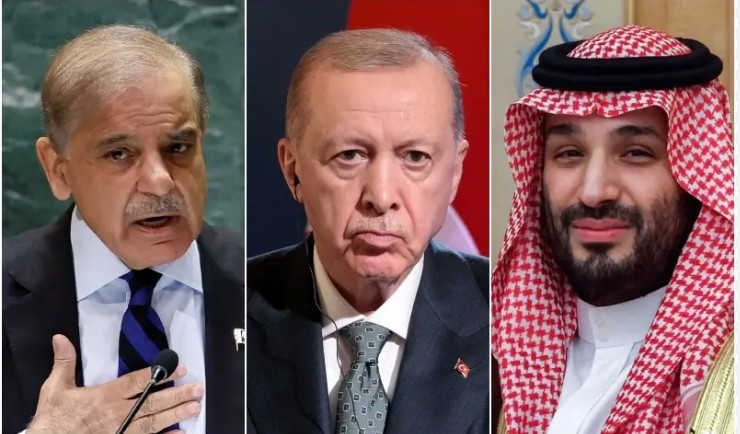
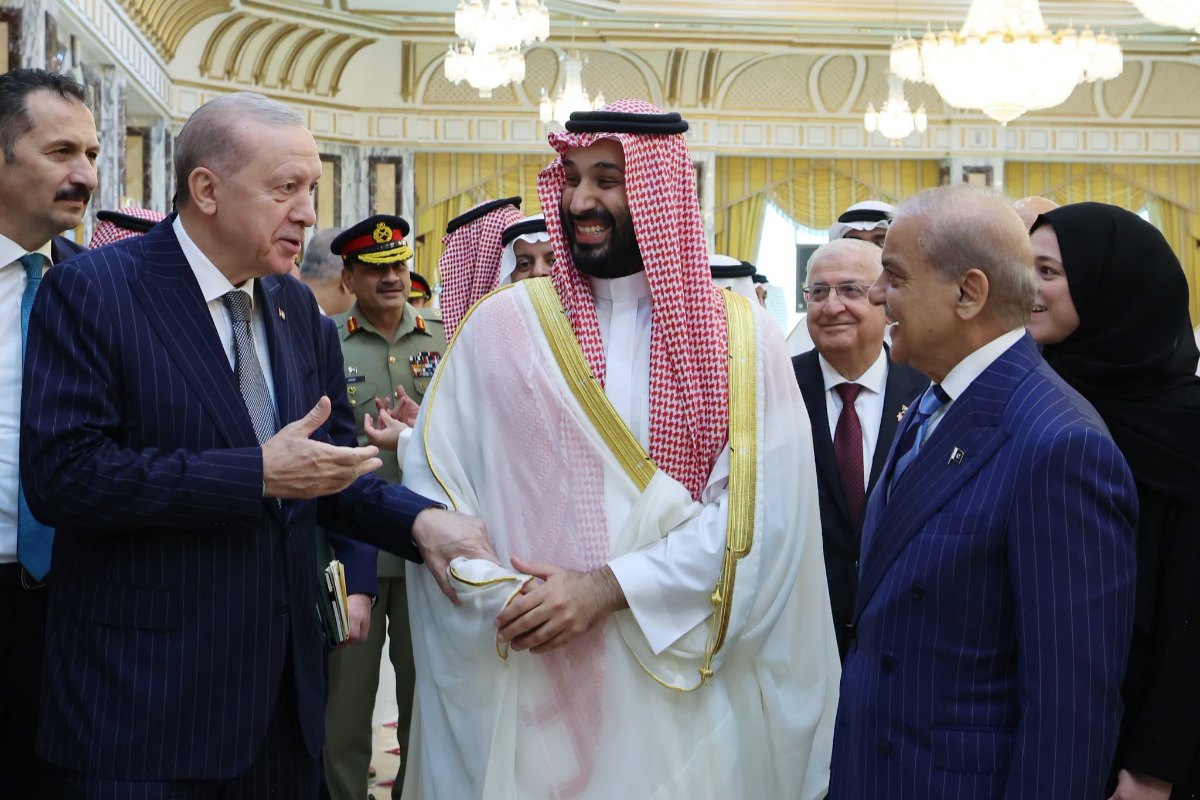
Pakistan PM Shehbaz Sharif, Turkish President Erdogan and Saudi Crown Prince Mohammed bin Salman - Makkah Defence Pact signatories

The Makkah Defence Pact is the trilateral security agreement that Pakistan, Saudi Arabia and Turkiye signed in Makkah on Friday, 7 August 2026. Its central promise is short and unusually explicit for this region: an armed attack on any one of the three will be treated as an attack on all three.

That single clause has generated more commentary than almost any other diplomatic development of the year, much of it speculative. This explainer sets out what has actually been confirmed, what remains unpublished, and what the agreement realistically changes for Pakistan.

Who signed the Makkah Defence Pact, and when

The agreement was signed in Makkah on 7 August 2026 by three heads of government: Pakistan’s Prime Minister Shehbaz Sharif, Saudi Crown Prince Mohammed bin Salman, and Turkish President Recep Tayyip Erdogan.

Pakistan’s Ministry of Foreign Affairs described the pact as reflecting “the three states’ shared commitment to further strengthening their collective security and to promoting peace, security, and stability in the region.” A Turkish official told Reuters the agreement “is defensive in nature and not directed at any specific actor” and said it remains open to other regional countries.

What the agreement reportedly covers

The full text has not been published. Based on official statements and analyst briefings, the framework is understood to cover four areas:

  • Collective deterrence — the mutual-defence clause treating an attack on one as an attack on all.
  • Military and defence-industrial coordination — joint production, procurement and logistics.
  • Intelligence sharing and capacity building in Saudi defence capabilities.
  • Energy and manufacturing cooperation, sitting alongside the security provisions.

The important caveat: because the text is unpublished, the exact triggers, escalation procedures and any carve-outs are not publicly verifiable. Readers should be cautious about confident claims — in either direction — about what the pact obliges its members to do in a specific scenario.

How this builds on the 2025 Pakistan–Saudi agreement

The Makkah pact did not appear from nowhere. It extends the Strategic Mutual Defence Agreement (SMDA) that Saudi Arabia and Pakistan signed in Riyadh on 17 September 2025, which stated that “any aggression against either country shall be considered an aggression against both.”

That bilateral agreement was significant in its own right: it was the first military alliance between an Arab Gulf state and a nuclear-armed power. Reuters, citing anonymous Pakistani sources, reported provisions allowing the deployment of up to 80,000 Pakistani troops to Saudi Arabia. The Belfer Center assessed it more cautiously as “primarily a political signal of solidarity” rather than an unconditional war guarantee.

Turkiye had sought to join that bilateral framework in January 2026, but officials confirmed by 31 January that the SMDA would remain a Saudi–Pakistan arrangement. The Makkah pact is therefore a new trilateral instrument rather than an expansion of the older one.

Why now: the regional context

Negotiations on closer Gulf–Pakistan–Turkiye security cooperation began after October 2023 and accelerated sharply during 2026. The immediate backdrop includes the US–Israel war against Iran that began in late February 2026, Iranian strikes on Gulf states, and the effective closure of the Strait of Hormuz to commercial shipping.

The SMDA has already been tested in that environment. During the 2026 Iran war, Saudi Arabia invoked the agreement and Pakistan deployed at least 8,000 troops, 16 aircraft and two drone squadrons — moving the arrangement from paper commitment to operational reality.

We have covered the economic side of that same crisis in detail in our reporting on oil prices and ceasefire prospects.

The reactions that matter

Iran: No formal government statement followed the Makkah signing. Iranian MP Ebrahim Rezaei dismissed it publicly, posting that “a paper agreement…will not bring them security.” Notably, when the earlier bilateral SMDA was signed in 2025, President Masoud Pezeshkian had welcomed it as the beginning of a “comprehensive regional security system” — a markedly warmer response than the 2026 reaction.

India: New Delhi said it was “carefully monitoring” developments following the 2025 agreement. Analysts have argued the arrangement alters India’s regional security calculus, though official Indian commentary has remained measured.

Others: The pact’s stated openness to new members has already drawn interest. Egypt is reported to be considering joining, and President Erdogan has said the pact is open to peace-seeking countries in the region.

The nuclear question

This is where speculation has run furthest ahead of evidence. After the 2025 SMDA, Pakistan’s Defence Minister Khawaja Asif appeared to hint at a nuclear dimension before walking the comment back. A Saudi official said the pact “encompasses all military means” without explicitly confirming nuclear coverage.

No signatory has confirmed any nuclear-sharing provision in either agreement. Pakistan’s declared position on command and control of its strategic assets has not changed. Claims that the Makkah pact extends a nuclear umbrella to Saudi Arabia or Turkiye are, at present, inference rather than established fact.

What it means for Pakistan

Three practical implications stand out.

Diplomatic weight. Pakistan is now a named security guarantor alongside the region’s largest economy and NATO’s second-largest army. That is a meaningful upgrade in standing.

Economic linkage. The energy and manufacturing provisions matter for a country whose external accounts depend heavily on Gulf remittances and investment. Saudi Arabia and the UAE remain the two largest destinations for Pakistani workers — a relationship we examine in our coverage of Gulf employment and migration.

Commitment risk. A mutual-defence clause runs in both directions. The 2026 deployment under the SMDA showed that invocation is not hypothetical, and any future call carries fiscal and military cost for Pakistan.

Frequently asked questions

Is the Makkah Defence Pact the same as NATO’s Article 5?

It is similar in language but not in machinery. NATO’s Article 5 sits inside a decades-old alliance with an integrated command structure, standing forces and detailed planning. The Makkah Defence Pact has the mutual-defence principle without that institutional apparatus — and its text is not public.

Can other countries join?

Yes. Turkish officials have described it as open to other regional states, and Erdogan has repeated that publicly. Egypt has been reported as considering membership.

Has the pact been used yet?

The trilateral Makkah Defence Pact has not been invoked. The earlier bilateral Saudi–Pakistan SMDA was invoked by Saudi Arabia during the 2026 Iran war, leading to a Pakistani deployment.

Does it include a nuclear guarantee?

No signatory has confirmed one. Statements have been deliberately ambiguous, and no published provision establishes nuclear sharing.


Reporting compiled from official statements by Pakistan’s Ministry of Foreign Affairs, Reuters, Al Jazeera, the Atlantic Council, Brookings and the Belfer Center. Where the agreement’s text is unpublished, this article says so rather than filling the gap. Last updated 15 August 2026.

Related coverage: Saudi Arabia, Pakistan and Turkiye sign Makkah Defence Pact · Ishaq Dar briefs Iran leadership on the agreement · Zardari and Shehbaz discuss the pact · Bilawal calls the pact a guarantee for three nations

Related reading: Strait of Hormuz and Pakistani fuel prices · Gulf jobs for Pakistanis 2026 · Gold rate in Pakistan today
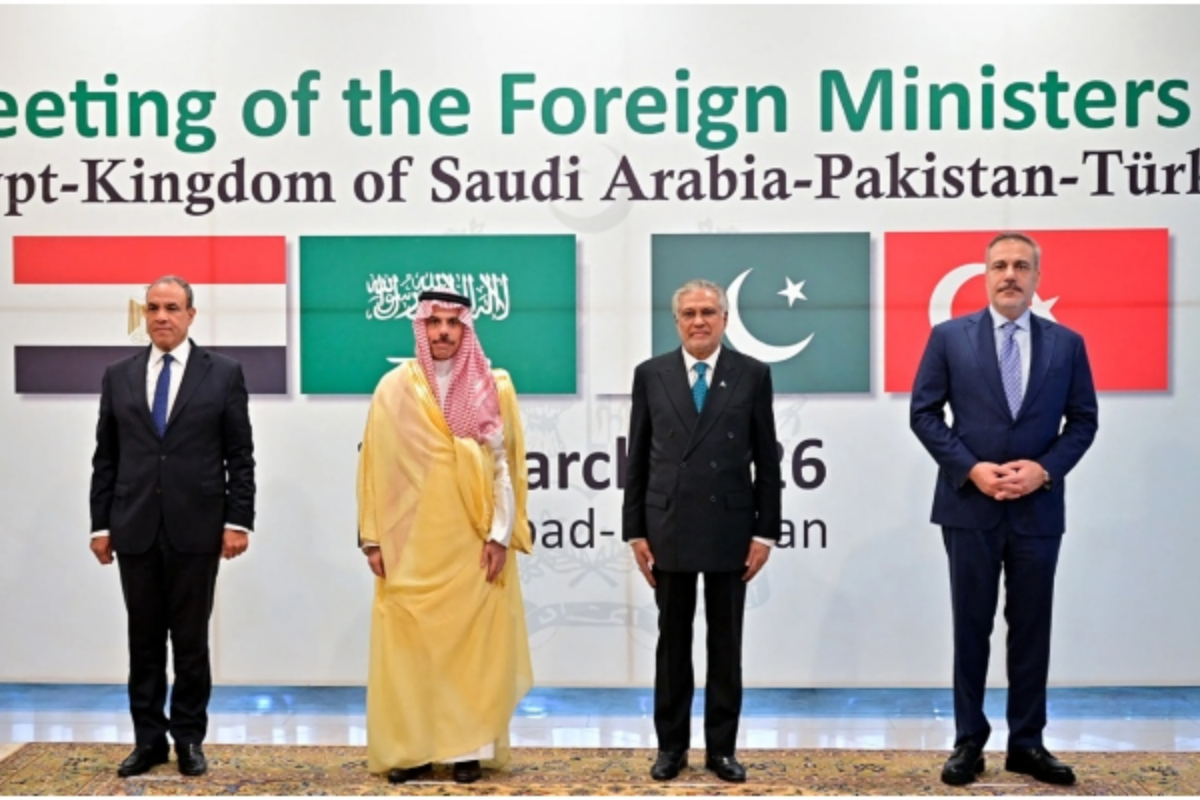
Egypt considers joining Pakistan-Saudi Arabia-Turkiye Defence Pact

Egypt considers

CAIRO: Egypt is seriously considering joining the Makkah mutual defence agreement signed by Pakistan, Saudi Arabia and Turkiye, Egyptian Foreign Minister Badr Abdelatty said.

Abdelatty said Egypt had been aware of the agreement from the outset and that the matter was undergoing a comprehensive review by the country’s relevant state institutions.

Asked about Egypt’s possible participation in the pact, the foreign minister said Cairo maintains deep and special relations with Pakistan, Saudi Arabia and Turkiye that extend beyond the political sphere.

He said Egypt would need to carefully assess the defence commitments associated with the agreement in accordance with the country’s Constitution and legal requirements before making a final decision.

Saudi Arabia, Pakistan and Turkiye signed the mutual defence agreement in Makkah several days ago. Under the pact, an attack against one of the three countries is to be regarded as an attack against all three.

Saudi Arabia, Pakistan and Turkiye sign Makkah Defence Pact

Saudi Arabia

MAKKAH: Saudi Arabia, Pakistan and Turkiye have signed a joint defence agreement under which an armed attack against any one of the three countries will be considered an attack against all three nations.

The agreement, named the Makkah Defence Joint Agreement, was signed during a trilateral defence summit held at Qasr Al-Safa in Makkah, attended by Saudi Crown Prince Mohammed bin Salman, Turkish President Recep Tayyip Erdoğan and Pakistan Prime Minister Shehbaz Sharif.

Pakistan’s Foreign Office said the pact aims to strengthen collective defence capabilities against any act of aggression and expand defence cooperation among the three countries.

Under the agreement, an attack on one of the three signatories would trigger a collective response, with the countries committing to work together to enhance regional security and stability.

Prime Minister Shehbaz Sharif arrived in Saudi Arabia a day earlier with a Pakistani delegation, while President Erdoğan reached Makkah on the day of the summit.

The agreement follows a previous mutual defence pact between Pakistan and Saudi Arabia, under which both countries agreed that aggression against either nation would be treated as an attack against both.

US warns citizens in Middle East to stay alert

US warns

WASHINGTON: The United States has issued a security alert for its citizens in the Middle East, warning that the regional situation could deteriorate unexpectedly amid rising tensions.

Through its embassies in countries including Israel, Bahrain, Iraq, Jordan, Kuwait, Lebanon, Oman, Qatar, Saudi Arabia, and the United Arab Emirates, the US advised citizens to remain cautious and be prepared for possible departure or evacuation if conditions worsen.

The advisory said the security situation in the region remains unstable and urged Americans to exercise increased vigilance. Citizens were also advised to prepare for possible flight cancellations, temporary airspace closures, and travel disruptions.

The US Embassy in Oman said some airlines had delayed the resumption of scheduled flights, while certain routes had been cancelled.

It advised Americans in the region to consider leaving or be ready to depart quickly if the situation deteriorates.

The advisory also urged US citizens outside the Middle East to reconsider travel to the region and check updated information from airlines and airports if travel is unavoidable.

US diplomatic missions warned that American interests, businesses, and facilities could face potential threats, noting that previous attacks on US diplomatic sites and interests had occurred in different locations.

The US embassies advised citizens to avoid demonstrations and large gatherings, stay away from areas with heavy security presence, monitor local media, and follow instructions issued by local authorities.

Americans were also encouraged to enrol in the US State Department’s Smart Traveler Enrollment Program (STEP) to receive security updates and maintain communication with embassies during emergencies.

PM Shehbaz condemns missile attack on Saudi Arabia

PM Shehbaz

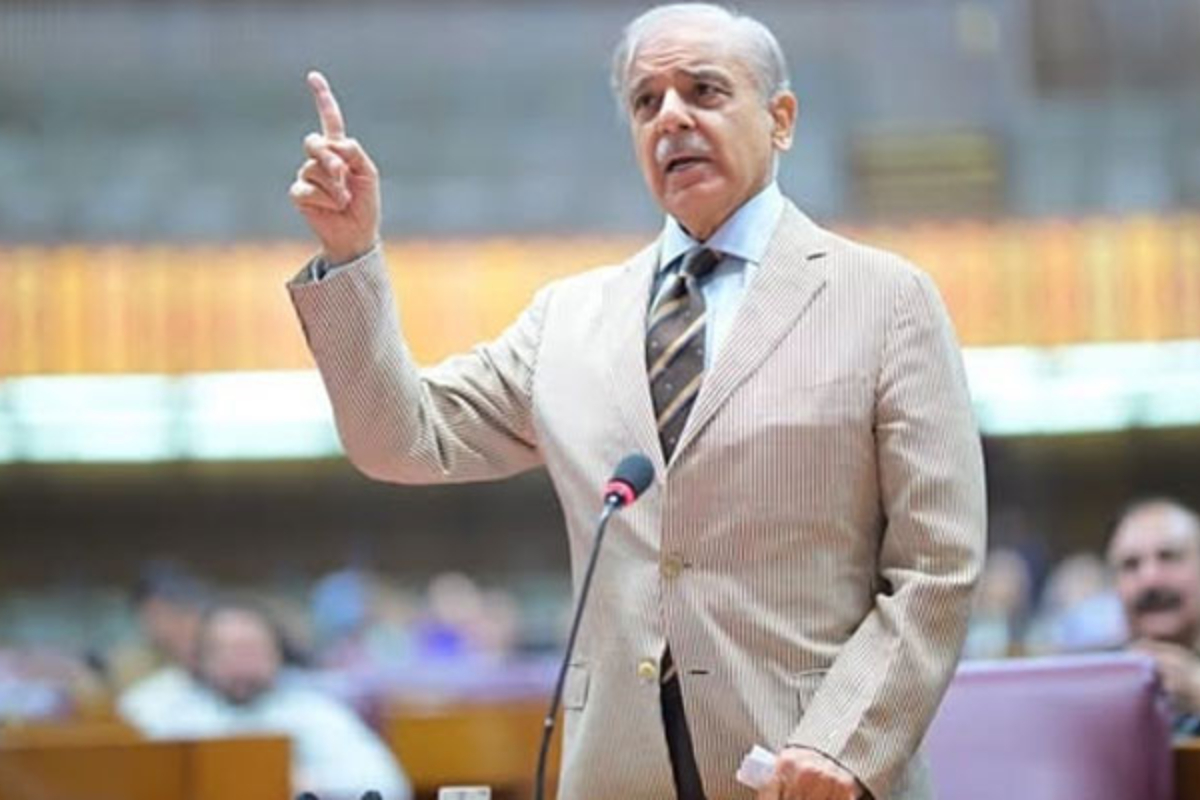
ISLAMABAD: Prime Minister Shehbaz Sharif on Tuesday strongly condemned the missile and drone attack on Saudi Arabia, warning that the escalation could further undermine peace and stability in the region.

In a statement, Sharif said Pakistan “strongly condemns the blatant attacks” carried out against the Kingdom of Saudi Arabia, describing them as a violation of the country’s sovereignty and territorial integrity.

He warned that such actions risk further destabilizing the region and reaffirmed Pakistan’s “unwavering support” for Saudi Arabia’s security.

“Pakistan stands in complete solidarity with the brotherly Kingdom of Saudi Arabia during this difficult time,” the prime minister said, adding that Islamabad would continue to support sincere efforts aimed at promoting regional peace, stability, security and dialogue.

The statement came after Yemen’s Houthi movement launched missiles and drones targeting Abha International Airport in southern Saudi Arabia, in a sharp escalation of regional tensions. Saudi air defenses intercepted the projectiles, and no casualties were immediately reported

Uruguay hold Saudi Arabia to late 1-1 draw in World Cup clash

Uruguay

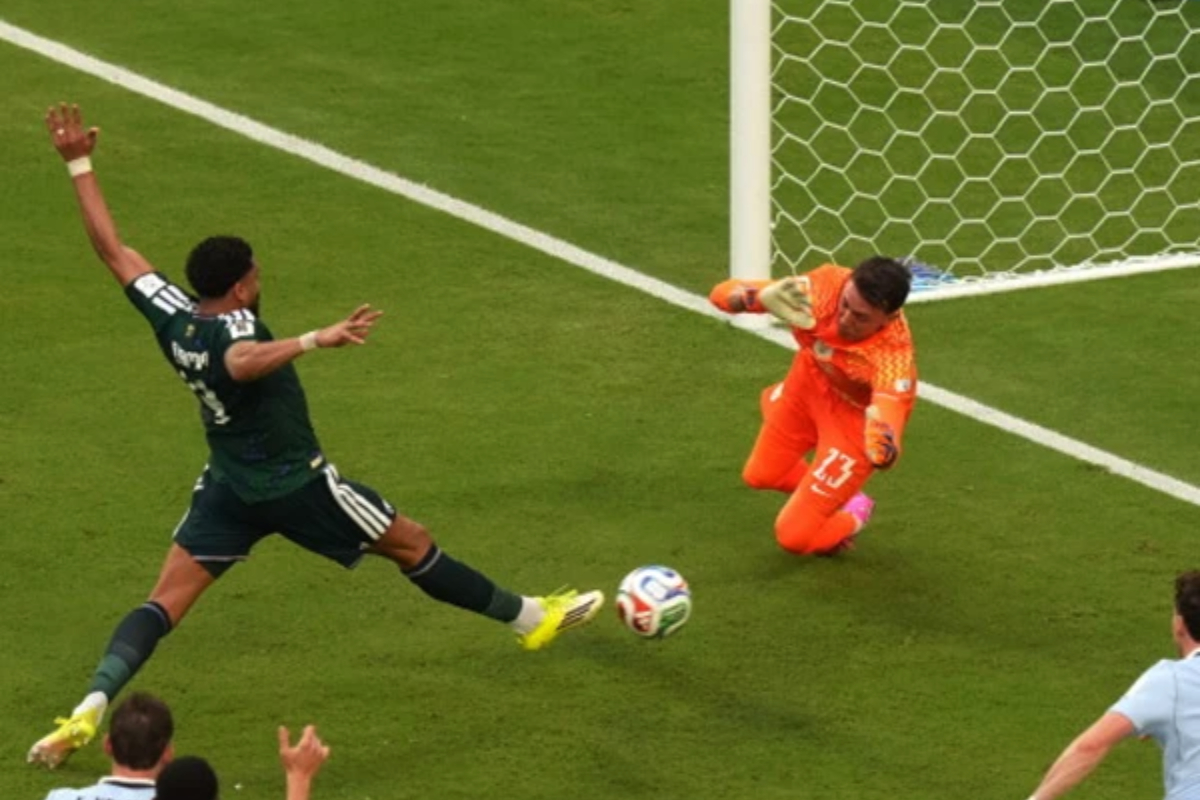
DOHA: Saudi Arabia came within minutes of another major World Cup upset before Uruguay struck late to secure a 1-1 draw in a tense Group H encounter on Tuesday.

Saudi Arabia took the lead in the first half through Abdullah Al-Amri, putting his side in control after a set-piece situation.

The goal came after a corner kick caused confusion in the Uruguay defence, with goalkeeper Fernando Muslera unable to fully clear the danger, allowing the rebound to be converted.

The Saudi side once again impressed with their disciplined defensive structure, echoing their surprise win over Argentina at the 2022 World Cup, as they frustrated Uruguay for long spells.

Uruguay, coached by Marcelo Bielsa, made tactical adjustments in the second half, introducing key changes in an effort to increase attacking intensity.

Saudi goalkeeper Mohammed Al-Owais played a crucial role in maintaining the lead, producing several important saves as Uruguay pushed forward in search of an equaliser.

The breakthrough came in the 80th minute when Maxi Araujo capitalised on a rebound to level the match.

Uruguay continued to press in the closing stages, with Federico Valverde coming close, but Al-Owais made a decisive stop to keep the score level.

Both teams ultimately shared the points, leaving Group H finely balanced as the race for qualification intensifies.

Saudi Arabia reverses Hajj age restriction

Saudi Arabia

ISLAMABAD: Saudi Arabia has withdrawn its earlier decision to impose a minimum age limit of 15 years for Hajj pilgrims, restoring the previous policy that allows children aged 12 and above to perform the pilgrimage.

According to a statement issued by the Pakistan Civil Aviation Authority, the restriction on pilgrims under 15 years has been lifted, and previously rejected visas under the short-lived policy will now be reprocessed.

The PCAA confirmed that the earlier eligibility criteria have been reinstated, under which children aged 12 or above can travel for Hajj.

A spokesperson for Pakistan’s Ministry of Religious Affairs also verified that the Saudi government has taken back its decision regarding the age restriction.

 The Pakistan Hajj Mission has issued a notification in line with the updated Saudi directives.

As per the revised instructions, pilgrims aged 12 and above will now be allowed to travel to Saudi Arabia, maintaining the earlier policy framework.

It is worth noting that only hours earlier, authorities had announced a ban on children under 15 from traveling for Hajj, effective May 3, 2026, with visas of underage pilgrims declared invalid. However, the decision was swiftly reversed, bringing relief to affected families.

Pakistan will stand by Saudi Arabia in all circumstances, says PM’s spokesperson

Pakistan will stand

ISLAMABAD: Prime Minister’s spokesperson for foreign media Musharraf Zaidi has said that Pakistan will stand with Saudi Arabia at all times and under all circumstances, adding that Islamabad would extend support to the Kingdom if required.

Speaking to an international publication, Zaidi stated that there was no question about Pakistan’s commitment to Saudi Arabia. He emphasized that security cooperation between the two countries is not new, noting that Pakistan and Saudi Arabia have long maintained close coordination on defense and strategic interests.

He further revealed that a Pakistani Field Marshal recently met the Saudi Defense Minister in Riyadh, where both sides discussed joint defense measures and cooperation.

Zaidi also said that Foreign Minister Ishaq Dar has been in contact with Iran’s Foreign Minister since the beginning of the conflict, highlighting Pakistan’s ongoing diplomatic engagement in the region.

Saudi Arabia gears up to welcome Ramadan 1447 Hijri

Saudi Arabia

RIYADH: Preparations to welcome the holy month of Ramadan 1447 Hijri are in full swing across Saudi Arabia, with authorities completing extensive arrangements to host millions of worshippers.

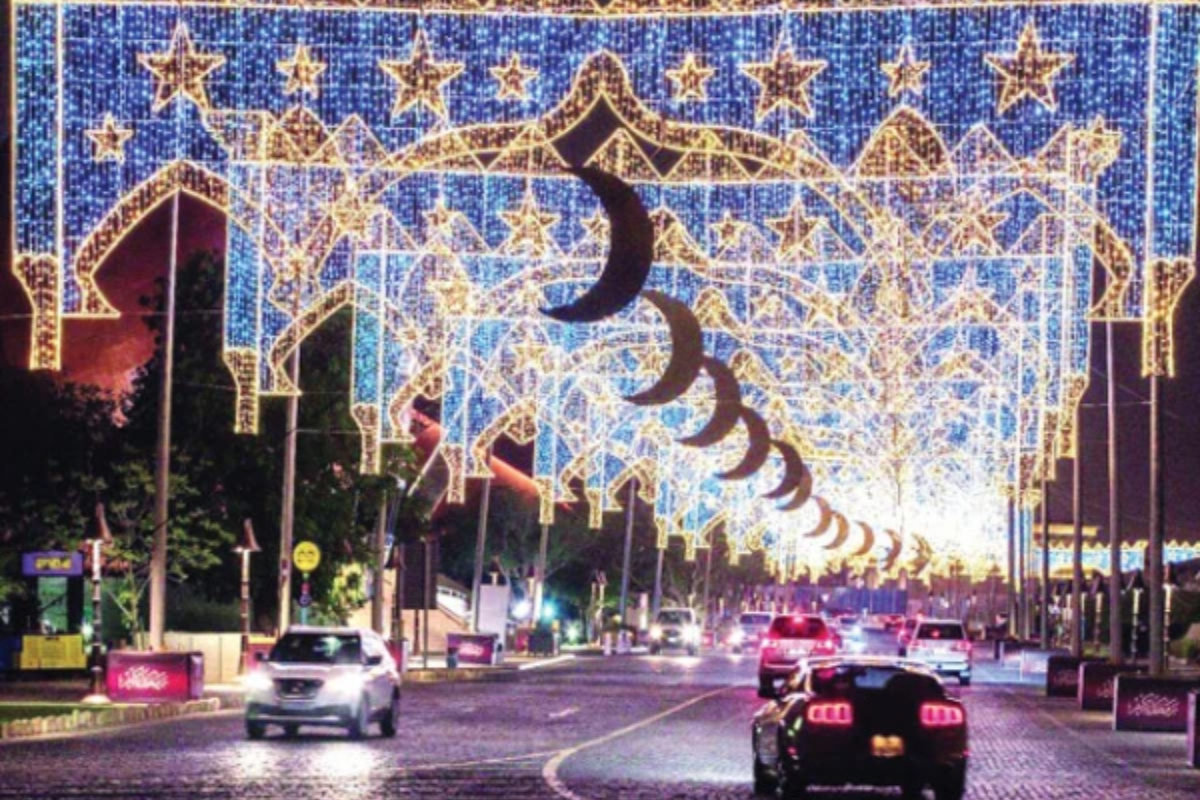
According to Saudi media reports, government-level preparations have reached their peak, ensuring a grand reception for the “Guests of Allah.” As in previous years, banners reading “Ahlan wa Sahlan Ya Ramadan” have been displayed across cities, while streets and neighborhoods have been illuminated with decorative lights.

Major roads, residential areas, and key landmarks have been adorned with colorful lanterns and billboards featuring verses from the Holy Qur’an and Hadith.

 Numerous religious, educational, and reformative programs have also been organized to help worshippers make the most of the blessed month.

Large-scale Iftar gatherings are being arranged, as providing Iftar during Ramadan is considered a highly rewarding act.

The most vibrant scenes are being witnessed in Mecca and Medina, where streets, alleys, and prominent sites have been beautifully decorated in anticipation of the holy month.

Millions of Muslims from around the world are expected to travel to Masjid al-Haram and Al-Masjid an-Nabawi for Umrah and special prayers. Special arrangements are being finalized to facilitate the influx of pilgrims.

On the last Friday of Sha’ban, more than 1.5 million worshippers reportedly attended prayers at Masjid al-Haram, reflecting the anticipated surge in visitors during Ramadan.

The number is expected to increase significantly, particularly during the last ten days of the holy month, when the atmosphere resembles that of Hajj.

It is worth noting that Ramadan is likely to begin on February 19 in Saudi Arabia and several other Islamic countries, subject to the official moon-sighting announcement.

President Trump designates Saudi Arabia as major non-NATO ally

President Trump

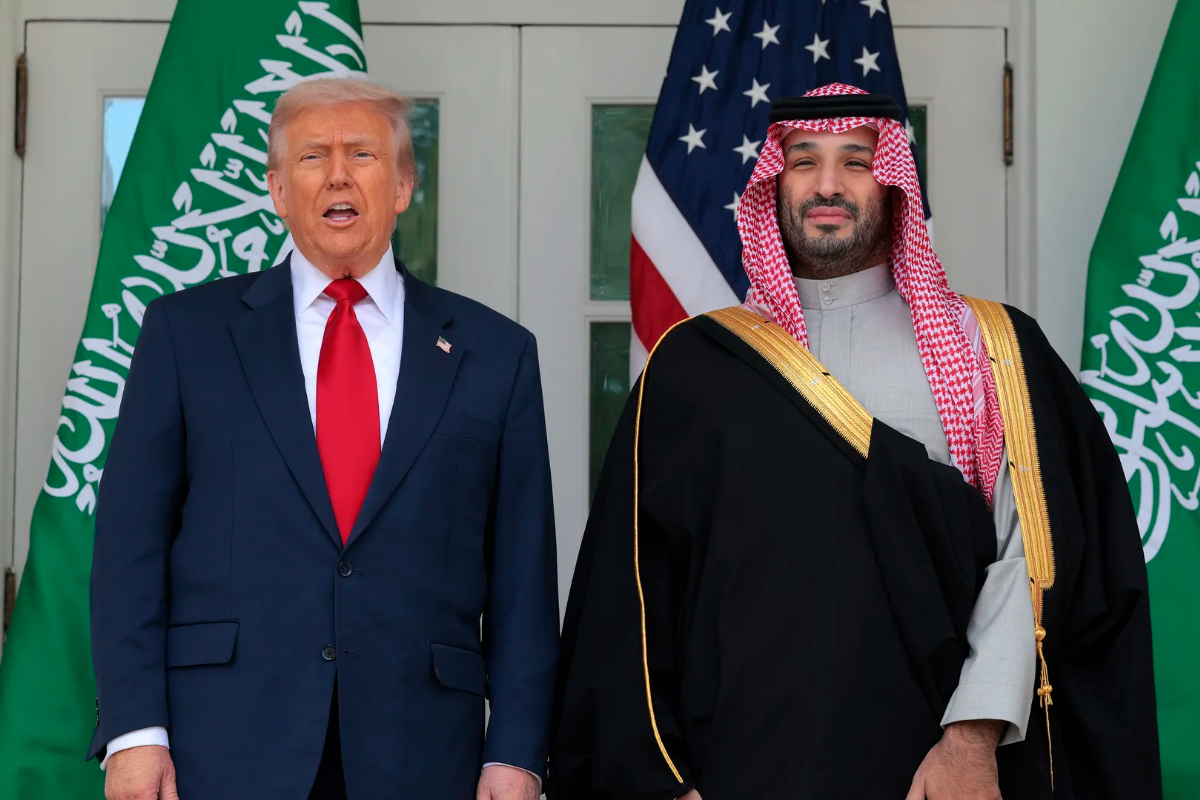
US President Donald Trump has designated Saudi Arabia as a major non-NATO ally, marking a significant expansion in bilateral strategic cooperation.

President Trump hosted a dinner at the White House in honour of Saudi Crown Prince Mohammed bin Salman. High-profile guests, including Elon Musk and Cristiano Ronaldo, also attended the event.

The US President approved a major defence package under which Saudi Arabia will purchase F-35 fighter jets and 300 tanks from the United States.

Welcoming the Crown Prince, President Trump said Saudi Arabia and the United States share a long-standing and historic partnership, which both sides are committed to further strengthening. He said the two countries had signed a strategic defence agreement during the visit.

President Trump added that the Middle East was closer than ever to achieving lasting peace, claiming that Gaza was now “far safer than before.” He said several heads of state would be part of the upcoming “Gaza Board of Peace.”

He also stated that Hamas had handed over additional bodies of hostages to Israeli families.

Following Trump’s remarks, Crown Prince Mohammed bin Salman thanked the US President for the warm hospitality and said Riyadh greatly values its relationship with Washington.

The Crown Prince is currently on an official visit to the United States, during which he held talks with President Trump at the White House.

A statement issued later by the White House said that Washington and Riyadh had reached an agreement on a civil nuclear cooperation framework.

According to the statement, President Trump has approved a major arms package for Saudi Arabia, which includes the supply of advanced F-35 fighter aircraft, while the Kingdom will also acquire nearly 300 tanks from the US.