The United States and its Western allies clashed with Russia and China at the United Nations Security Council over Iran’s nuclear intentions, as Washington sought to further justify the military action it launched against Iran two weeks ago.
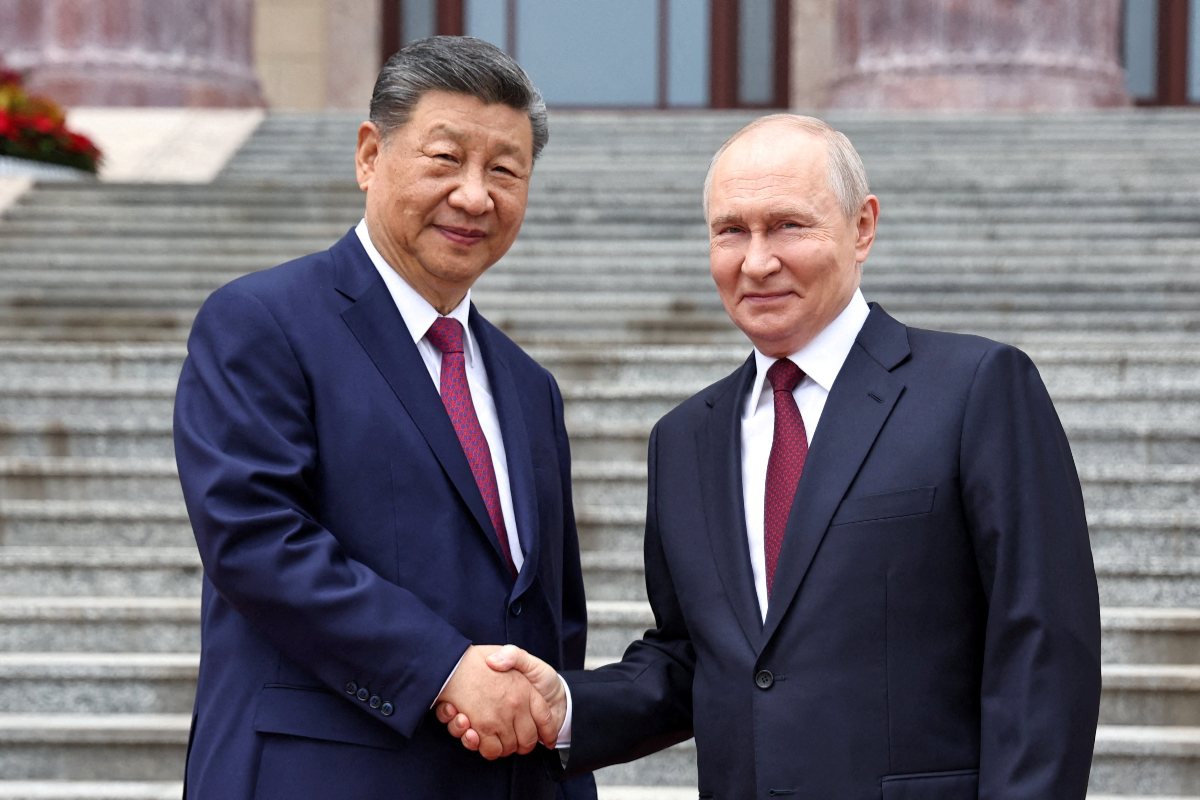
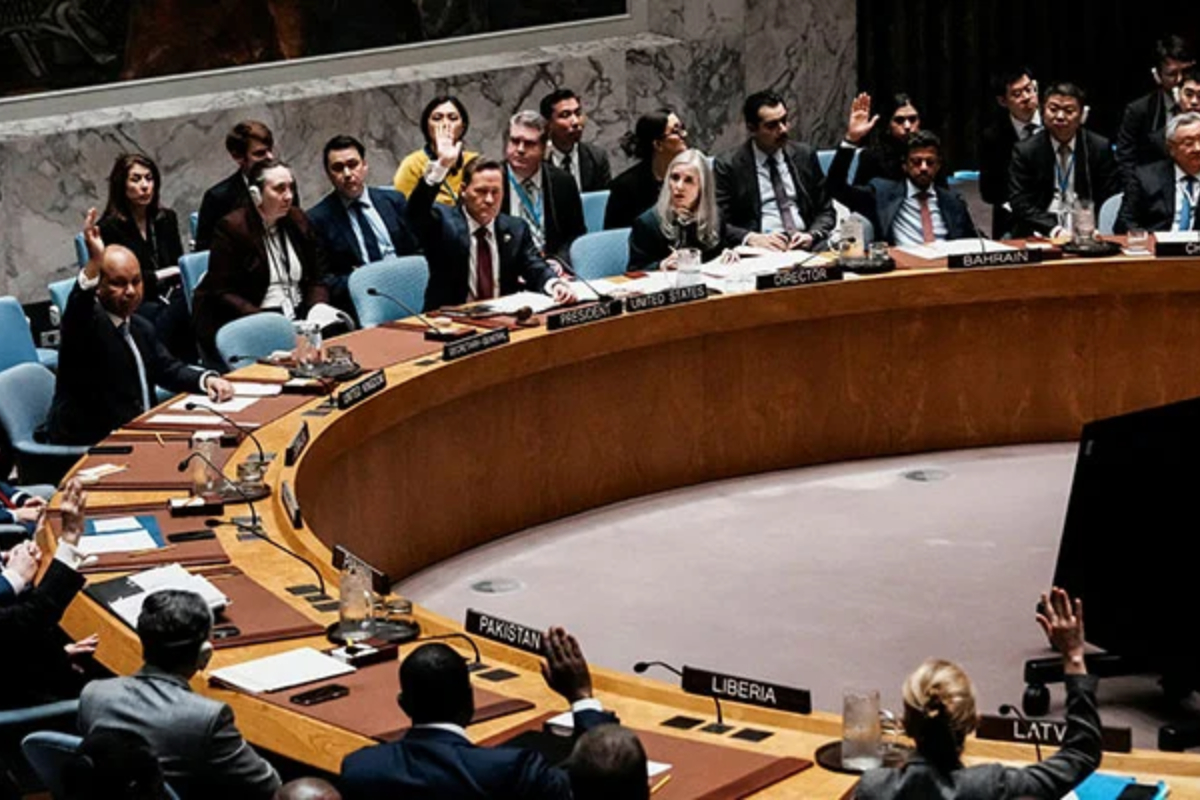
During a meeting of the 15-member council, currently chaired by the United States, Russia and China attempted to block a discussion regarding a committee responsible for overseeing and enforcing UN sanctions on Iran. However, the move failed after members voted 11-2 in favour of proceeding with the discussion, with two countries abstaining.
Addressing the council, US envoy to the United Nations Mike Waltz accused Moscow and Beijing of attempting to shield Tehran by obstructing the work of the so-called 1737 Sanctions Committee.
He stressed that all UN member states should implement an arms embargo on Iran, prevent the transfer and trade of missile technology, and freeze relevant financial assets linked to Tehran’s military programmes.
Waltz said the proposed re-imposition of UN measures was not arbitrary but specifically designed to counter the threats posed by Iran’s nuclear, missile, and conventional weapons programmes, as well as its alleged support for terrorism. He also claimed that Russia and China opposed a functioning sanctions committee because they wished to maintain defence cooperation with Iran.
The US envoy further noted that the International Atomic Energy Agency had recently reiterated that Iran remains the only country without nuclear weapons known to have enriched uranium to 60 percent purity and had refused to grant inspectors access to those stockpiles.
Russia’s UN ambassador Vasily Nebenzya rejected the accusations, arguing that Washington and its allies were fueling “hysteria” over unproven claims that Iran was pursuing nuclear weapons.
According to Nebenzya, such allegations were used to justify another military campaign against Tehran, a move he said had significantly escalated tensions across the Middle East and beyond.
China’s representative Fu Cong also criticised Washington, calling the United States the “instigator” of the Iranian nuclear crisis. He said the US had resorted to the use of force during diplomatic negotiations, undermining efforts aimed at a peaceful resolution.
Meanwhile, Iran’s ambassador to the United Nations, Amir Saeid Iravani, insisted that Tehran’s nuclear programme has always been purely peaceful. He also stated that Iran would not recognise or comply with any attempts to re-impose international sanctions.
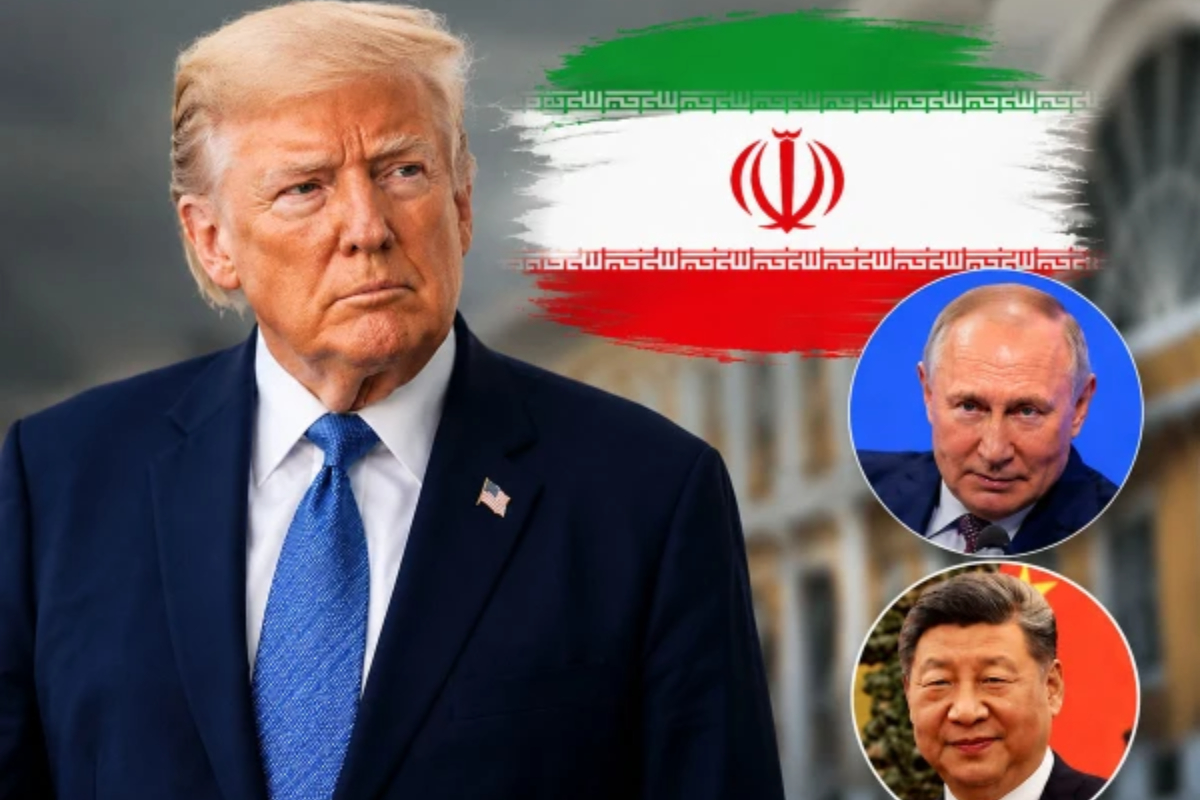
US President Donald Trump has defended the strikes on Iran, arguing that Tehran could have developed a nuclear weapon within weeks if the United States had not targeted three major nuclear facilities in June. However, reports citing US intelligence assessments suggested that this claim was not supported by available intelligence.
Britain and France, meanwhile, told the Security Council that restoring sanctions on Iran was justified because Tehran had failed to adequately address international concerns about its nuclear activities. France also warned that Iran’s enriched uranium stockpile could potentially be sufficient to produce up to ten nuclear devices.
The sharp exchanges at the Security Council highlight deep divisions among major powers over how to address Iran’s nuclear ambitions and the broader security situation in the Middle East.