BREAKING NEWS
Advertise with us >

Mediators propose 10-day ceasefire between US and Iran

Mediators propose

WASHINGTON: Qatar, Egypt, Pakistan and several other regional mediators have proposed a 10-day ceasefire between the United States and Iran in an effort to ease escalating tensions and reopen the Strait of Hormuz, according to a report by Axios.

The report said President Donald Trump has reached a critical juncture in the conflict, with U.S. and Israeli officials believing only two viable options remain: pursuing a new 10-day ceasefire initiative aimed at restoring maritime traffic through the Strait of Hormuz, or launching a major joint military campaign with Israel to pressure Iran into surrendering.

Trump has not made a final decision, Axios reported, citing U.S. officials who said the coming days will determine which path is taken as the prolonged conflict becomes increasingly difficult to sustain.

Two regional sources familiar with the mediation efforts told Axios that Qatar, Egypt, Pakistan and other intermediaries presented the ceasefire proposal to both Washington and Tehran.

US officials said the Trump administration is reviewing the proposal, although neither the United States nor Iran has accepted it. Both sides are reportedly seeking to strengthen their negotiating positions through continued military strikes before considering a ceasefire.

Axios also reported that despite 10 consecutive days of bombing, Iran’s influence over the Strait of Hormuz has not been eliminated, while rising gasoline prices in the United States are fueling growing domestic opposition to the conflict.

According to a regional source, ceasefire efforts were making progress on Saturday before an Iranian missile strike in Jordan killed two U.S. service members, prompting Washington to harden its stance. A senior US official confirmed that diplomatic contacts remain ongoing but said Trump has not yet completed the planned response against Iran, adding that retaliatory operations would continue until the president decides otherwise.

A regional source told Axios that mediators are seeking a durable solution, stressing that while Iran cannot dictate the terms of any agreement, it also cannot be excluded from the process.
Trump recounts shift in thinking on Iran regime change

Trump recounts

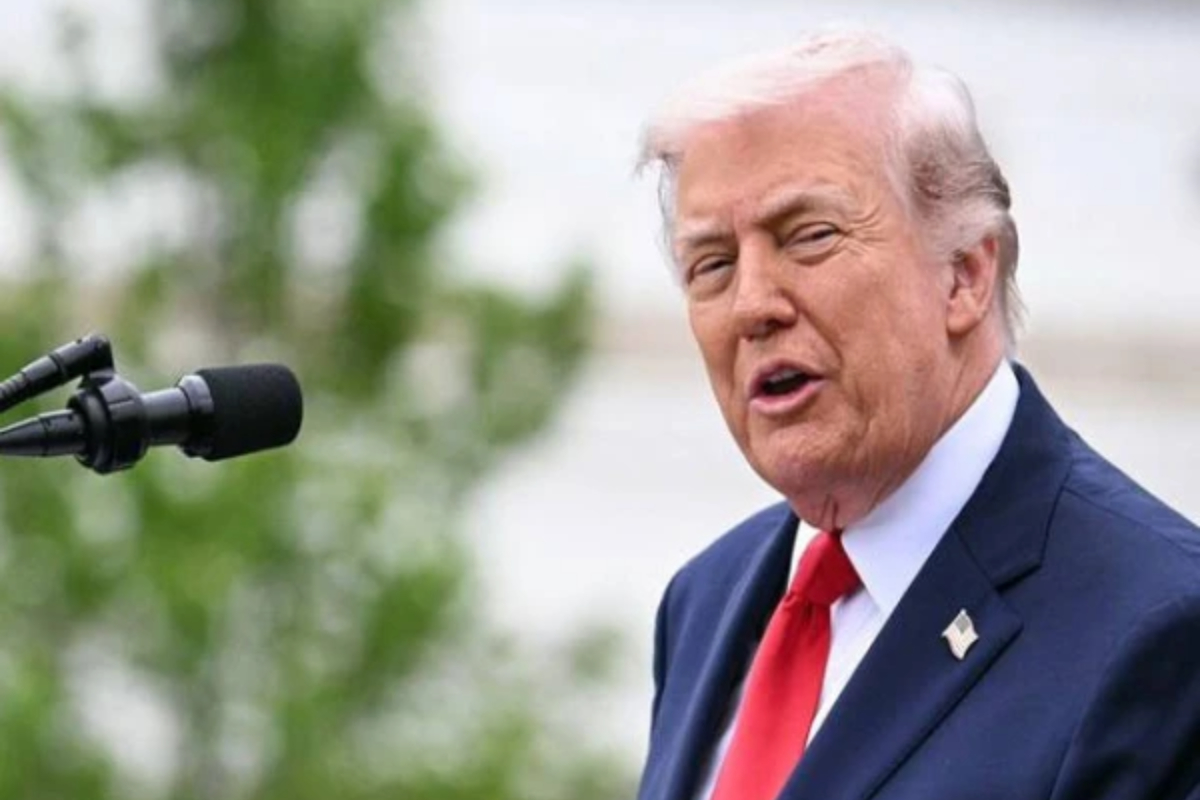
WASHINGTON: US President Donald Trump said he initially believed the conflict with Iran could lead to a change in the country’s government but later concluded that such an outcome was unlikely.

In an interview with Fox News, Trump said he thought at the outset of the conflict that Iran’s government could be overthrown, adding that the situation might have been different if anti-government protesters had been armed.

Trump said he underestimated the extent to which Iranian authorities were prepared to use force to maintain control. He also referenced his earlier public statements urging Iranians to oppose their government, before later acknowledging that government opponents lacked the means to confront state security forces.

The president further claimed that strikes targeting senior Iranian officials had effectively weakened the country’s leadership, although Iran’s governing system remained in place.

Separately, Israeli media reported that Israel had attempted to establish contact with former Iranian President Mahmoud Ahmadinejad as part of broader efforts related to potential political change in Iran, though those reported efforts were unsuccessful.

Trump also alleged that Kurdish fighters in Iraq retained weapons that he claimed had been intended for operations against Iranian government forces. The claims have not been independently verified, and no supporting evidence was provided during the interview.

Trump announces more US strikes on Iran

Trump announces

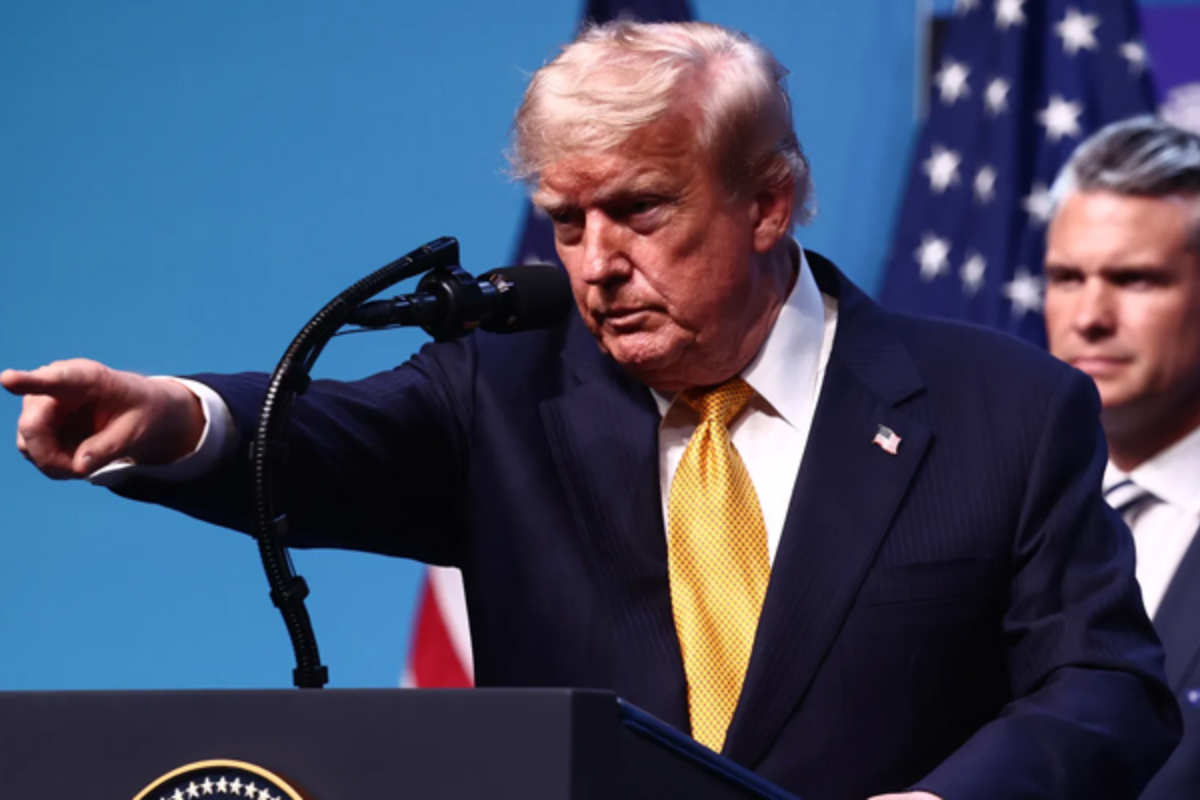
WASHINGTON: US President Donald Trump said the United States would carry out additional military strikes against Iran, warning that American forces would intensify operations after accusing Tehran of failing to honor an interim agreement.

In an interview with radio host Hugh Hewitt, Trump said the U.S. would strike Iran “very hard” on Monday night and continue attacks on Tuesday.

He said the memorandum of understanding between Washington and Tehran had been “a test” for Iran, but claimed Tehran had failed to comply. Trump also said the U.S. was preparing to target Pickaxe Mountain (Kuh-e Kolang Gaz La), a heavily fortified site near Iran’s Natanz nuclear complex.

Speaking later at the White House, Trump said U.S. forces were rapidly degrading Iran’s military capabilities and targeting assets linked to the Strait of Hormuz. He added that military operations would continue overnight but maintained that reaching a negotiated agreement with Iran remained possible.

Trump also said the United States was helping protect maritime traffic through the Strait of Hormuz and argued that countries benefiting from that protection should help cover the costs.

His remarks came after he earlier proposed charging vessels a 20% transit fee through the strategic waterway before later abandoning the idea in favor of seeking trade and investment agreements with Gulf states.

The president also praised his working relationship with Israeli Prime Minister Benjamin Netanyahu, saying the two leaders were closely coordinated despite occasional policy differences.

Iran warns against US intervention in Strait of Hormuz

Iran warns

TEHRAN: Iran’s military warned that it would not allow the United States to intervene in the Strait of Hormuz, responding to recent remarks by President Donald Trump about expanding the US role in securing the strategic waterway.

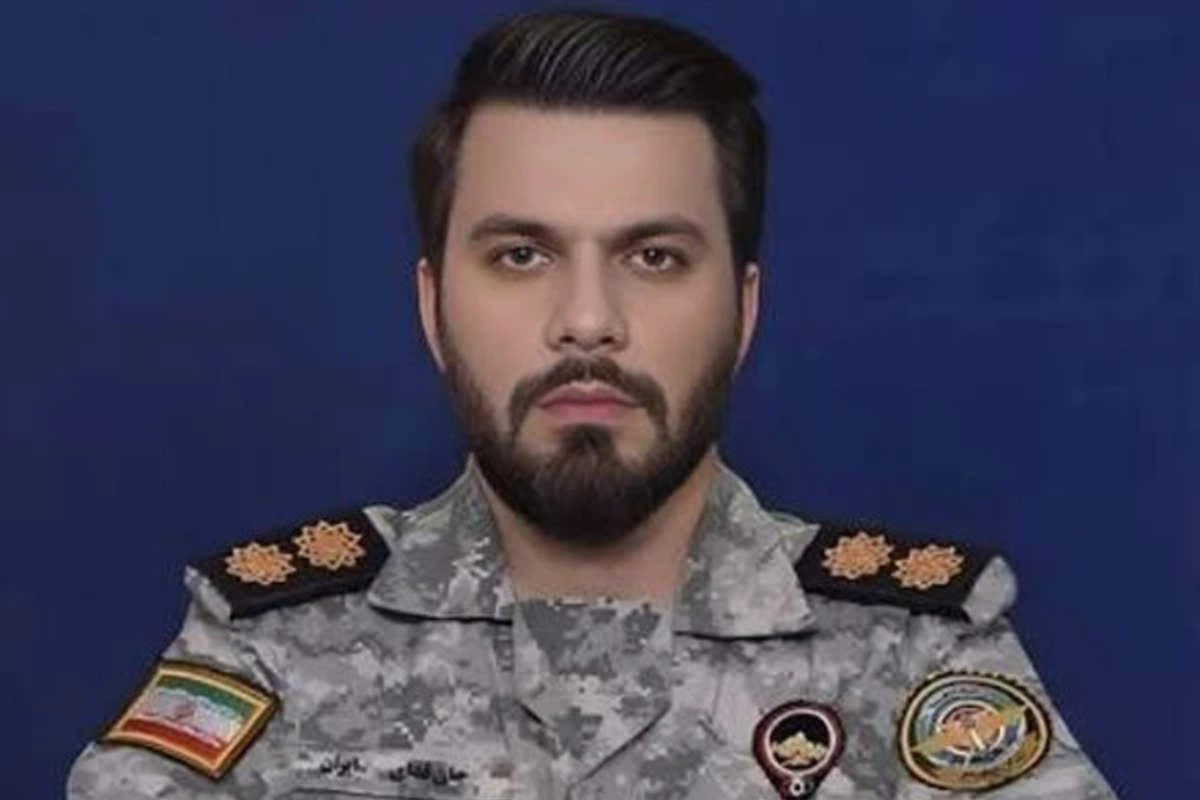
In a statement issued from Tehran, Ebrahim Zolfaqari, spokesperson for Iran’s Khatam al-Anbiya Central Headquarters, said U.S. involvement in the Strait of Hormuz had undermined the security of energy transportation through the region.

Zolfaqari said Iran would neither accept nor allow U.S. interference in the administration of the Strait of Hormuz, adding that cooperation by some regional countries with Washington had increased the risk of a broader conflict.

He warned that any country assisting the United States in actions affecting the Strait of Hormuz would be regarded by Iran as participating in a war against the country’s territorial integrity. He also cautioned that any escalation could draw other countries in the region into the conflict.

The comments came after Trump announced plans for the United States to play a greater security role in the Strait of Hormuz and proposed charging transit fees on commercial cargo passing through the vital maritime chokepoint.

Trump warns Iran of more military strikes

Trump warns

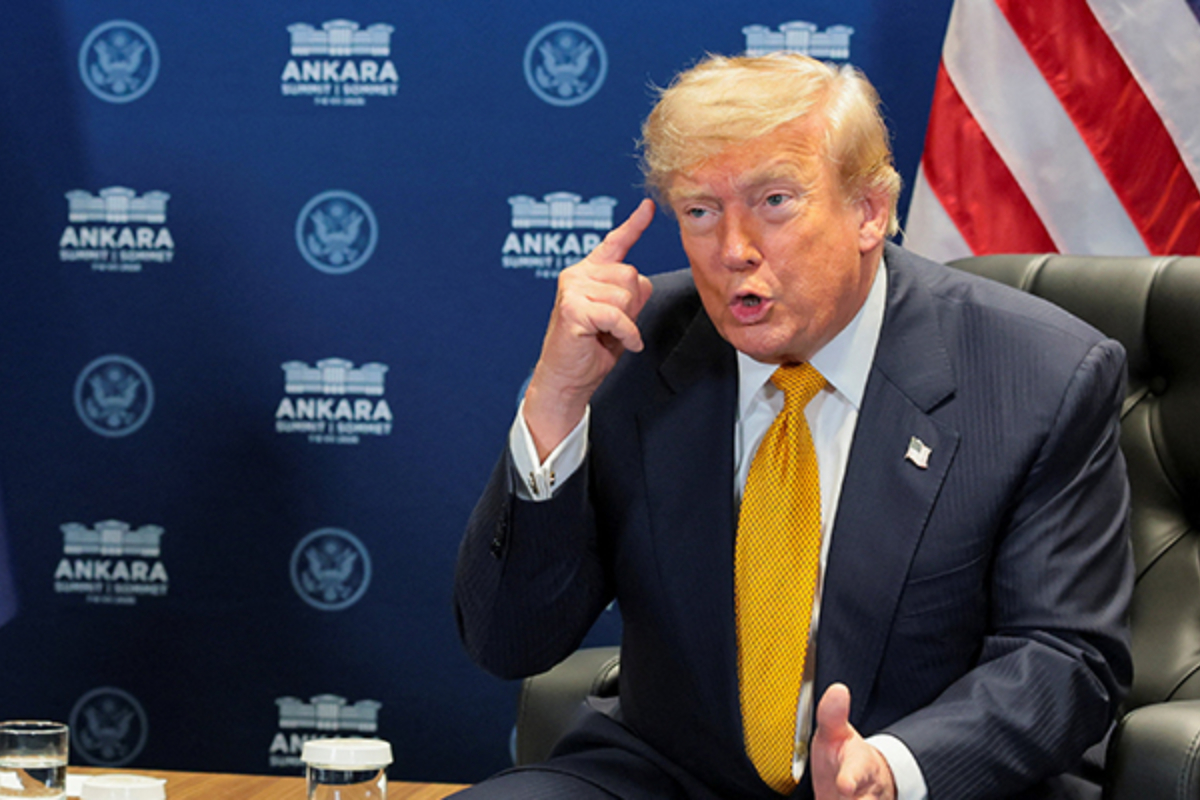
ANKARA:US President Donald Trump on Wednesday threatened fresh military strikes against Iran, saying the United States could launch another attack “tonight” while renewing his insistence that Tehran must never obtain a nuclear weapon.

Speaking alongside Volodymyr Zelenskyy during a news conference at the NATO summit in Ankara, Trump said the United States had carried out heavy strikes against Iran the previous night and warned that additional military action remained possible.

Trump accused Iran of deception during nuclear talks, saying Tehran had repeatedly misled U.S. negotiators.

He also criticized the nuclear agreement reached under former President Barack Obama, calling it a bad deal and repeating his longstanding claim that it provided Iran with significant financial benefits.

The US president said Washington’s objective remained preventing Iran from acquiring nuclear weapons, adding that he believed progress had been made toward that goal.

Trump also accused Iranian leaders of making contradictory public statements after negotiations, alleging they denied discussions that had taken place.

Iran has consistently maintained that its nuclear program is for peaceful purposes and denies seeking to develop nuclear weapons.

Iran prepares for funeral ceremonies without naming prayer leader

Iran prepares

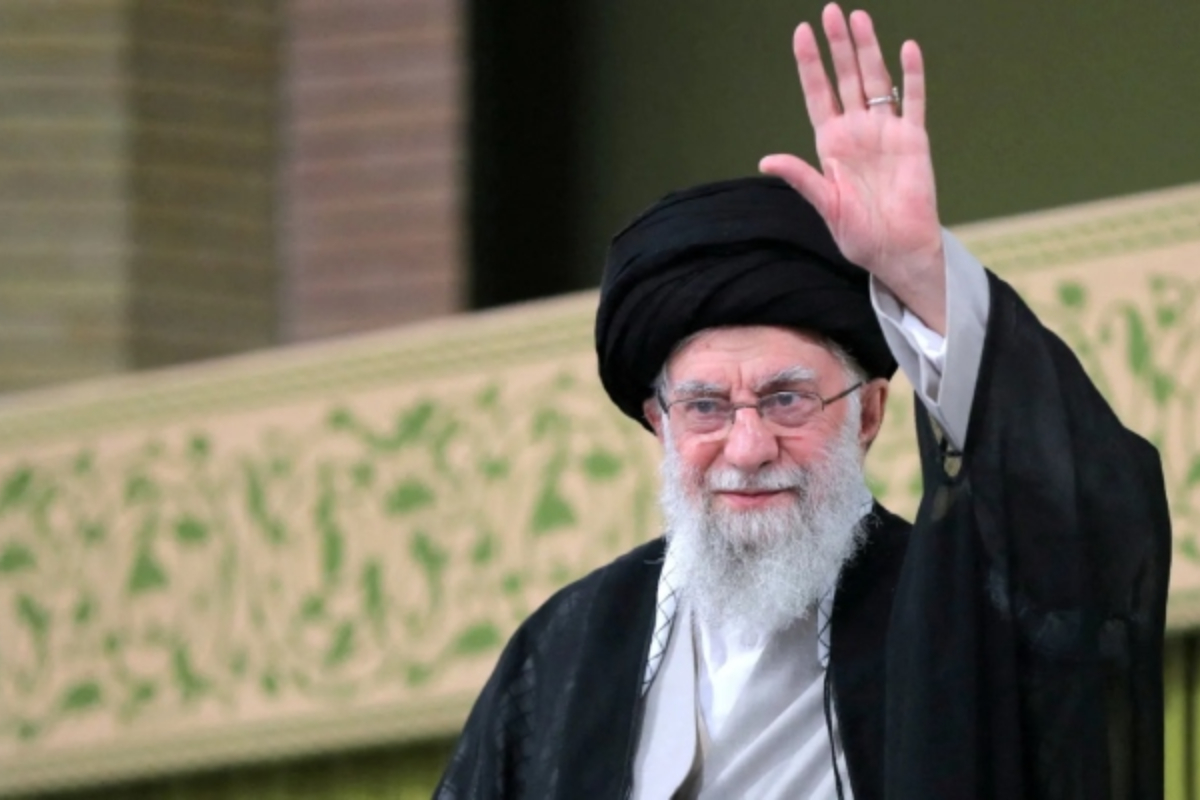
TEHRAN: Iranian authorities have not officially announced who will lead funeral prayers for the country’s late Supreme Leader, despite the start of a series of public mourning ceremonies scheduled across Iran.

Iran’s Foreign Ministry sources told local media that senior Shiite cleric Ayatollah Jafar Sobhani is expected to lead the main funeral prayer in Tehran, although no official confirmation has been issued.

Authorities have also not said whether the same cleric will preside over funeral prayers in Tehran, Qom and Mashhad, or whether different religious figures will lead the ceremonies.

Historically, Iran’s supreme leader has not necessarily led funeral prayers for a predecessor. When Ruhollah Khomeini died in 1989, his funeral prayers were led by Mohammad Reza Golpaygani, then head of the Qom seminary, before Ali Khamenei was later chosen as supreme leader.

According to the report, funeral ceremonies are scheduled in Tehran from July 4 to July 6, followed by services in Qom on July 7. The body is then expected to be taken to Najaf and Karbala for additional funeral prayers before returning to Iran.

The final funeral prayer is scheduled for July 9 in Mashhad, where burial is expected to take place.

The report also said security surrounding the ceremonies is expected to be extensive, with authorities anticipating attendance by more than 10 million mourners. Officials are expected to prioritize the security of Iran’s current supreme leader during the public events.

Trump says US will control Iran’s frozen funds under proposed aid arrangement

Trump says

WASHINGTON: US President Donald Trump said the United States would retain control of Iran’s frozen assets under a proposed arrangement that would use the funds to purchase American agricultural products for shipment to Iran.

In a statement posted on his social media platform, Trump said Iran had not yet received any funds and that no frozen assets had been released.

He also dismissed reports that Iran was collecting fees from ships transiting the Strait of Hormuz, warning that negotiations could be terminated immediately if false information was provided during the process.

Trump said the United States would oversee the management of Iran’s frozen funds and use the money to buy agricultural commodities from American farmers, including corn, wheat and soybeans, which would then be exported to Iran.

According to Trump, the proposal is aimed at addressing food shortages in Iran while supporting U.S. farmers.

He added that all goods purchased under the arrangement would be sourced from the United States.

The remarks come amid ongoing diplomatic efforts involving Washington and Tehran, although details of any final agreement regarding frozen Iranian assets have not yet been announced.

Pakistan, Iran hold high-level talks in Islamabad

Pakistan

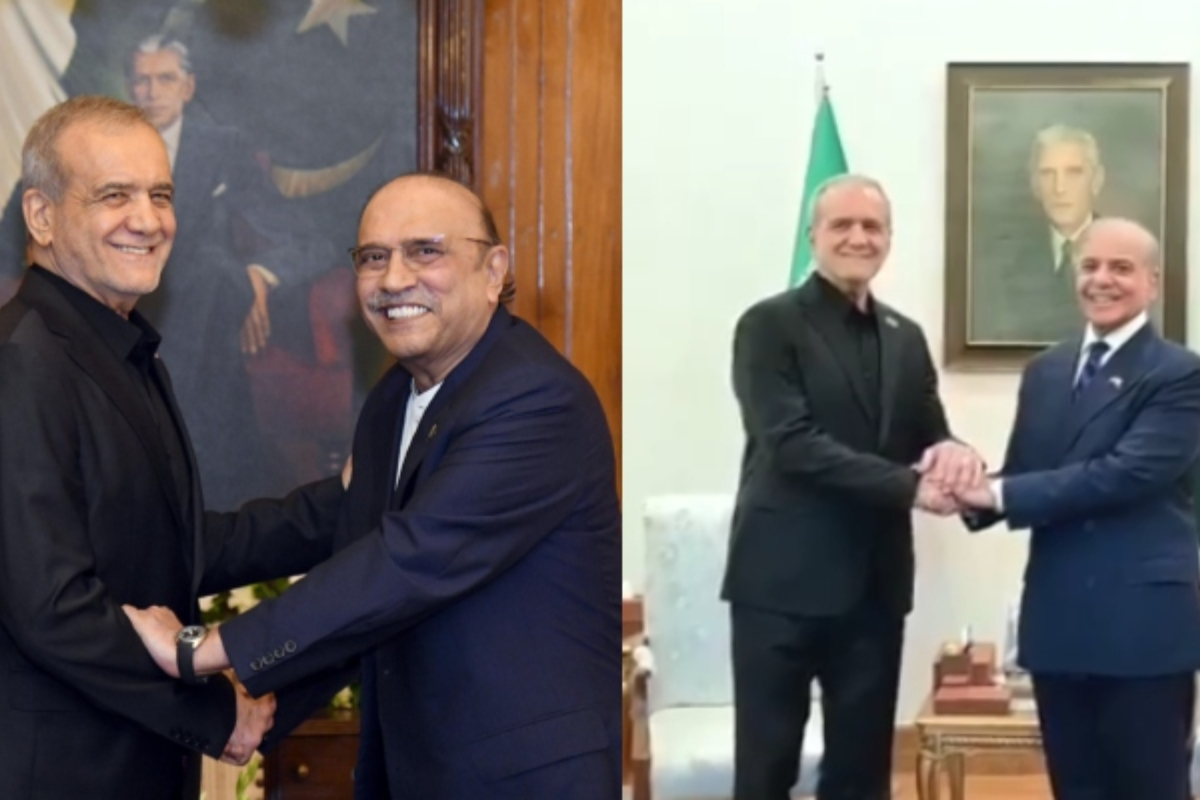
ISLAMABAD: Iranian President Masoud Pezeshkian held separate meetings with Pakistani President Asif Ali Zardari and Prime Minister Shehbaz Sharif, with the two sides reaffirming their commitment to strengthening bilateral ties and promoting regional peace.

According to a statement issued by the Presidency, President Zardari and Pezeshkian discussed bilateral relations, regional connectivity and economic cooperation. The leaders reiterated their resolve to deepen Pakistan-Iran relations and work jointly for peace and stability in the region.

Welcoming Pezeshkian on his first visit to Pakistan following the recent conflict, Zardari said the trip reflected the two countries’ commitment to standing by each other in times of both joy and adversity. He also reaffirmed Pakistan’s support for Iran’s sovereignty and territorial integrity.

Zardari congratulated the Iranian president on the signing of the Islamabad Memorandum of Understanding and expressed hope that technical-level negotiations would lead to lasting peace. He emphasized that Pakistan has consistently opposed unilateral actions and supported dialogue as a means of resolving regional and global challenges.

The Pakistani president also stressed the importance of unity within the Muslim world and underscored the significance of maintaining strong brotherly relations with Gulf countries.

According to the statement, Pezeshkian thanked Pakistan for its positive and constructive efforts to promote peace and dialogue and appreciated Islamabad’s support during recent difficult circumstances.

The Iranian president said Tehran attaches great importance to its relations with Pakistan and seeks to expand cooperation in political, economic, security and regional affairs.

Separately, Prime Minister Shehbaz Sharif also met with Pezeshkian, according to a statement from the Prime Minister’s Office. Deputy Prime Minister Ishaq Dar and Field Marshal Syed Asim Munir attended the meeting, while delegation-level talks between the two countries were also scheduled.

Pakistan and Iran pledge closer cooperation on regional issues

Pakistan

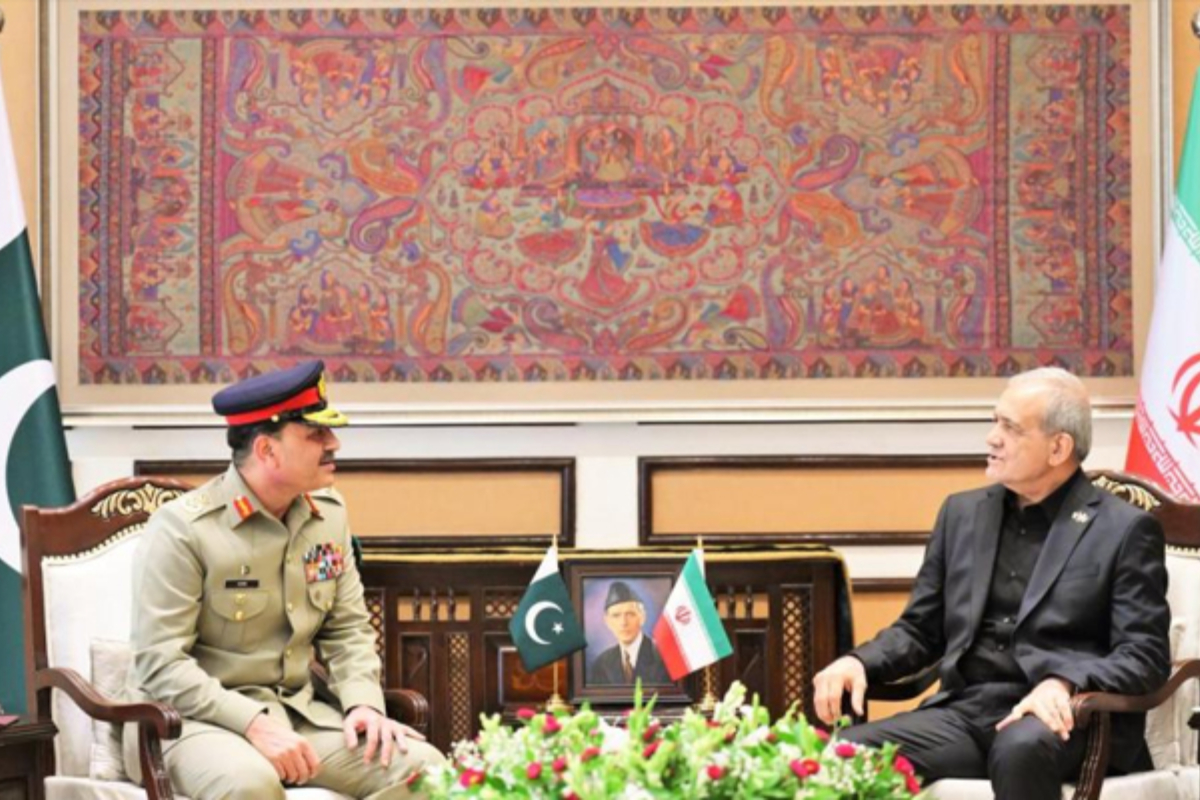
ISLAMABAD:  Chief of Army Staff and Chief of Defence Forces Field Marshal Syed Asim Munir met with Iranian President Masoud Pezeshkian on Tuesday, with the two leaders discussing regional developments and peace initiatives, according to Pakistan’s military.

In a statement, the Inter-Services Public Relations (ISPR) said the meeting focused on efforts to promote regional stability and reduce tensions.

President Pezeshkian praised Pakistan’s “constructive and responsible role” in fostering dialogue, de-escalation and regional stability. He also acknowledged Islamabad’s continued efforts to encourage the peaceful resolution of disputes and promote understanding among regional stakeholders.

Field Marshal Munir reiterated Pakistan’s “unwavering commitment” to peace and stability in the region, the statement said.

The two sides reaffirmed their commitment to strengthening bilateral ties and maintaining close consultations on issues of mutual interest, with the shared objective of promoting peace, prosperity and stability across the region.

The meeting took place during Pezeshkian’s one-day visit to Pakistan.

The Iranian president was received at Nur Khan Air Base by President Asif Ali Zardari, Prime Minister Shehbaz Sharif and Deputy Prime Minister Ishaq Dar.

Iran announces closure of Strait of Hormuz over ceasefire violations

Iran announces

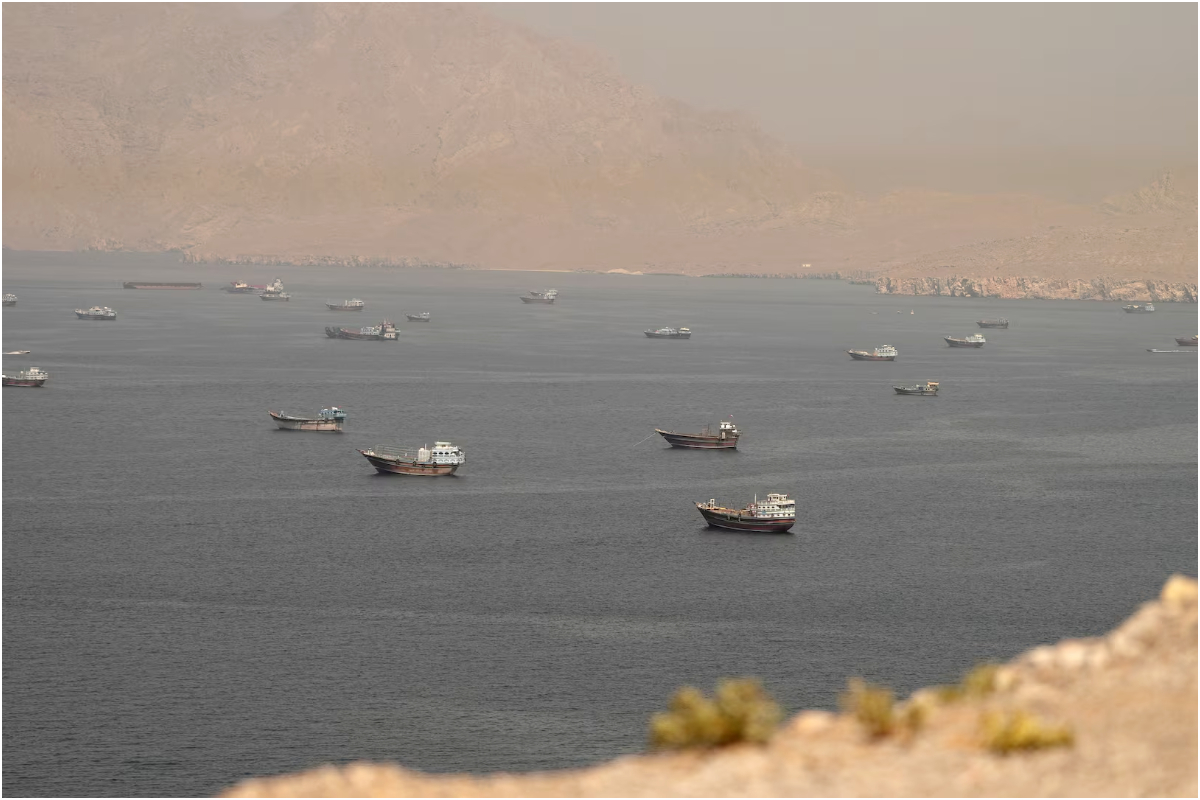
TEHRAN: Iran has announced the complete closure of the Strait of Hormuz to all maritime traffic, citing alleged U.S. violations of a memorandum of understanding and continued Israeli strikes in southern Lebanon.

In a statement broadcast on Iranian state television, a spokesperson for the Khatam al-Anbiya Central Headquarters said the strategic waterway was being shut “with immediate effect” for all shipping.

The statement accused the United States of failing to meet its obligations under a reconciliation agreement, while also blaming Israel for ongoing military operations in southern Lebanon.

The Islamic Revolutionary Guard Corps separately confirmed that the Strait of Hormuz had been fully closed since Saturday morning, according to Iranian media reports.

The IRGC warned that all commercial, oil, and cargo vessels should avoid the area, saying their safety could be at risk if they approach the strait.

Iranian officials said the closure was a response to what they described as U.S. breaches of ceasefire commitments and continued regional escalation. They warned that further measures could follow if hostilities continue.

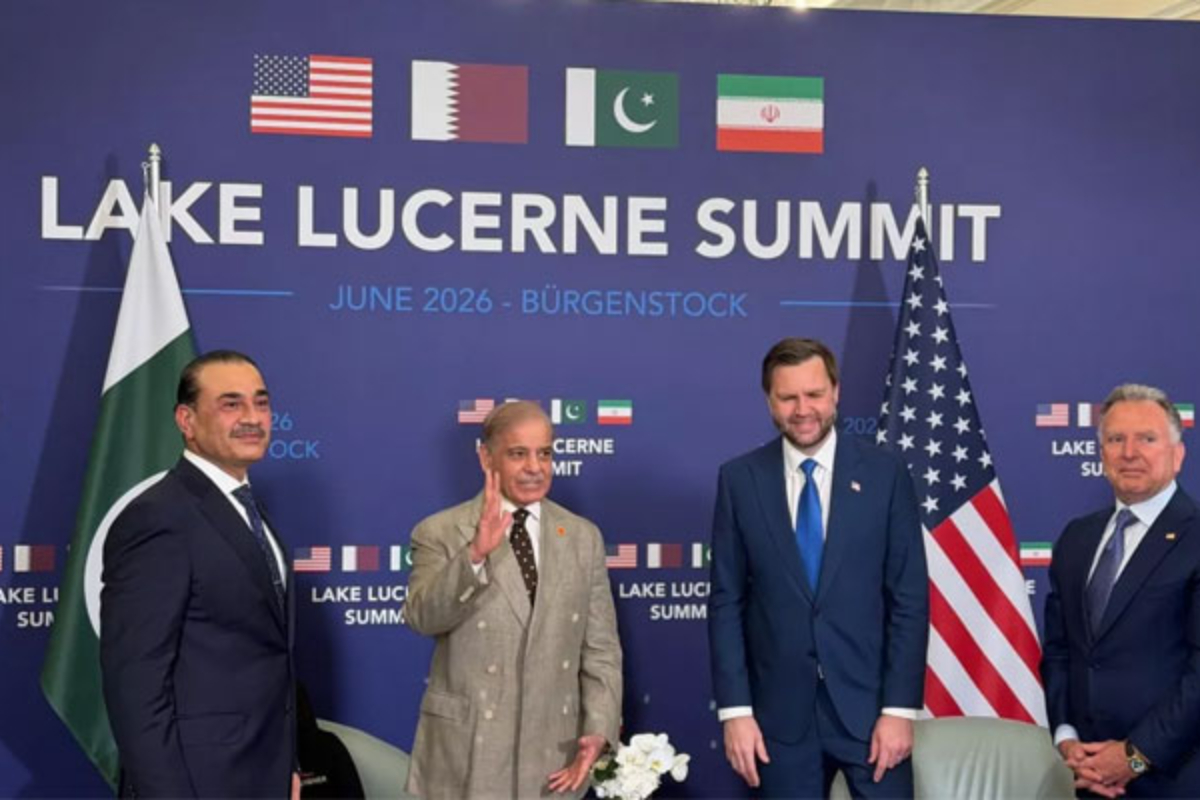
The announcement came as an Iranian delegation headed to Switzerland for talks with U.S. officials, while senior American envoys, including Middle East negotiator Steve Witkoff, were already reported to be in the region.

No timeframe was given for how long the closure would remain in effect.