BREAKING NEWS
Advertise with us >

Iran hints at possible Geneva meeting with US delegation

Iran hints

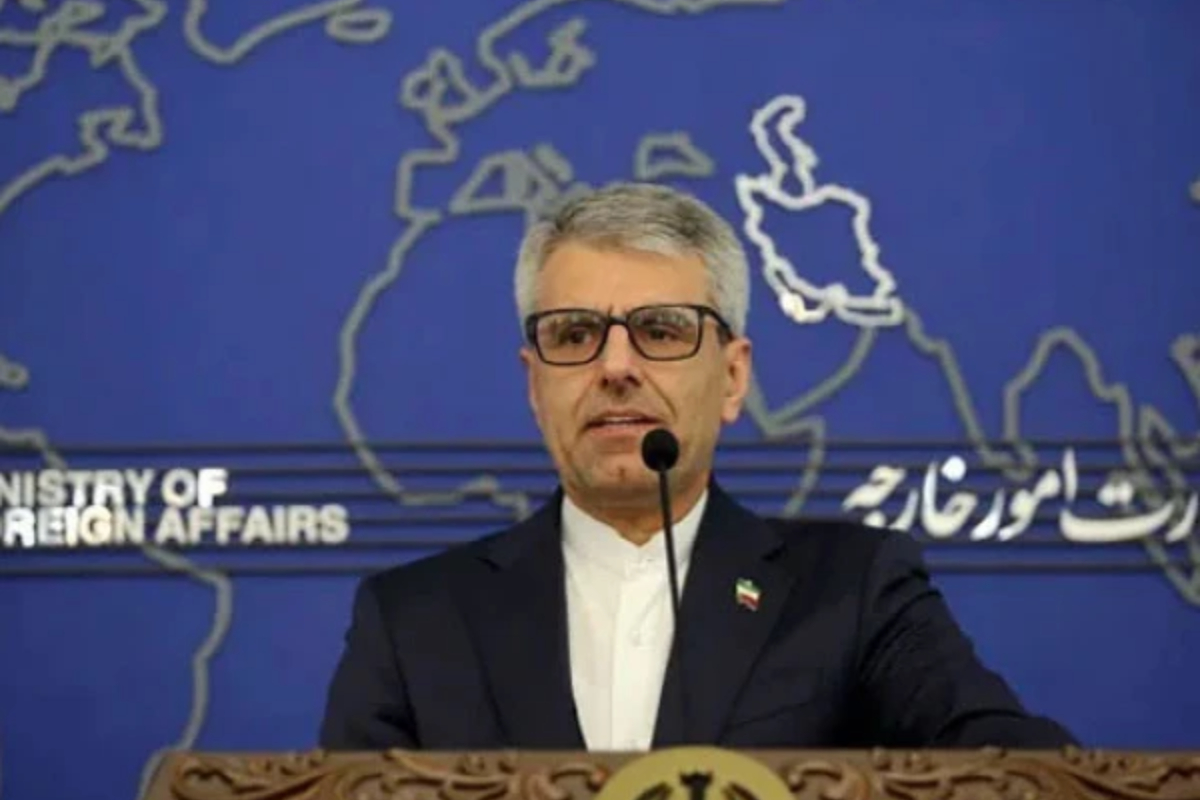
TEHRAN: Iranian Foreign Ministry sources have said that a meeting between US and Iranian delegations in Geneva is possible as diplomatic efforts continue to move forward.

According to Iranian officials, discussions between the two sides could take place in Geneva to advance negotiations on a broader understanding, provided the process is not disrupted by external interference.

A legal team at Iran’s Foreign Ministry told reporters that progress could be made if efforts by Israel to “derail the process” are avoided, adding that mistrust remains extremely high due to past experiences.

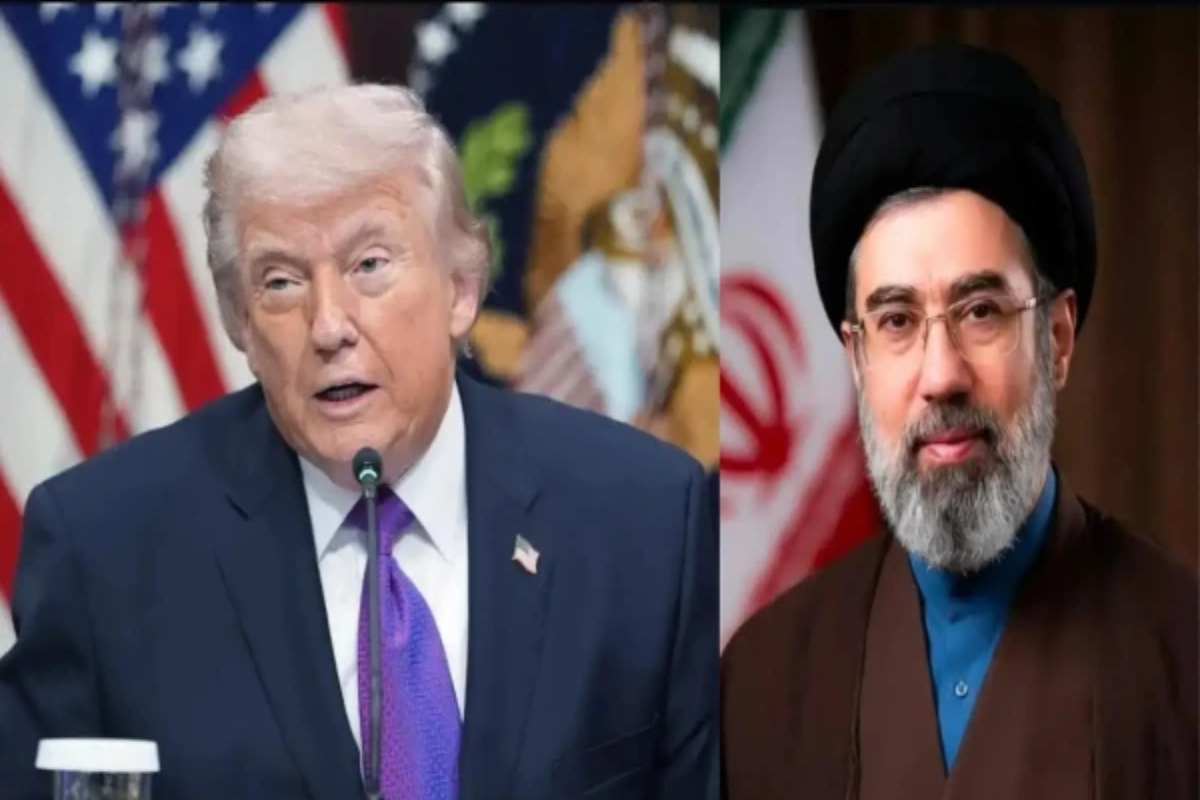
US President Donald Trump earlier suggested that a deal with Iran could be signed by the end of the week at a European venue, although he did not specify the country.

The Iranian side declined to share details of any potential agreement, saying only that outcomes remain uncertain given the fragile nature of negotiations.

Some Western media outlets have referred to the emerging framework as the “Islamabad Agreement,” though there has been no official confirmation of such naming.

Arab media reports also claimed that a Pakistani delegation of legal experts may be present at the signing ceremony, but Pakistan’s Foreign Office has not confirmed or denied the reports at the time of filing.

Diplomatic observers say the situation remains fluid, with both sides maintaining cautious optimism amid deep-seated mistrust.

Trump signals progress toward strong deal with Iran

Trump signals

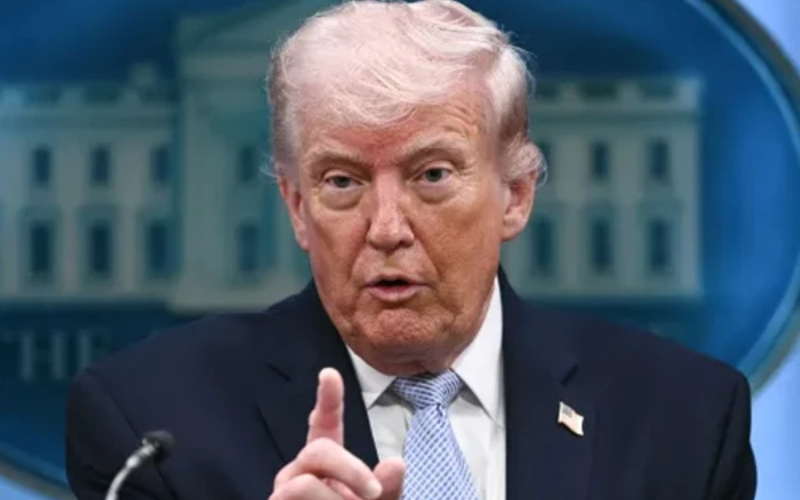
WASHINGTON: US President Donald Trump said the United States is close to reaching a “strong and effective” agreement with Iran, adding that diplomatic pressure, including restrictions on Iranian ports, has placed greater strain on Tehran than military action.

Speaking to reporters, Trump said Washington and Tehran were approaching a “very good, strong and powerful deal,” suggesting that negotiations were in their final stages.

He claimed the United States could continue military strikes on Iran for another two to three weeks if it chose to do so, but said such action would result in significant casualties, which he wants to avoid.

Trump said diplomatic engagement would be more effective than military operations and expressed hope that both sides could reach an agreement “stronger than war.”

The president also said that economic pressure and earlier U.S. measures had significantly weakened Iran’s economy, potentially pushing Tehran toward accepting a deal.

He added that wider bombing could have led to a prolonged closure of the Strait of Hormuz, with serious consequences for global energy supplies and the international economy.

Trump further expressed optimism about broader peace efforts in the Middle East, saying the parties involved were in the “final stages” of discussions.

When asked about the timeline, he suggested a potential breakthrough could emerge within the next two to three days.

His remarks come at a time of heightened regional tensions, with ongoing diplomatic efforts and ceasefire discussions between Iran and Israel drawing global attention.

Trump urges Iran and Israel to halt attacks as China calls for restraint

Trump urges

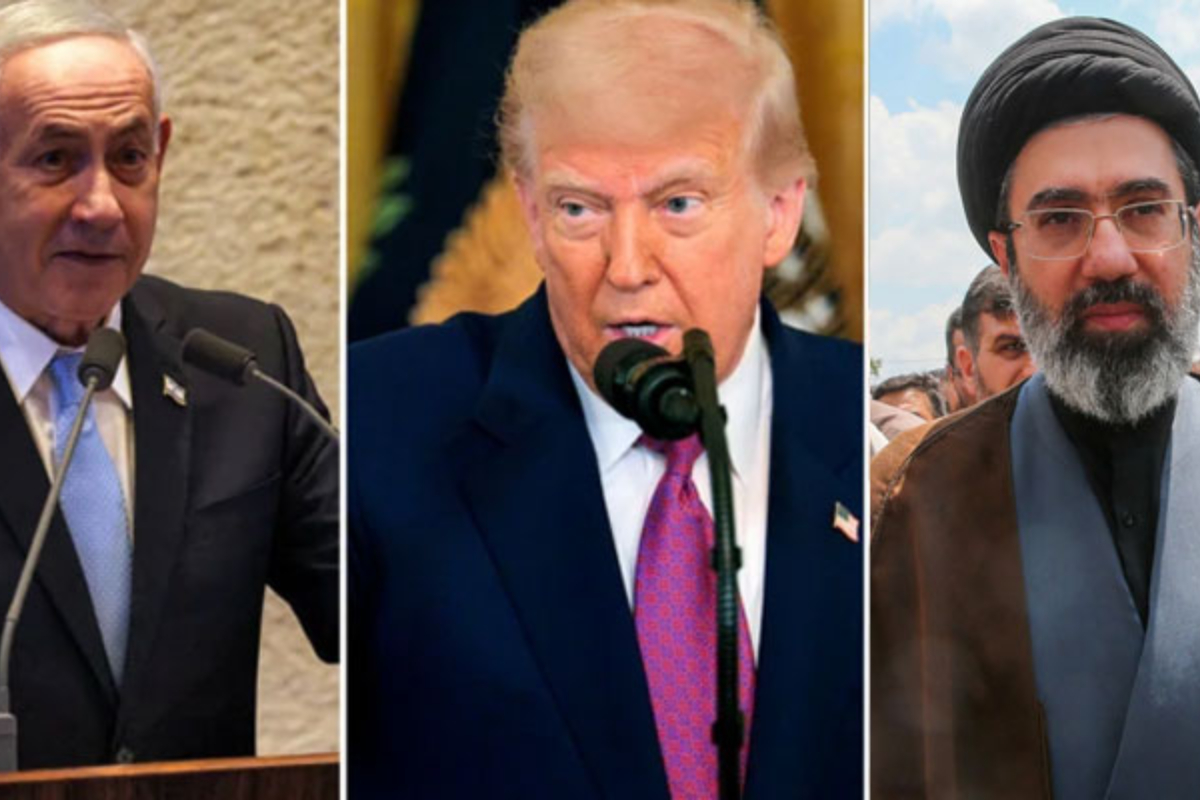
WASHINGTON: US President Donald Trump on Monday called on Iran and Israel to immediately stop attacking each other, amid escalating hostilities in the Middle East.

In a post on social media, Trump wrote: “Iran and Israel should stop the attacks immediately,” urging both sides to de-escalate rising tensions.

Meanwhile, China expressed deep concern over the latest situation in the region. A spokesperson for the Chinese Foreign Ministry said renewed hostilities would serve no party’s interests and called for both Iran and Israel to maintain a ceasefire.

The developments come as both countries have exchanged multiple strikes since the previous day, raising fears of further escalation.

According to earlier reports, Trump had also spoken by phone with Israeli Prime Minister Benjamin Netanyahu, warning against further escalation. However, shortly after the call, Israel reportedly launched missile strikes on Iran, prompting retaliatory attacks from Tehran.

Tensions between Iran and Israel have sharply intensified, with both sides continuing military actions despite growing international calls for restraint.

PM Nawaf Salam warns Iran over ‘use of Lebanon as bargaining chip

PM Nawaf Salam

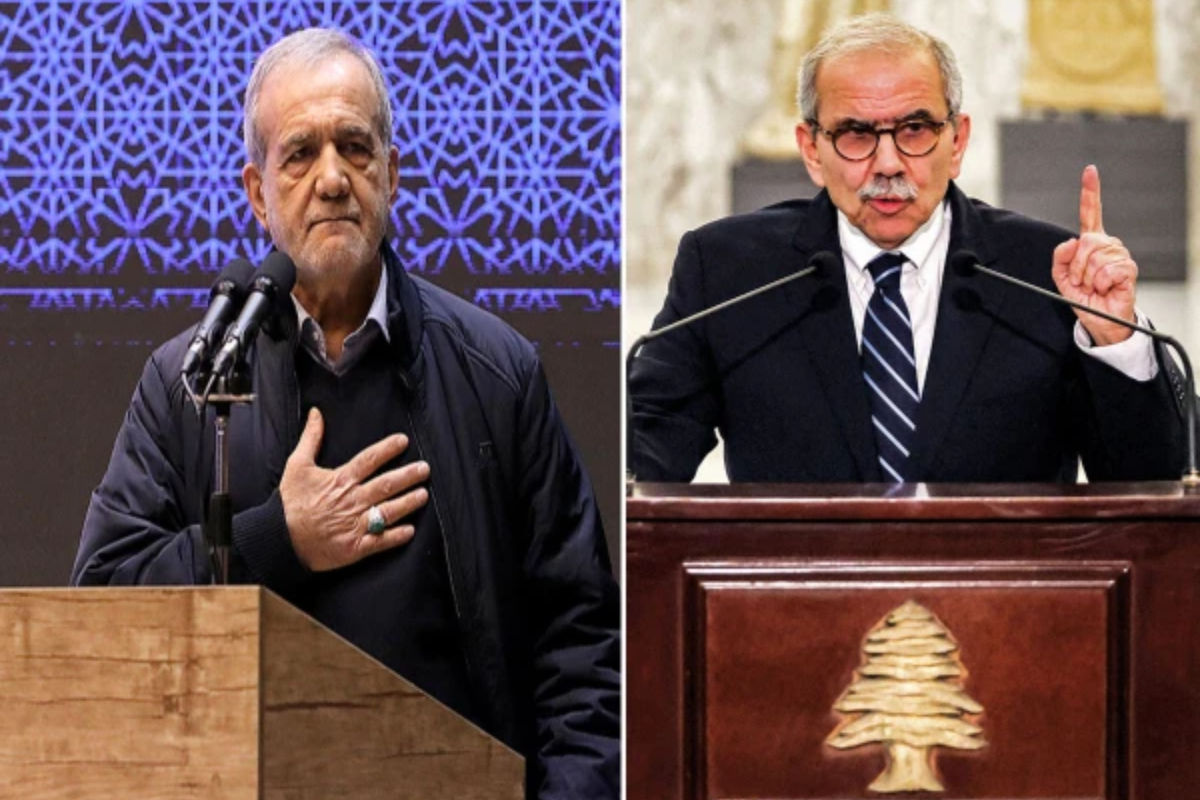
BEIRUT: Lebanese Prime Minister Nawaf Salam has warned Iran to stop using Lebanon as a “bargaining chip” in its negotiations and urged the international community to prevent Israel from targeting civilians and destroying southern Lebanon, according to international media reports.

Speaking at a press conference in Beirut while appealing to the United Nations for urgent humanitarian assistance, Nawaf Salam said Lebanon should not be treated as leverage in regional negotiations.

“If I have one message for Iran, it is this: have mercy on our southern regions and stop using this area and its people as a bargaining chip to improve your negotiation terms,” he said.

He stressed that Lebanon is not part of anyone’s political or military “game” and that the south of the country should not be treated as a “safe front” for conflict.

The Lebanese prime minister’s remarks come amid ongoing tensions between Hezbollah and Israel, although a U.S.-brokered ceasefire agreement was signed in Washington earlier this week between Lebanon and Israel.

Salam also called for urgent international humanitarian support, noting the scale of displacement and destruction in southern Lebanon. He said the government’s relief plan includes financial assistance for around one million displaced people and approximately 50,000 residents in southern areas.

He reaffirmed that ensuring the safe return of displaced citizens remains the government’s top priority and said Lebanon has chosen a difficult path by prioritizing negotiations to secure Israeli withdrawal and restore stability in affected regions.

Iran, Russia sign $25b MoU to expand nuclear energy cooperation

Iran

TEHRAN / MOSCOW: Iran and Russia have signed a memorandum of understanding (MoU) worth $25 billion to expand cooperation in the field of nuclear energy, marking a major step forward in their strategic partnership, officials said.

According to international media reports, the agreement aims to strengthen Iran’s nuclear energy infrastructure and promote joint collaboration on multiple atomic energy projects. Analysts say the deal is expected to deepen both energy cooperation and broader political and economic ties between Tehran and Moscow.

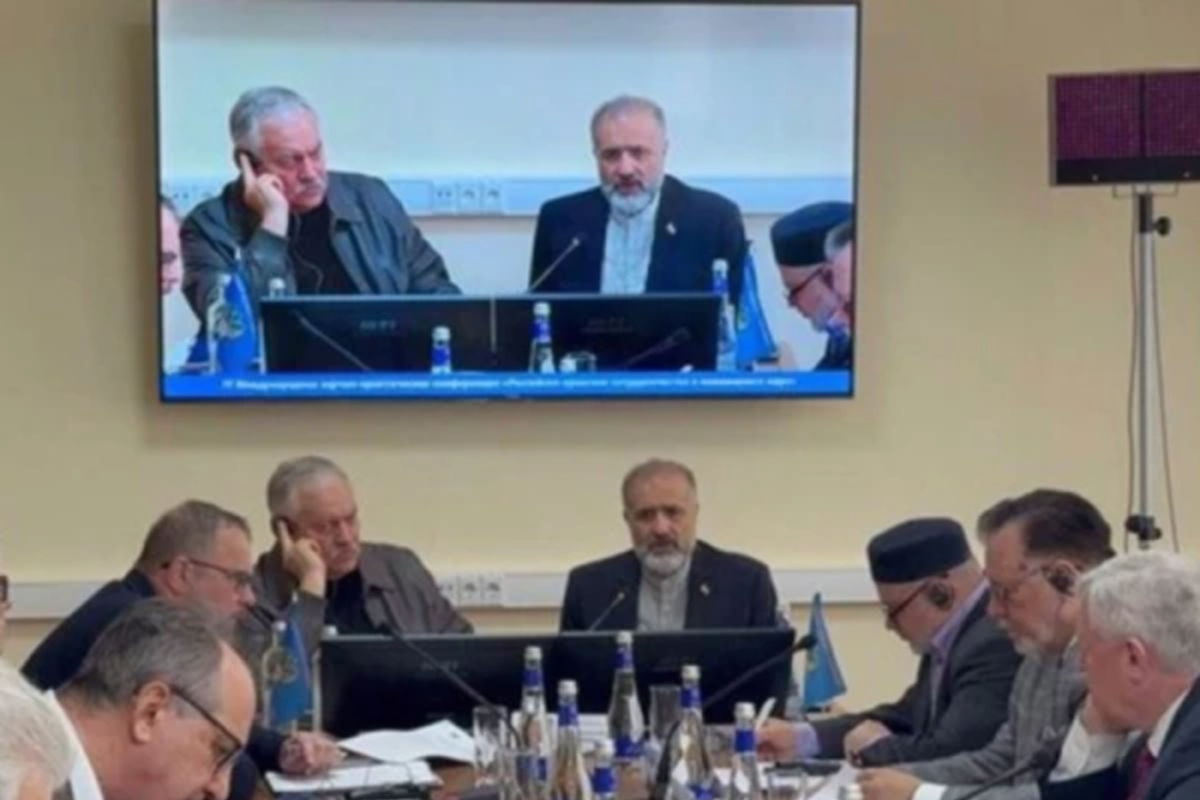
During an online conference held in Moscow, officials and experts from both countries discussed various aspects of the agreement. Iran’s Ambassador to Russia, Kazem Jalali, highlighted key ongoing projects including the expansion of the Bushehr Nuclear Power Plant and the Hormuz nuclear project.

He said the first unit of the Bushehr plant is already operational, while construction work on the second and third units is ongoing. Once completed, the projects are expected to significantly increase Iran’s electricity generation capacity.

Jalali described the $25 billion Hormuz project as Iran’s largest nuclear energy initiative, developed in cooperation between the Russian state nuclear company Rosatom and Iran’s private sector.

He also referred to plans for small-scale nuclear power plants and expressed hope for the early start of practical implementation. According to him, cooperation in advanced nuclear technology will benefit both countries.

The Iranian envoy further noted growing collaboration in energy transit, including Russian gas supplies via Iran, as well as expanding trade links with Eurasian countries. He said cooperation in energy, transport, and technology is rapidly strengthening bilateral relations.

At the conclusion of the conference, Jalali praised Russia’s political support in international forums and reaffirmed both countries’ commitment to expanding cooperation in energy, technology, economic development, and regional affairs.

Iran suspends indirect contacts with US amid escalating Israel-Hezbollah tensions

Iran suspends

TEHRAN: Iran has reportedly suspended indirect diplomatic communications with the United States as tensions continue to rise across the Middle East, according to a report carried by a news agency affiliated with the Islamic Revolutionary Guard Corps.

The report said Iran’s negotiating team has halted the exchange of messages with Washington through mediators, signaling a further deterioration in diplomatic engagement between the two countries.

According to the report, the decision was taken in response to intensified Israeli military operations in Lebanon and Gaza, which Tehran has strongly condemned.

Sources cited in the report said Iran has made it clear that no talks or indirect communications with the United States will resume unless Israeli military actions in Lebanon and Gaza are halted.

Iranian officials also argued that attacks against Hezbollah in Lebanon are exacerbating already heightened regional tensions and pose a threat to stability in the Middle East.

The report further claimed that Tehran views the recent military actions as a violation of an alleged ceasefire understanding reached with the United States on April 8.

There was no immediate official response from either the United States or Israel regarding the reported suspension of indirect contacts or Iran’s claims.

The development comes amid growing uncertainty over regional security and ongoing efforts by international mediators to prevent a wider escalation of conflict across the Middle East.

US, Iran agree to 60-day framework for ceasefire extension and nuclear talks

US

WASHINGTON/TEHRAN: US and Iranian negotiators have reportedly agreed to a 60-day memorandum of understanding (MoU) aimed at extending a ceasefire and launching formal talks on Iran’s nuclear programme, according to US news website Axios citing sources.

The report said US President Donald Trump has not yet given final approval to the agreement.

According to Axios, the proposed MoU would mark the most significant diplomatic breakthrough since the start of the conflict. However, officials cautioned that more detailed and intensive negotiations would still be required to reach a final deal on Iran’s nuclear programme.

US officials said most terms had been agreed by Tuesday, but both sides were awaiting approval from their respective leaderships.

Officials added that the Iranian side later informed negotiators that they had received the necessary approval and were ready to sign, although Tehran has not officially confirmed this.

US negotiators briefed President Trump on the details, but he did not immediately approve the deal. A US official said the president had asked for several days to review the proposal.

Under the reported framework, the agreement would ensure uninterrupted navigation through the Strait of Hormuz, with no tolls or harassment of commercial shipping. Iran would also be required to remove all naval mines from the strait within 30 days.

The MoU would reportedly include commitments from Iran not to pursue nuclear weapons, while both sides would engage in discussions on Iran’s enriched uranium stockpile and uranium enrichment activities.

The US would also reportedly commit to discussing partial sanctions relief and the release of frozen Iranian funds during the negotiation period, along with mechanisms for the delivery of essential goods and humanitarian aid to Iran.

Iran expects FIFA help on US visas ahead of World Cup

Iran expects

TEHRAN: Iran Football Federation expects FIFA to facilitate multiple-entry visas for the Iranian national football team ahead of the 2026 World Cup in the United States, federation president Mehdi Taj said on Thursday.

“FIFA is expected to deliver a multiple-entry visa so that the players can enter the United States and return to Mexico,” Taj said in remarks broadcast by Iranian media.

Known as Team Melli, the Iranian squad had initially planned to set up its training base in Tucson, Arizona, during the tournament. However, the team later shifted its camp to Tijuana, Mexico, which will co-host the World Cup alongside the United States and Canada.

Trump hints at positive outcome in Iran negotiations

Trump hints

WASHINGTON: US President Donald Trump has said that a proposed agreement with Iran has not yet been finalized, but expressed confidence that positive news will emerge, stating that he does not make “bad deals.”

In an interview with ABC News, Trump said the potential deal with Iran would be “completely different” from the agreement reached during former President Barack Obama’s administration.

He said that no one has seen the details of the agreement yet and urged the public not to rely on criticism from those who are not fully informed.

The US president added that previous leadership should have resolved the issue years ago, noting that ongoing negotiations are being conducted in an organized and constructive manner, with the outcome depending on Iran’s decisions.

Trump emphasized that any final agreement must serve U.S. interests and contribute to regional stability.

According to reports, he also shared an image on social media showing a missile mounted under a military aircraft, which drew attention amid ongoing tensions and negotiations with Iran.

UAE official calls Iran’s nuclear program top regional threat

UAE official

ABU DHABI: Senior diplomatic adviser to the United Arab Emirates President Anwar Gargash has said that Iran’s nuclear program is now the region’s most pressing concern, according to international media reports.

Gargash warned that any further escalation between the United States and Iran could significantly complicate the regional security situation.

He said that any changes in the strategic importance or stability of the Strait of Hormuz would have serious consequences not only for the region but also for Europe, urging European countries to view the waterway as a critical energy and trade corridor.

The UAE adviser stressed the importance of pursuing a diplomatic solution, but cautioned that such efforts should not come at the cost of creating further future instability.

He said Iran’s nuclear program had shifted from being a secondary concern to the top priority issue, adding that Iran has the capability to use all available means in its strategic arsenal.

Gargash also noted that relations with the United States have become the backbone of Gulf national defence systems, with Washington playing an increasingly central role in regional security calculations.

In a separate remark, he said the UAE had been considering a possible withdrawal from OPEC over the past three years.