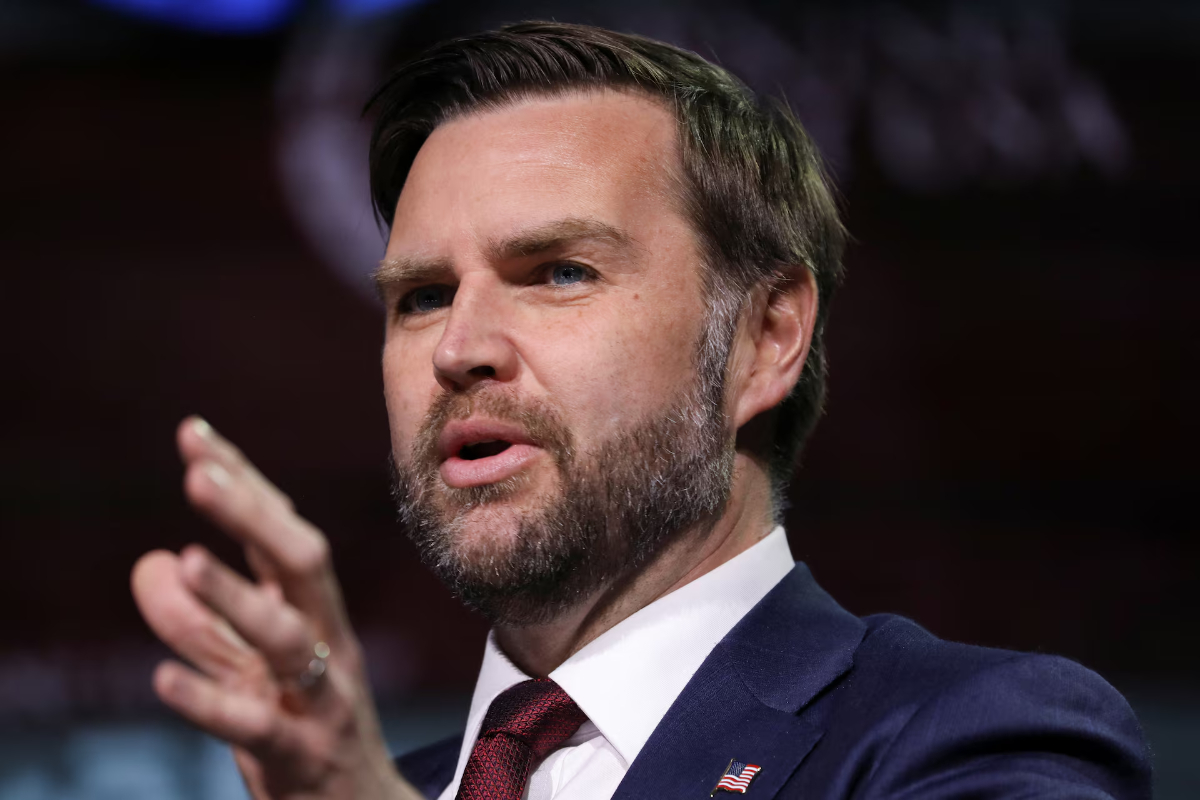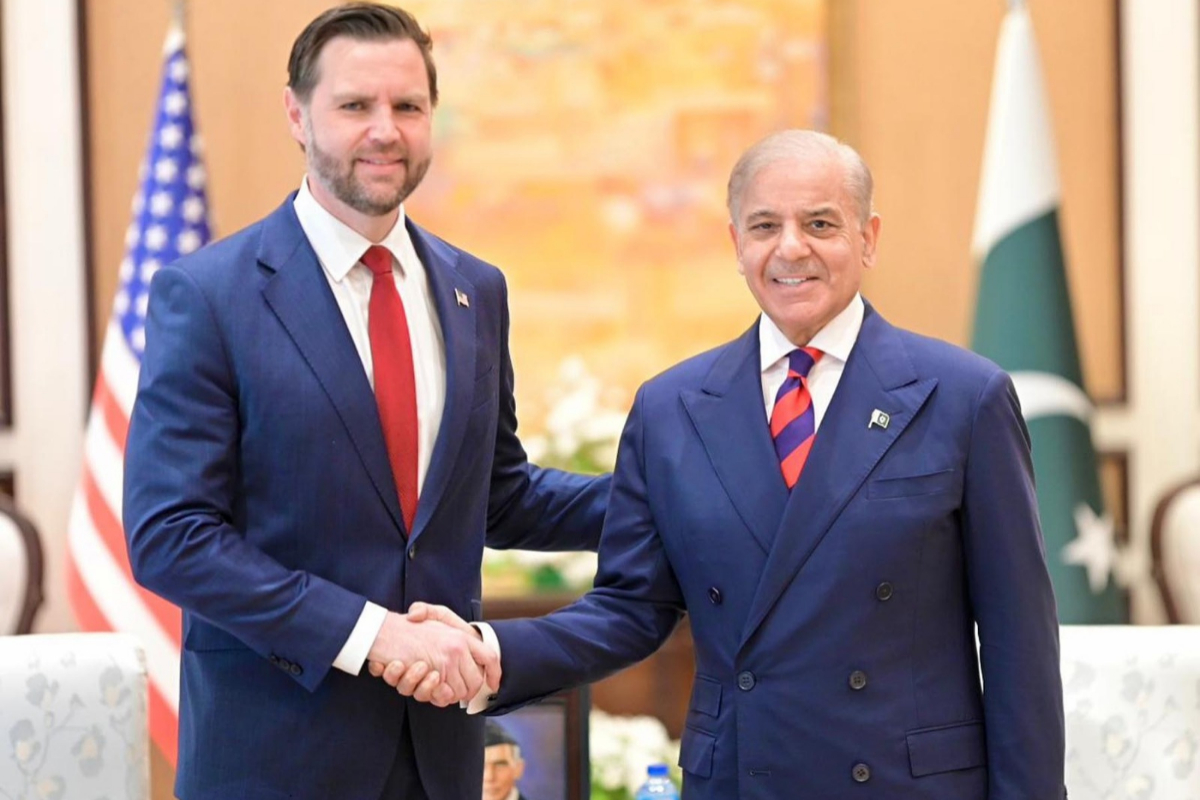
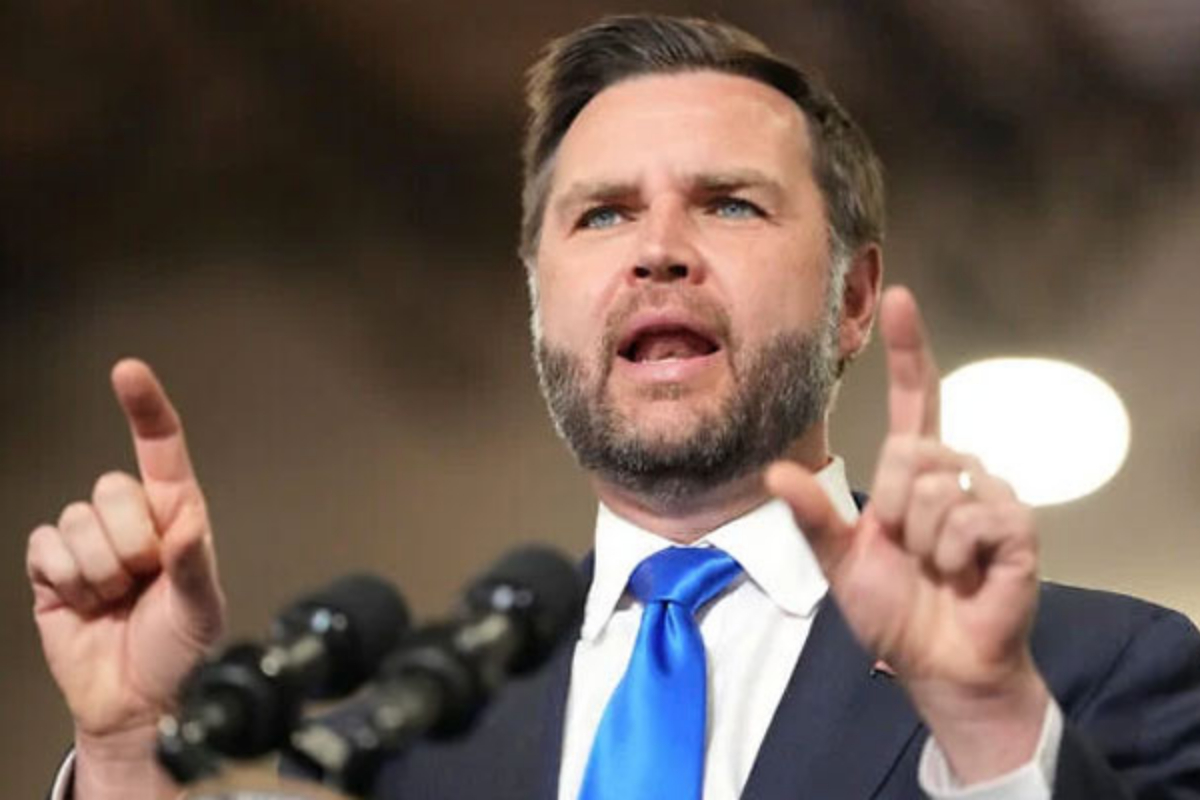
WASHINGTON: US Vice President JD Vance said the United States cannot allow its Middle East foreign policy to become “subservient” to Israel and should prioritize American interests.
Speaking at a conference organized by the All-In Podcast, Vance described Israel as an important U.S. partner in military technology and intelligence sharing but said Washington does not always agree with the Israeli government.
Vance said President Donald Trump had shown a willingness to disagree with Israeli Prime Minister Benjamin Netanyahu when U.S. and Israeli interests differed.
He compared the relationship with Israel to Washington’s partnerships with NATO members, saying that maintaining important alliances does not mean making U.S. foreign policy subordinate to those partners.
“We’re gonna work with people when we work with them, we’re gonna disagree when we disagree. And we’re gonna pursue America’s interests,” Vance said.
US ambassador says Trump-Netanyahu ties remain strong
Separately, U.S. Ambassador to Israel Mike Huckabee said Trump and Netanyahu continue to have a strong relationship.
In an interview with Israeli media, Huckabee said the United States and Israel cooperate closely and rejected the suggestion that Washington’s involvement in the conflict with Iran was solely aimed at defending Israel. He said the United States was acting in its own interests.
Huckabee’s comments came as Vance emphasized that Washington would cooperate with Israel where interests align but would pursue an independent foreign policy when the two countries disagree.