
BREAKING NEWS
Advertise with us >

JD Vance says US foreign policy cannot follow Israel’s lead

JD Vance

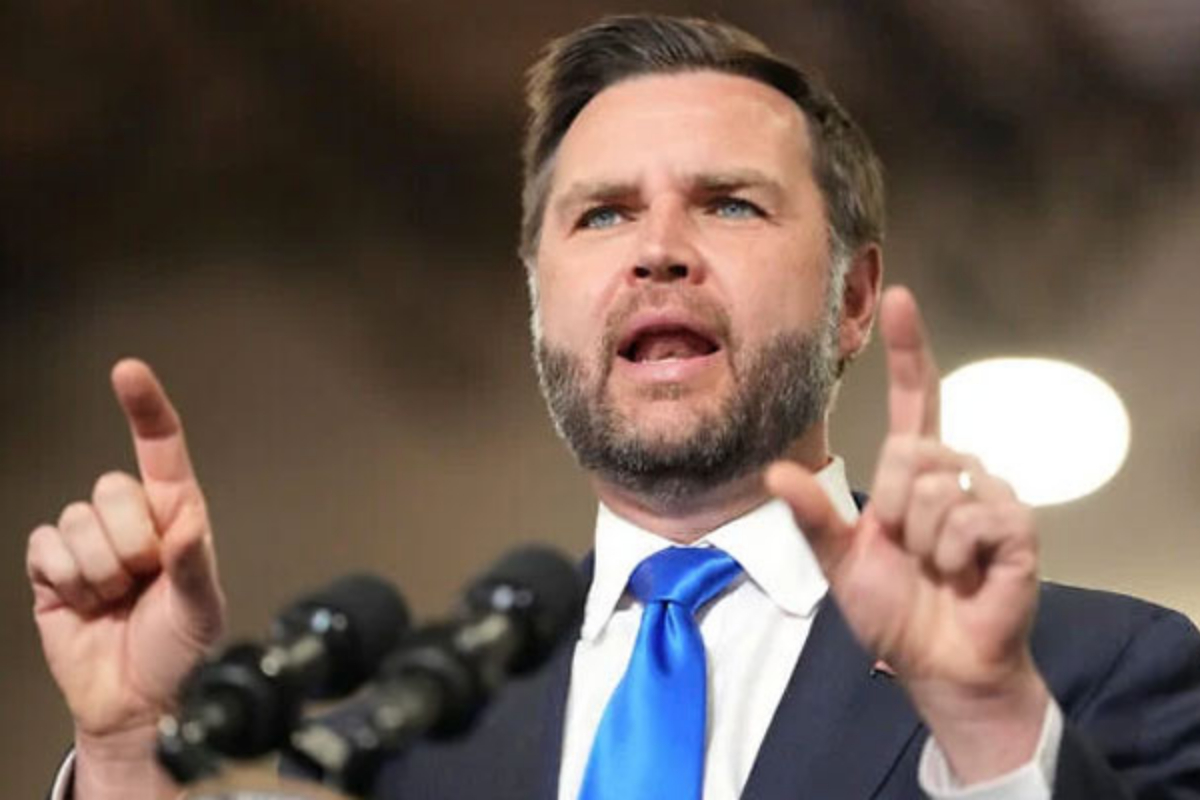
WASHINGTON: US Vice President JD Vance said the United States cannot allow its Middle East foreign policy to become “subservient” to Israel and should prioritize American interests.

Speaking at a conference organized by the All-In Podcast, Vance described Israel as an important U.S. partner in military technology and intelligence sharing but said Washington does not always agree with the Israeli government.

Vance said President Donald Trump had shown a willingness to disagree with Israeli Prime Minister Benjamin Netanyahu when U.S. and Israeli interests differed.

He compared the relationship with Israel to Washington’s partnerships with NATO members, saying that maintaining important alliances does not mean making U.S. foreign policy subordinate to those partners.

“We’re gonna work with people when we work with them, we’re gonna disagree when we disagree. And we’re gonna pursue America’s interests,” Vance said.

US ambassador says Trump-Netanyahu ties remain strong

Separately, U.S. Ambassador to Israel Mike Huckabee said Trump and Netanyahu continue to have a strong relationship.

In an interview with Israeli media, Huckabee said the United States and Israel cooperate closely and rejected the suggestion that Washington’s involvement in the conflict with Iran was solely aimed at defending Israel. He said the United States was acting in its own interests.

Huckabee’s comments came as Vance emphasized that Washington would cooperate with Israel where interests align but would pursue an independent foreign policy when the two countries disagree.
JD Vance visit to Pakistan postponed as Iran talks remain unclear

JD Vance

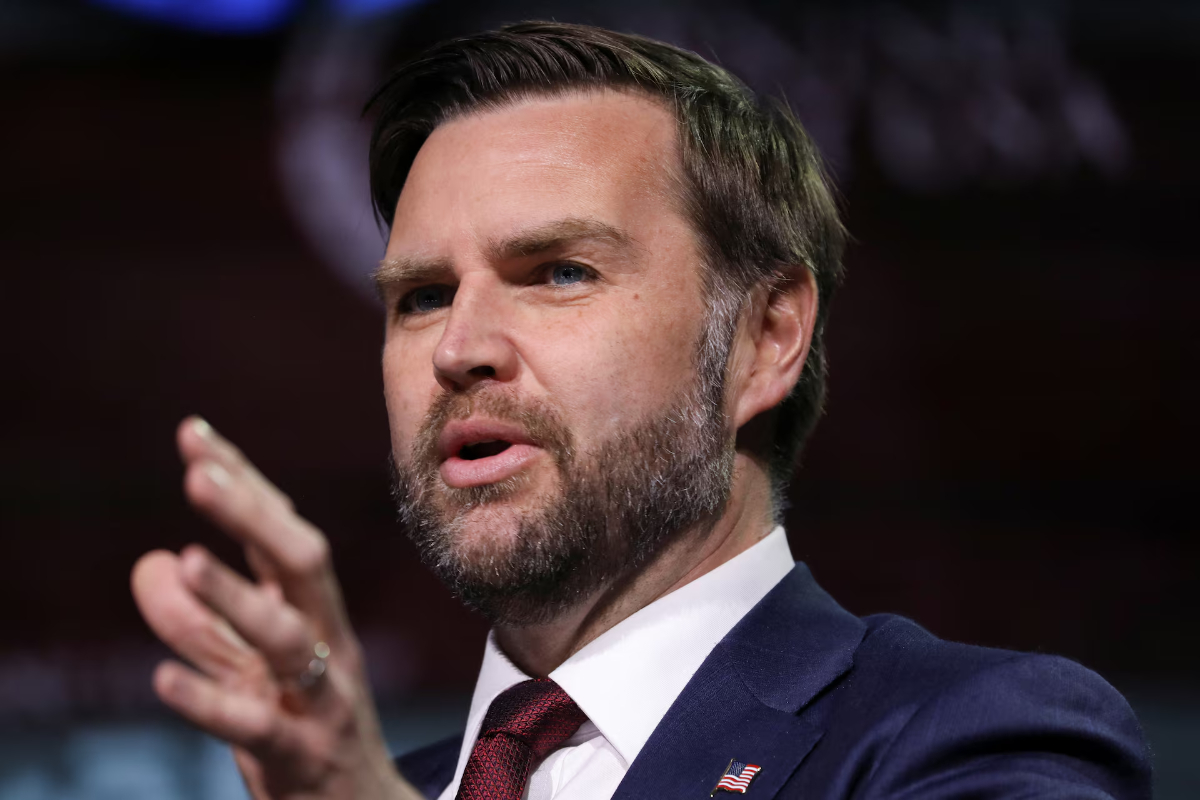
ISLAMABAD: The planned visit of US Vice President JD Vance to Pakistan for the second round of Iran-US negotiations has been postponed, according to American media reports.

Sources said the delay comes after Iran did not respond regarding participation in the upcoming talks. However, US officials familiar with the matter indicated that the visit could be rescheduled at any time.

Meanwhile, Minister for Information Atta Tarar stated that the ongoing Iran-US ceasefire is set to expire at 4:50 AM (Pakistan time) on April 22.

According to reports, the two-week ceasefire between Iran and the United States is nearing its end, with uncertainty still surrounding the next steps from both sides.

US media further reported that negotiations could resume at any moment, although President Donald Trump has indicated he is not in favor of extending the ceasefire without a long-term agreement.

On the other hand, Iran has stated that no decision has yet been made regarding sending a delegation to Islamabad for talks. Iranian Foreign Ministry spokesperson Esmaeil Baghaei said that participation in the negotiations would depend on whether they prove meaningful and productive.

He also strongly criticized US actions against Iranian vessels, calling them a serious violation of international law, “maritime piracy,” and “state terrorism.” He added that such actions further deepen Iran’s distrust of the United States and raise serious questions about Washington’s intentions.

JD Vance emphasizes priority to prevent Iran from obtaining nuclear weapons

JD Vance

US Vice President JD Vance stated that the United States’ top priority is to ensure that Iran does not acquire nuclear weapons.

In a recent statement, Vance described the second round of negotiations with Iran as constructive in certain areas, but noted that Tehran is still not prepared to discuss some of the red lines set by President Trump.

“We will continue to work on this issue,” Vance said, adding that the President has the authority to declare at any time that diplomatic efforts have run their course.

Vance expressed hope that such a situation would not arise, stressing that any decision to end talks would ultimately depend on the President. He declined to specify the red lines in his comments.

The remarks underline the ongoing U.S. focus on nuclear non-proliferation in the Middle East while maintaining diplomatic engagement with Iran.