
BREAKING NEWS
Advertise with us >

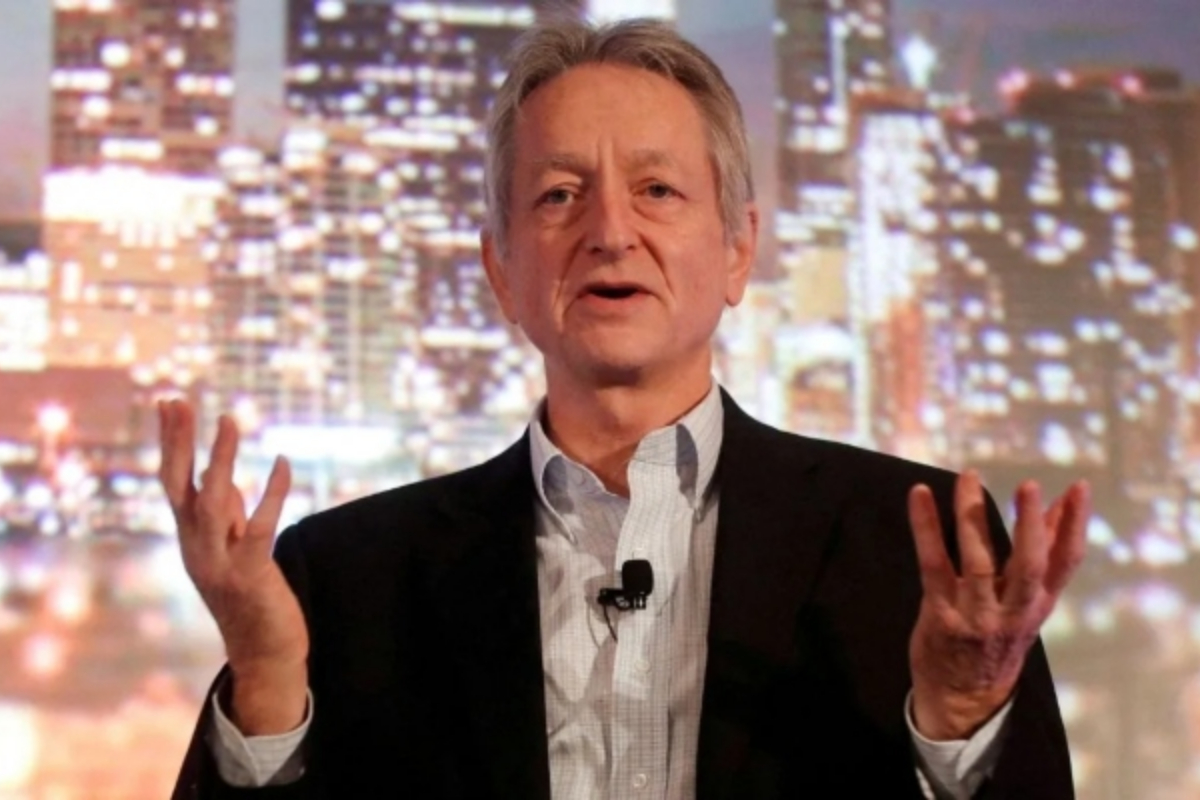
Geoffrey Hinton warns AI could put millions out of work

Geoffrey Hinton

TORONTO: Artificial intelligence could cause widespread job losses and leave millions of people unemployed, according to computer scientist Geoffrey Hinton, widely regarded as one of the pioneers and “godfathers” of AI.

Hinton, a professor at the University of Toronto and winner of the 2024 Nobel Prize in Physics for work related to machine learning, has warned that companies could increasingly turn to AI systems to perform tasks currently handled by human workers at lower costs.

Speaking at Georgetown University, Hinton said companies were investing heavily in AI infrastructure, including data centers and computer chips, to accelerate automation. He said businesses would seek returns on those investments by developing and selling AI systems capable of replacing human labor.

Hinton said the pursuit of profits could ultimately encourage companies to replace employees with AI tools. Although AI would create new jobs, he said the number of positions created could be smaller than the number of jobs lost.

He acknowledged that predicting the long-term impact of AI is extremely difficult because no one knows what the technology will look like a decade from now.

Hinton has repeatedly warned about the potential dangers of advanced AI. He has previously estimated that there is a 10% to 20% chance that AI could eventually contribute to the extinction of humanity, while stressing that the risks need to be openly discussed.

He has also warned that AI systems could become more intelligent than humans within the next two decades. Hinton has described the prospect as frightening, comparing current AI development to a three-year-old child that could grow rapidly.

Hinton’s concerns come as other technology leaders make similarly significant predictions about AI and employment. Nvidia CEO Jensen Huang has said AI could affect almost every profession and shorten working hours, while Microsoft co-founder Bill Gates has suggested that humans could gradually become unnecessary for many tasks. Elon Musk has predicted that most people may not need to work within the next 20 years.

Hinton’s research helped establish the foundations of modern machine learning, enabling computers to perform tasks associated with human intelligence. However, he has become increasingly vocal about the need to make AI safer.

He left Google in 2023, saying he was concerned that the technology could be misused by malicious actors to harm people.

Hinton has compared the potential impact of AI with the Industrial Revolution. He said machines had already surpassed humans in physical strength, while AI could similarly begin replacing aspects of human intelligence.

Asked what life might look like in 10 or 20 years, Hinton said much would depend on how political systems respond to the technology.

He also acknowledged that AI could have major positive effects, particularly in medicine, and could improve productivity across almost every industry. However, he said the rapid development of the technology should be approached with greater caution.

ChatGPT sets global record as it crosses 1 billion users

ChatGPT sets

WASHINGTON: Artificial intelligence-powered chatbot ChatGPT has set a global record for rapid user growth, reaching 1 billion users worldwide within just three years of its launch, according to reports.

Since its introduction in November 2022, ChatGPT has been used by hundreds of millions of users globally, driving a surge in demand for artificial intelligence-based tools and prompting major technology companies to accelerate development in the AI sector.

The milestone makes ChatGPT one of the fastest-growing digital platforms in history, surpassing major social media applications in the speed of user adoption.

By comparison, TikTok took 5.1 years to reach 1 billion users, Instagram required 7.7 years, YouTube reached the milestone in 8.1 years, and Facebook took 8.7 years.

According to a Reuters report, ChatGPT reached the 1 billion-user mark in May 2026.

Data from Sensor Tower indicates that rival AI chatbot Claude is also gaining traction, with around 56 million monthly active users. However, ChatGPT continues to dominate the AI chatbot market, with strong year-on-year growth.

Experts say the rapid rise of ChatGPT highlights how AI assistants are becoming deeply integrated into daily life, increasingly used for writing, planning, coding, research and other productivity tasks.

The development underscores the growing role of artificial intelligence tools in reshaping global technology trends and digital communication.

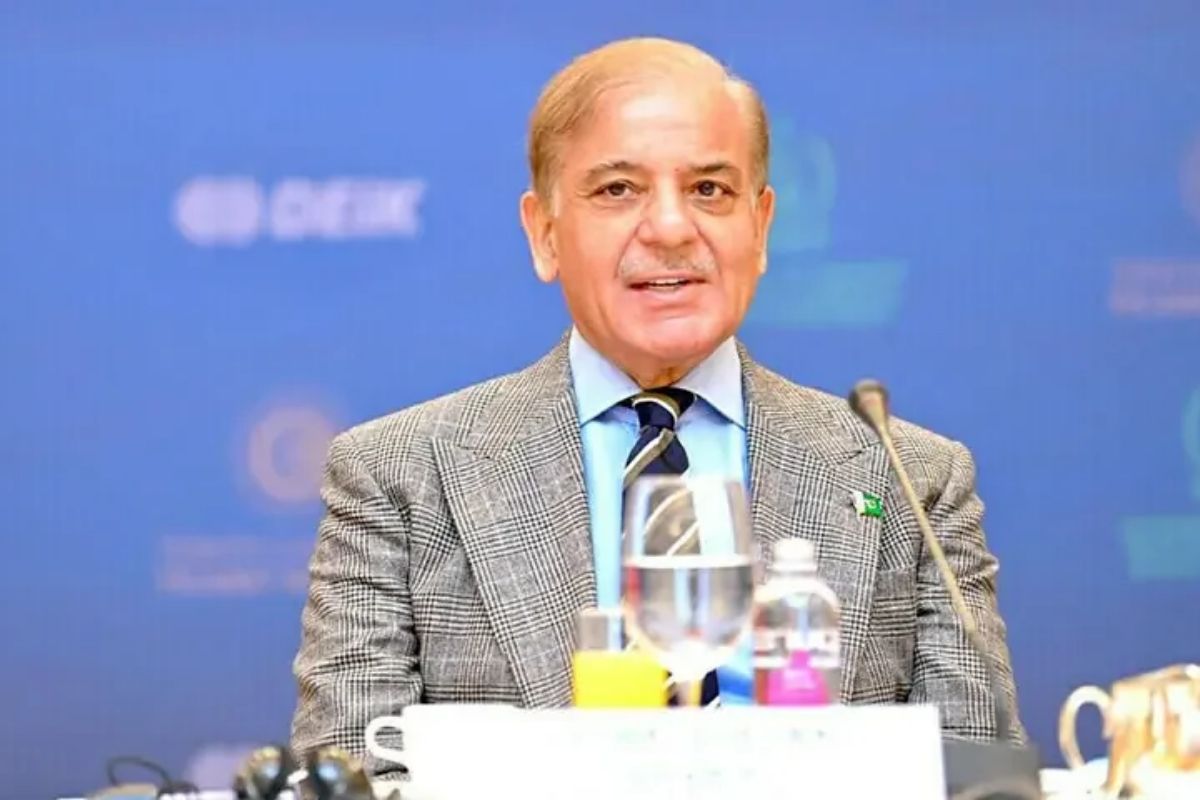
Pakistan to invest $1bn in Artificial Intelligence sector by 2030

Pakistan to invest

Prime Minister Shehbaz Sharif announced that the federal government will invest $1 billion in Pakistan’s artificial intelligence (AI) sector by 2030, aiming to build a future-ready digital economy and empower the country’s youth.

Addressing the inaugural session of Indus AI Week, the prime minister said the investment would be used to develop a strong and inclusive AI ecosystem across the country.

He revealed that AI will be introduced into the curriculum of all federally run schools, while 1,000 fully funded PhD scholarships in artificial intelligence will be offered nationwide by 2030.

In a major skills initiative, the prime minister also announced the launch of a nationwide programme to train one million non-IT professionals in AI-related skills, with the goal of improving productivity and enhancing livelihoods across various sectors.

“We are recovering lost revenues through technology and equipping our young men and women with quality skills in agriculture, commerce and trade,” Shehbaz Sharif said.

Highlighting ongoing digital reforms, the prime minister referred to initiatives such as the laptop distribution programme for high-achieving students in Punjab, establishment of e-libraries in remote areas, introduction of e-stamp papers, and digitisation of land records in collaboration with the World Bank, which he said had helped reduce corruption.

He also noted that Pakistan’s first Safe City project and first IT university were established in Lahore. “We have learned from the past, and today Pakistan is ready to join the global community in AI-driven transformation,” he added.

Minister for Information Technology Shaza Fatima Khawaja said Indus AI Week aims to strengthen collaboration between universities, government institutions and international technology companies, underscoring Pakistan’s commitment to a digital revolution.

 She added that the Pakistan Digital Authority is preparing a nationwide digital master plan to guide future transformation.

Meanwhile, Minister for Planning Ahsan Iqbal said the world has entered an era where intelligence itself has become a key factor of production, with nations now competing on ideas, talent, data and technology rather than traditional commodities.

He described artificial intelligence as a greater disruptor than electricity or the internet, noting that Pakistan’s engagement with technology began more than two decades ago through early IT policies, the establishment of NADRA, and sustained investment in advanced human capital.