BREAKING NEWS
Advertise with us >

SBP’s mid-year policy report points to stronger economic momentum

SBP’s mid-year policy

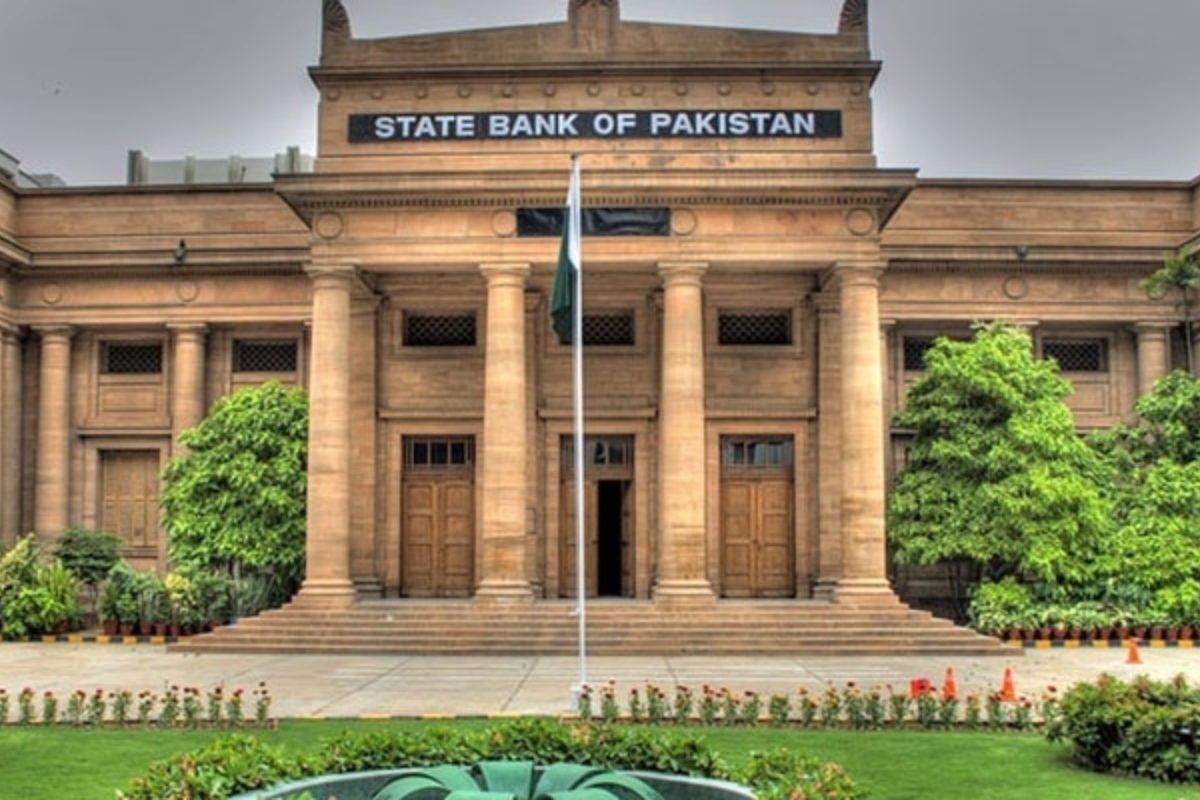
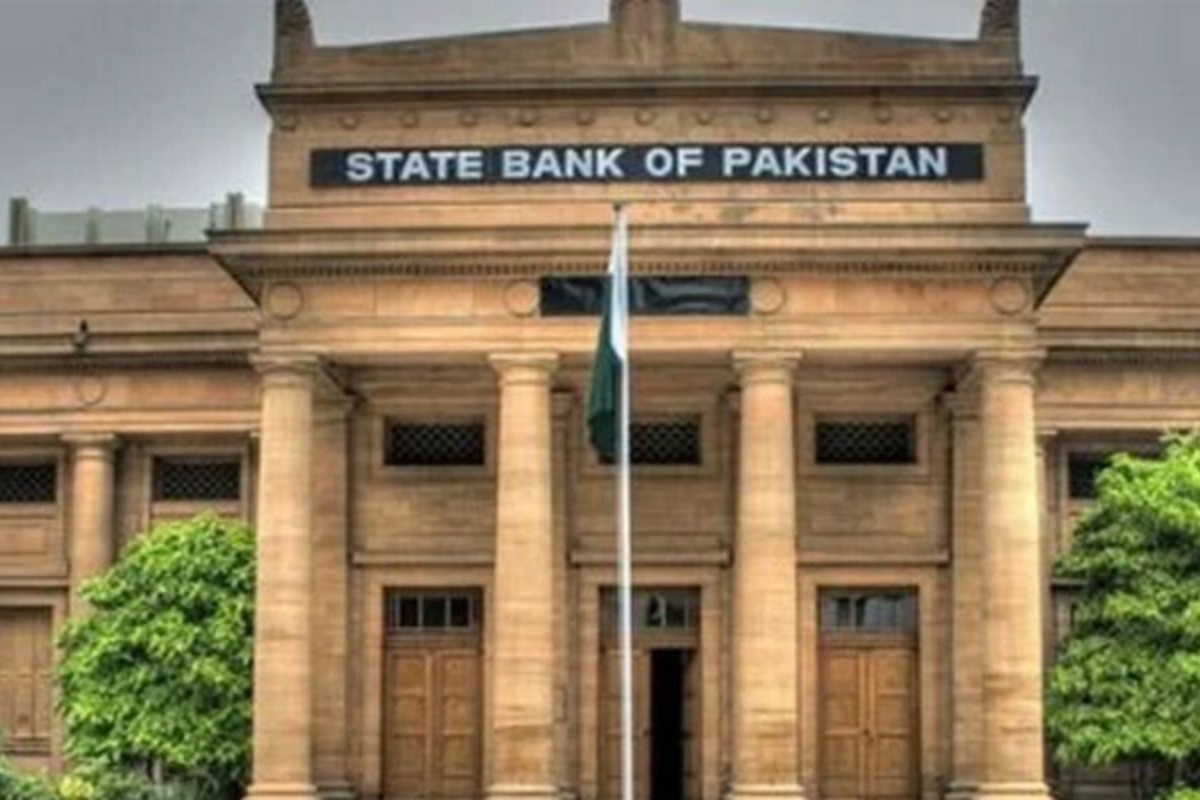
ISLAMABAD: The State Bank of Pakistan (SBP) on Monday released its biannual Monetary Policy Report, highlighting a noticeable improvement in the country’s macroeconomic conditions and outlook, supported by a cautious monetary policy stance and ongoing fiscal consolidation.

According to the report, inflation is expected to remain within the target range of 5 to 7 percent for most of FY2026 and FY2027, although some short-term volatility may occur.

The SBP stated that the current account deficit in FY2026 is projected to remain between 0 and 1 percent of GDP. While the trade deficit is expected to stay elevated, it will likely be partially offset by strong workers’ remittances and planned official inflows.

As a result, Pakistan’s foreign exchange reserves are projected to reach $18 billion by June 2026 and further increase in FY2027, approaching nearly three months of import cover.

The report also noted that continued macroeconomic stability, easing financial conditions, and the recent reduction in the Cash Reserve Requirement (CRR) to 5 percent have contributed to stronger economic activity.

Consequently, growth prospects have improved, with real GDP growth for FY2026 now projected between 3.75 and 4.75 percent, while economic growth is expected to strengthen further in FY2027, reflecting a gradual and sustained recovery trajectory.

Pakistan receives $1.2b tranche from IMF

Pakistan receives

ISLAMABAD: The State Bank of Pakistan (SBP) has received a $1.2 billion installment from the International Monetary Fund (IMF).

Sources confirmed that the funds have been transferred to the SBP account. The IMF had approved the disbursement for Pakistan on 8 December.

The amount represents the third tranche under the current IMF loan program. In addition, the IMF has released an extra $20 million for Pakistan to support climate change-related initiatives.

Fintech Revolution: How Digital Banks Are Changing Pakistan’s Economy

Fintech Pakistan, Digital Banks, SBP, Financial Inclusion, Economy 2025


Pakistan’s new wave of digital banks is transforming financial access, driving inclusion, and redefining how millions save, spend, and invest.


Pakistan’s fintech landscape is evolving rapidly in 2025 as fully digital banks begin to reshape the country’s financial ecosystem. Licensed by the State Bank of Pakistan, these digital-first institutions are introducing seamless mobile banking, faster credit approvals, and low-fee financial services for individuals and small businesses.

Startups such as Sadapay, NayaPay, and Easypaisa are leading this revolution by integrating modern digital tools, biometric verification, and AI-based customer support. As a result, over 20 million Pakistanis now use digital wallets — a milestone that signals a major shift from cash dependency to digital transactions.

Economists believe this transformation could add billions to the national GDP over the next few years. “Fintech is more than convenience — it’s a foundation for inclusive growth,” said an analyst from Business Recorder. Rural areas, previously underserved by traditional banks, are gaining new access to digital credit and remittance options.

However, experts warn that cybersecurity, digital fraud, and low financial literacy remain challenges. The State Bank’s new Fintech Regulatory Sandbox aims to balance innovation with safety, ensuring growth without compromising trust.