
BREAKING NEWS
Advertise with us >

Why do all smartphones look so similar? The science behind the design

Why do

Foldable and flip phones have become increasingly common, but the rectangular smartphone remains the dominant design used by manufacturers around the world.

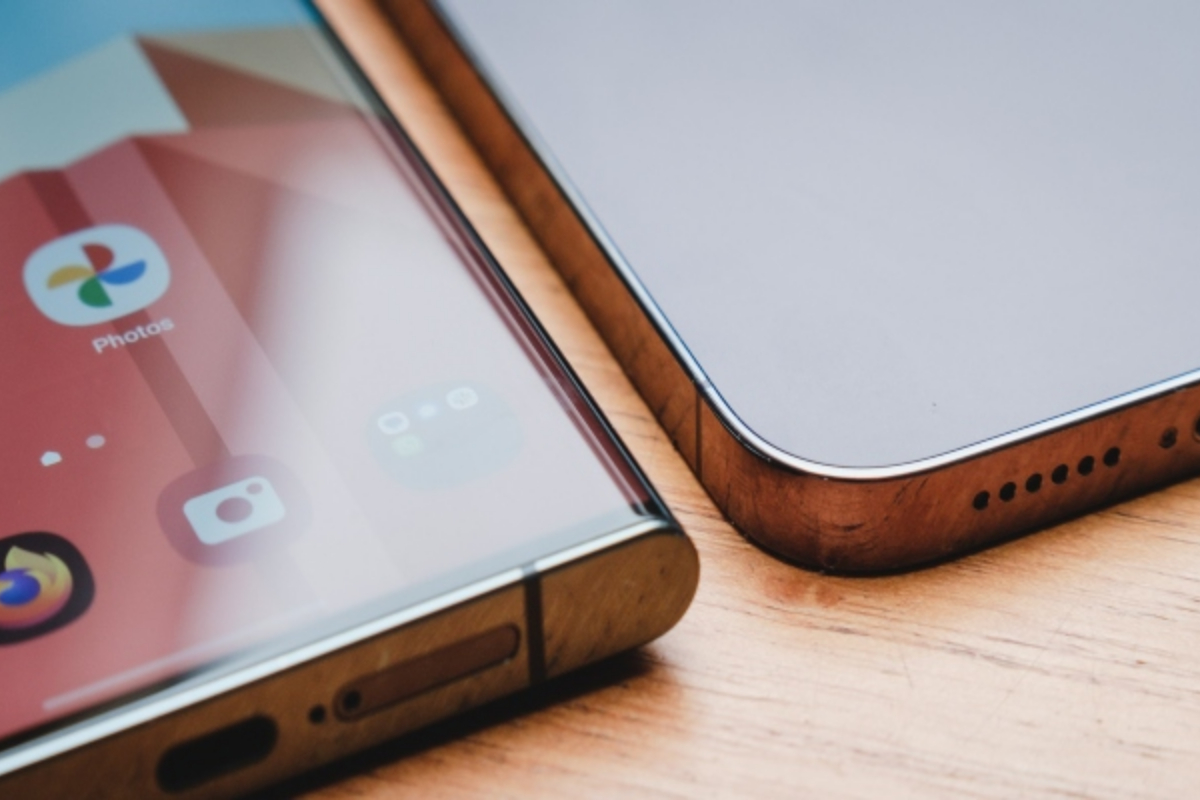
Whether it is an iPhone or an Android device, most smartphones share a similar shape, with a tall rectangular body and rounded corners. The design is not simply a matter of appearance; several practical factors have helped make it the standard.

One of the main reasons is the smartphone display. Modern phones are designed around large screens that cover most of the front of the device. A rectangular shape allows manufacturers to maximize the usable screen area while keeping the device relatively compact.

The shape is also convenient for everyday use. Slim, rectangular phones can easily fit into pockets, handbags and other storage spaces. Their proportions also make them relatively easy to hold and operate with one hand.

Another factor is the internal hardware. Smartphone batteries are generally thin and rectangular, making the shape efficient for arranging components inside the device.

Rounded corners also serve a practical purpose. They make phones more comfortable to hold and can reduce the risk of sharp edges causing discomfort or damage.

Although manufacturers continue to experiment with foldable, flip and other form factors, the rectangular smartphone is likely to remain common because it offers a practical balance between screen size, portability, handling and internal component placement.

Meta CEO predicts AI-powered smart glasses as future

Meta CEO predicts

Meta CEO Mark Zuckerberg has called AI-powered smart glasses the next big innovation, likening their potential impact to the advent of smartphones.

Speaking during Meta’s quarterly earnings report, Zuckerberg said the company is accelerating the development of AI wearable devices and AI models.

He highlighted that billions of people worldwide rely on glasses or contact lenses, and AI-enabled smart glasses could soon become a daily necessity.

Zuckerberg explained, “When flip phones were replaced by smartphones, it became unimaginable to go back. Similarly, in the coming years, it will be hard to imagine most people not using AI glasses.” He noted that Meta’s smart glasses sales tripled in 2025, signaling growing consumer interest.

This is not the first time Zuckerberg has expressed bold predictions about emerging tech. Previously, he envisioned people working and socializing in the metaverse, a scenario that has not yet materialized.

However, current investments and development efforts by companies suggest that AI glasses could become widely popular in the coming years—though whether they will match the popularity of smartphones remains uncertain.

Other tech giants are also entering the market: Google is expected to launch smart glasses in 2026, while Apple plans to introduce its own models within the next one to two years.

Snap Inc., the parent company of Snapchat, is forming a subsidiary focused on AR glasses, and even AI-focused firm OpenAI is exploring wearable devices such as AI earbuds and AI pens.

Currently, Meta leads the smart glasses market, offering several models already available to consumers. The coming years could see a surge in AI-enabled wearables as companies race to redefine how we see and interact with the digital world.