
Many technology terms and abbreviations have become part of everyday life, but their original meanings are not always known to the people who use them.
Here are the full forms and origins of some commonly used technology terms.
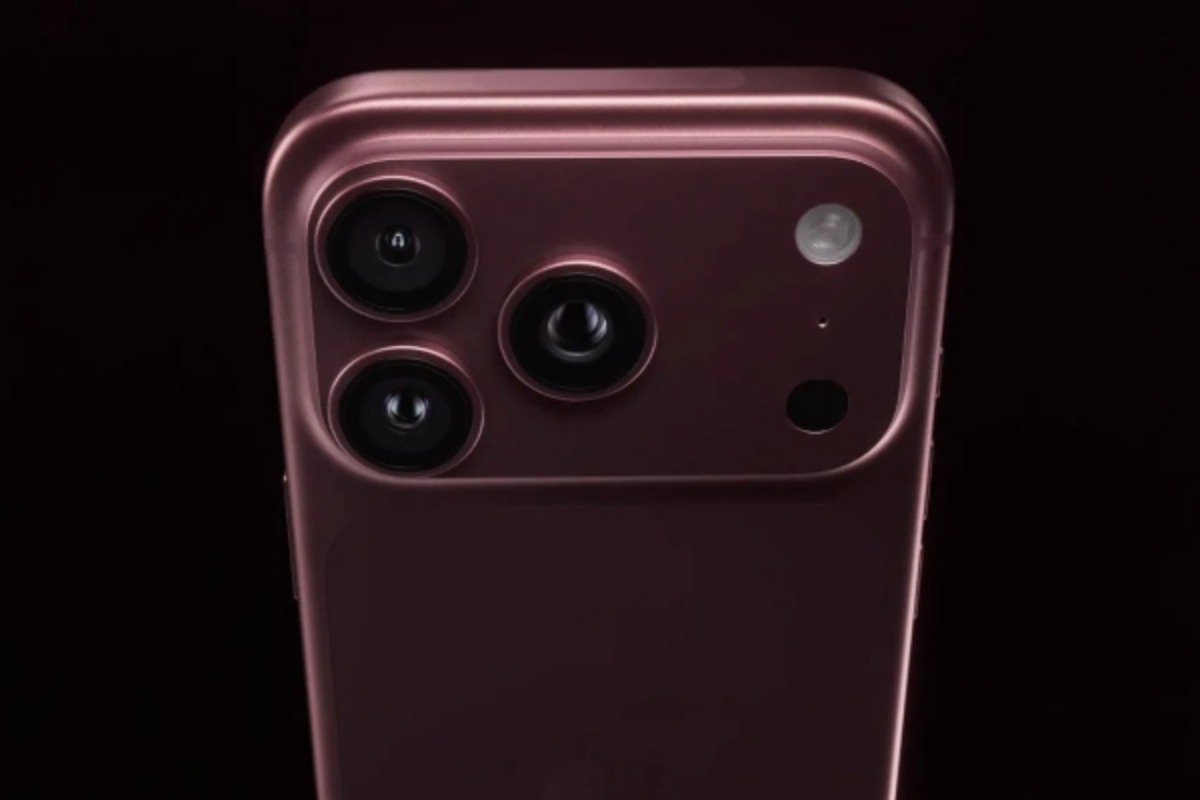
What does the “i” in iPhone mean?
Even people who do not own an iPhone are familiar with the name, but the meaning of the “i” is less widely known.
Steve Jobs explained the meaning in 1998 when he introduced Apple’s iMac computer.
Jobs said the “i” referred to the internet, while also explaining that the letter represented four other words: individual, instruct, inform and inspire.
What does GPT in ChatGPT stand for?
GPT stands for “Generative Pre-trained Transformer.”
“Generative” refers to the system’s ability to generate content, while “pre-trained” reflects the model’s training on large amounts of data. “Transformer” refers to the neural network architecture used by the technology to process and generate responses.
ChatGPT was developed by OpenAI and has become one of the most widely known applications of generative artificial intelligence.
What does SIM stand for?
SIM stands for “Subscriber Identity Module.”
A SIM card contains information that helps a mobile network identify an individual subscriber and enables the user to connect to the network and make calls.
What do CC and BCC mean?
CC stands for “carbon copy,” a term derived from the use of carbon paper to make duplicate copies of documents.
The practice dates back to the era of typewriters, when carbon paper was placed between sheets of paper to create copies without retyping the same text.
In email, CC allows a copy of a message to be sent to additional recipients.
BCC stands for “blind carbon copy.” Recipients added to the BCC field receive the email without their addresses being visible to other recipients.
What does QR stand for?
QR stands for “Quick Response.”
The QR code system was developed in Japan in 1994 by a team led by Masahiro Hara. The technology was designed to address limitations of traditional bar codes, which could store relatively small amounts of information.
QR codes can store large amounts of numbers and characters and can still be read even when part of the code is damaged.
What does Wi-Fi mean?
Unlike many other technology terms, Wi-Fi is not an abbreviation or acronym with a specific full form.
Wi-Fi is a registered trademark of the Wi-Fi Alliance. The official spelling is “Wi-Fi.”
What does USB stand for?
USB stands for “Universal Serial Bus.”
USB technology is widely used for charging devices and transferring data. It is now common in mobile phones, computers, electric vehicles and many other electronic devices.
USB-C has become the standard connector used by many newer devices.