BREAKING NEWS
Advertise with us >

Reko Diq Copper-Gold Project Under ECC Focus: Pakistan Mining Sector Boost

Reko Diq copper-gold project mining operations in Balochistan, Pakistan

Reko Diq Project: ECC Review Boosts Pakistan Mining and Copper-Gold Output

Pakistan’s Economic Coordination Committee (ECC) has intensified scrutiny on the Reko Diq copper-gold project, highlighting its growing importance for the country’s mining sector and overall economic development. The ECC has requested a detailed execution plan for railway agreements and comprehensive financing arrangements, with a target completion date of March 30, 2026.

Infrastructure and railway development for Reko Diq copper-gold project

The Ministry of Railways emphasized that the Reko Diq project is classified as a “qualified investment” under the Foreign Investment (Promotion and Protection) Act 2022. A dedicated railway track will be constructed to transport copper-gold concentrate from the mines in Balochistan to export terminals over 1,350 kilometers. This crucial infrastructure will ensure efficient bulk transport and support large-scale mining operations, reinforcing Pakistan’s position in the global mining industry.

In addition, the ECC approved revised financing arrangements, which focus on environmental sustainability, health and safety, and community development. Major international lenders and creditors are directly arranging the financing, reflecting strong investor confidence in the project.

Global financial institutions have also shown significant commitment. The International Finance Corporation (IFC) has contributed $400 million in subordinated loans, raising its total investment to $700 million. Meanwhile, the Asian Development Bank (ADB) approved a $300 million loan, marking its first investment in mining projects in Pakistan in over four decades. These financial commitments highlight the strategic value of the Reko Diq project.

The Reko Diq project, a joint venture between Barrick Gold, the federal government, and the Balochistan provincial government, is expected to become one of the world’s largest copper-gold mines. With an estimated $74 billion in free cash flow over its 37-year lifespan, production is slated to begin by 2028. The first phase, costing $5.5 billion, aims to produce 200,000 tons of copper annually, with plans to expand output in subsequent phases.

With the ECC overseeing the project’s progress, successful implementation of infrastructure and financing plans will be pivotal in achieving Pakistan’s economic growth goals, strengthening the mining sector, and boosting foreign investment in the country.

References:

  1. BR Recorder: Reko Diq Now Under ECC Focus
  2. BR Recorder: ECC Clears Revised Financing for Reko Diq
  3. Reuters: IFC to Provide $400 Million Loan for Reko Diq
  4. Reuters: Reko Diq Mine to Generate $74 Billion Free Cash Flow

Economy Under Watch: Forex Pressures Continue

Pakistani rupee faces forex pressure as economy struggles with trade deficit and inflation

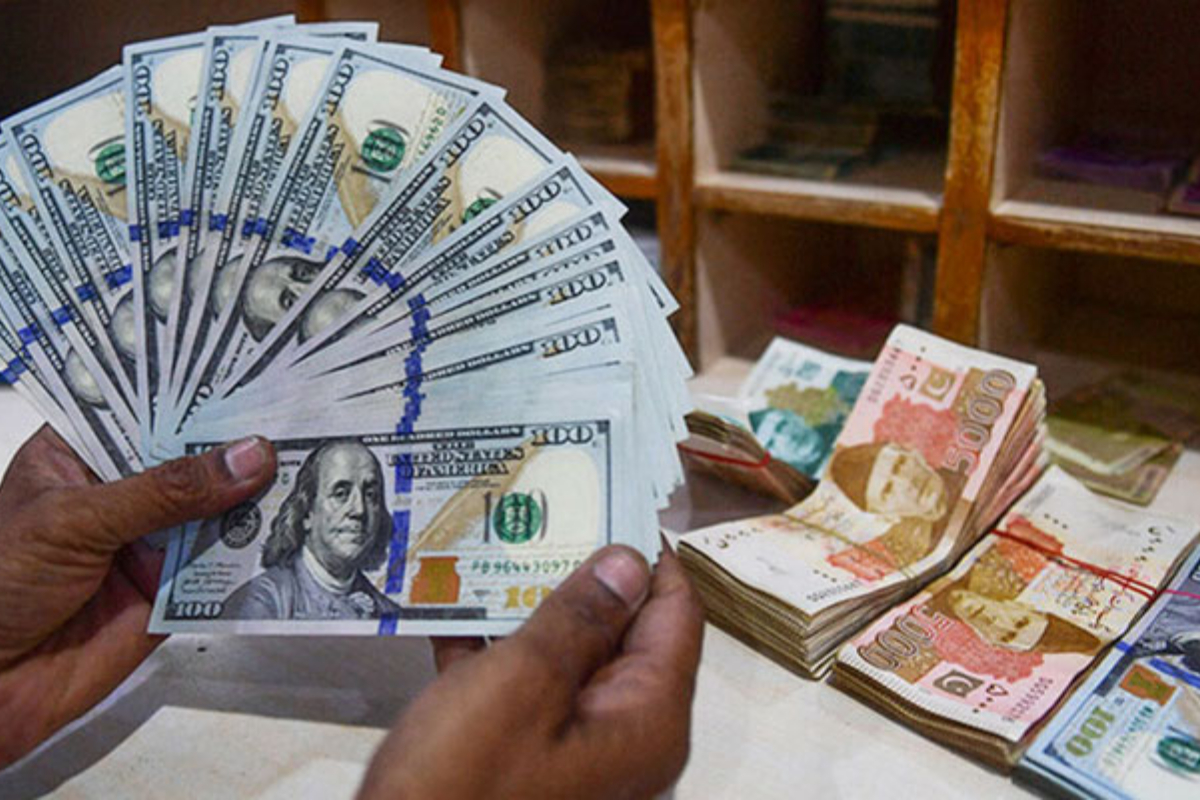
Pakistani rupee faces forex pressure as economy struggles with trade deficit and inflation

Karachi – Pakistan’s economy remains under tight watch as the Pakistani rupee faces volatility in the foreign exchange market. Importers and exporters alike are struggling to cope with the ongoing instability, while analysts caution that without immediate corrective measures, the economic crisis in Pakistan could worsen.

In recent weeks, the rupee has traded in a fluctuating band, reflecting pressure on Pakistan’s forex reserves and uncertainty in international trade. Importers are voicing concerns over rising import costs of raw materials and finished goods, driven largely by rupee depreciation and higher international oil prices. At the same time, exporters are highlighting inconsistent trade policies in Pakistan, which are making it difficult to maintain competitiveness in global markets.

Experts believe that Pakistan’s persistent trade deficit continues to fuel the crisis. The country’s imports remain significantly higher than its exports, increasing pressure on the current account. Unless the government introduces effective reforms in the export sector and reduces dependency on costly imports, the rupee is likely to remain under stress.

Meanwhile, inflation in Pakistan continues to bite households and businesses. Prices of essential commodities such as wheat, sugar, and cooking oil remain high, eroding the purchasing power of ordinary citizens. Small and medium enterprises (SMEs) are also reporting higher operational costs, raising fears of reduced productivity and potential layoffs.

Financial analysts suggest that the government should focus on stabilizing the rupee through tighter fiscal discipline, ensuring consistency in trade and tax policies, and encouraging foreign direct investment (FDI) in Pakistan to boost reserves. The State Bank of Pakistan (SBP) has already hinted at possible interventions, but market watchers say monetary measures alone may not be sufficient without broader economic reforms.

Despite challenges, some economists see opportunities. They argue that if Pakistan invests in value-added exports such as textiles, information technology (IT), and agriculture-based industries, it could improve foreign exchange earnings and reduce pressure on the currency.

For now, uncertainty dominates the financial landscape. With global economic headwinds, fluctuating oil prices, and domestic political challenges, the road to economic stability in Pakistan remains bumpy. All eyes are on Islamabad to see whether upcoming policy decisions will bring much-needed relief—or add further strain to an already fragile situation.

How to Reduce Expenses for Kids Aged 13 and Above

Teenager reading second-hand books in library to save money

Raising teenagers can be exciting, but it often comes with rising costs. From school supplies to clothing, gadgets, and entertainment, parents usually feel the financial pressure. The good news is that with some smart strategies, you can reduce teen expenses without compromising on your child’s happiness and growth. Here are some practical family money hacks and parenting tips for teenagers that work.

1. Smart Education & Learning Choices

One of the biggest costs for kids is education. Instead of buying brand-new textbooks, explore second-hand books or digital versions. Encourage your children to use online learning platforms like Khan Academy and YouTube for free courses. Visiting libraries is another budget-friendly way to promote reading and learning. These steps help in budgeting for kids while still giving them quality education.


2. Affordable Clothing & Fashion

Teenagers love fashion, but it doesn’t have to drain your wallet. Shop during off-season sales where prices are heavily discounted. Encourage clothing swaps with friends or cousins, and invest in durable basics instead of constantly buying trendy outfits. Teaching kids about smart spending for teens helps them understand the value of money.


3. Food & Snacks on a Budget

Eating out and buying daily snacks from school canteen adds up quickly. Packing homemade lunches and snacks saves money and is healthier. Buying items like biscuits, chips, and juices in bulk and dividing them into portions is another simple way to save money with teens. Replacing junk food with fruits or homemade options also reduces costs in the long run.


4. Managing Gadgets & Entertainment

Gadgets and subscriptions are another expense category for teens. Avoid upgrading phones every year and instead use devices until they truly need replacing. Opt for family Netflix or Spotify plans instead of individual ones. Encourage hobbies such as reading, drawing, or sports that are free and fun. These small steps can greatly reduce teen expenses.

5. Transport & Social Life

If possible, encourage walking or cycling to school or nearby places. Carpooling with neighbors or using school transport also helps. For social gatherings, suggest simple hangouts at home instead of expensive restaurants. Setting a monthly pocket money budget teaches children responsibility while keeping costs under control.


6. Building Money Habits in Teens

Perhaps the most valuable step is involving teenagers in family budgeting discussions. This helps them understand real-life finances and encourages them to make wise spending choices. If possible, motivate them to explore part-time work or freelancing to earn extra income. Teaching them to save before spending builds habits that last a lifetime.


Final Thoughts

Raising kids doesn’t have to mean draining your bank account. By applying these parenting budget hacks, you can easily reduce expenses for kids aged 13 and above while still ensuring they enjoy their teenage years. Remember, teaching financial responsibility today means building independent and money-smart adults tomorrow.

How to Start an Online Business: A Beginner’s Guide

Step-by-step guide to starting an online business for beginners

Starting an online business is one of the best ways to earn money, achieve independence, and reach a global audience without heavy startup costs. In today’s digital world, almost anyone can build an online business with the right idea and strategy. Here’s a step-by-step guide to help you get started.

1. Choose Your Business Idea

The first step is identifying what you want to sell. Your business could be based on products, services, or digital goods. For example:

  • Products: Clothes, handmade crafts, gadgets.
  • Services: Graphic design, online tutoring, consulting.
  • Digital goods: eBooks, courses, templates.

Choose an idea that matches your skills and interests while solving a problem for your target audience.


2. Decide Your Business Model

Different models suit different entrepreneurs:

  • E-commerce stores using platforms like Shopify, WooCommerce, or Daraz.
  • Freelancing on websites like Fiverr and Upwork.
  • Affiliate marketing, where you earn by promoting other people’s products.
  • Content creation (YouTube, blogging, or podcasts).

3. Build Your Online Presence

A strong online presence builds trust and credibility. Start with a professional website and social media pages. Tools like WordPress, Wix, or Shopify make it easy to launch your store without coding. Use social platforms like Instagram, Facebook, and TikTok to showcase your business and connect with customers.

4. Set Up Payment and Delivery

Make it easy for customers to pay you. Depending on your country, integrate payment gateways like PayPal, Stripe, or local bank transfers. If you’re selling physical products, plan your shipping and delivery process. For services or digital products, set up automatic delivery systems to save time.


5. Market Your Business

Marketing is key to growth. Use social media marketing, email campaigns, and even paid ads to attract customers. Collaborate with influencers or run special promotions to build awareness. Remember, consistency is more important than perfection.


Final Thoughts

Starting an online business doesn’t require huge investment—it requires commitment, creativity, and patience. Begin with a simple idea, test it, and improve as you go. With the right plan and persistence, you can turn your online business into a long-term source of income and financial freedom.

How to Create Personal Finance: A Step-by-Step Guide to Financial Freedom

Managing debt and credit card expenses with personal finance planning

Managing money wisely has become a life skill everyone needs in today’s fast-changing economy. Whether you are a student, young professional, or a family head, creating a personal finance plan helps you stay secure, achieve your goals, and avoid unnecessary debt.

What is Personal Finance?

Personal finance is the management of your income, expenses, savings, and investments to ensure financial stability and long-term growth. It’s about making money work for you—not the other way around.

Steps to Create a Personal Finance Plan

1. Assess Your Current Situation

Write down your income sources, monthly expenses, and debts.
👉 Example: If your monthly salary is Rs. 100,000, track how much goes into rent, groceries, transport, and savings.


2. Set Clear Goals

  • Short-term: Build an emergency fund.
  • Medium-term: Save for a car or house down payment.
  • Long-term: Retirement or children’s education.

👉 Example: A professional saving Rs. 20,000 per month can build an emergency fund of Rs. 240,000 in just one year.


3. Build a Budget

Follow the 50/30/20 rule:

  • 50% for needs (rent, food, bills)
  • 30% for wants (shopping, travel)
  • 20% for savings & investments

4. Manage Debt Smartly

Clear high-interest loans first (credit cards, personal loans). This reduces financial stress.


5. Save & Invest Consistently

  • Open a savings account or invest in mutual funds, stocks, or retirement accounts.
  • Even small investments, if consistent, grow significantly due to compound interest.

👉 Example: Investing just Rs. 10,000 per month with a 10% return can grow to Rs. 20 lakh+ in 10 years.


6. Protect Yourself with Insurance

Health, life, and property insurance prevent sudden financial shocks.


Learn from Experts & Organizations

To create a strong personal finance strategy, it helps to follow expert advice:


Final Word

Creating a personal finance plan is not just about cutting expenses—it’s about building a secure future. Start small, stay consistent, and learn from experts. The earlier you start, the greater your financial freedom.