BREAKING NEWS
Advertise with us >

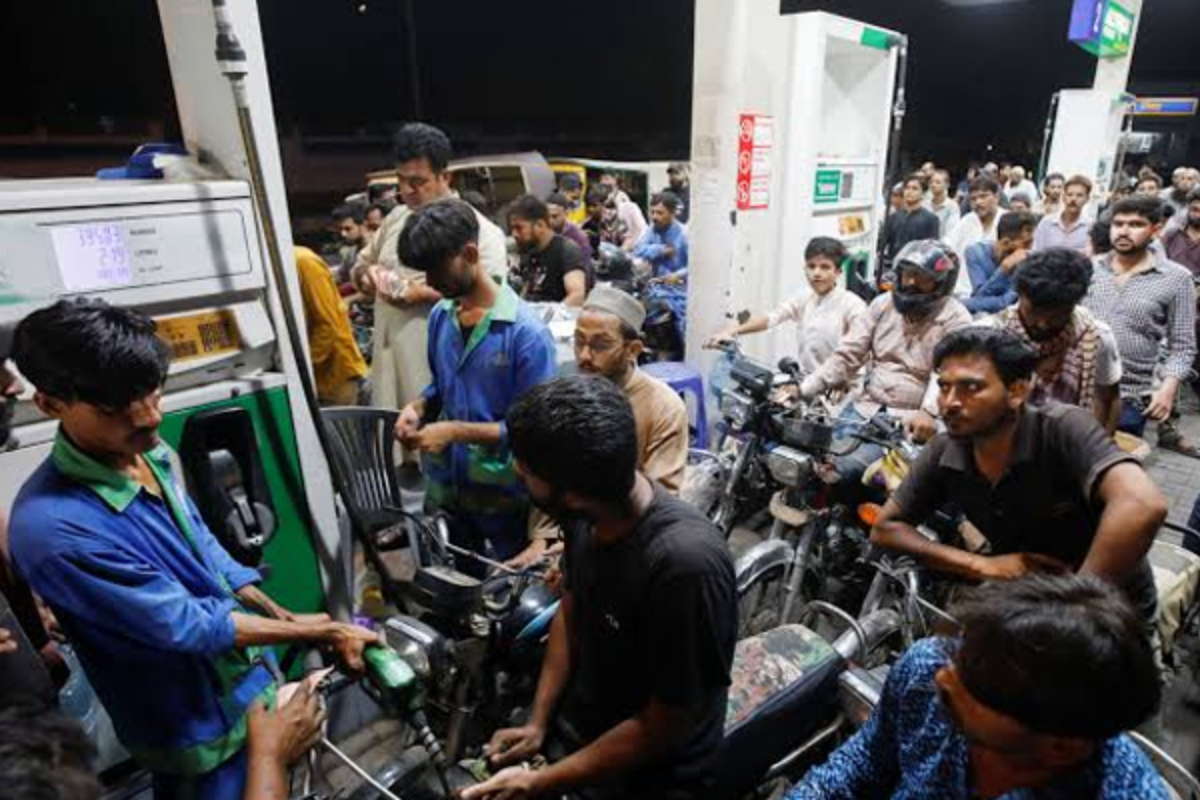
Govt increases petrol, diesel prices for July 23

Govt increases

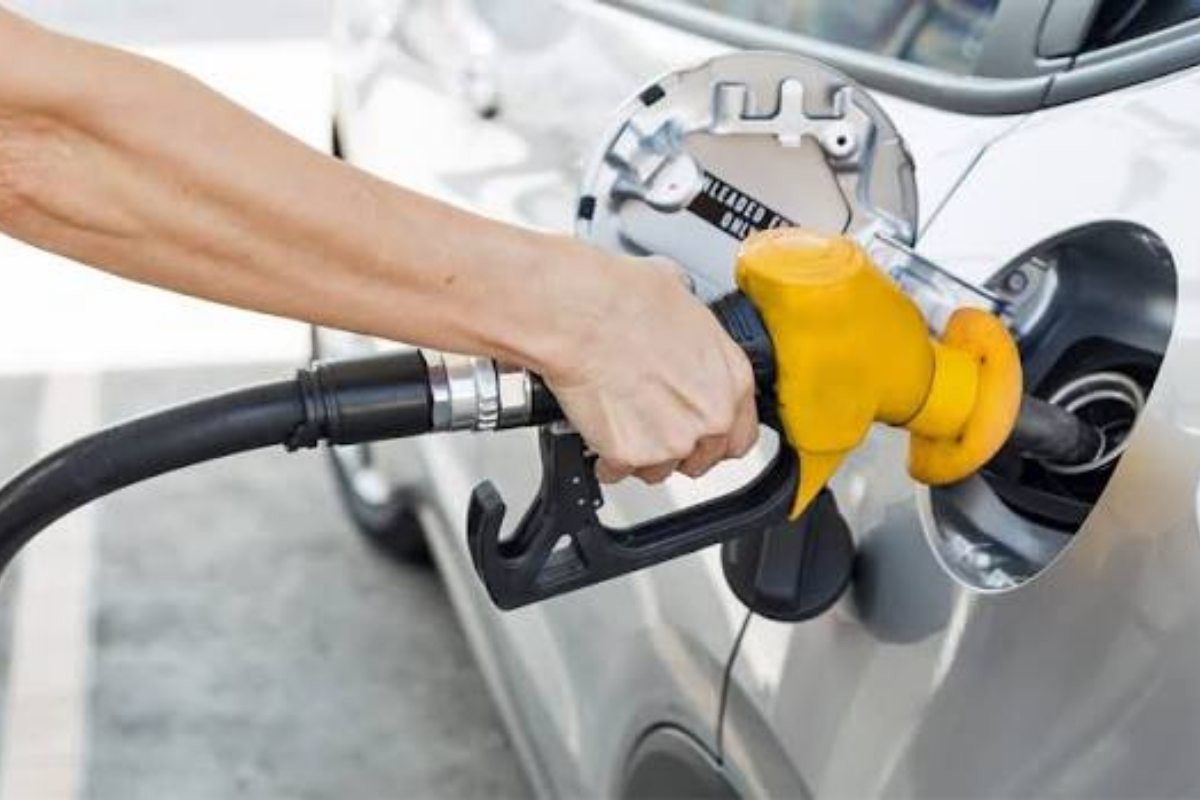
ISLAMABAD: The federal government increased the prices of petrol and high-speed diesel, with the revised rates taking effect for July 23.

According to an official notification, the price of high-speed diesel (HSD) was increased by Rs7.83 per liter, raising the new price to Rs375.04 per liter.

The government also increased the price of petrol by Rs6.39 per liter, bringing the new rate to Rs327.12 per liter.

The revised prices will remain applicable for July 23, in line with the government’s latest notification.

Trump prepares new import tariffs on dozens of countries this week

Trump prepares

WASHINGTON: President Donald Trump is preparing to impose new import tariffs on dozens of countries this week as a temporary 10% global tariff is set to expire, according to a report by a British newspaper.

The report said the temporary tariff is due to lapse on Friday, after which the administration could implement a new round of import duties. Most countries are expected to remain subject to the existing 10% tariff initially, while the Trump administration is also working to establish the legal basis for imposing higher tariff rates.

The move follows the administration’s decision a day earlier to impose a 50% tariff on Canadian automobiles and other goods, with the measure scheduled to take effect next month.

The administration’s latest tariff plans come months after the U.S. Supreme Court ruled on Feb. 20, 2026, that Trump’s permanent tariff regime was unconstitutional.

The court specifically struck down tariffs imposed under the International Emergency Economic Powers Act (IEEPA), finding that Congress had not granted the president authority under the law to impose such duties.

Following that ruling, Trump invoked Section 122 of the Trade Act to implement a temporary 15% global tariff. Under the statute, such tariffs may remain in effect for only 150 days, with the current authority set to expire on July 24, 2026.

The administration is now seeking alternative legal mechanisms to maintain or expand its tariff policy as the temporary authority nears its expiration.

Federal govt raises petrol, diesel prices

Federal govt

ISLAMABAD: Federal government has announced an increase in the prices of petrol and high-speed diesel under its latest fuel price review, according to an official notification.

The notification said the price of petrol has been increased by Rs4.93 per liter, taking the new retail price to Rs320.73 per liter.

The price of high-speed diesel has been raised by Rs7.15 per liter, the government said. The revised diesel price will apply in accordance with the official notification.

The latest increase comes amid ongoing fluctuations in global oil prices and follows the government’s periodic review of domestic petroleum product prices.

Pakistan Petrol Pump Association announces nationwide shutdown

Pakistan Petrol

ISLAMABAD: The All Pakistan Petrol Pumps Association has announced an indefinite nationwide closure of petrol stations beginning at midnight Wednesday after negotiations with the government over a proposed daily fuel pricing mechanism ended without agreement.

In a video statement, the association’s Secretary General, Nauman Ali Butt, said talks with the Ministry of Petroleum had failed and rejected the government’s plan to revise petroleum product prices on a daily basis.

Butt said the association could not accept the proposed daily pricing mechanism and confirmed that petrol pumps across Pakistan would remain closed from 12 a.m. until further notice.

The dispute centers on the government’s decision to introduce a new pricing system under which the Oil and Gas Regulatory Authority (OGRA) would announce ex-depot prices for petrol and high-speed diesel on a daily basis.

Under the proposed mechanism, OGRA would determine prices based on the average international oil prices over the preceding seven days, while prices announced before the weekend would remain unchanged on Saturdays and Sundays.

Federal Govt to introduce daily fuel price mechanism

Federal Govt

ISLAMABAD: Federal government has approved a plan to determine petroleum prices on a daily basis, with the Oil and Gas Regulatory Authority (OGRA) set to publish updated fuel prices each day in line with international market movements.

Petroleum Minister Ali Pervaiz Malik, speaking alongside Information Minister Attaullah Tarar on Friday, said the decision was approved by Prime Minister Shehbaz Sharif and the federal cabinet as part of broader reforms to deregulate the petroleum sector.

Malik said rising regional tensions have driven up global crude oil prices, with diesel prices increasing from $110 to $140 per barrel in recent weeks. Despite the increase, he said the government has spent Rs130 billion on targeted fuel subsidies and continues to shield consumers from the full impact of international price hikes.

Under the new mechanism, OGRA will determine and publish petroleum prices daily on its website based on global market trends. Malik said the government is also working to increase domestic oil and gas production, noting that Turkish Petroleum is expected to begin offshore exploration in Pakistan in October for the first time in two decades.

The petroleum minister said the government will continue efforts to modernize the energy sector, improve administrative efficiency and ensure competitively priced fuel supplies through refinery upgrades and increased local exploration.

Information Minister Attaullah Tarar said the recent rise in international oil prices is linked to regional geopolitical tensions. He said Pakistan successfully secured additional fuel reserves during the recent crisis, preventing domestic shortages.

Tarar stressed that the government will maintain strict oversight of the petroleum market despite moving toward deregulation. He said oil marketing companies will not be given a free hand, warning that authorities will take action against hoarding, profiteering and market manipulation to protect consumers.

Petrol pump owners reject govt’s fuel price deregulation plan

Petrol pump

KARACHI: Pakistan’s petrol pump owners have rejected the federal government’s proposed petroleum price deregulation policy, warning that the plan could disrupt fuel distribution and pricing across the country.

Nauman Ali Butt, chairman of the All Pakistan Petrol Pump Owners Association, said that the association does not support the government’s proposed deregulation policy and urged authorities to reconsider the plan.

Butt said nearly 15,000 petrol pump owners nationwide have serious reservations about the proposal. He called on the government and oil marketing companies (OMCs) to consult all stakeholders before implementing any new pricing mechanism.

He warned that introducing daily fuel price adjustments could affect oil tanker operations, transportation logistics and the overall fuel pricing system, adding that petrol pump owners should not be forced to bear the burden of policy changes.

The association’s reaction came after Petroleum Minister Ali Pervaiz Malik announced that the federal cabinet had approved a move toward daily petroleum price determination by the Oil and Gas Regulatory Authority (OGRA) as part of a broader fuel market deregulation strategy.

 The minister said OGRA would set prices each day based on international market trends, adding that current petroleum and carbon support levies remain lower than previous levels.

Pakistan emerges as top beneficiary of EU GSP+ trade scheme

Pakistan emerges

ISLAMABAD: Pakistan was the largest beneficiary of the European Union’s Generalised Scheme of Preferences Plus (GSP+) in 2024, with exports worth €7.1 billion qualifying under the preferential trade program, according to the European Commission’s latest GSP report.

The report said Pakistan utilized 95.1% of the available GSP+ preferences, the highest rate among all participating countries, making it the leading exporter under the scheme.

The European Union acknowledged Pakistan’s progress in several areas of governance and human rights, including the adoption of implementing rules for anti-torture legislation, new laws to curb child marriage in Balochistan and Islamabad, and measures to reduce the scope of the death penalty.

 The report also recognized Pakistan’s ratification of the International Labour Organization’s protocol on forced labor and efforts to formalize workers in the informal economy.

The report further highlighted Pakistan’s policy measures to combat corruption but noted that challenges remain regarding judicial independence, freedom of expression and media freedom. It also called for additional efforts to eliminate violence against women, child labor and forced labor.

Under the EU’s revised GSP framework, Pakistan and other current GSP+ beneficiaries will be required to reapply for the scheme in 2027.

Existing beneficiaries will continue receiving transitional access until the end of 2028, while the report noted that natural disasters had slowed the implementation of some GSP+ reforms in Pakistan.

PM Shehbaz orders crackdown on artificial fuel shortages

PM Shehbaz

ISLAMABAD: Prime Minister Shehbaz Sharif directed authorities to take strict action against those creating artificial shortages of petroleum products, as the government reviewed the potential economic impact of escalating tensions in the Middle East.

Chairing a high-level meeting, Sharif warned that continued instability in the region could adversely affect Pakistan’s economic outlook and instructed all relevant institutions to remain fully prepared for any emerging challenges. He called for a comprehensive contingency plan to enable timely government action if needed.

The prime minister said the government had effectively managed the country’s fuel supply, adding that subsidies had helped protect consumers, including motorcyclists, rickshaw drivers and transport operators, from the impact of higher fuel prices. He urged the public to continue supporting nationwide austerity and energy conservation efforts.

Sharif also ordered federal and provincial authorities to jointly launch a strict crackdown on individuals or businesses responsible for creating artificial shortages of petroleum products in the market.

During the meeting, officials informed the prime minister that Pakistan currently has sufficient petroleum reserves to meet domestic demand and that measures are in place to ensure uninterrupted fuel supplies in the coming months. The meeting was attended by senior federal ministers, State Bank of Pakistan Governor Jameel Ahmad and other top government officials.

Trump urges senate to pass crypto clarity act to keep US ahead of China

Trump urges

WASHINGTON: President Donald Trump urged the US Senate to pass the Clarity Act, saying the proposed cryptocurrency legislation is essential to maintaining America’s technological and financial edge over China.

In a post on his Truth Social platform, Trump called on senators to approve the bill, saying it would serve as a tribute to the late Sen. Lindsey Graham, whom he described as a strong supporter.

Trump argued that China and other countries are seeking to dominate the cryptocurrency industry and are also competing aggressively with the United States in the field of artificial intelligence.

“We must not let China succeed in either of these sectors,” Trump said, urging lawmakers to move the legislation forward.

The appeal comes after the death of Graham, a Republican ally of Trump, which could complicate the bill’s prospects in the Senate by reducing the Republican majority. The legislation would require 60 votes to pass the Senate before it could become law.

The Clarity Act is among the first comprehensive proposals to establish a federal regulatory framework for the cryptocurrency industry. It has received support from major U.S. crypto companies and the White House, with backers arguing that clear regulations would strengthen investor confidence and encourage further investment.

Some Democratic lawmakers, however, have called for stricter ethics provisions in the bill, including additional restrictions on elected officials, arguing that public officeholders should face tighter oversight over their involvement in digital assets.

PVARA Chief calls for continued dialogue on digital assets

PVARA Chief

ISLAMABAD: Pakistan Virtual Assets Regulatory Authority (PVARA) Chairman Bilal Bin Saqib said he held a constructive and productive meeting with Mufti Muhammad Taqi Usmani to discuss digital assets and the ongoing debate surrounding their status under Islamic law.

In a statement posted on X, Bilal said both he and Mufti Taqi Usmani shared a common objective of protecting the people of Pakistan from fraud, exploitation and financial loss as the country develops its approach to emerging digital financial technologies.

During the meeting, Bilal said he emphasized that blockchain technology, digital assets, stablecoins and tokenized real-world assets represent a diverse range of technologies and should not be assessed through a single lens. Instead, he said, each category requires detailed technical analysis alongside a comprehensive Shariah evaluation.

He added that the digital asset ecosystem is evolving rapidly, making continuous consultation between Islamic scholars, regulators and industry experts essential to developing policies that are both consistent with Islamic principles and informed by a sound understanding of modern technologies.

The meeting followed the recent issuance of Mufti Taqi Usmani’s fatwa on cryptocurrency. According to the ruling, cryptocurrencies do not qualify as “wealth” (mal) under Islamic jurisprudence but are merely digital entries in accounts. The fatwa further states that purchasing goods with cryptocurrencies, including USDT and other crypto tokens, is not permissible under the scholar’s interpretation of Islamic law.

Hassan Usmani, the son of Mufti Taqi Usmani, confirmed that the widely circulated ruling on cryptocurrency was issued by the senior Islamic scholar.