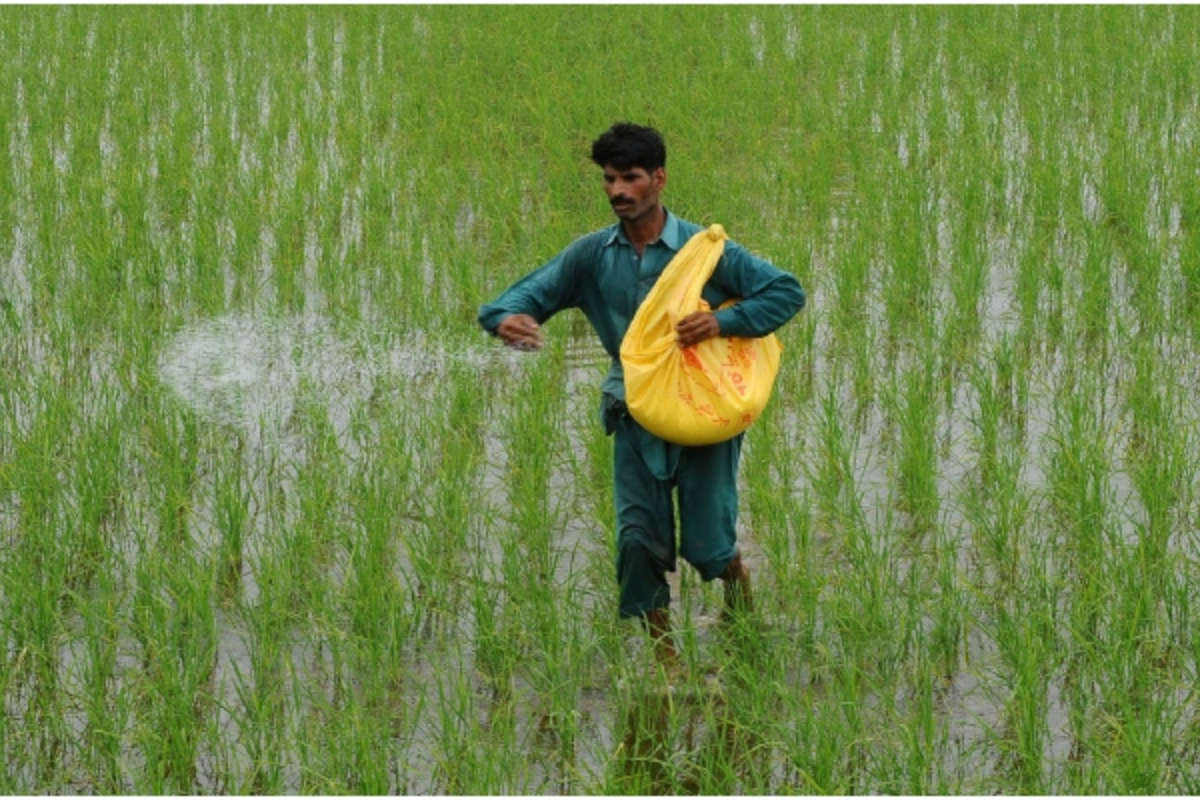
ISLAMABAD: The Pakistani government is considering imposing income tax on farmers as part of efforts to meet International Monetary Fund requirements and achieve targets for agricultural income tax collection, according to government sources.
Sources said the federal government has begun preparing an alternative strategy in consultation with the provinces to ensure that agreed agricultural tax collection targets are met.
The move comes as Pakistan seeks to fulfill commitments under its IMF program and improve revenue collection from the agricultural sector.
According to sources, the government is expected to give provincial authorities until Sept. 30, 2026, to meet targets related to agricultural income tax collection and the filing of tax returns.
The federal and provincial governments are expected to coordinate on the implementation of the agricultural income tax framework as Islamabad works to satisfy the IMF’s revenue-related requirements.
Officials have not yet disclosed details of the proposed tax structure or how the potential measures would affect farmers across different income and agricultural categories.
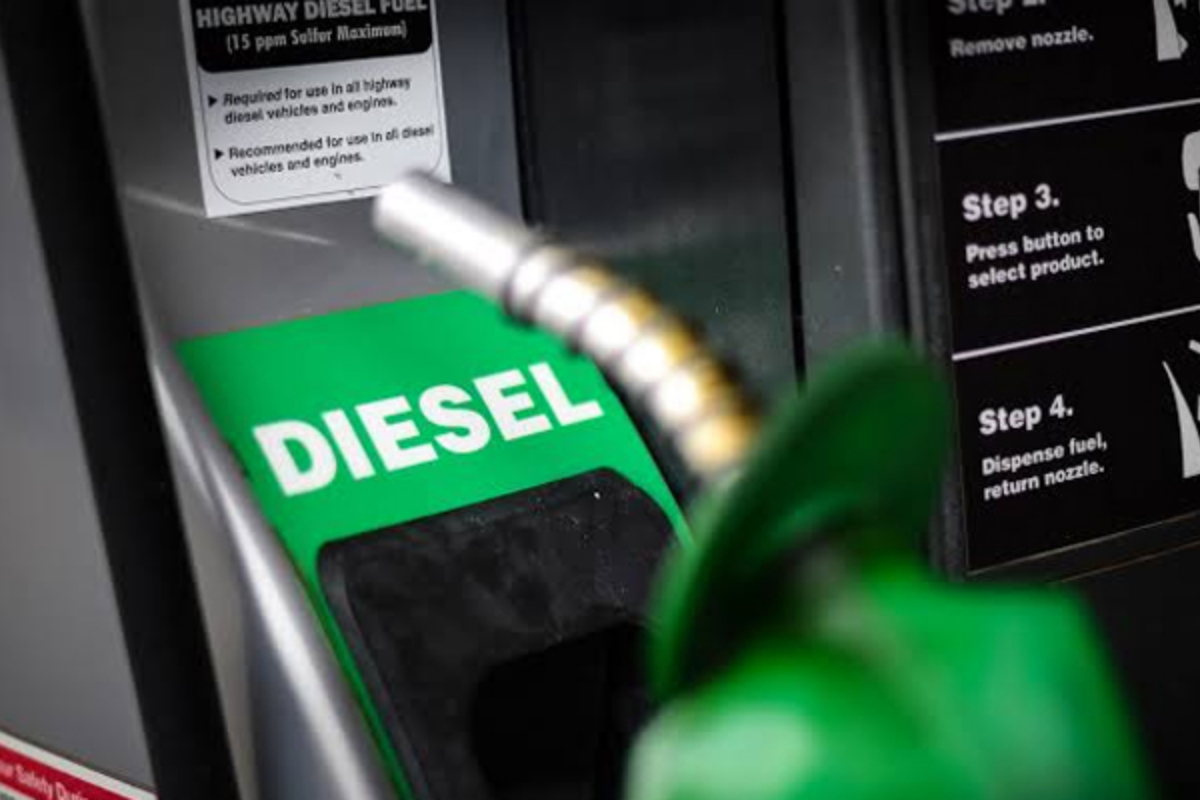
ISLAMABAD: Federal government has decided to significantly reduce the price of diesel, with refineries agreeing to cut the per-liter price by Rs. 30 to Rs. 32, Petroleum Minister Ali Pervaiz Malik said.
Malik said the government understands the difficulties and hardships being faced by the public and is making every effort to provide immediate relief wherever possible.
He said the decision to subsidize petroleum products was also part of the government’s efforts to ease the burden on consumers.
“The difficult period will pass,” Malik said, adding that the government would make every possible effort to protect the public from the impact of rising fuel prices.
The petroleum minister said the escalation in the intensity of the war had pushed up prices of petroleum products and caused diesel supply problems in several countries.
He said refineries had decided to reduce the price of diesel by more than Rs. 30 to Rs. 32 per liter, providing significant relief to consumers.
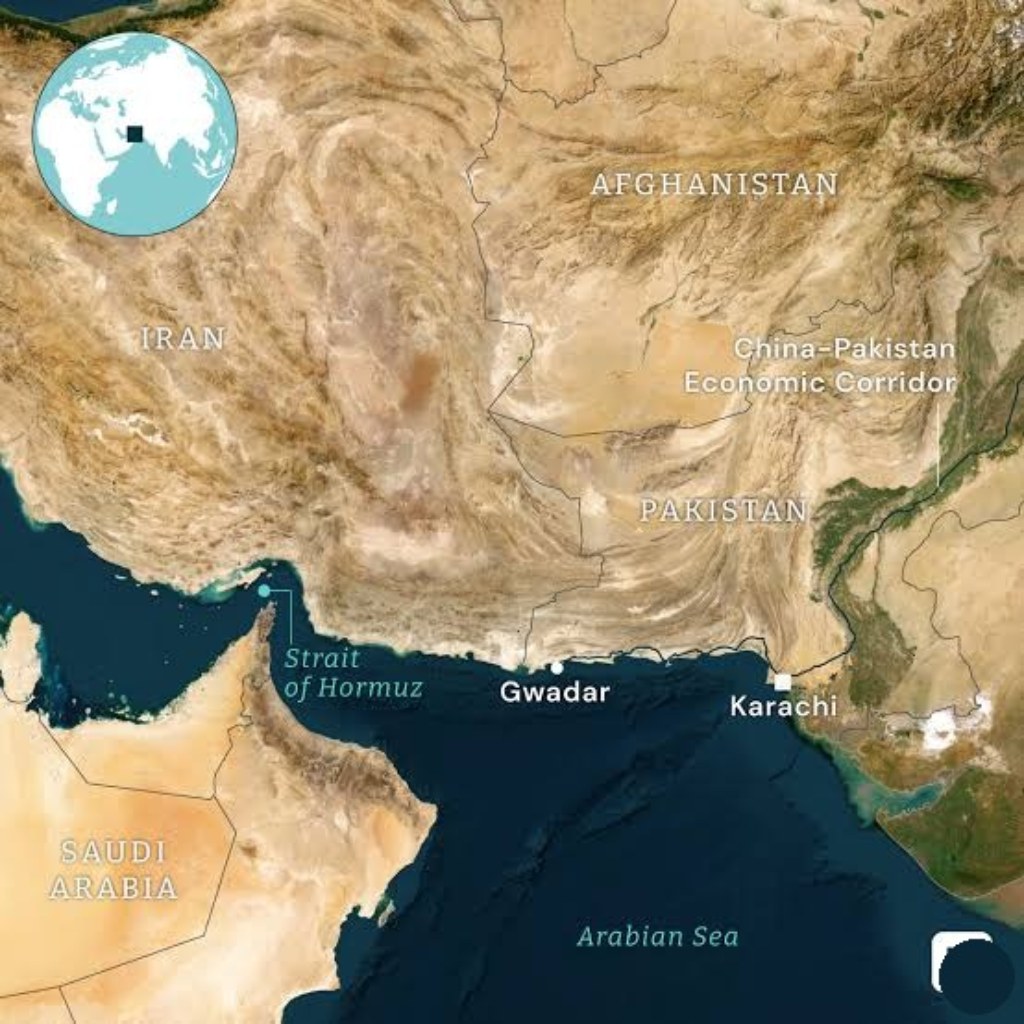
WASHINGTON: Global crude oil prices rose to three-week highs for a fourth consecutive day Wednesday as uncertainty over a ceasefire between the United States and Iran and disruptions to oil shipments through the Strait of Hormuz continued to weigh on markets.
According to Reuters, Brent crude futures for October delivery rose 45 cents, or 0.49%, to $91.47 a barrel. U.S. West Texas Intermediate crude also gained 45 cents, or 0.53%, to $85.39 a barrel.
Later in the session, Brent climbed further to $91.56 a barrel, while WTI rose to about $85.53.
Investors remained focused on when commercial shipping through the Strait of Hormuz would return to normal. Reuters reported that shipping activity through the strategic waterway remained well below normal levels, with several shipowners avoiding the route because of security risks.
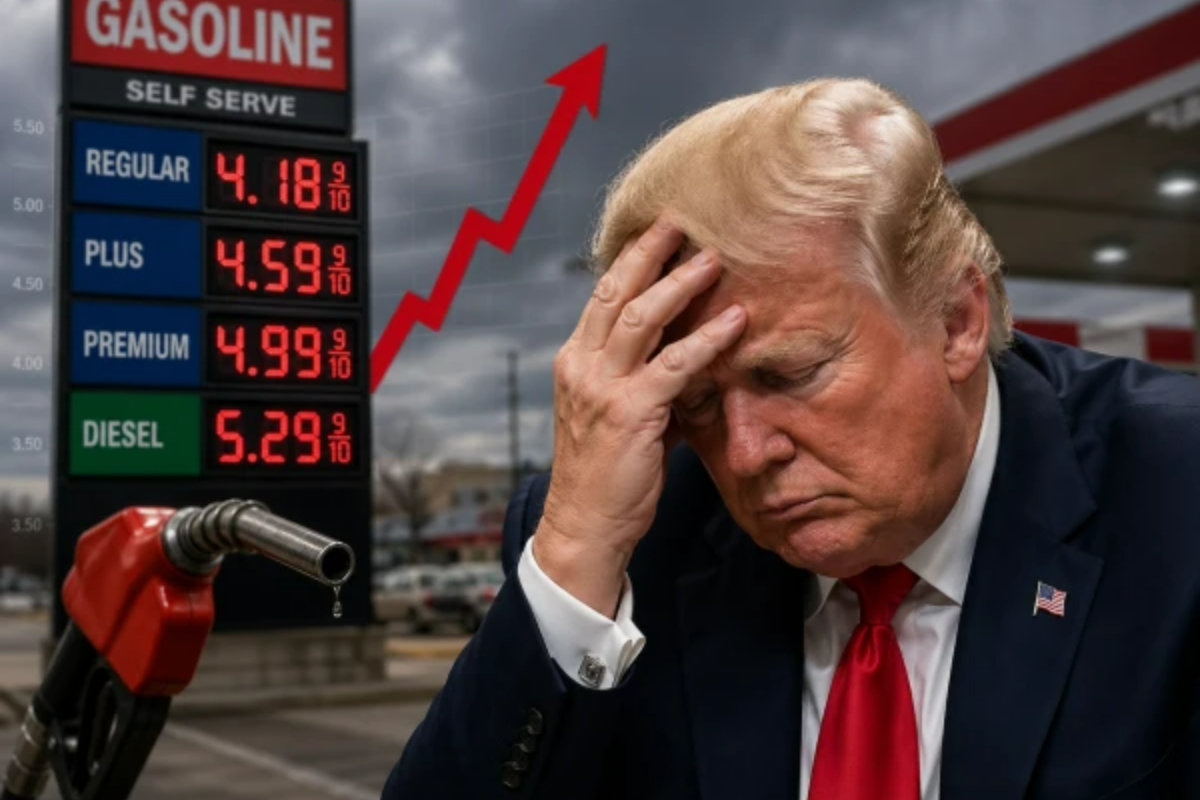
The disruption has also created difficulties for Russia, while rising gasoline prices are adding to political pressure on President Donald Trump ahead of the U.S. midterm elections.
Trump has repeatedly accused oil companies of making excessive profits amid rising gasoline prices and has threatened to impose additional taxes on them. Oil companies have rejected the allegations.
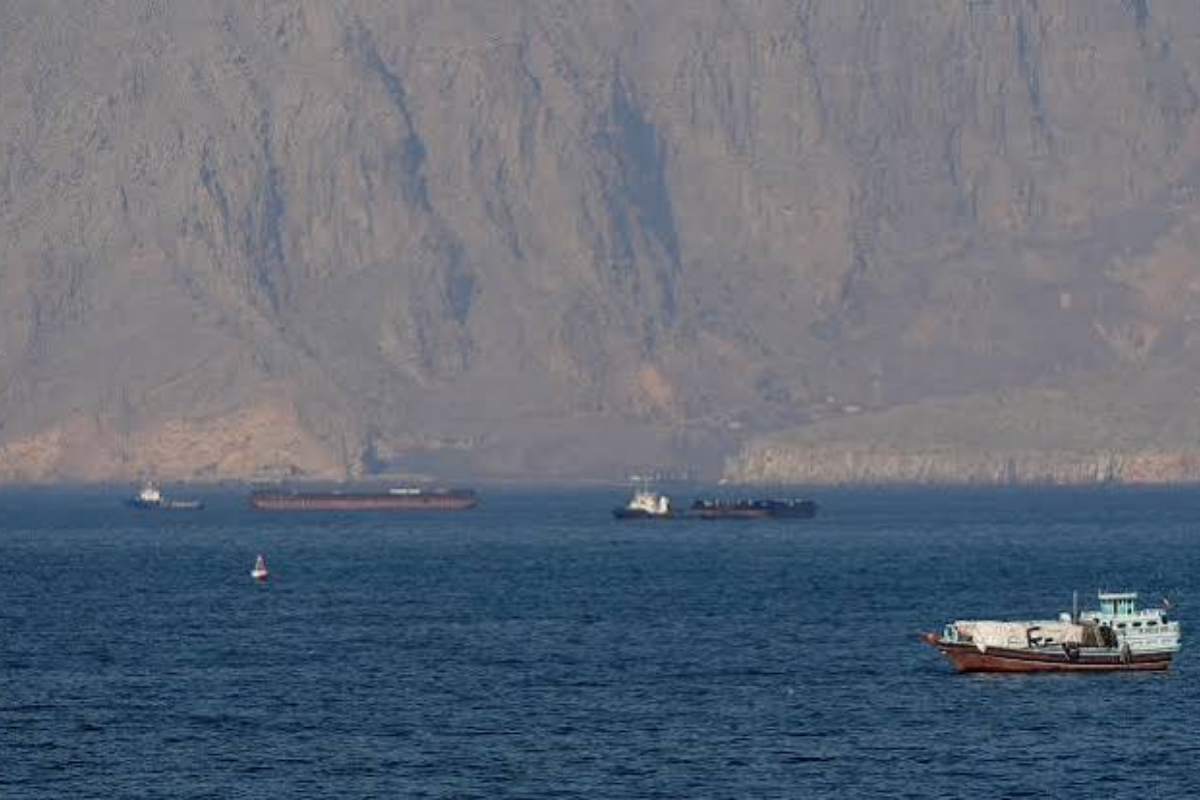
The Strait of Hormuz is one of the world’s most important oil transit routes, carrying more than 20% of global oil and gas supplies. Iran has closed the waterway in response to U.S. and Israeli attacks, further increasing uncertainty in global energy markets.
LONDON: Global oil prices climbed to their highest levels since July on Tuesday as attacks on vessels near the Strait of Hormuz and a lack of progress in U.S.-Iran negotiations heightened concerns over disruptions to crude supplies.
Brent crude rose above $91 a barrel, while U.S. West Texas Intermediate crude approached $85 a barrel. Reuters reported that Brent reached $91.07 a barrel, marking its third consecutive session of gains, while WTI traded around $84.99. Other market reports put Brent as high as $91.60 a barrel.
The latest price increase followed a report by the United Kingdom Maritime Trade Operations that a commercial vessel was struck by a projectile of unknown origin while departing the Strait of Hormuz.
The incident reportedly damaged the vessel’s engine room. One crew member was reported killed or injured, while other crew members were rescued by the Omani coast guard.
No group has claimed responsibility for the incident. Iran’s Revolutionary Guard and Yemen’s Houthi movement have neither confirmed nor denied involvement.
US-Iran tensions fuel oil market concerns
Oil prices have also been supported by uncertainty surrounding a 60-day ceasefire between the United States and Iran and the lack of progress toward extending the truce or resuming negotiations.
U.S. President Donald Trump has rejected an extension of the ceasefire, while Iran has indicated it could adopt a more aggressive military posture if negotiations fail.
Iran has said the Strait of Hormuz will not be fully reopened until the United States meets the terms of an agreement, while Washington continues to maintain pressure on Tehran.
The developments have disrupted the movement of petroleum products through the Strait of Hormuz and the Bab el-Mandeb, raising concerns over fuel and gas supplies and pushing prices higher.
Saudi Arabia seeks alternative oil routes
Saudi Arabia has resumed some crude oil loading operations from inside the Strait of Hormuz using ship-to-ship transfers near Fujairah for Asian buyers, Reuters reported.
Between Aug. 12 and Aug. 16, about 6 million barrels of Saudi crude were loaded onto three large oil tankers through the alternative arrangement, according to the report. However, the method does not fully replace normal shipping routes.
Meanwhile, several major shipping operators have begun avoiding the Strait of Hormuz and Bab el-Mandeb because of heightened security risks.
Chinese state-owned shipping companies have also reduced operations through key regional waterways and shifted some vessels toward alternative routes near Fujairah and Oman.
ISLAMABAD: Federal government debt increased by more than Rs18.8 trillion during the first 28 months of the period from March 2024 through June 2026, according to State Bank of Pakistan data.
State Bank documents showed that the government’s domestic debt rose by Rs16.766 trillion during the period, while external debt increased by Rs2.066 trillion.
The overall increase translates into an average rise of more than Rs22.4 billion per day, according to the documents.
The federal government’s total debt stood at Rs64.810 trillion by February 2024, the final month of the caretaker government. After the increase over the following 28 months, the debt reached Rs83.642 trillion by June 2026.
According to the State Bank, the central government’s domestic debt increased from Rs42.675 trillion in February 2024 to Rs59.441 trillion by June 2026.
Meanwhile, the federal government’s external debt rose from Rs22.134 trillion to Rs24.201 trillion during the same period.
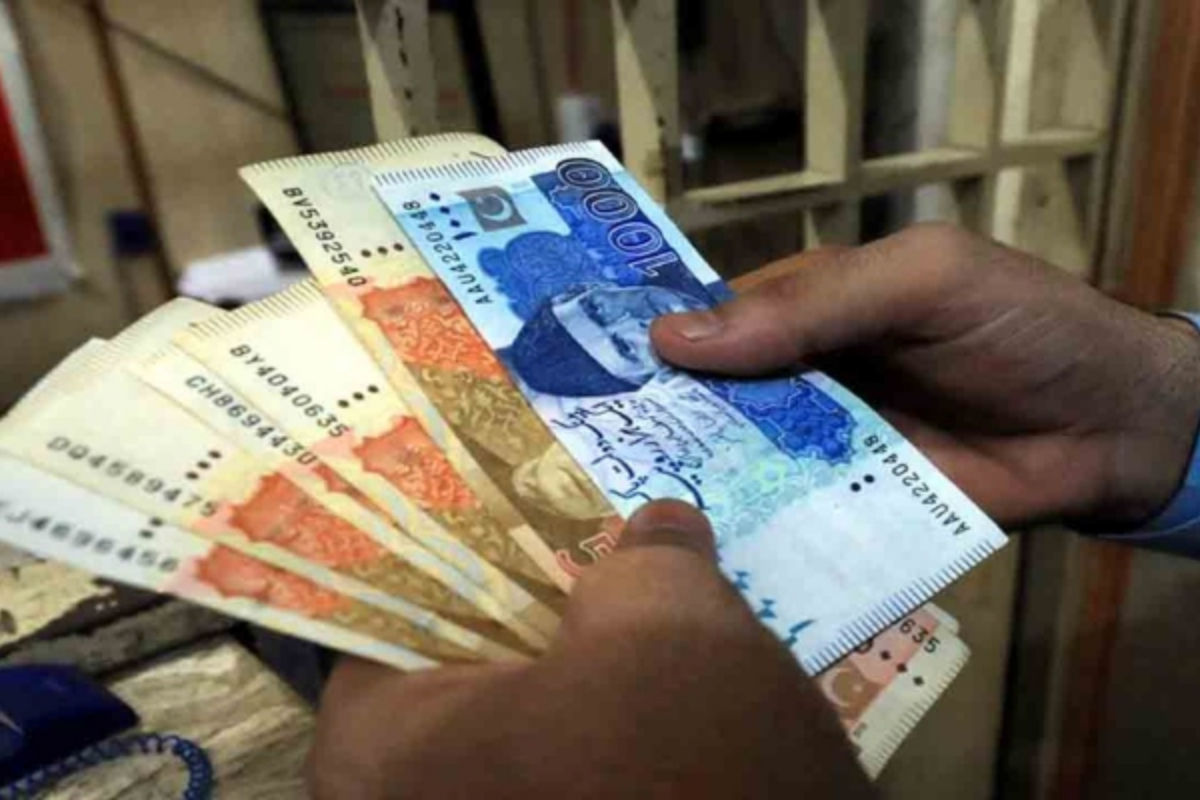
The US Dollar is trading at around Rs. 278.5–278.7 in Pakistan’s open market and Rs. 277.55–278.05 in the interbank market today, 16 August 2026. Here’s the full breakdown across major currencies and what moves these rates day to day.
Today’s open market rates
Currency
Buying (PKR)
Selling (PKR)
US Dollar (USD)
278.50
278.70
Euro (EUR)
320.05
325.55
British Pound (GBP)
374.89
380.84
Saudi Riyal (SAR)
74.05
74.70
UAE Dirham (AED)
76.15
77.15
Today’s interbank rate (USD)
Rate type
Value (PKR)
Bank buying (TT Clean)
277.55
Bank selling (TT & OD)
278.05
Open market vs interbank: what’s the difference?
Interbank rate is what banks use to trade currency among themselves and with the State Bank of Pakistan — the closest thing to an “official” benchmark rate.
Open market rate is what you’ll actually get at a currency exchange counter or money changer, and typically runs slightly higher than the interbank rate for buying dollars.
The gap between the two widens when demand for dollars is high relative to supply — a useful signal of currency market pressure.
Why the exchange rate matters for Pakistan
The dollar-rupee rate feeds directly into import costs, including the energy imports that determine petrol and diesel prices and the international gold benchmark behind the gold rate in Pakistan. A weaker rupee raises the rupee cost of every dollar-denominated import, while remittances sent home by overseas Pakistani workers — including the growing flow from Gulf employment — become worth more in rupee terms when the dollar strengthens.
What moves the rate day to day
Remittance inflows. Higher inflows from overseas workers ease dollar demand and support the rupee.
Import bills. Energy and commodity import payments are among the largest sources of dollar demand.
SBP reserves and policy. State Bank interventions and reserve levels influence how much the rate is allowed to move.
Global dollar strength. Broad-based dollar strength or weakness against other currencies also spills into the PKR rate.
Frequently asked questions
What is the dollar rate in Pakistan today?
As of 16 August 2026, the open market rate is around Rs. 278.5 (buying) to Rs. 278.7 (selling), while the interbank rate is Rs. 277.55 to Rs. 278.05.
Why is the open market dollar rate higher than the interbank rate?
Open market rates reflect actual retail supply and demand at exchange counters, which typically run slightly above the interbank benchmark used for bank-to-bank trading.
Where can I check the live exchange rate?
The State Bank of Pakistan publishes official interbank rates, while licensed exchange companies display current open market buying and selling rates — both change throughout the trading day, so treat any single snapshot as indicative rather than final.
Rates as of 16 August 2026, sourced from open market and interbank currency data. Exchange rates change minute to minute — treat these figures as indicative and verify current rates with your bank or exchange company before any transaction.
Two prize bond draws are scheduled for 17 August 2026: the Rs. 1,500 draw (#107) in Faisalabad and the Rs. 100 draw (#55) in Multan. Here’s the full schedule, prize amounts, and exactly how to check your bond numbers once results are announced.
17 August 2026 draw details
Denomination
Draw #
City
Date
Rs. 1,500
#107
Faisalabad
17 August 2026
Rs. 100
#55
Multan
17 August 2026
Rs. 1,500 prize bond: prize structure
Prize
Amount
Number of winners
1st Prize
Rs. 3,000,000
1
2nd Prize
Rs. 1,000,000
3
3rd Prize
Rs. 18,500
1,696
Rs. 100 prize bond: prize structure
Prize
Amount
Number of winners
1st Prize
Rs. 700,000
1
2nd Prize
Rs. 200,000
3
3rd Prize
Rs. 1,000
1,199
How to check your prize bond result
Note your bond details. Have your bond denomination (Rs. 100 or Rs. 1,500) and full serial number(s) ready.
Visit the official source. Results are published by the Central Directorate of National Savings (CDNS) at savings.gov.pk, and are also mirrored by the State Bank of Pakistan.
Select the correct draw. Choose the denomination and the specific draw number (#107 for Rs. 1,500, #55 for Rs. 100) rather than searching by date alone.
Match your number(s). Compare your bond’s serial number against the published winning number lists for 1st, 2nd and 3rd prizes.
Verify before acting. If you find a match, confirm it against the official CDNS gazette notification before visiting a bank to claim — unofficial aggregator sites occasionally contain transcription errors.
How the prize bond draw schedule works
Each prize bond denomination is drawn four times a year, on a fixed quarterly cycle, rotating through major cities including Karachi, Lahore, Islamabad, Rawalpindi, Peshawar, Quetta, Multan, Faisalabad, Hyderabad and Sialkot. Across all eight denominations (Rs. 100, 200, 750, 1,500, 7,500, 15,000, 25,000 and 40,000), roughly 36 draws are held every year, meaning there is a prize bond draw of some denomination almost every month.
The Rs. 1,500 and Rs. 100 denominations both follow a February–May–August–November quarterly pattern, which is why they land on the same date this cycle. The previous Rs. 1,500 draw (#106) was held in Sialkot on 15 May 2026, and the next Rs. 100 draw (#56) after this one is scheduled for 16 November 2026 in Faisalabad.
Frequently asked questions
What is the 1st prize amount for the Rs. 1,500 prize bond?
Rs. 3,000,000 (30 lakh rupees), awarded to a single winning bond number in each draw.
Where can I check the official prize bond result?
The Central Directorate of National Savings publishes official results at savings.gov.pk. Always cross-check any result you see on a private aggregator site against this official source before making a claim.
How often are prize bond draws held?
Each denomination is drawn quarterly (four times a year), with the draw city rotating each time. Across all eight denominations combined, there are roughly 36 draws a year.
Draw numbers, cities and prize amounts as per the published 2026 National Savings draw schedule, current as of 16 August 2026. Always verify results against the official Central Directorate of National Savings (CDNS) website before making any financial claim.
Pakistan’s government has raised the petroleum dealers’ margin to Rs9.98 per litre on petrol and high-speed diesel, an increase of Rs1.34 announced on 14 August 2026 — a move that headed off a nationwide pump strike called for the very next day.
The decision came from the Economic Coordination Committee (ECC), chaired by Finance Minister Senator Muhammad Aurangzeb, hours before the All Pakistan Petroleum Dealers Association’s strike deadline. Here’s what changed, why, and what it means for the price you pay at the pump.
What actually changed
Item
Before
After
Dealers’ margin (petrol & diesel)
Rs8.64/litre
Rs9.98/litre
Increase
Rs1.34 per litre
Approved by
ECC, 14 August 2026
The dealers’ margin is the fixed cut retail outlets earn on every litre sold, separate from the ex-refinery price, oil marketing company (OMC) margin, petroleum levy and sales tax that together make up the pump price. Raising it does not automatically mean petrol gets Rs1.34 more expensive for consumers — that depends on whether the government absorbs the cost elsewhere or lets it flow through at the next fortnightly price review.
Why the increase happened now
The All Pakistan Petroleum Dealers Association had threatened to shut down fuel stations countrywide from 15 August 2026, arguing their margin had failed to keep pace with rising operating costs — wages, electricity, compliance and transport — while remaining fixed for an extended period. A nationwide pump closure would have hit commuters, freight and emergency services within hours, so the ECC moved a day ahead of the deadline.
The Vice Chairman of the All Pakistan Petrol Pump Owners Association confirmed the increase and thanked Prime Minister Shehbaz Sharif and Petroleum Minister Ali Pervaiz Malik for resolving the dispute before the strike took effect.
Who this affects
Petrol pump owners get a higher per-litre margin immediately, easing pressure that had built up over months of flat or falling retail margins relative to cost.
Consumers may or may not see the increase reflected at the pump — it depends on the next OGRA price notification and how much of the levy/margin adjustment the government chooses to pass on versus absorb.
Transporters and industry that depend on uninterrupted diesel supply avoided a one-day (or longer) countrywide disruption that a strike would have caused.
How this fits the bigger fuel-pricing picture
Pakistan’s pump price is built from several moving pieces: the international product price (linked to Brent crude and refining margins), the rupee-dollar exchange rate, the petroleum levy, general sales tax, the OMC margin and the dealers’ margin. A change in any one of these can move the retail price independently of what is happening to crude oil internationally — which is also why petrol and diesel prices sometimes move in opposite directions on the same review date, as seen with recent Strait of Hormuz-driven price swings.
Margin increases like this one are a recurring flashpoint. Dealers argue their cut has not kept up with inflation; consumer groups argue every rupee added anywhere in the chain eventually reaches the pump. Both are broadly correct — the margin is a real cost element, but it is a small share of the roughly Rs300+ per litre retail price compared with the international product cost and taxes.
What to watch next
The next OGRA price notification (fortnightly) — this will show whether the margin hike is absorbed by the government or passed through to consumers.
OMC margin talks — oil marketing companies have periodically sought similar increases; a parallel demand could follow.
Petroleum levy adjustments — the government has room to offset dealer-margin costs by trimming the levy, or to let both increases stack.
Frequently asked questions
Will petrol prices in Pakistan go up because of this?
Not necessarily right away. The dealers’ margin is one small component of the pump price. Whether the increase shows up in what you pay depends on the next fortnightly OGRA price review and whether the government offsets it through the levy.
What is a petroleum dealers’ margin?
It’s the fixed amount, in rupees per litre, that a fuel retailer (petrol pump) earns on every litre sold — set by the government and reviewed periodically, separate from the OMC margin, levy and taxes.
Why were dealers threatening a strike?
The All Pakistan Petroleum Dealers Association said their margin had not risen in line with operating costs, and called a nationwide strike for 15 August 2026 to press for an increase — which the ECC granted a day earlier.
Figures and statements sourced from ECC announcements and petroleum-industry reporting as of 15 August 2026. Pump prices change under OGRA’s fortnightly pricing mechanism — check the latest official notification before relying on any figure here.
The Strait of Hormuz — the 21-mile-wide channel that normally carries one-fifth of the world’s oil — is effectively closed to commercial traffic. Between 4 and 6 August 2026, just 8 to 15 vessels crossed daily, against roughly 130 transits before the conflict began.
Pakistan imports most of its crude and refined fuel, and a large share of it moves through or near that chokepoint. This article traces the chain from a closed waterway to the price on the pump — and explains why the connection is less direct than it first appears.
Where things stand
Brent crude for October delivery was trading around $84.11 a barrel on 10 August 2026, up about 0.7% on the day and roughly 16% higher than before the US–Israel war on Iran began in late February 2026.
Iran has attached conditions to reopening the strait. Foreign Minister Abbas Araghchi has said Tehran requires the easing of US sanctions and the payment of war reparations, adding that Iran and Oman were close to an understanding but that these conditions must be met first.
The human cost of the disruption is documented: the International Maritime Organization has recorded 64 violent incidents and 17 deaths involving commercial vessels since the war began.
Markets are pricing uncertainty rather than a resolution. As KCM Trade chief analyst Tim Waterer put it, the absence of concrete movement and unresolved questions about how any deal would work in practice keeps “a risk premium in the price.”
Why $84 oil is lower than you might expect
This deserves attention, because it runs against intuition. A fifth of global oil supply losing its main route would, in most historical scenarios, have sent prices well past $120. Brent at $84 reflects several offsetting factors:
Alternative routes exist. Saudi Arabia’s East–West pipeline and the UAE’s Fujairah pipeline can move some volumes to Red Sea and Gulf of Oman terminals, bypassing Hormuz — though at reduced capacity.
Strategic reserves. Consumer countries have released stocks to cushion the shortfall.
Non-OPEC supply. US, Brazilian and Guyanese production has grown substantially over the past decade, diluting the Gulf’s share of marginal supply.
Demand destruction. High prices and slower global growth have themselves reduced consumption.
The implication for Pakistan is double-edged. The buffers have worked so far, but they are finite. Reserves deplete and bypass pipelines are already near capacity. If the closure extends, the cushion thins.
How this reaches the Pakistani pump
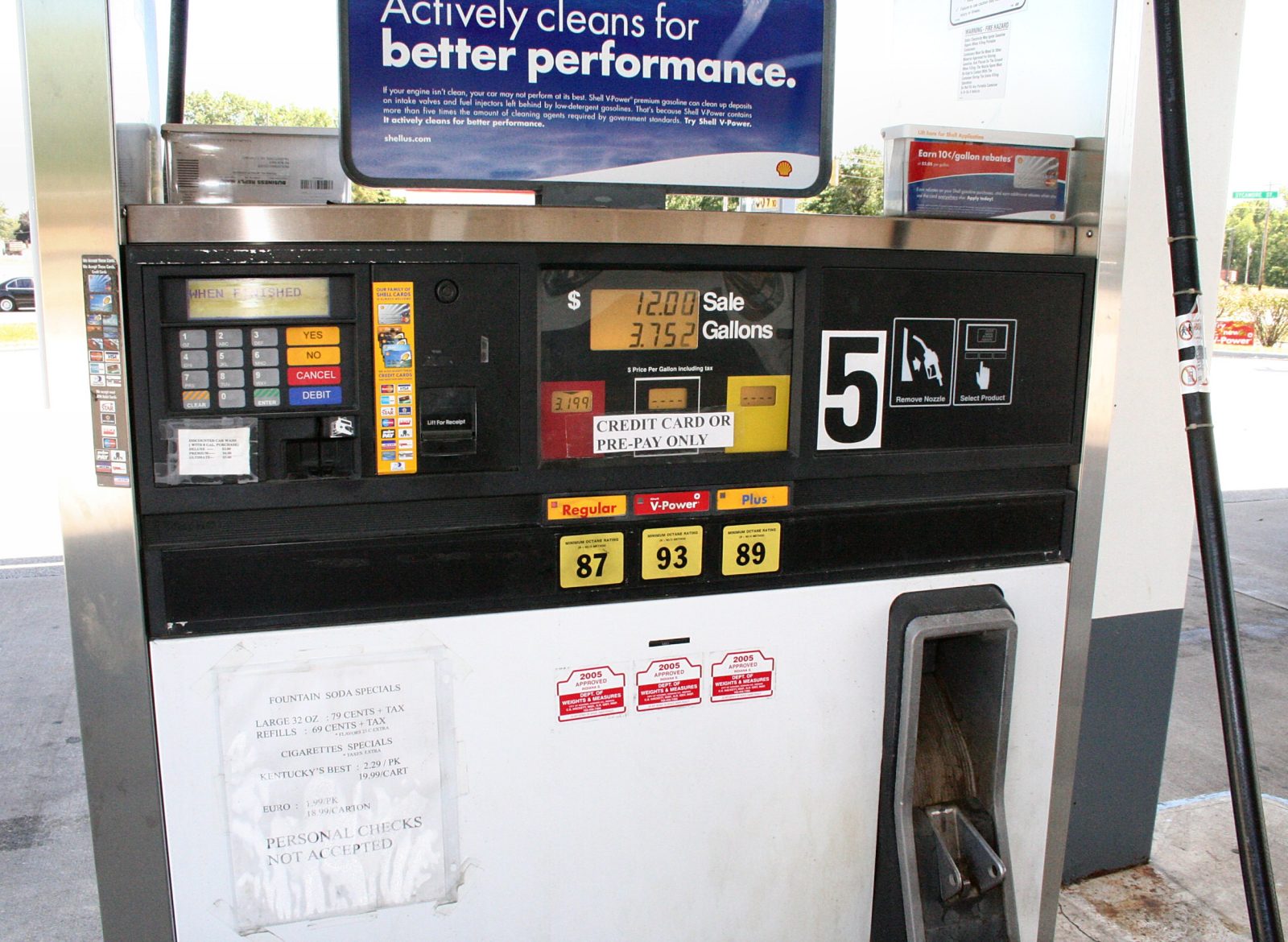
Pakistan now uses a more frequent fuel-pricing mechanism tied to international movements. Recent OGRA-notified rates, effective 13 August 2026:
Fuel
Price (PKR/litre)
Change
Petrol
324.98
−0.94
High-speed diesel
382.79
+0.54
Kerosene
291.45
—
Light diesel oil
248.72
—
Notice the direction: petrol fell slightly while diesel rose, on a day when Brent was climbing. Four things sit between the crude price and your receipt:
Refined product prices, not crude. Pakistan imports finished petrol and diesel. Refining margins move independently of crude, which is why petrol and diesel can diverge on the same day.
The exchange rate. Oil is priced in dollars and sold in rupees. Currency movement can amplify or offset the crude move entirely.
Taxes and levies. Petroleum levy and sales tax are a large share of the retail price, and they are policy variables — the government can absorb or pass on international moves.
Margins. Dealer and oil marketing company margins are regulated and adjusted periodically. The ECC recently approved a Rs1.34 increase in dealers’ margin, which raises the pump price independently of anything happening in the Gulf.
The knock-on effects that matter more than petrol
For most Pakistani households, the fuel price itself is not the largest channel. Three indirect effects hit harder.
Freight and food prices
High-speed diesel powers trucking and agricultural machinery, so diesel increases propagate into food prices across the country. Diesel rising while petrol falls is therefore worse for inflation than the headline suggests. Transport costs have already triggered friction — Pakistani goods transporters began an indefinite strike over fuel prices and taxes.
Energy is Pakistan’s largest import category. A sustained rise widens the import bill, pressures the current account and the rupee, and constrains the State Bank’s room to cut rates — the transmission channel set out in our inflation outlook.
There is one meaningful offset. Gulf employment has held up through the conflict, and remittances — over $4.2 billion in May 2026 alone — help fund the higher import bill.
What to watch next
Daily Hormuz transit counts. A move back toward 130 vessels a day would deflate the risk premium faster than any announcement.
The Oman-mediated track. Araghchi has pointed to it as the live channel.
Tanker insurance rates. War-risk premiums are a real-time market read on whether traders expect escalation.
Not legally closed, but effectively so for commercial shipping. Traffic fell to 8–15 vessels a day in early August 2026 from about 130 before the conflict. A small number of transits continue under elevated risk.
Will petrol prices in Pakistan rise sharply?
That depends on refined product prices, the rupee and government tax decisions — not on crude alone. Recent notifications have shown small moves in both directions. Anyone claiming to know the next figure in advance is guessing.
Does Pakistan get its oil through Hormuz?
A significant share of Pakistan’s crude and refined imports originates from Gulf suppliers whose exports transit or depend on the strait. Pakistan has been broadening its oil import framework, partly to diversify sourcing.
Why did diesel go up while petrol went down?
They are separate products with separate international benchmarks and refining margins. Diesel demand is driven by freight and industry, petrol by private vehicles, and the two markets frequently move apart.
Oil prices, transit data and official statements sourced from Al Jazeera, CNBC, the International Maritime Organization and OGRA notifications as reported. Fuel prices are those effective 13 August 2026 and change under Pakistan’s revised pricing mechanism — check current OGRA notifications before relying on them. Last updated 15 August 2026.
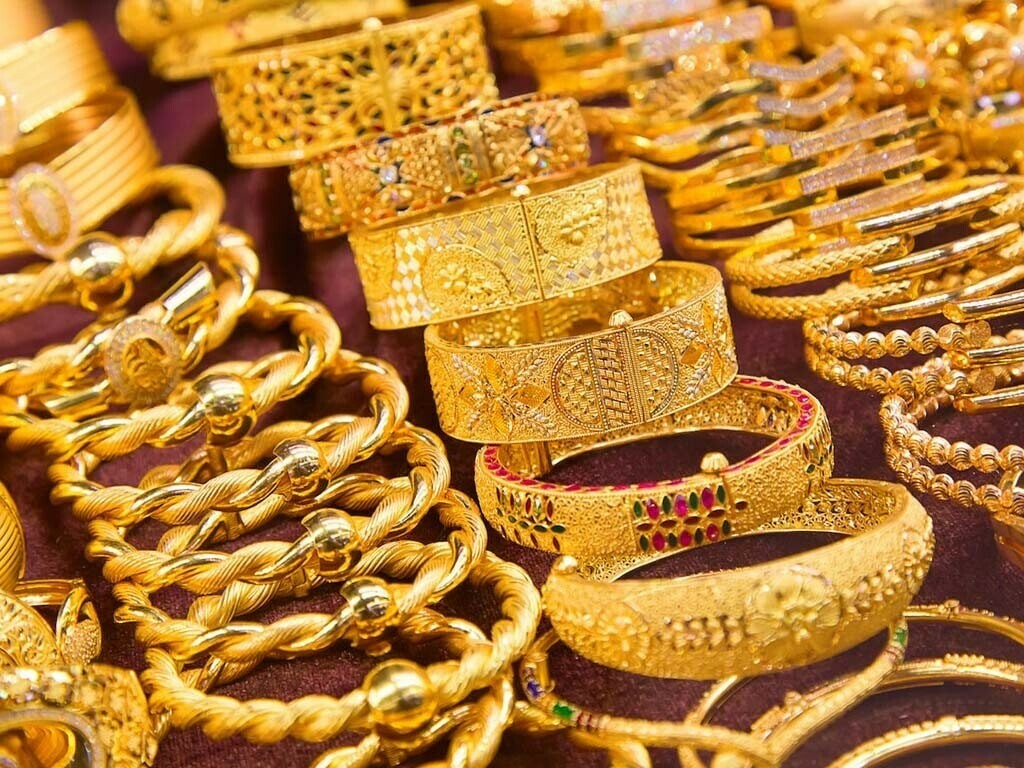
The gold rate in Pakistan is sitting near record territory. On Saturday 15 August 2026, 24-karat gold was quoted at roughly Rs459,900 to Rs464,000 per tola depending on the source, with the international spot price around $4,375–$4,415 per ounce.
That range is not a typo, and understanding why different outlets print different numbers on the same day is the first useful thing to know about buying gold in Pakistan. This explainer covers where the price comes from, why it has risen so far, and what to check before you buy.
Gold rate in Pakistan today: the reference numbers
The recognised domestic benchmark is set by the All Pakistan Sarafa Gems and Jewellers Association (APSGJA), which issues rates during the trading session. Figures reported for 15 August 2026:
Measure
Reported rate (PKR)
24k, per tola
459,936 – 463,936
24k, per 10 grams
394,320 – 397,750
22k, per tola
~425,275
21k, per tola
~405,944
Silver, per tola
~7,111
International spot
$4,375 – $4,415 / ounce
ARY News reported the 24k tola rate at Rs459,936, down Rs500 on the session, attributing the decline to softer international bullion prices “amid continued geopolitical uncertainty.” Pakistan Observer published Rs463,936 for the same day. Both cite APSGJA.
Why published rates disagree — and which to trust
Three ordinary reasons account for almost all of the variation, and none of them involve anyone being wrong:
Timing within the session. Gold trades continuously. A rate captured at market open differs from one captured at midday. Outlets publishing at different hours print different numbers from the same association.
City premiums. Karachi, Lahore, Islamabad, Peshawar and Quetta markets carry small differences driven by local supply, transport and demand.
Bullion price versus shop price. The APSGJA rate is for the metal. What you pay at a jeweller adds making charges (typically a percentage of value or a per-tola fee) plus applicable tax. On jewellery this gap is routinely 5–20% above the quoted bullion rate.
Practical takeaway: treat any published “gold rate today” figure — including this one — as an indicative benchmark, not a transaction price. Confirm the rate with your jeweller at the moment of purchase.
How the Pakistani price is actually built
The domestic rate is not set independently. It is essentially the international spot price translated into rupees, adjusted for local market conditions. The mechanism has two inputs:
The dollar price of gold per ounce on international markets.
The PKR/USD exchange rate.
This is why the local price can rise even on a day when international gold falls: if the rupee weakens by more than gold declines, the rupee price still goes up. It also explains why Pakistani gold prices have set records more frequently than dollar gold prices have — the currency has been doing part of the work.
A spot price above $4,300 an ounce is historically extraordinary. Four forces are driving it.
Geopolitical risk premium
The US–Israel war on Iran, which began in late February 2026, and the effective closure of the Strait of Hormuz to commercial shipping have created sustained safe-haven demand. Gold’s classic function is insurance against exactly this kind of uncertainty, and the premium has not faded because the underlying conflict has not resolved.
Central bank buying
Central banks have been persistent net buyers of gold, diversifying reserves away from concentration in any single currency. This is structural, price-insensitive demand — it does not retreat when prices rise, which removes a natural ceiling.
Real interest rates
Gold pays no yield, so it competes with interest-bearing assets. When inflation-adjusted returns on bonds fall, the opportunity cost of holding gold drops and demand rises. Rate expectations have been the main driver of gold’s shorter-term swings this year.
Currency hedging
In Pakistan specifically, households have long used gold as a store of value against rupee depreciation. That demand is culturally embedded — through wedding purchases in particular — and tends to strengthen precisely when confidence in the currency weakens.
What this means if you are buying
Some practical points, offered as information rather than advice:
Know your karat. 24k is near-pure and priced highest; 22k and 21k contain more alloy and cost less per tola. Jewellery is rarely 24k because pure gold is too soft.
Ask for the breakdown. Request the bullion rate, the making charge and the tax separately. A jeweller who will not itemise is worth questioning.
Check hallmarking. Verify purity certification rather than relying on the seller’s description.
Understand the resale gap. Making charges are generally not recoverable on resale. If you are buying primarily as a store of value rather than to wear, coins and bars carry lower spreads than jewellery.
Volatility runs both ways. This site has reported single-day moves of over Rs10,000 and Rs24,300 per tola in 2026, in both directions. Record highs are not a guarantee of further gains.
FutureSoch is not a financial adviser. Nothing here is a recommendation to buy or sell gold. Consider your own circumstances and, where appropriate, take professional advice.
Frequently asked questions
What is one tola in grams?
One tola equals 11.664 grams. This is why the per-tola figure is always higher than the per-10-gram figure — and a useful cross-check if a quoted rate looks wrong.
Who sets the official gold rate in Pakistan?
The All Pakistan Sarafa Gems and Jewellers Association issues the reference rates that media outlets report. It is an industry body, not a government regulator.
Why is the price in my city different?
Local supply and demand, transport costs and individual jeweller margins all vary. City-level differences of a few thousand rupees per tola are normal.
Can gold prices fall from here?
Yes. Gold fell more than Rs10,000 per tola in June 2026 and dropped Rs24,300 before Eid in March 2026. If the Hormuz situation de-escalates, the geopolitical premium currently supporting prices could unwind quickly.
Rates as reported by the All Pakistan Sarafa Gems and Jewellers Association via ARY News and Pakistan Observer for 15 August 2026. Where sources differ, both figures are shown rather than one being selected. Gold prices change continuously — verify before transacting. Last updated 15 August 2026.