BREAKING NEWS
Advertise with us >

Electricity prices increased by Rs. 2.58 per unit for consumers

Electricity prices

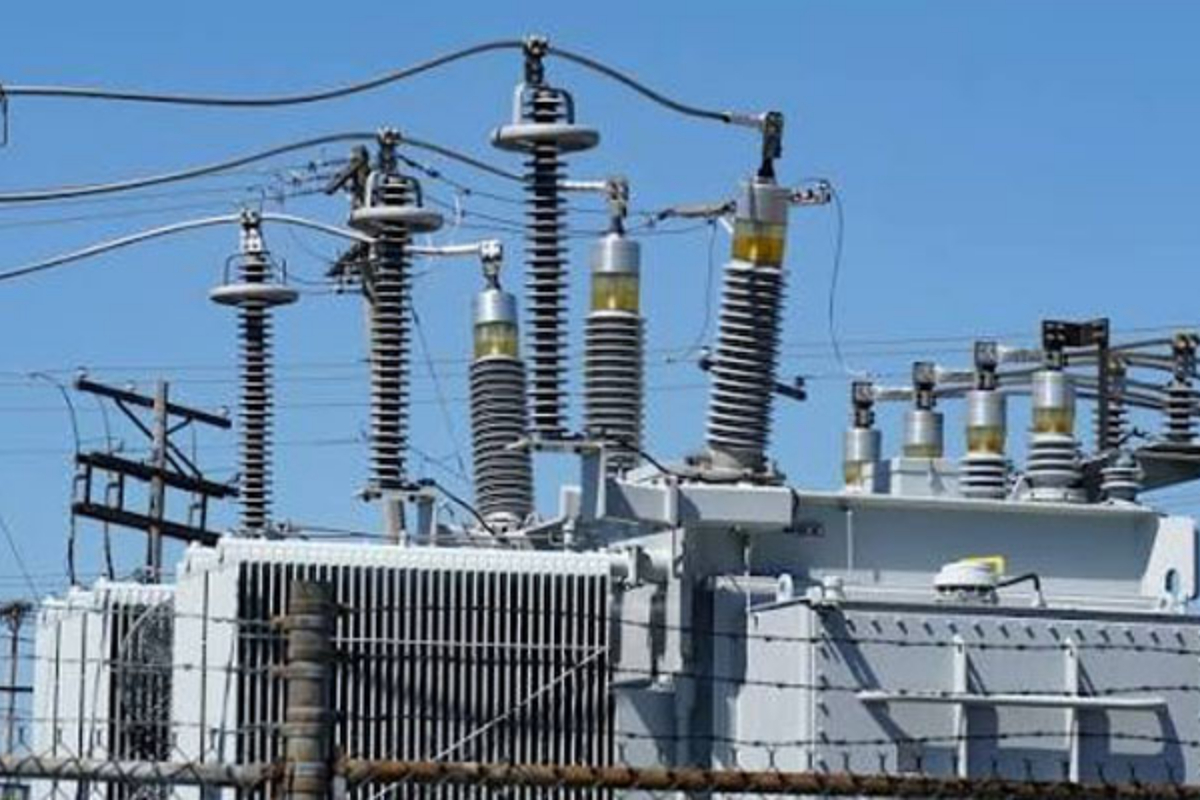
Electricity prices for consumers across Pakistan have been increased by a combined Rs. 2.58 per unit under monthly and quarterly adjustments, according to a notification issued by the National Electric Power Regulatory Authority (NEPRA).

Under the monthly adjustment, electricity rates have been increased by Rs. 2.06 per unit. The increase will be reflected in electricity bills issued in September.

The July fuel price adjustment will transfer an additional burden of about Rs. 33 billion to consumers, according to NEPRA.

The regulator also approved a 52-paisa-per-unit increase under the quarterly adjustment. NEPRA has forwarded its decision on the April-June 2026 quarterly adjustment to the federal government.

The quarterly adjustment will apply from September through November 2026 and will also be charged to consumers of K-Electric.

According to NEPRA, the quarterly adjustment will place an additional burden of approximately Rs. 12.67 billion on electricity consumers.

Pakistan must mobilize private sector capital for economic growth, FM says

Pakistan

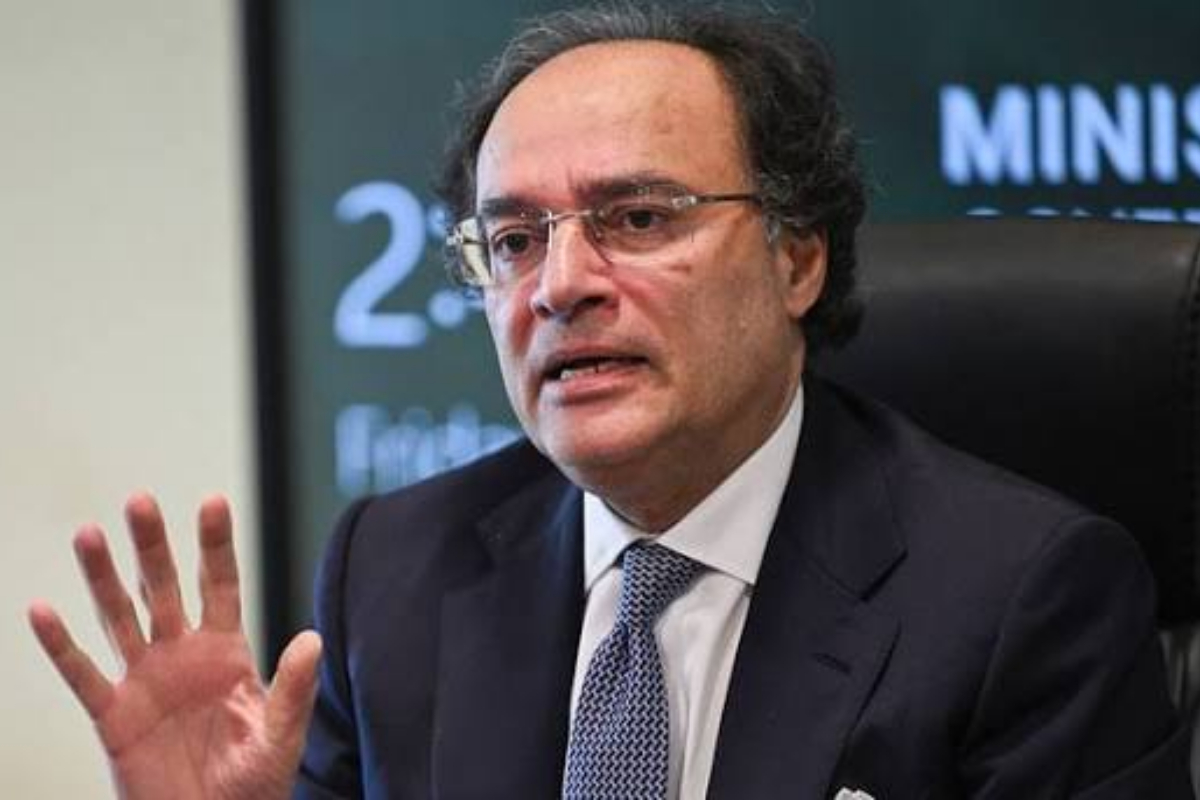
ISLAMABAD: Pakistan must mobilize private-sector capital to support economic growth and achieve sustainable economic stability, Finance Minister Muhammad Aurangzeb said Friday.

Speaking at an event in Islamabad, Aurangzeb said the government would not allow Pakistan to return to a cycle of economic boom and crisis. He said mobilizing private investment was essential for long-term economic development.

The finance minister said investment could be encouraged through public-private partnerships and privatization, adding that the government was pursuing a structural reform agenda to ensure sustainable economic stability.

He said transparency, efficiency and investor confidence would remain priorities in the privatization process. Pakistan also needs to increase private investment in infrastructure and public-service projects through public-private partnerships, he said.

Aurangzeb said stronger cooperation between the government and private sector was necessary to drive economic growth. He added that economic stability had been achieved through difficult decisions and that the government’s goal was to make those gains sustainable.

The finance minister said Pakistan’s overall fiscal deficit had declined from 12.5% to 2.6%, while Federal Board of Revenue tax collections had increased significantly.

FBR revenue has risen by 40% over the past several years, while the tax-to-GDP ratio increased from 8.8% to 10.3%, he said.

Pakistan’s IT services exports reached $4.6 billion during the last fiscal year, with freelancers contributing $1.6 billion, according to Aurangzeb. Merchandise exports remained at around $30 billion, he said, adding that further efforts were needed to expand exports.

He said reforms were continuing in the energy, state-owned enterprises, taxation and privatization sectors as part of the government’s broader economic reform program.

Pakistan raises $3b through Eurobonds with strong investor demand

Pakistan raises

ISLAMABAD: Pakistan has raised a total of $3 billion through two Eurobond issuances, securing $1.75 billion from a 5½-year bond and another $1.25 billion from a 10-year bond, according to the Finance Ministry.

The 5½-year Eurobond carries a coupon rate of 7.50%, while the 10-year bond has a coupon rate of 7.90%, the ministry said.

The Finance Ministry said strong participation from international investors reflected renewed confidence in Pakistan and marked an important step in restoring the country’s access to global capital markets.

Pakistan issued the bonds for the first time under its new Global Medium-Term Note Programme, according to the ministry.

The government said its debt strategy is focused on sustainable sovereign debt management rather than simply increasing borrowing. It has also emphasized long-term financing to reduce refinancing and rollover risks.

The ministry described the Eurobond issuance as a significant development in Pakistan’s return to international financial markets, saying strong investor participation demonstrated improved market confidence in the country.

China imposes 20% tax on offshore trusts by tightening rules

China imposes

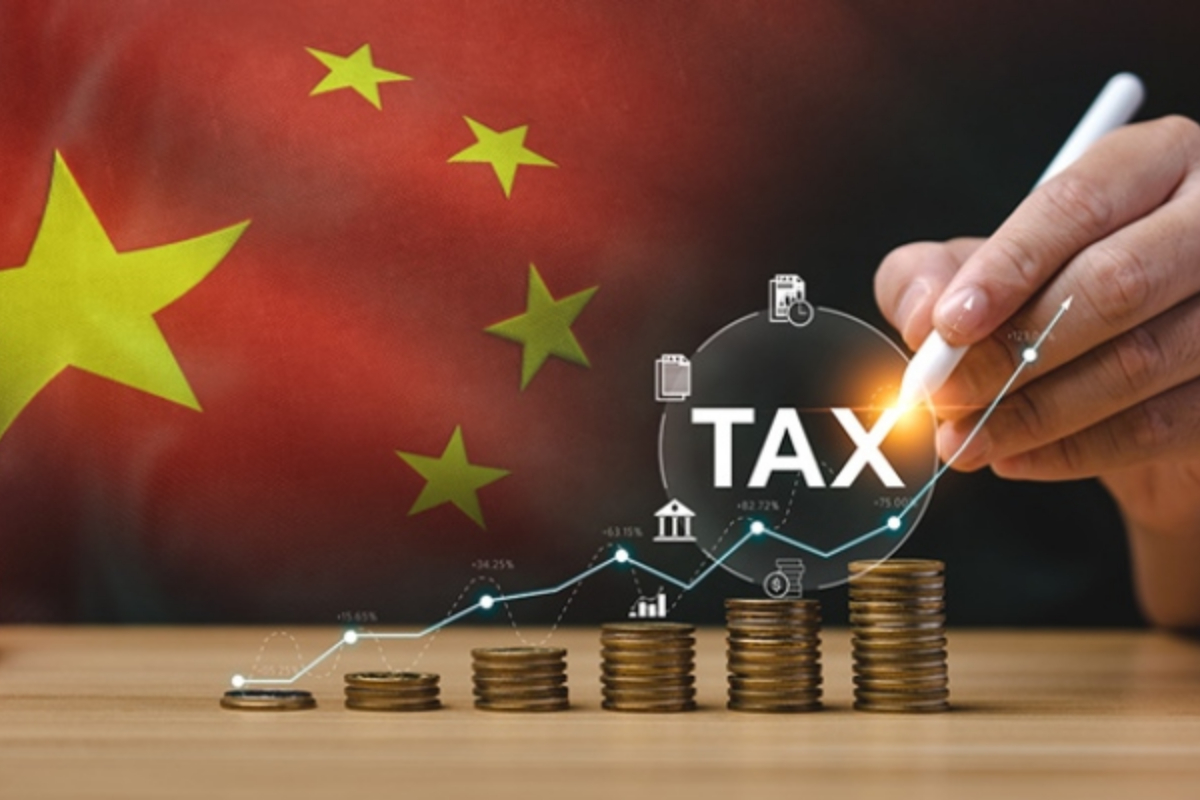
BEIJING: China has introduced a 20% individual income tax on certain gains and income linked to assets placed by Chinese residents into offshore trusts, tightening scrutiny of wealth held overseas.

The Ministry of Finance and the State Taxation Administration issued detailed rules covering the taxation of offshore trusts, including requirements for taxpayers to declare and settle outstanding liabilities.

Under the new rules, gains arising when assets are transferred into offshore trusts are subject to a 20% tax, while income generated during the lifetime of the trusts can also be taxed at the same rate, depending on the nature of the income.

Chinese taxpayers have been given a 90-day period to declare and settle certain unpaid taxes. The rules cover assets transferred to offshore trusts from Jan. 1, 2023, as well as specified income from trusts established before 2026.

The measures are part of Beijing’s broader efforts to strengthen tax compliance and close gaps that have allowed wealthy Chinese individuals to hold assets through offshore structures.

Hong Kong and Singapore are among the major destinations for offshore wealth and trust structures used by China-linked wealthy families.

The new rules are expected to increase scrutiny of such arrangements and encourage greater transparency in overseas wealth management.

China’s tax authorities have also clarified that individuals who hold foreign citizenship or permanent residence abroad may still be considered Chinese tax residents in certain circumstances if their main economic interests remain closely connected to China.

The new rules mark a significant tightening of China’s approach to offshore trusts and overseas wealth, placing greater responsibility on taxpayers to report assets and income and comply with individual income tax requirements.

New York knife attack kills Bank of America vice president

New York

NEW YORK: A knife attack in New York’s busy Times Square killed Bank of America Vice President Erin Piacenti, according to U.S. media reports.

Authorities said a 49-year-old woman attacked two pedestrians with a knife in Times Square.

The attacker reportedly refused to drop her weapons for about four minutes before advancing toward police while wielding two knives. Officers opened fire, killing the woman at the scene.

New York Mayor and the police commissioner said the incident was not connected to terrorism and appeared to have been a sudden, isolated attack.

Authorities are continuing to investigate the circumstances surrounding the incident.

40m Pakistanis have crypto accounts, Bilal Saqib tells Senate Panel

40m Pakistanis

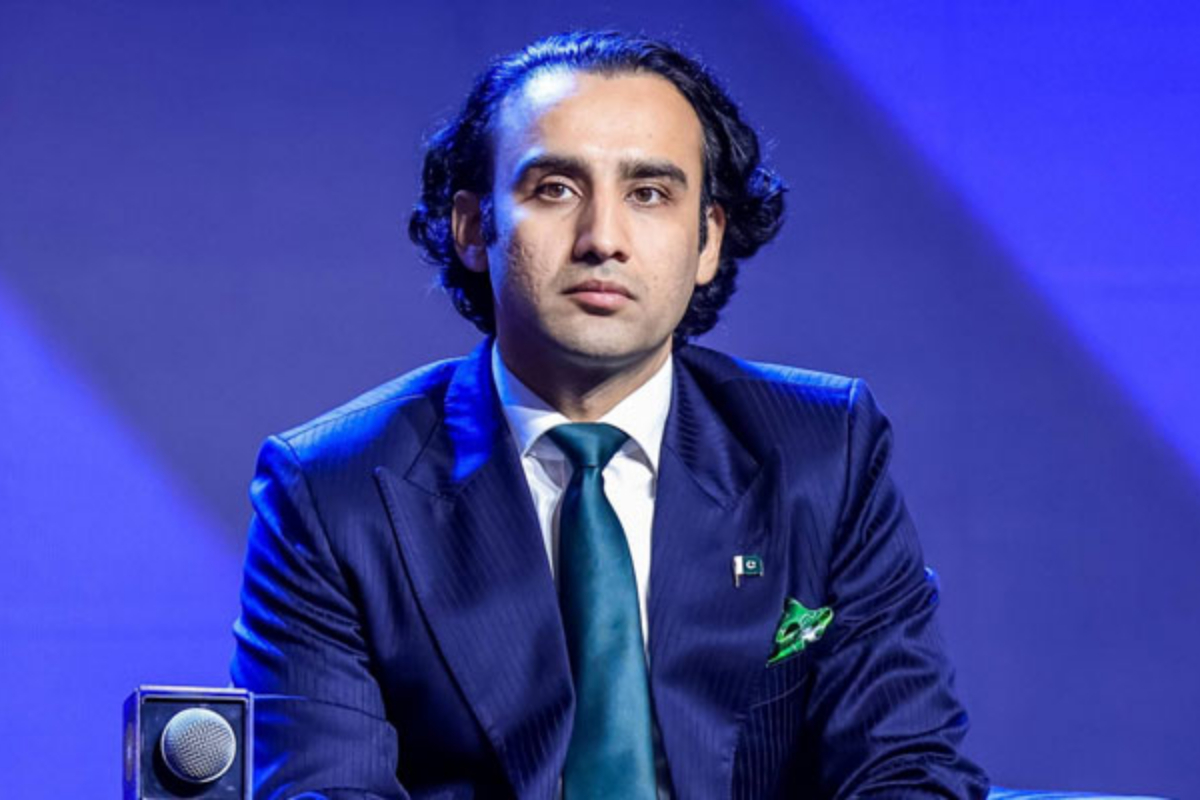
ISLAMABAD: Around 40 million Pakistanis have cryptocurrency accounts, Chairman of the Pakistan Virtual Assets Regulatory Authority Bilal bin Saqib told a Senate standing committee Monday.

Briefing the Senate Standing Committee on Cabinet Secretariat, Saqib said Pakistan had become the world’s third-largest crypto market, driven largely by young people seeking greater financial independence.

He said virtual asset technology was being adopted globally, including by governments in Dubai and Thailand, and argued that restricting the technology could prevent Pakistan from benefiting from its potential.

Saqib said Pakistan had issued no-objection certificates to two international virtual asset companies and had given virtual asset businesses until Sept. 5 to register, warning that restrictions would begin against unregistered operators after the deadline.

He said Pakistan had established its virtual asset regulatory framework within five months, describing it as one of the fastest such regimes in the world.

According to Saqib, Pakistan has an estimated virtual asset market worth $250 billion, while between $10 billion and $20 billion in virtual assets are held in the country. He said the majority of users were under 40.

Saqib also said Pakistan was ahead of India in virtual asset regulation, noting that India had imposed a 30% tax on virtual assets. “We do not want to do that in Pakistan,” he said.

Saqib said the government was considering how much tax should be imposed on virtual assets.

He warned that excessively high taxes could push investors and businesses offshore, adding that authorities were working to regulate people who had already invested in virtual assets.

The Cabinet secretary said cryptocurrency-related businesses would not be allowed to operate without licenses, which he said would help curb fraud.

Saqib said the authority was now hiring permanent staff and had used only 8% of its allocated government budget so far.

He said Pakistan receives about $41 billion in remittances and estimated that lower transaction costs could bring an additional $2 billion into the country through remittance channels.

The authority is working with the State Bank of Pakistan, which has representation on its board, to explore cheaper ways of bringing funds into the country, Saqib said.

He added that Pakistan wanted to capture activity currently taking place through the gray market and aimed to become a global leader in virtual assets within Islamic finance.

PM Shehbaz directs timely completion of FBR reform measures

PM Shehbaz

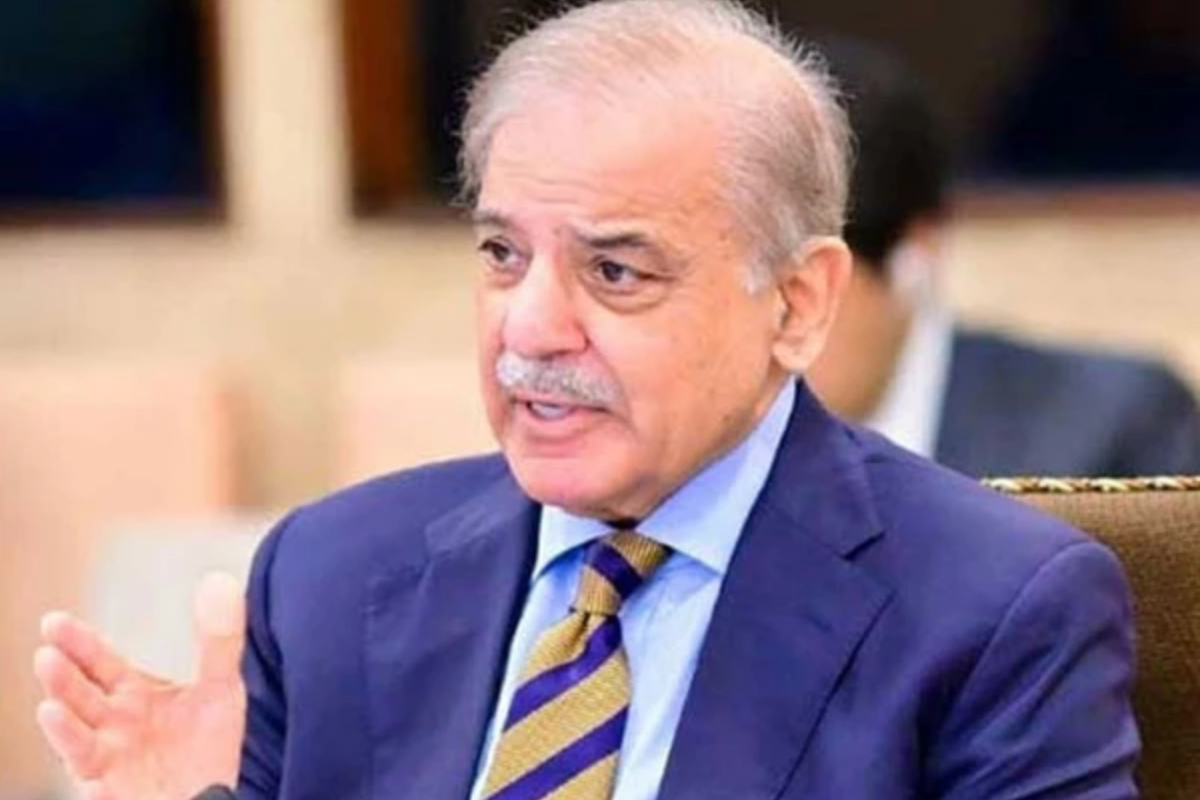
ISLAMABAD: Prime Minister Shehbaz Sharif on Friday directed authorities to complete all measures under the Federal Board of Revenue’s reform program within the stipulated timelines and ensure third-party audits of the process.

PM chaired a weekly review meeting on FBR reforms in Islamabad, where he was briefed on the restructuring of Pakistan Revenue Automation Limited (PRAL), tax system digitalization and measures to curb smuggling.

The prime minister said reforms were being implemented to support the country’s economic development, emphasizing digitalization, production monitoring and automation as key pillars of the FBR reform program.

He directed authorities to intensify action against tax evasion, smuggling and illegal businesses. Sharif also welcomed the appointment of reputed goods evaluators in the FBR and praised the FBR chairman and his team for their efforts.

Officials briefed the meeting that work was underway on IRIS 3.0, a new tax operating model and a central data hub to make the tax system more modern, integrated and data-driven. International consultants have been engaged to design IRIS 3.0.

The meeting was told that new senior leadership had been appointed at PRAL in technology, data security, operations and tax-related fields. Work is also progressing on piloting automated taxation and using artificial intelligence and machine learning to improve tax collection in the future.

In the customs sector, officials said average revenue per goods declaration increased by 12% from January through June 2026 following the introduction of faceless assessment. The system has also improved the identification and monitoring of irregularities in imports.

The recruitment of 280 goods evaluators is in its final stages, while work is underway to establish a Central Assessment Unit in Islamabad. The unit is expected to become operational under an interim arrangement by Dec. 31, 2026, with a fully integrated facility targeted for completion by June 2027.

Officials said transactions processed through digital invoicing rose from 236 billion rupees in July 2025 to more than 2.5 trillion rupees in July 2026. The government has set a target of 4 trillion rupees in digital invoicing transactions by December 2026.

Regarding efforts to curb smuggling, the meeting was informed that GIS tagging of legal petrol stations, GPS tracking of petroleum products, linking oil marketing companies’ ERP systems with tracking mechanisms and a centralized tracking application for law enforcement agencies had been completed.

Officials said 2,500 illegal petrol stations had been shut down and legal action initiated against them through the Rah-Guzar app.

Sharif directed authorities to accelerate implementation of reforms aimed at modernizing the tax system, increasing revenue collection and eliminating smuggling. He also stressed transparency, effectiveness and sustainability through third-party audits.

Saudi Business Group plans to expand investment in Pakistan

Saudi Business

ISLAMABAD: Saudi Arabia’s Asyad Group has reaffirmed its confidence in Pakistan and expressed its intention to expand investments in the country, including exploring opportunities arising from the government’s privatization program.

The development came during a meeting between Finance Minister Senator Muhammad Aurangzeb and Ghassan Ahmed Amoudi, CEO of Saudi-based Asyad Group and chairman of the board of directors of Wafi Energy Pakistan Ltd.

Asyad Group Eyes New Investment Opportunities

During the meeting, the Saudi group expressed keen interest in exploring investment opportunities in new sectors in Pakistan. It also indicated plans to participate in the upcoming privatization of airports in partnership with Saudi and international investors.

The group also showed interest in Pakistan’s financial sector and discussed bringing together Saudi and Pakistani investors for potential projects.

Wafi Energy Plans Expansion in Pakistan

Wafi Energy presented plans to expand its retail network, storage infrastructure and digitalization operations in Pakistan.

The company also intends to expand its investments and operations in Khyber Pakhtunkhwa and other parts of the country, according to the statement.

Finance Minister Welcomes Saudi Investment Interest

Aurangzeb welcomed the continued interest of Saudi investors in Pakistan, saying attracting reliable and long-term investors remained a government priority.

He said the privatization program was creating new investment opportunities and stressed the need to further strengthen economic ties, trade, investment and private-sector cooperation between Pakistan and Saudi Arabia.

The finance minister also highlighted progress toward economic stability, improvements in key economic indicators and Pakistan’s stronger sovereign credit profile.

He said fiscal discipline, structural reforms and greater private-sector participation were central to the government’s goal of achieving sustainable, investment-driven economic growth.

The Asyad Group reaffirmed its commitment to further investment in Pakistan and to strengthening the longstanding economic and trade ties between the two countries.

Used car imports decline in Pakistan in both volume and value

Used car

ISLAMABAD: Pakistan saw a decline in both the number and value of used car imports during the 2025-26 fiscal year, according to official data.

A total of 36,755 used vehicles were imported during the fiscal year, with a combined value of $187.81 million.

In comparison, 43,675 used vehicles worth $243.85 million were imported during the 2024-25 fiscal year, showing a decline in both import volume and value.

Used vehicles were imported under three schemes during the latest fiscal year: the personal baggage, gift and transfer of residence schemes.

Pakistan moves to improve port efficiency through maritime reforms

Pakistan moves

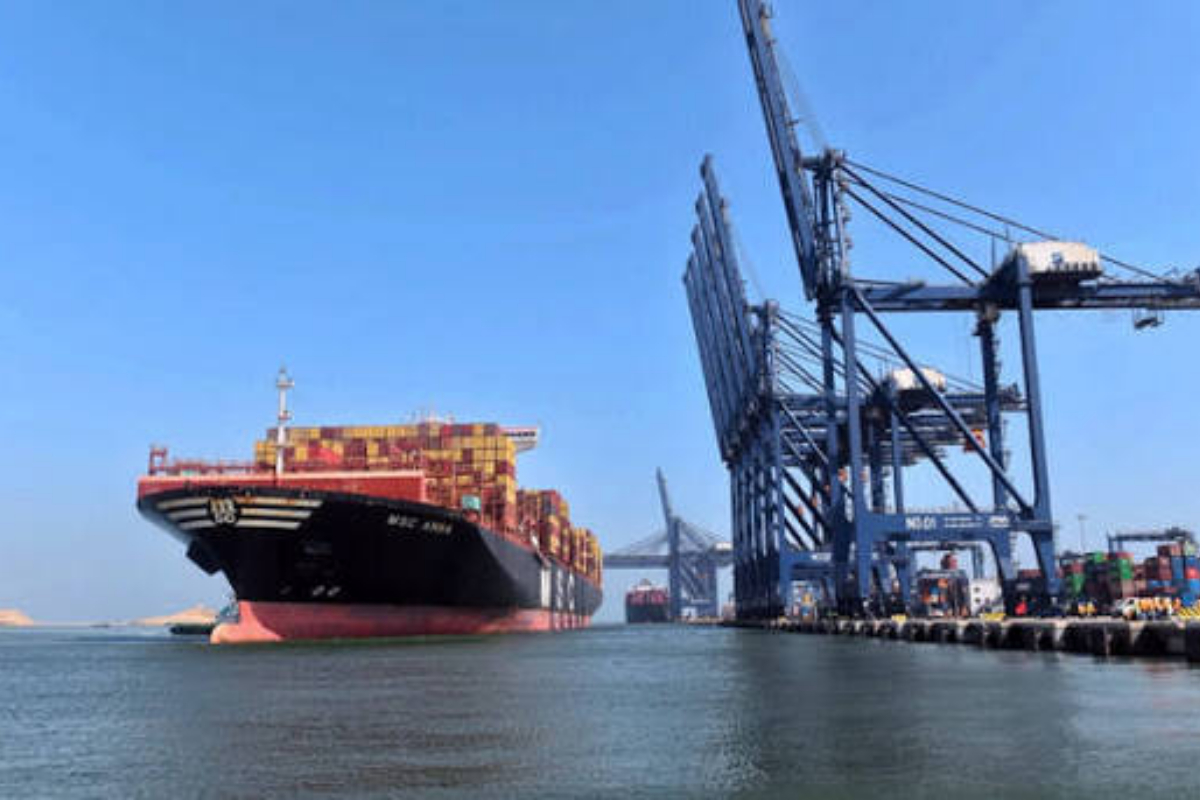
ISLAMABAD: The Prime Minister’s Task Force on Maritime Reforms is taking practical steps to improve the performance and efficiency of Pakistan’s ports, with a focus on modern facilities, administrative reforms and faster cargo handling.

The reforms are aimed at boosting trade activity by upgrading the port system and introducing more effective management measures. A specialized training institute meeting international standards is also being planned to develop skilled workers for the maritime and port sectors.

An enhanced monitoring system will be established for annual and surprise inspections of ports, off-dock terminals, customs stations and other trade-related facilities. Authorities also plan to upgrade inspection centers, introduce 24-hour operations and provide modern scanning equipment under customs rules.

The Prime Minister’s Task Force on Maritime Reforms, along with the National Logistics Cell (NLC) and other relevant institutions, is coordinating efforts to improve the port system. Proposals include modern equipment, CCTV surveillance and enhanced security to make cargo inspection faster and more transparent.

Authorities are also working on measures including portable weighing scales, regular calibration and expansion of high-value cargo areas. Improved facilities and better operational scheduling are expected to address bottlenecks and increase cargo-handling efficiency.

Officials said upgrading port infrastructure and implementing administrative reforms would strengthen Pakistan’s trade capacity and improve its competitiveness in international markets.