
PM Shehbaz directs timely completion of FBR reform measures
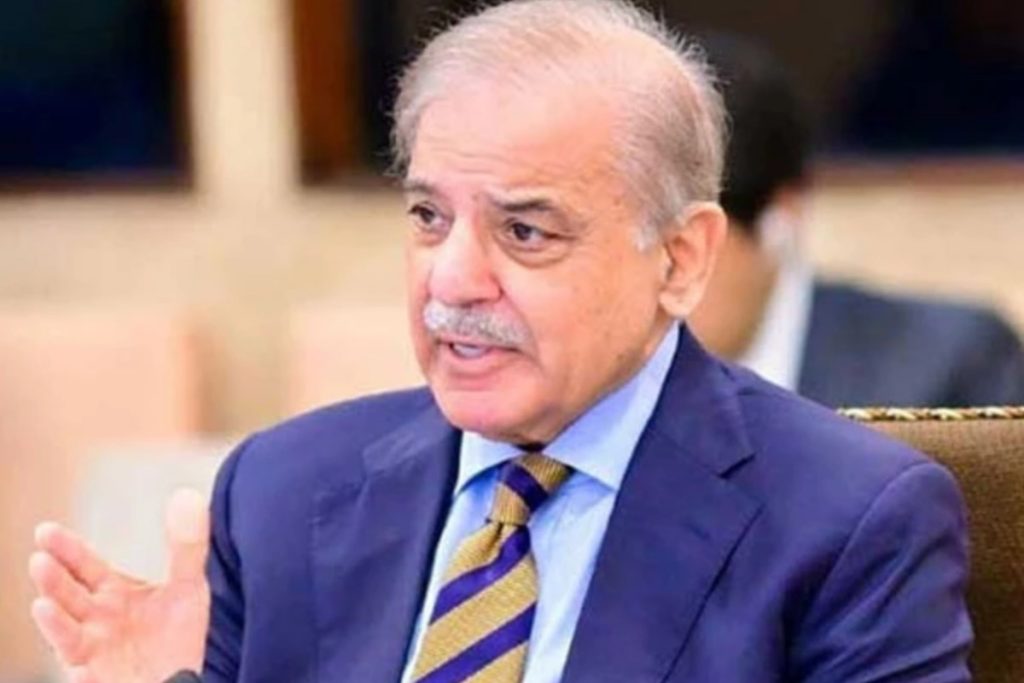
ISLAMABAD: Prime Minister Shehbaz Sharif on Friday directed authorities to complete all measures under the Federal Board of Revenue’s reform program within the stipulated timelines and ensure third-party audits of the process.
PM chaired a weekly review meeting on FBR reforms in Islamabad, where he was briefed on the restructuring of Pakistan Revenue Automation Limited (PRAL), tax system digitalization and measures to curb smuggling.
The prime minister said reforms were being implemented to support the country’s economic development, emphasizing digitalization, production monitoring and automation as key pillars of the FBR reform program.
He directed authorities to intensify action against tax evasion, smuggling and illegal businesses. Sharif also welcomed the appointment of reputed goods evaluators in the FBR and praised the FBR chairman and his team for their efforts.
Officials briefed the meeting that work was underway on IRIS 3.0, a new tax operating model and a central data hub to make the tax system more modern, integrated and data-driven. International consultants have been engaged to design IRIS 3.0.
The meeting was told that new senior leadership had been appointed at PRAL in technology, data security, operations and tax-related fields. Work is also progressing on piloting automated taxation and using artificial intelligence and machine learning to improve tax collection in the future.
In the customs sector, officials said average revenue per goods declaration increased by 12% from January through June 2026 following the introduction of faceless assessment. The system has also improved the identification and monitoring of irregularities in imports.
The recruitment of 280 goods evaluators is in its final stages, while work is underway to establish a Central Assessment Unit in Islamabad. The unit is expected to become operational under an interim arrangement by Dec. 31, 2026, with a fully integrated facility targeted for completion by June 2027.
Officials said transactions processed through digital invoicing rose from 236 billion rupees in July 2025 to more than 2.5 trillion rupees in July 2026. The government has set a target of 4 trillion rupees in digital invoicing transactions by December 2026.
Regarding efforts to curb smuggling, the meeting was informed that GIS tagging of legal petrol stations, GPS tracking of petroleum products, linking oil marketing companies’ ERP systems with tracking mechanisms and a centralized tracking application for law enforcement agencies had been completed.
Officials said 2,500 illegal petrol stations had been shut down and legal action initiated against them through the Rah-Guzar app.
Sharif directed authorities to accelerate implementation of reforms aimed at modernizing the tax system, increasing revenue collection and eliminating smuggling. He also stressed transparency, effectiveness and sustainability through third-party audits.