
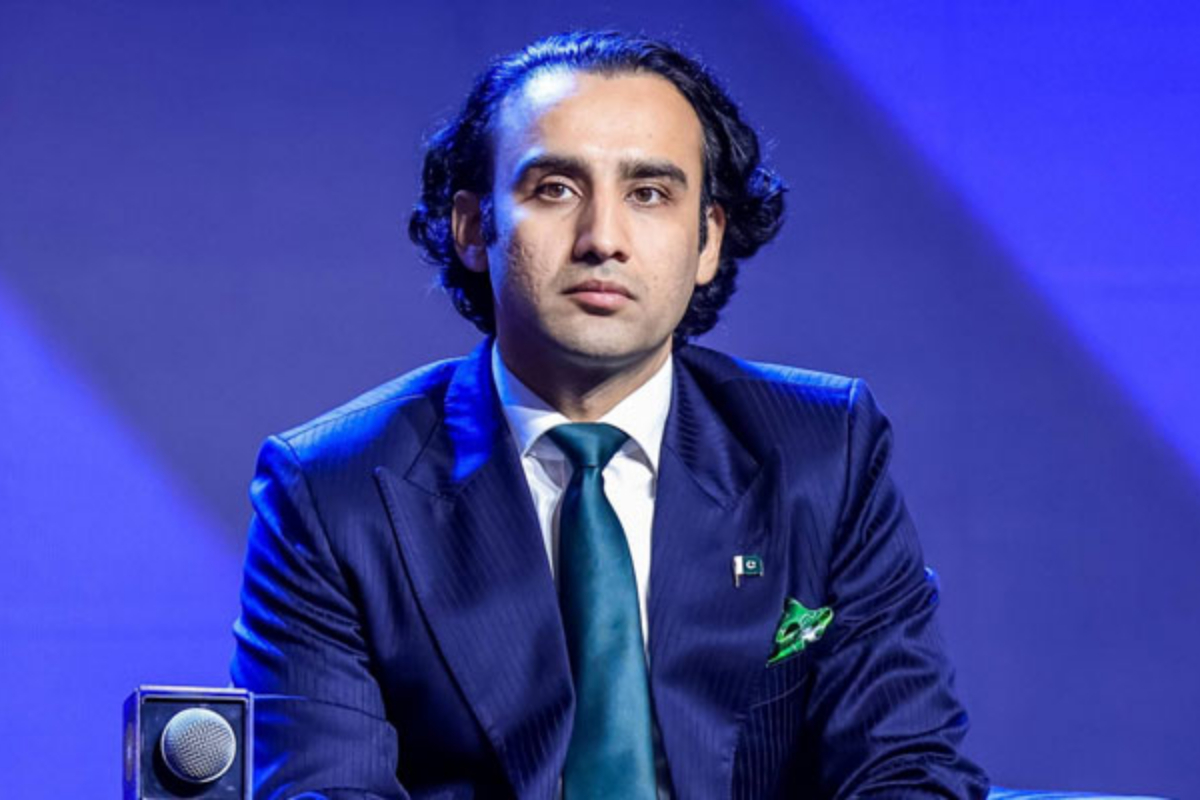
ISLAMABAD: Around 40 million Pakistanis have cryptocurrency accounts, Chairman of the Pakistan Virtual Assets Regulatory Authority Bilal bin Saqib told a Senate standing committee Monday.
Briefing the Senate Standing Committee on Cabinet Secretariat, Saqib said Pakistan had become the world’s third-largest crypto market, driven largely by young people seeking greater financial independence.
He said virtual asset technology was being adopted globally, including by governments in Dubai and Thailand, and argued that restricting the technology could prevent Pakistan from benefiting from its potential.
Saqib said Pakistan had issued no-objection certificates to two international virtual asset companies and had given virtual asset businesses until Sept. 5 to register, warning that restrictions would begin against unregistered operators after the deadline.
He said Pakistan had established its virtual asset regulatory framework within five months, describing it as one of the fastest such regimes in the world.
According to Saqib, Pakistan has an estimated virtual asset market worth $250 billion, while between $10 billion and $20 billion in virtual assets are held in the country. He said the majority of users were under 40.
Saqib also said Pakistan was ahead of India in virtual asset regulation, noting that India had imposed a 30% tax on virtual assets. “We do not want to do that in Pakistan,” he said.
Saqib said the government was considering how much tax should be imposed on virtual assets.
He warned that excessively high taxes could push investors and businesses offshore, adding that authorities were working to regulate people who had already invested in virtual assets.
The Cabinet secretary said cryptocurrency-related businesses would not be allowed to operate without licenses, which he said would help curb fraud.
Saqib said the authority was now hiring permanent staff and had used only 8% of its allocated government budget so far.
He said Pakistan receives about $41 billion in remittances and estimated that lower transaction costs could bring an additional $2 billion into the country through remittance channels.
The authority is working with the State Bank of Pakistan, which has representation on its board, to explore cheaper ways of bringing funds into the country, Saqib said.
He added that Pakistan wanted to capture activity currently taking place through the gray market and aimed to become a global leader in virtual assets within Islamic finance.