
From Karachi to California, a silent rebellion is growing — Gen Z is turning off notifications, logging off social media, and redefining what it means to truly “connect.”
The Generation That Grew Up Online — and Now Wants Out
For more than a decade, Gen Z has lived, studied, and worked online. They are the first generation to have grown up fully connected — shaped by smartphones, social media, and streaming. But in 2025, something remarkable is happening: they’re stepping back.
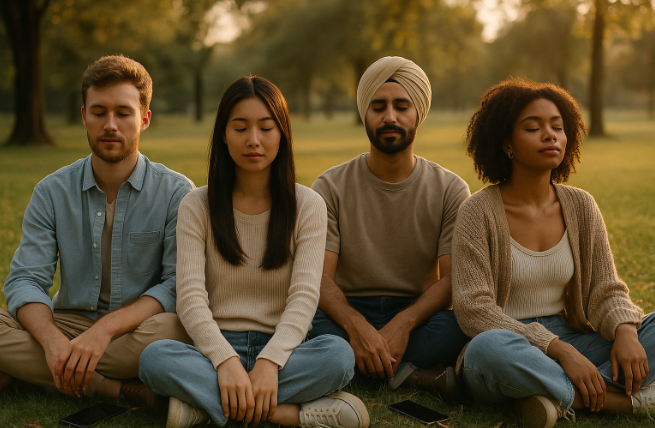
Across continents, young people are deleting apps, reducing screen time, and taking digital detox breaks. A movement once seen as temporary is now becoming a global lifestyle shift — from university students in London to influencers in Lahore, everyone’s realizing that constant connectivity has a cost.
“I realized I was living for likes, not life,” says Hannah Kim, a 23-year-old student from Seoul. “Now I only check Instagram once a week — and my anxiety is gone.”
The Cost of Constant Connection
The digital world has blurred the line between rest and work, leisure and labor. Studies show that Gen Z spends over 8 hours a day on screens, often juggling multiple platforms. Notifications, algorithmic feeds, and endless scrolling create a cycle of dopamine highs and emotional fatigue — what experts now call “digital burnout.”
According to a 2025 Global Wellness Report, more than 60% of young adults say their mental health is negatively affected by overexposure to digital media. Symptoms include anxiety, distraction, poor sleep, and loss of motivation.
Psychologist Dr. Ayesha Malik from Pakistan’s Aga Khan University explains:
“Digital burnout is not just about technology — it’s about attention. When our attention is constantly divided, our creativity and emotional resilience decline.”
Digital Detox Becomes a Global Lifestyle
In response, Gen Z isn’t abandoning technology — they’re redefining their relationship with it.
In the U.S. and Europe, “Digital Sabbaths” — one day per week offline — have become popular. In Japan and South Korea, minimalist phones and distraction-free apps are trending. Meanwhile, in South Asia, influencers and students are creating online communities focused on slow living, mindfulness, and intentional use.
On TikTok, hashtags like #DigitalDetox, #OfflineIsTheNewLuxury, and #UnplugToRecharge are trending worldwide — with billions of views.
In Pakistan, content creator Hira Zainab shared her journey of deleting social media for a month:
“I gained more focus, read three books, and felt human again. Sometimes the best post is the one you never upload.”
Workplaces Are Catching Up
Employers are beginning to take note. Startups and corporations are introducing “digital wellness policies”, encouraging employees to disconnect after hours. The four-day workweek, hybrid offices, and flexible schedules are now part of a broader mental health revolution.
Tech companies themselves are innovating toward wellness. Apple’s “Screen Time Insights” and Google’s “Focus Mode” are now joined by apps like Opal and One Sec, which block impulsive social media use.
In Europe, a growing number of firms now practice “Right to Disconnect” laws — giving employees legal permission to ignore work messages after hours.
The Mindful Internet Generation
Paradoxically, it’s technology itself helping people escape its grip. Meditation apps, wellness podcasts, and mindfulness influencers are leading a counterculture movement — turning screens into tools for self-awareness, not addiction.
Online communities are also encouraging meaningful connection — smaller, private groups where users share personal reflections rather than performative content. The new goal isn’t virality — it’s authenticity.
Gen Z, once seen as “chronically online,” is now becoming consciously online.
Relearning How to Be Human
Experts say this movement is about more than apps — it’s about a cultural realignment.
For years, productivity culture equated constant activity with success. Now, young people across the world are asking a deeper question: What does it mean to feel alive in the digital age?
From Karachi’s youth cafes to Berlin’s mindfulness collectives, a new philosophy is taking root — one that blends connection with consciousness.
As one London-based psychologist notes:
“Gen Z is not anti-technology. They just want tech that serves humanity — not the other way around.”
The Future Is Slower — and Happier
Looking ahead, digital detox is not a passing trend; it’s the foundation of a new global lifestyle. Schools are teaching digital literacy and emotional intelligence; brands are promoting “tech-free experiences”; and urban planners are designing wellness parks and screen-free spaces.
Pakistan, India, and the broader South Asian region are poised to lead this change — with a young, aware, and creative generation balancing global ambition with emotional well-being.
In a hyperconnected world, logging off has become the new luxury.