
Taliban Fury Erupts: Afghanistan Blames Pakistan for Twin Drone Strikes on Kabul, Demands UN Probe
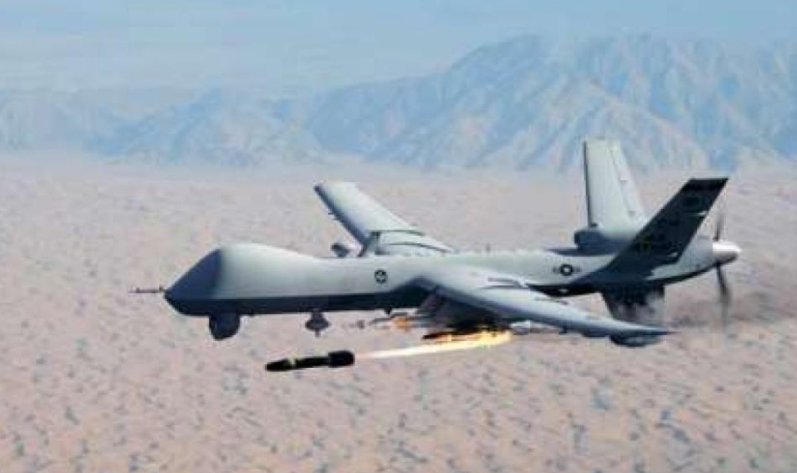
Afghanistan’s Taliban government has accused Pakistan of launching twin drone strikes on Kabul’s outskirts, killing at least 12 civilians and wounding dozens more in what they term a “cowardly act of aggression.”
The attacks, which struck a bustling marketplace and a residential compound in the Logar province border area, have plunged already frayed bilateral ties into crisis mode, with Taliban spokesperson Zabihullah Mujahid vowing “severe repercussions” unless Islamabad apologizes and compensates victims.
Eyewitness accounts describe low-flying unmanned aerial vehicles—reminiscent of U.S. Predator drones used in past counter-terror ops—unleashing precision-guided missiles around dawn. “The sky lit up like fireworks from hell; children were playing outside,” recounted survivor Fatima Khan, whose home was reduced to rubble. Afghan state media aired footage of smoldering craters and grieving families, amplifying calls for an emergency UN Security Council session to condemn the “violation of sovereignty.” Mujahid, in a fiery address from the Arg Palace, linked the strikes to Pakistan’s hunt for Tehreek-e-Taliban Pakistan (TTP) militants, claiming the targets were innocent Pashtun traders, not insurgents.
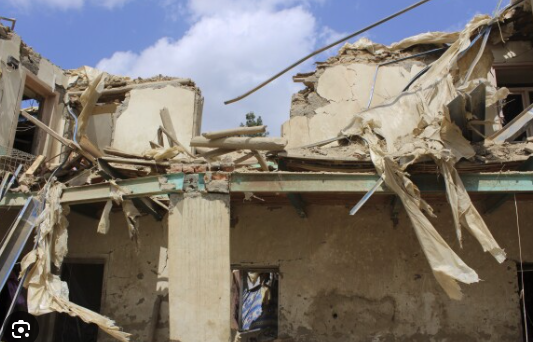
Pakistan’s Foreign Office swiftly rebutted the allegations, labeling them “baseless propaganda” orchestrated by the Taliban to deflect from their sheltering of TTP operatives. “Our forces operate solely within our borders against threats to national security,” a spokesperson insisted, referencing last week’s suicide bombing that claimed seven Pakistani soldiers. Yet, independent analysts, including the International Crisis Group, point to mounting evidence: Satellite imagery from Maxar Technologies shows unusual drone activity near the Durand Line, corroborating Afghan radar logs.
This aerial incursion follows Pakistan’s ground incursions into Khost and Paktika, where TTP leader Noor Wali Mehsud allegedly evaded capture. With the porous 2,640-km border a hotbed for smuggling and skirmishes, experts fear a tit-for-tat cycle could draw in regional powers. China, via its Kabul embassy, urged restraint to protect Belt and Road investments, while India watched warily, offering humanitarian aid to Afghanistan.
As Taliban militias mobilize along the frontier and Pakistan deploys additional troops, diplomatic channels—mediated by Qatar—face their sternest test. The UN’s special envoy for Afghanistan warned of “humanitarian catastrophe” if escalation persists, echoing global jitters over South Asia’s nuclear-armed neighbors. In Kabul’s streets, anti-Pakistan graffiti proliferates, signaling a rift that parole offers from Imran Khan may struggle to mend.