
Faster biological aging may explain rising cancer rates among young adults
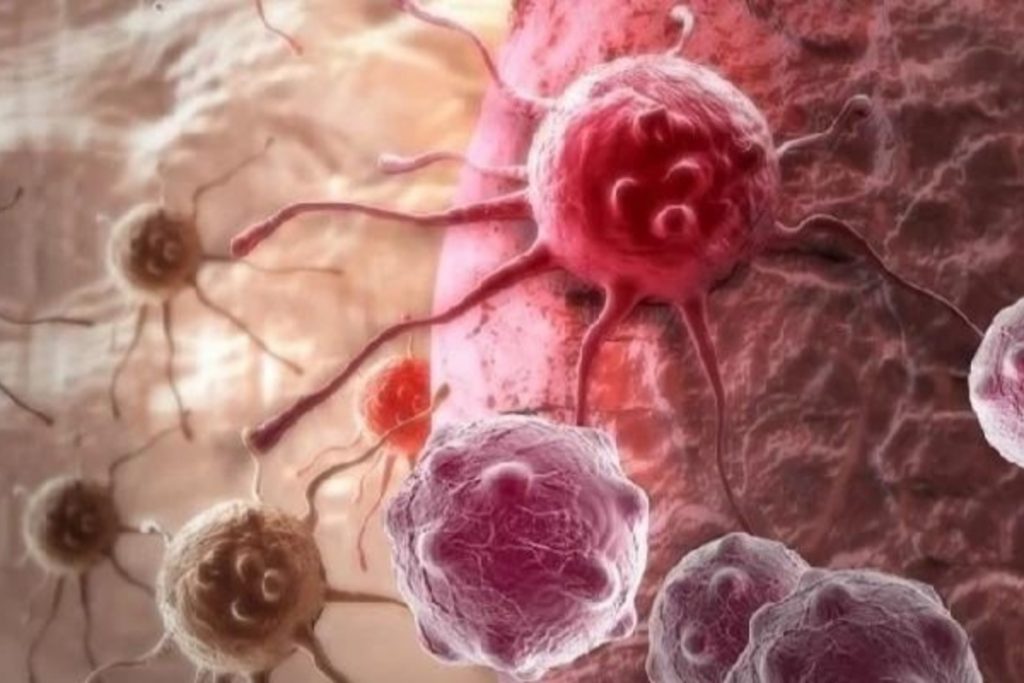
WASHINGTON: Faster biological aging may be one of the key factors behind the rising incidence of cancer among younger adults, according to a study by researchers at Washington University School of Medicine.
Cancer has traditionally been associated with older age, with the risk generally increasing as people grow older. However, cancer rates among people under 50 have increased in recent years, while the reasons for the trend remain unclear.
The researchers examined whether changes in biological age could help explain the increase.
Unlike chronological age, which is determined by a person’s date of birth, biological age reflects the condition and functioning of the body. Genetics, lifestyle and other factors can influence biological aging, which in turn can affect the risk of various diseases.
The study found that younger generations are experiencing faster increases in biological age compared with people from earlier generations.
Researchers said accelerated biological aging can lead to changes in cells, organs, metabolism and other body systems. A larger gap between biological and chronological age was associated with a higher risk of cancer among younger adults.
The effects were not uniform across the body, with accelerated biological aging appearing to be more pronounced in organs commonly associated with cancer.
The research team also noted that several factors, including body weight, declining metabolic health, alcohol consumption, prolonged sedentary behavior and unhealthy diets, can contribute to the risk of various cancers.
For the study, researchers analyzed data from more than 154,000 people and compared the findings with another group of about 10,000 participants.
The analysis found that biological age increased more rapidly among younger people in the study. The difference was particularly pronounced among people born between 1990 and 1999, whose rate of biological aging was 92% higher than that of people born between 1965 and 1969.
Further analysis indicated that accelerated biological aging was associated with an up to 8% increase in the risk of developing cancer at a younger age, with particularly notable associations involving lung and digestive-system cancers.
The findings were published in the journal Nature Medicine.