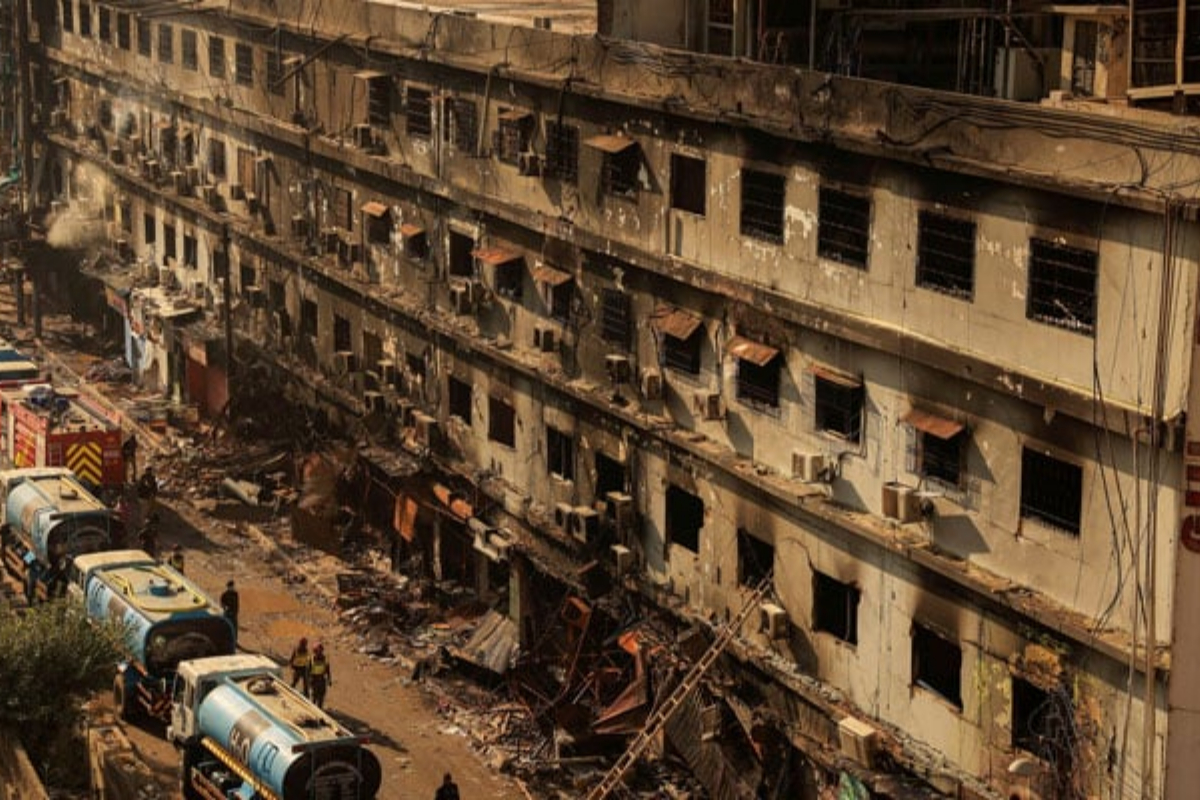
KARACHI: The recovery and search operation at Gul Plaza on M.A. Jinnah Road continued for the sixth consecutive day on Thursday, as authorities recovered additional human remains, raising the death toll to 67.
According to a spokesperson for the Sindh Health Department, post-mortem examinations of all recovered bodies have been completed. A total of 45 DNA samples have been collected from bodies and body parts, while eight victims have been positively identified through DNA testing.
The spokesperson added that six bodies were recovered intact, while one victim was identified through a national identity card.
Earlier, rescue officials stated that the search operation is being carried out with the support of the plaza association and is expected to be completed soon.
They confirmed that debris removal is ongoing, during which more remains were discovered and shifted to Civil Hospital Karachi for legal formalities.
Rescue teams also reported that 16 out of 61 motorcycles parked on the rooftop have been removed so far.
Building declared unsafe
Following a joint inspection by the Sindh Building Control Authority (SBCA) and the Pakistan Engineering Council, the technical committee declared Gul Plaza structurally unsafe and recommended its demolition after completion of the rescue operation.
Officials said the plaza covers 8,124 square yards and consists of 1,102 shops. Adjacent buildings have also been inspected for safety concerns.
Karachi Mayor visits affected families
Meanwhile, Karachi Mayor Murtaza Wahab visited the homes of victims, including Rahman, Hissam, and Sarfaraz, to offer condolences.
“Human life has no substitute. We will not rest until the affected families are fully rehabilitated,” the mayor said.
He also announced financial and business rehabilitation support for the victims, adding that rescue personnel of the Karachi Metropolitan Corporation remain actively engaged in the operation.
Authorities reiterated that every effort is being made to recover and hand over victims’ remains to their families at the earliest.